10 Surprisingly Healthy Foods To Buy At Aldi — Affordable, Nutrient-Packed Picks For 2026
We’ve all stood in the Aldi aisle wondering if cheap groceries can also be genuinely healthy. The short answer: yes. In 2026 Aldi continues to offer surprisingly nutritious options that don’t blow your budget. In this guide we’ll walk through eight specific items (plus smart shopping tips) that we regularly add to our carts because they deliver big nutrition per dollar: protein, fiber, healthy fats, whole grains, and antioxidants. Each pick includes what to look for on the label, simple ways to use it, and why it’s a good value compared with national brands. Whether you’re meal-prepping, feeding a family, or tightening your grocery budget, these choices make it easier to eat well without sacrificing taste or convenience.
1. Frozen Wild-Caught Salmon Fillets: Budget-Friendly Omega-3 Powerhouses
Frozen wild-caught salmon at Aldi is one of those finds that feels like a win every time. Salmon is rich in EPA and DHA, long-chain omega-3 fatty acids linked to heart and brain health, and Aldi’s frozen fillets let us get that nutrition year-round without paying fresh-salmon prices. Look for packages labeled “wild-caught” rather than farmed: wild fish tend to have a more favorable omega-3 to omega-6 ratio and fewer contaminants.
Why we buy it: A typical 3–4 ounce serving of salmon delivers roughly 1–1.5 grams of combined EPA/DHA, depending on the species, enough to meaningfully contribute to recommended omega-3 intake. Frozen fillets are flash-frozen shortly after catch, so they retain nutrients and texture. We store extras in the freezer and thaw only what we need.
How we use it: Quick pan-seared fillets with lemon and herbs for dinners, flaked into grain bowls, or baked with a mustard-maple glaze. Portion control is easy: one fillet often equals a family serving. To avoid sogginess, thaw in the fridge overnight or cook from partially frozen, adding a few extra minutes.
Label tips and value: Compare per-pound pricing, but remember wild-caught is typically pricier than farmed: still, Aldi’s selection often undercuts national-brand frozen salmon. If a product lists additives like sodium tripolyphosphate or sauce, opt for plain fillets to keep sodium and added sugars low.
2. Plain Greek-Style Yogurt: High Protein, Low Sugar Base For Meals And Snacks
Plain Greek-style yogurt from Aldi’s lines (look for Simply Nature or Friendly Farms options) is a foundational item in a healthy grocery haul. Greek-style yogurt is strained to remove whey, concentrating protein: a typical 5.3-ounce serving provides 12–20 grams of protein depending on fat level, which helps keep us full and supports muscle recovery.
Why we buy it: Compared to flavored yogurts, plain Greek-style varieties have minimal added sugar and far more protein, making them versatile for breakfasts, snacks, and cooking. Higher-protein snacks help regulate appetite, beneficial if we’re watching calories or aiming for steady energy through the day.
How we use it: Mix with frozen berries and a sprinkle of oats for breakfast, swap for sour cream in tacos or baked potatoes, or blend into smoothies for creaminess and protein. For a DIY parfait, add a drizzle of honey and chopped nuts.
Label tips and value: Choose plain over vanilla or fruit-on-bottom if you want to control added sugars, then sweeten naturally with fruit or a touch of maple syrup. For dairy-free needs, check Aldi’s plant-based line, which sometimes has fortified almond or oat yogurts, though protein levels will differ. We compare cost per ounce: Aldi’s store brands are usually cheaper than national Greek-yogurt brands while offering comparable nutrition.
3. Pre-Washed Leafy Greens And Baby Spinach: Convenience Without Compromise
Pre-washed leafy greens and baby spinach are a convenience purchase we rarely skip. Aldi routinely carries larger, affordable bags of baby spinach, spring mix, and kale that are ready to eat, perfect for busy weeks when time is tight but we still want fresh vegetables.
Why we buy it: Leafy greens are low-calorie nutrient powerhouses: folate, vitamin K, vitamin A, potassium, and a range of phytonutrients. Purchasing pre-washed varieties reduces prep time and food waste because we’re more likely to use what’s ready. Bags often cost less per ounce than smaller tubs from other stores.
How we use it: Toss into salads, blend into smoothies, sauté with garlic as a simple side, or layer into sandwiches. Baby spinach wilts quickly, perfect for scrambled eggs or grain bowls. We’ll also use sturdier greens like kale for massaged salads or roasted chips.
Label tips and value: Check the “use-by” date and choose the fullest-looking bags with minimal moisture, which helps extend fridge life. Aldi’s organic Simply Nature line occasionally offers certified-organic greens: if pesticides are a concern, opt for those. To stretch bagged greens, combine with sturdier vegetables like shredded cabbage or carrots that keep longer.
4. Canned Low-Sodium Beans: Versatile Fiber And Plant Protein Staples
Canned beans are a pantry staple for good reason: they’re inexpensive, shelf-stable, and loaded with fiber and plant-based protein. Aldi usually carries a variety, black beans, chickpeas, kidney beans, in low-sodium or no-salt-added versions so we can control the seasoning.
Why we buy it: One cup of cooked beans delivers roughly 15 grams of protein and 12–15 grams of fiber, depending on the variety. That fiber promotes satiety and supports gut health. For households aiming to reduce meat consumption or stretch protein at dinner, beans are indispensable.
How we use it: Rinse and add to salads, mash for spreads and dips, toss into soups and chilies, or combine with rice for a complete-protein vegetarian meal. For quick weeknight tacos we heat black beans with cumin and lime. Chickpeas roast beautifully for crunchy snacks.
Label tips and value: Choose “low-sodium” or “no-salt-added.” If only regular cans are available, rinse well under running water for 30–60 seconds to remove up to 40% of added sodium. Canned beans at Aldi typically cost less than national brands: if you have time and want to save even more, dry beans cooked in bulk are cheaper but require planning.
5. Frozen Mixed Berries: Antioxidant-Rich Fruit That Lasts
Frozen mixed berries are one of our top fridge-freezer go-tos. Aldi stocks blends with strawberries, blueberries, raspberries, and sometimes blackberries, flash-frozen at peak ripeness so you get great flavor and nutrition even out of season.
Why we buy it: Berries are high in anthocyanins and vitamin C, antioxidants linked to reduced inflammation and improved cardiovascular markers. Because they’re frozen, they don’t spoil quickly, and a bag lasts weeks, cutting down on waste compared with fresh berries.
How we use it: Blend into smoothies, thaw over yogurt, add to oatmeal, or simmer into quick compotes for pancakes. Frozen berries also work straight from the freezer in baking, adding vibrant color and nutrients to muffins and pancakes without watering down batter.
Label tips and value: Look for packs without added sugar, some frozen fruit products have syrups. Compare price per pound: Aldi’s frozen fruit is often one of the best values in the store. We portion single servings into small freezer bags for grab-and-go smoothies.
6. 100% Whole Grain Bread Or Tortillas: Easy Whole-Grain Swaps
Switching refined flour products for 100% whole grain bread or tortillas is a simple swap that boosts fiber, B-vitamins, and minerals. Aldi’s bakeries and packaged-bread aisles often carry whole-wheat sandwich bread and whole-grain tortillas that are affordable and versatile.
Why we buy it: Whole grains retain the bran and germ, providing more fiber and micronutrients than refined grain products. Eating whole grains is associated with lower risk of heart disease and better weight management. For many of us, changing the bread or wrap is the easiest way to incrementally improve daily diet quality.
How we use it: Use whole-grain bread for sandwiches and toast, and whole-grain tortillas for burritos, quesadillas, or wraps. We also make quick paninis and breakfast wraps with eggs and spinach. Toasting improves texture and flavor if you prefer a crunch.
Label tips and value: Read ingredient lists, “multigrain” or “wheat flour” doesn’t guarantee 100% whole grain. Look for “100% whole wheat” or a whole grain listed as the first ingredient. Check fiber content per slice: aim for at least 2–3 grams per slice when possible. Aldi’s store-brand whole-grain options usually beat national brands on price without sacrificing ingredient quality.
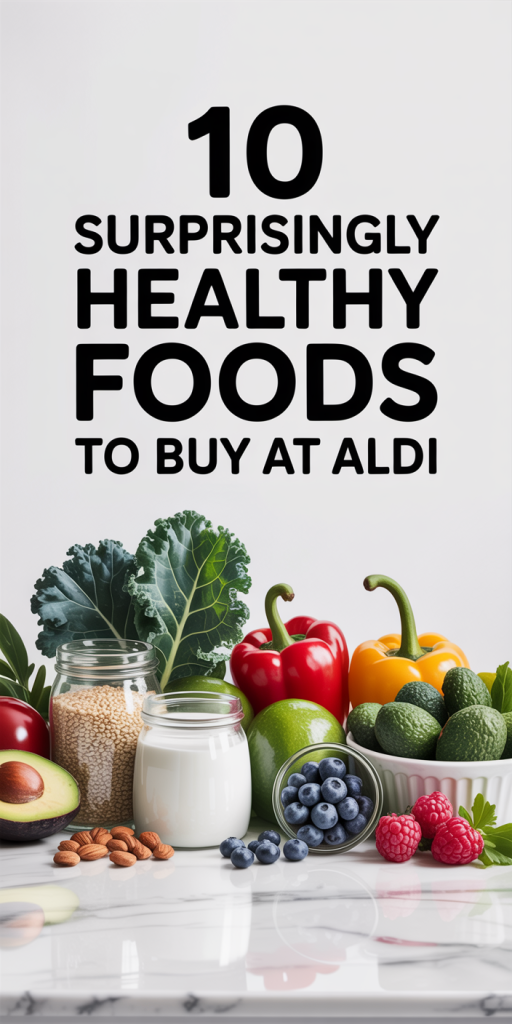
7. Raw Or Dry-Roasted Nuts And Seeds: Heart-Healthy Fats And Snacks
Nuts and seeds are compact sources of unsaturated fats, protein, fiber, vitamin E, magnesium, and other micronutrients. Aldi offers raw and dry-roasted almonds, walnuts, sunflower seeds, and mixed nut blends, often in pantry-sized bags that reduce cost per ounce compared with single-serving packs.
Why we buy it: Regular nut consumption is associated with improved cholesterol profiles and lower cardiovascular risk. Walnuts, for instance, contain alpha-linolenic acid (ALA), a plant-based omega-3, while almonds provide vitamin E and magnesium. Seeds like chia or flax add omega-3s and fiber as well.
How we use it: Keep a jar of mixed nuts in the pantry for quick snacks, sprinkle seeds on yogurt and salads, or blend nuts into homemade granola. We portion nuts into small containers to avoid mindless overeating, nut calories add up fast even though they’re healthy.
Label tips and value: Choose raw or dry-roasted without added sugar or excessive salt. Flavored varieties can be tasty but often contain added sugars or oils: use sparingly. If we’re baking or making nut butters, buying larger bags and processing at home saves money. Check Aldi’s seasonal buys, sometimes they offer bulk sizes at great prices.
8. Old-Fashioned Rolled Oats: Affordable Whole-Grain Breakfasts And Baking Base
Old-fashioned rolled oats are one of the most budget-friendly whole grains we can buy. Oats supply soluble fiber, especially beta-glucan, which helps lower LDL cholesterol and stabilizes blood sugar. Aldi’s big canisters and bags make oatmeal an economical choice for breakfasts and baking.
Why we buy it: A half-cup dry serving of rolled oats provides around 4–5 grams of fiber and 5–7 grams of protein, depending on the brand. Oats are versatile: cooked as porridge, used in overnight oats, or incorporated into muffins, granola bars, and meatloaf to boost fiber and texture.
How we use it: We make creamy stovetop oatmeal with milk, cinnamon, and frozen berries: prepare overnight oats for grab-and-go breakfasts: or pulse oats into quick flour for pancakes and cookies. For extra texture, toast oats lightly before using in granola.
Label tips and value: Choose plain rolled oats, not instant flavored packets, which often have added sugars. Steel-cut oats are less processed and take longer to cook but are more expensive: old-fashioned rolled oats strike a good balance of cost, texture, and cooking time. Aldi’s store-brand oats are typically cheaper than big-name brands while offering identical nutrition.
How To Shop Smart At Aldi: Tips For Finding The Healthiest Options And Stretching Your Budget
Aldi’s streamlined layout and rotating specials (Aldi Finds) make it efficient to shop, but a few strategies help us prioritize health and value.
- Start with a list and a flexible plan. Aldi’s weekly finds often include good deals on proteins and produce: plan meals around those specials to save.
- Read labels quickly but smartly. Look for serving sizes, grams of added sugar, sodium, and fiber. For packaged items, shorter ingredient lists with recognizable words usually indicate fewer additives.
- Favor store brands for basics. Aldi’s private labels, Simply Nature, Friendly Farms, Earth Grown, often match national-brand nutrition at lower prices. We compare per-ounce cost and nutrition panels when unsure.
- Buy frozen and canned where appropriate. Frozen produce and frozen proteins extend shelf life and reduce waste. Choose no-salt-added canned goods or rinse them to cut sodium.
- Watch portion sizes for calorically dense foods. Nuts, seeds, and dried fruit are nutritious but calorie-dense: pre-portioning prevents overconsumption.
- Use seasonal produce and bulk purchases. When Aldi’s produce is on sale, buy enough to freeze or preserve. Bulk grains and oats are cheaper per serving.
- Embrace simple meal templates. A typical healthy plate we use: half vegetables (fresh or frozen), a quarter lean protein (salmon, beans), a quarter whole grain (oats, whole-grain bread), and a handful of healthy fat (nuts, olive oil). Sticking to templates speeds shopping and cooking while keeping costs down.
- Check for labels that matter. For animal products, look for “no antibiotics” or “pasture-raised” if those attributes align with your priorities, Aldi’s labeling often highlights these claims. For plant-based alternatives, check for fortification (calcium, B12) and sugar content.
By following a few habits, reading labels, buying smartly, and planning around Aldi’s rotating deals, we consistently build nutritious carts without overspending.
Conclusion: Building A Nutritious, Affordable Aldi Cart That Works For Your Week
We don’t need to choose between nutrition and affordability, Aldi proves that with the right picks. Frozen wild salmon, plain Greek-style yogurt, pre-washed greens, low-sodium canned beans, frozen berries, whole-grain bread or tortillas, nuts and seeds, and rolled oats give us a flexible foundation for balanced meals. Pair those staples with smart shopping habits, label reading, seasonal buys, and portion control, and we can easily build a week of nutritious, satisfying meals without stretching the budget. Next time you’re at Aldi, pick a couple of these items you don’t usually buy and experiment, small swaps over time add up to big improvements in health and wallet savings.