10 Signs Your Tongue Could Reveal Dehydration — How To Spot Them And What To Do
Our tongues tell stories we often miss. When hydration drops, subtle and not-so-subtle changes show up on the surface of the tongue long before some other symptoms kick in. In this guide, “10 Signs Your Tongue Could Reveal Dehydration,” we walk through the most reliable tongue signs, explain why they occur, and give practical steps for what to do when you notice them. We’ll also cover when a change is a simple dehydration cue versus when it might indicate something more serious. Read on so we can spot these signs early and rehydrate safely.
Why The Tongue Reflects Hydration Status
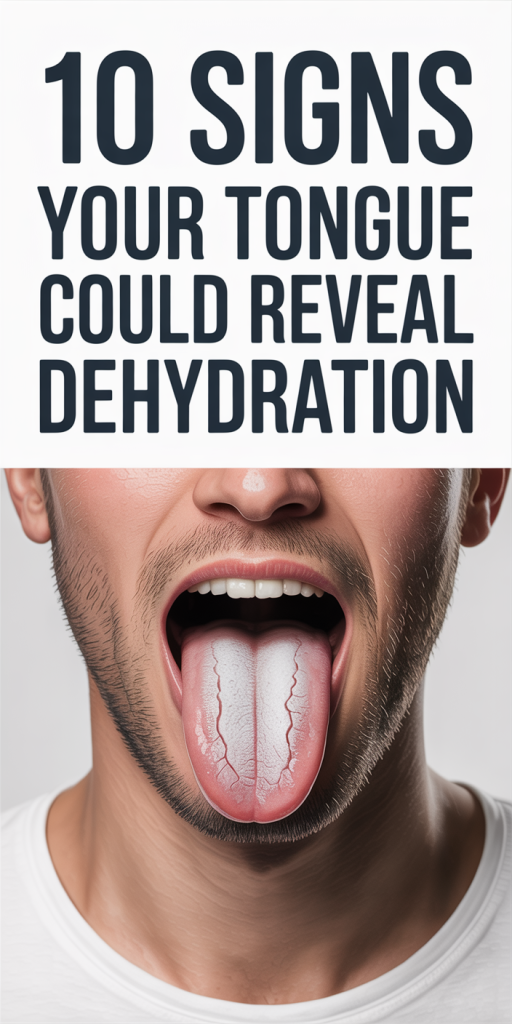
The tongue is a vascular, mucous-membrane organ that rapidly reflects changes in fluid balance. Because its surface is thin and richly supplied with blood and saliva glands, reduced body water shows up as altered moisture, texture, color, and coating on the tongue. Dehydration lowers saliva production, concentrates oral bacteria and debris, and can change blood flow to the tongue tissue, all visible and tangible changes.
We should think of the tongue as a real-time indicator. When we’re well hydrated the tongue tends to be moist, supple, and pink: when dehydrated it can become dry, sticky, coated, fissured, or discolored. Those shifts occur before or alongside other signs like thirst, dark urine, dizziness, or reduced urine output. By checking the tongue (a quick, noninvasive self-check), we can spot trouble early and act fast.
That said, tongue changes aren’t specific to dehydration alone. Infections, medications, nutritional deficiencies, and systemic conditions can produce similar signs. In each H3 below we’ll explain how dehydration causes the change, how to tell it from other causes, immediate steps to take, and when to seek medical care.
How To Rehydrate Safely And What To Avoid After Noticing Tongue Signs
Once we notice one or more of the tongue signs above, the goal is safe, effective rehydration and preventing recurrence. Follow these practical steps:
- Sip, don’t gulp: Small, frequent sips of water are better tolerated and absorbed than large, rapid gulps, especially if we’re mildly dehydrated or nauseated. Aim for 8–16 ounces (250–500 mL) over the first 30–60 minutes and continue regular intake.
- Choose the right fluids: For routine mild dehydration, plain water is usually fine. If we’ve lost significant electrolytes through heavy sweating, vomiting, or diarrhea, an oral rehydration solution (ORS) or a balanced electrolyte drink helps restore sodium and potassium safely. Avoid high-sugar sports drinks as a first choice, they can worsen diarrhea and delay absorption.
- Include gentle saliva stimulants: Chewing sugar-free gum or sucking on sugar-free lozenges stimulates saliva, improves oral clearance, and can make the tongue feel better faster.
- Maintain oral hygiene: Gently brushing the tongue, using a tongue scraper, and rinsing with plain water or mild saline reduces coating and bacterial buildup while we rehydrate.
- Monitor symptoms: If the tongue signs improve within 12–24 hours of adequate fluid and electrolyte intake, that’s reassuring. Keep an eye on urine color (pale straw-colored is ideal) and output. If urine remains very dark or we feel lightheaded, seek medical care.
What to avoid:
- Alcohol and caffeine in excess: Both are diuretics and can worsen dehydration.
- Very sugary drinks or undiluted fruit juices: These can irritate the mouth and impair fluid absorption in some cases.
- Smoking or chewing tobacco: These irritate oral tissues and delay mucosal healing.
- Excessive use of mouthwashes with high alcohol content: They can dry the mouth further.
When to get help: Severe dehydration signs, confusion, fainting, very low urine output, rapid heartbeat, or inability to keep fluids down, require urgent medical attention and often intravenous fluids. If tongue abnormalities persist even though rehydration, or if they’re accompanied by systemic symptoms like fever, significant pain, or difficulty breathing, consult a clinician promptly.
Final practical tips: Make rehydration a habit, carry a refillable water bottle, set periodic reminders, and match fluid intake to activity and climate. If we’re on medications that cause dry mouth, talk with our prescriber about alternatives or coping strategies. Paying attention to our tongue gives us an early advantage: fix the fluid imbalance quickly, and many of these signs will resolve without invasive treatment.