Lymph vs Puffy Face: How To Tell The Difference, Treat It, and Prevent Recurrence (2026 Guide)
Facial swelling is common, and when it happens we want answers fast: Is this lymphatic swelling, or just a puffy face from sleep, salt, or allergies? Distinguishing lymphatic swelling from non-lymphatic puffiness matters because the causes, treatment, and risks differ. In this 2026 guide we walk through clear signs, simple at-home checks, when to seek care, and evidence-based treatments and prevention strategies you can use right away. Our goal is practical: help you recognize patterns, try safe immediate remedies, and know which symptoms are red flags. We’ll also cover tests clinicians use, therapies that work (from manual lymphatic drainage to medical options), and lifestyle changes that reduce recurrence. Read on to learn how to tell lymph vs puffy face apart, what to do now, and how to keep your face feeling and looking its best.
Lymphatic Swelling vs Puffy Face: What You Need To Know
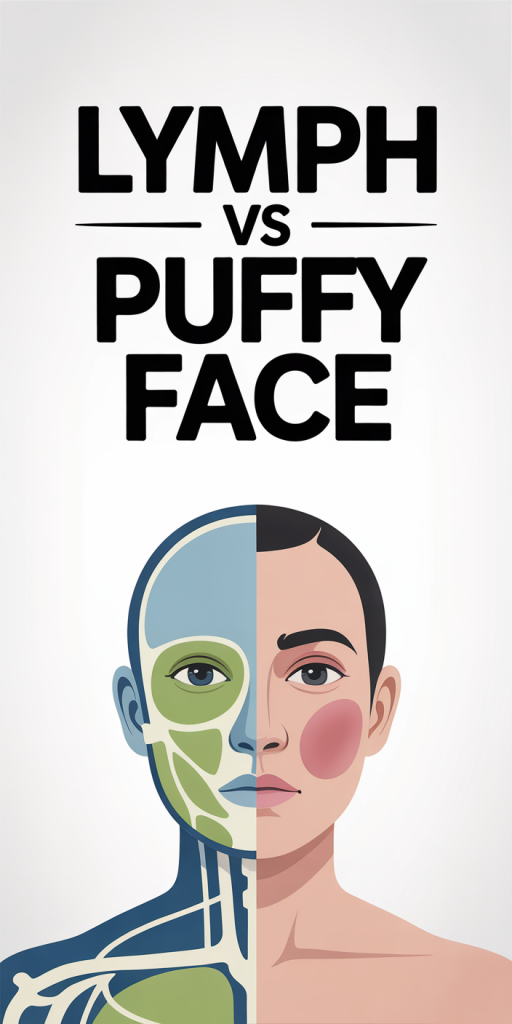
When we say “lymphatic swelling” we mean edema that results from impaired lymphatic drainage, fluid, proteins, and sometimes immune cells accumulating in the tissues because the lymphatic system can’t move them away efficiently. Lymphatic swelling often has distinct features: it can be firm or spongy, may pit less than simple fluid edema, and sometimes progresses over time if the underlying issue isn’t addressed. In contrast, a “puffy face” is a looser, often transient swelling that usually reflects temporary fluid retention, inflammation, or vascular causes rather than a primary lymphatic problem.
Why the distinction matters: lymphatic swelling can indicate chronic conditions (like lymphedema after surgery, congenital lymphatic malformation, or chronic inflammatory disease) and may need targeted therapy such as manual lymphatic drainage, compression, or specialist referral. Puffy face from sleep, high-salt meals, alcohol, or allergies is usually self-limited and responsive to lifestyle measures or short-term medical therapy.
We should also note overlap, some causes can involve both lymphatic and non-lymphatic mechanisms. For example, allergic inflammation increases vascular permeability (causing immediate puffiness) and can secondarily overwhelm lymphatic clearance, turning a simple puff into lasting lymphatic congestion. So we recommend thinking in terms of mechanism (lymphatic transport vs vascular/permeability/retention) rather than binary labels.
Key takeaways in brief:
- Time course: lymphatic swelling often builds or persists: puffy face tends to fluctuate.
- Texture and response to pressure: lymphatic swelling may feel firmer and behave differently under pressure than simple fluid retention.
- Associated signs: skin changes, asymmetric swelling, or recurrent pattern point toward lymphatic involvement and need closer evaluation.
How To Tell Them Apart: Signs, Timing, and Location
We can often differentiate lymphatic swelling from puffy face by asking targeted questions and doing a few simple checks.
Signs to inspect and feel
- Symmetry: Puffy face from salt, alcohol, or sleep is usually symmetric across both sides. Lymphatic swelling may be asymmetric, one cheek, eyelid, or neck more affected.
- Texture: Press gently with a fingertip for 5–10 seconds. With simple fluid retention (transient puffiness), the area often pits slightly and rebounds quickly. Lymphatic swelling may be less pitting, feel doughy or “spongy,” and rebound more slowly. In later stages of chronic lymphedema, skin can become thickened.
- Skin changes: Redness, warmth, or a rash suggests inflammatory or infectious causes (allergy, cellulitis) rather than pure lymphatic failure. Fibrosis, hyperkeratosis, or peau d’orange texture suggests chronic lymphatic dysfunction.
- Mobility and sensation: If swelling limits range of motion (jaw opening, neck turning) or is accompanied by numbness or tingling, that suggests more than simple overnight puffiness.
Timing and triggers
- Onset: Puffy face from sleep or a high-sodium meal typically appears within hours and resolves the next day. Allergic swelling (angioedema) appears rapidly, minutes to hours. Lymphatic swelling may develop gradually over days to weeks, or persist and slowly worsen.
- Variation: If swelling follows a clear trigger (salt, alcohol, sleep posture), it’s probably transient. If it accumulates over time, recurs in the same location, or worsens even though lifestyle adjustments, think lymphatic causes.
Location clues
- Periocular area: Eyelid puffiness is extremely common with sleep, allergies, or renal/thyroid issues. The eyelids have very compliant tissue and show fluid shifts readily. Lymphatic eyelid swelling can occur but often accompanies other facial asymmetry.
- Cheeks, jawline, and neck: Lymphatic congestion, especially after head/neck surgery, radiation, or infection, can localize to one side of the face, the submandibular area, or along the neck.
- Diffuse facial swelling: Systemic causes (kidney disease, thyroid disease, medication side effects, angioedema) produce more generalized puffiness and should prompt medical evaluation.
Practical at-home checklist (quick):
- Note onset and any recent triggers (salt, alcohol, new meds, insect bite).
- Compare both sides of the face in a mirror and photograph daily to track patterns.
- Press gently to assess pitting and rebound.
- Check for accompanying symptoms: fever, pain, itching, breathing difficulty.
Using these cues together gives us a reliable initial sense of whether we’re dealing with a lymphatic issue or a transient puffy face, and whether immediate medical attention is needed.
Causes Of Facial Swelling: Lymphatic And Non‑Lymphatic (Overview)
Facial swelling arises from multiple mechanisms: increased fluid leakage from blood vessels, decreased lymphatic drainage, inflammatory swelling, or a mix of these. Below we separate causes into lymphatic-specific and non-lymphatic groups to help us think clinically and choose the right approach.
We should remember that more than one mechanism can operate at once. For example, infection can inflame blood vessels and lymphatics: surgery can damage lymphatic channels and trigger local inflammation: allergic reactions increase permeability and can overwhelm lymphatic clearance. Distinguishing primary from secondary lymphatic issues helps guide treatment and expectations.
Lymphatic‑Specific Causes
Lymphatic causes directly impair lymph transport or structure. Key examples:
- Secondary lymphedema after surgery or radiation: Procedures for head, neck, or facial cancers can remove or scar lymph nodes and vessels, producing chronic, often unilateral swelling. Radiation fibrosis further impairs flow.
- Traumatic injury or infection damaging lymphatics: Deep infections, cellulitis, or penetrating trauma can disrupt channels and lead to persistent congestion.
- Primary (congenital) lymphatic disorders: Some people have hypoplastic or malformed lymphatic channels that become symptomatic in adolescence or adulthood when challenged by weight gain, surgery, or infection.
- Lymphatic filariasis (rare in many regions) and other parasitic causes: In endemic areas these infections can cause characteristic lymphatic obstruction and swelling.
- Chronic inflammatory diseases: Conditions like autoimmune disorders may cause lymphatic dysfunction either directly or via recurrent inflammation and scarring.
Clinical clues favoring lymphatic causes:
- Unilateral or localized swelling that recurs or persists.
- History of head/neck surgery, radiation, or significant infection.
- Non-pitting or minimally pitting edema that feels fibrotic with time.
Treatment for lymphatic-specific causes focuses on restoring or assisting drainage (manual lymphatic drainage, compression where feasible, decongestive therapy) and addressing the primary cause where possible (infection control, surgical revision in select cases). Early referral to a lymphedema therapist improves outcomes.
Non‑Lymphatic Causes
Non-lymphatic facial swelling covers a broad range of vascular, renal, endocrine, allergic, and medication-related causes:
- Fluid retention from diet or lifestyle: High salt intake, excessive alcohol, poor sleep quality, and gravity (sleeping position) commonly cause morning puffiness.
- Allergic angioedema: Rapid swelling of deeper skin layers, often around the eyes and lips, triggered by exposures (food, drugs, insect stings). This can be life-threatening if the airway is involved.
- Medication-induced edema: Drugs such as corticosteroids, calcium channel blockers, some antidiabetics, and NSAIDs can cause facial swelling in susceptible individuals.
- Endocrine and systemic causes: Hypothyroidism, nephrotic syndrome, and heart failure can cause generalized facial and peripheral edema. These usually come with other systemic signs (fatigue, dyspnea, proteinuria).
- Infection and inflammation: Cellulitis produces tender, warm, red swelling that progresses quickly and requires antibiotics. Sinus infections can cause periorbital puffiness.
- Venous congestion: Superior vena cava syndrome or localized venous thrombosis may produce facial fullness and venous distention.
Clues that point to non-lymphatic causes include rapid onset, systemic symptoms (fever, breathlessness), clear triggers (new medication, allergen), and diffuse rather than localized swelling. Management ranges from removing the trigger and supportive care to urgent treatment for allergic reactions or systemic disease.
What To Do Now: At‑Home Checks, Immediate Remedies, And Red Flags
When facial swelling appears, we can take immediate, sensible steps while deciding whether to seek medical care.
At‑home checks (safe and fast)
- Rapid assessment: Are you breathing normally? Is there throat tightness, voice change, or difficulty swallowing? If yes, seek emergency care, airway compromise from angioedema can be fatal.
- Check for fever, intense pain, or rapidly spreading redness, these suggest infection and need prompt medical evaluation.
- Compare sides, photograph, and note timing/trigger.
- Review medications and recent exposures (new cosmetics, foods, insect bites, or dental procedures).
Immediate remedies for non-urgent swelling
- Cool compresses: For allergic or inflammatory puffiness, cool packs applied intermittently (10–15 minutes) reduce capillary leak and soothe tissues.
- Elevation: Keep the head elevated when resting or sleeping to encourage fluid redistribution. This simple tactic often reduces morning puffiness.
- Low-sodium and alcohol avoidance: Cut high-salt meals and alcohol for 24–48 hours to see if swelling abates.
- Over-the-counter antihistamines: For mild allergic swelling without airway symptoms, a nonsedating antihistamine can help. We suggest following label directions or consulting a pharmacist.
- Gentle lymphatic self-massage: Light, directed strokes toward lymph node basins (preauricular, submandibular, cervical) may help transient congestion. Keep pressure light, lymphatic vessels respond to very gentle movement.
When to seek urgent care (red flags)
- Any signs of airway compromise: difficulty breathing, hoarseness, throat tightness, or progressive lip/tongue swelling.
- High fever, severe pain, rapidly spreading redness, possible cellulitis or abscess.
- New neurologic signs (double vision, drooping), severe unilateral swelling that develops after facial trauma, or signs of sepsis.
- Persistent or recurrent swelling after initial home measures, especially with history of head/neck cancer treatment or surgery, these need specialist evaluation.
If the swelling is mild and likely related to lifestyle or a known trigger, the steps above often suffice. But if we see any red flags or the swelling persists more than a few days without improvement, we should get evaluated by a clinician.
Diagnosis, Treatment, And Prevention (Tests, Therapies, And Lifestyle)
Diagnosis: what clinicians look for
- History and physical exam: The clinician will assess onset, symmetry, associated symptoms, prior surgeries/radiation, and medication history, and will examine lymph node basins and skin.
- Basic labs and imaging: Depending on suspected cause, tests may include CBC (infection), thyroid function tests, renal panel, urinalysis (protein loss), and allergy testing. Ultrasound of the soft tissues and Doppler studies can evaluate for fluid collections or venous obstruction.
- Lymphatic imaging: If lymphatic dysfunction is suspected, specialized imaging, lymphoscintigraphy, MR lymphangiography, or near-infrared fluorescence lymphatic imaging, can map lymphatic flow and identify blockages.
Treatment strategies by cause
- Transient/puffiness: Lifestyle changes (salt/alcohol reduction, improved sleep, elevating the head) and short courses of antihistamines or anti-inflammatory measures usually work. Facial cooling and massage also help.
- Allergic angioedema: Immediate antihistamines and corticosteroids are common: epinephrine for airway involvement. Allergy referral for testing and avoidance planning reduces recurrence.
- Infection/cellulitis: Prompt antibiotics, sometimes drainage of abscesses, and close follow-up. Early treatment prevents lymphatic damage.
- Lymphatic swelling (lymphedema): Complete decongestive therapy (CDT) is the gold standard. CDT has two phases:
- Intensive decongestion: Manual lymphatic drainage (MLD) performed by certified therapists, skin care, multi-layer short-stretch bandaging, and targeted exercises to promote lymph flow.
- Maintenance: Daily self-care, compression (where appropriate for the face, specialized garments or gentle taping), continued exercises, and periodic therapy sessions.
- Medical and procedural options: For refractory cases, interventions such as liposuction for chronic fibrotic lymphedema, lymphaticovenous anastomosis (microsurgical bypass), or vascularized lymph node transfer can be considered at specialized centers.
Medications and adjuncts
- Diuretics are generally not effective for lymphatic edema and are reserved for systemic fluid-overload states (heart, kidney disease).
- Low-level laser therapy, pneumatic compression devices, and kinesio-taping have variable evidence but can be useful adjuncts for some people when used with CDT.
Prevention and lifestyle measures
- Protect skin and treat infections promptly: Breaks in skin invite infection that can worsen lymphatic function. Good hygiene and early antibiotic treatment for bacterial infections are preventive.
- Avoidance of triggers: If medications or allergens are identified, work with your clinician to change therapy or institute avoidance strategies.
- Maintain healthy weight and activity: Excess adiposity can worsen lymphatic load: regular movement and neck/face-specific exercises aid lymph flow.
- Sleep and elevation: Sleeping with the head elevated and improving sleep quality reduces morning puffiness.
- Regular follow-up: For people with prior head/neck surgery or radiation, proactive monitoring and early therapy at the first sign of swelling preserve lymphatic function.
We recommend building a personalized prevention plan with a clinician or lymphedema therapist if swelling is recurrent or linked to prior cancer treatment. Early intervention prevents progression and improves quality of life.
Conclusion
Distinguishing lymph vs puffy face is often straightforward when we consider timing, texture, symmetry, and triggers. Temporary puffiness responds to simple measures, salt reduction, elevation, cool compresses, and antihistamines when allergy is suspected, whereas lymphatic swelling typically requires targeted therapy like manual lymphatic drainage, compression, and specialist input. We should always treat red flags (airway symptoms, high fever, rapidly spreading redness) as urgent. Finally, prevention, skin care, weight management, avoiding known triggers, and early therapy after surgery or infection, keeps recurrence to a minimum. If swelling persists or recurs in the same location, let’s get evaluated: early diagnosis and the right therapy make a big difference.

![The 8 Habits Keeping Your Fat Cells Turned [ON] And How to Turn Them [OFF]](https://upgradedhealth.net/wp-content/uploads/2016/06/fwfl-blog-fat-cells-on-1-768x413.jpg)