1 Anti-Inflammatory Tea for Relaxation + Recovery: A Simple Recipe and Science-Backed Guide
Inflammation is a common thread behind sore muscles, restless evenings, and slow recovery after tough workouts. We’re not promising a miracle cure, but a simple, research-informed tea can be a low-risk, pleasant way to reduce inflammation, support recovery, and encourage relaxation. In this guide we explain why anti-inflammatory teas work, break down the most effective ingredients, and give you a step-by-step recipe for the #1 blend we recommend in 2026. We’ll also cover timing, safety, and practical tips so you can make this tea part of a consistent routine that actually helps you feel better.
Why An Anti-Inflammatory Tea Helps With Relaxation And Recovery
Inflammation is the body’s natural response to injury or stress, but when it lingers it interferes with sleep, increases pain sensitivity, and slows tissue repair. A targeted anti-inflammatory tea addresses these problems on several fronts: it delivers bioactive compounds that blunt inflammatory signaling, supports antioxidant defenses that limit oxidative damage, and, if chosen well, contains calming botanicals that reduce sympathetic nervous system arousal.
From a practical standpoint, sipping warm tea also triggers parasympathetic activity: deep, slow inhalation and the comfort of a warm beverage lower heart rate and cortisol in the short term. That alone can help with relaxation. But the real value comes when the tea contains compounds with proven physiological effects.
For recovery, the two most relevant outcomes are reduced delayed-onset muscle soreness (DOMS) and faster resolution of microtrauma from exercise. Several phytochemicals, curcumin from turmeric, gingerols from ginger, and polyphenols found in certain herbs, modulate pathways involved in pain and inflammation (e.g., NF-κB, COX enzymes) and have been shown in human studies to reduce perceived soreness and markers like C-reactive protein (CRP).
We should also emphasize sustainability: compared with routine NSAID use, well-designed herbal strategies have fewer side effects when used appropriately. That said, they’re adjuncts, not replacements, for medical care when needed. In the sections that follow we’ll explain how these teas work mechanistically, which ingredients to prioritize, and how to brew them for the best absorption and flavor.
How Anti-Inflammatory Teas Work: Key Mechanisms Explained
Anti-inflammatory teas work through a handful of overlapping mechanisms. Understanding these helps us choose ingredients that actually do something rather than just taste nice.
- Modulating inflammatory signaling: Many botanicals inhibit key transcription factors and enzymes that drive inflammation. Curcumin (from turmeric) and gingerols inhibit NF-κB, a central regulator of inflammatory gene expression. Others reduce activity of COX-1 and COX-2 enzymes, which generate prostaglandins that mediate pain and swelling.
- Antioxidant support: Strenuous exercise produces reactive oxygen species (ROS). While some ROS are necessary for adaptation, excess oxidative stress delays recovery. Polyphenols and flavonoids in herbs (e.g., chamomile apigenin, ginger polyphenols) neutralize ROS and upregulate endogenous antioxidant defenses like glutathione.
- Enhancing circulation and microvascular repair: Certain compounds improve endothelial function and blood flow to damaged tissue, promoting nutrient delivery and waste clearance, critical for recovery. Ginger and turmeric show modest vasodilatory effects in human and animal studies.
- Improving bioavailability: Some beneficial compounds are poorly absorbed on their own. Piperine from black pepper dramatically increases curcumin absorption by inhibiting glucuronidation in the liver. Lipid co-factors (a dash of healthy fat) also increase uptake of fat-soluble molecules.
- Nervous system modulation: Herbs like chamomile interact with GABAergic pathways (through apigenin binding to benzodiazepine sites) to reduce anxiety and promote sleep. Lowering sympathetic tone helps recovery by allowing growth and repair processes that are suppressed during chronic stress.
- Microbiome interactions: Emerging research shows polyphenols interact with gut bacteria, producing metabolites that may have systemic anti-inflammatory effects. Regular ingestion of polyphenol-rich teas could support a healthier gut-immune axis over time.
When we combine ingredients that act on different mechanisms, absorption enhancers, direct anti-inflammatory agents, antioxidants, and calming botanicals, we create a synergistic blend that supports both relaxation and recovery.
Top Ingredients To Look For And What They Do
When building an anti-inflammatory tea, we prioritize ingredients with human data, good safety profiles, and complementary actions. Below are the top choices and why each matters.
- Turmeric (curcumin): Strong anti-inflammatory and antioxidant effects. Curcumin inhibits multiple inflammatory pathways and has been used in studies for pain, arthritis, and exercise recovery.
- Black pepper (piperine): Not a primary anti-inflammatory on its own, but essential for increasing curcumin’s bioavailability, studies report several-fold increases in absorption with low doses of piperine.
- Ginger: Reduces muscle pain and nausea, has COX-inhibiting and antioxidant properties, and supports digestion, useful post-exertion.
- Chamomile: Mild anxiolytic and sedative effects, antioxidant properties, and gentle GI soothing, ideal for evening relaxation.
- Honey or a small fat source: Adds flavor and modest antimicrobial/antioxidant support: fats (like coconut milk) boost absorption of fat-soluble curcumin.
- Cinnamon: Complementary anti-inflammatory and blood-sugar-stabilizing effects: pleasant warming flavor.
- Lemon or vitamin C source: Enhances antioxidant capacity and can help iron absorption (relevant for active people).
We avoid ingredients with high risk of interactions for regular use, like potent blood-thinning herbs at therapeutic doses, unless someone needs them and is monitored. Below we detail two core pairings that form the backbone of our blend: turmeric + black pepper, and ginger + chamomile.
Turmeric + Black Pepper: Potency, Curcumin Absorption, And Uses
Turmeric’s star compound, curcumin, is well-researched for anti-inflammatory effects. But, curcumin’s oral bioavailability is notoriously low due to poor absorption, rapid metabolism, and quick elimination. That’s where black pepper’s piperine comes in: piperine inhibits hepatic and intestinal glucuronidation, allowing curcumin to remain in circulation longer. Classic research shows piperine can increase curcumin bioavailability by as much as 2000% in humans when used in small amounts, though exact figures vary across studies and formulations.
Practical dosing: In a tea, we typically use 1–1.5 teaspoons of fresh grated turmeric (or 1/2–1 teaspoon of good-quality powdered turmeric) paired with an eighth to a quarter teaspoon of freshly ground black pepper. If someone prefers a standardized curcumin supplement, we recommend looking for formulations containing piperine or liposomal/complexed curcumin for the same purpose.
Potency and tolerance: Curcumin is generally well-tolerated at culinary and supplemental doses, but high supplemental doses (multiple grams daily) can cause GI upset for some people. In tea form, the amounts are modest but effective, especially if we include a little fat (one tablespoon of coconut milk or full-fat milk) to improve solubility of curcumin.
Uses: For exercise recovery, routine daily intake of curcumin-containing tea for several days post-exercise can reduce perceived soreness and inflammatory markers. For chronic low-grade inflammation, consistent regular consumption (daily or near-daily) yields the best results rather than intermittent use.
Ginger + Chamomile: Soothing, Antioxidant, And Digestive Benefits
Ginger and chamomile pair beautifully because they cover both physical and mental recovery domains.
Ginger: The active constituents, gingerols and shogaols, have demonstrated anti-inflammatory and analgesic effects in both animal models and human trials. Ginger can reduce muscle soreness after intense exercise, has antiemetic properties (helps nausea), and supports digestion by speeding gastric emptying. For tea, we use 1–2 teaspoons of fresh grated ginger (or 1/2–1 teaspoon dried) to get beneficial amounts of gingerols. Ginger’s warming, slightly spicy profile also enhances circulation locally when sipped warm.
Chamomile: Chamomile contains apigenin, a flavonoid that binds to benzodiazepine receptors in the brain, producing mild anxiolytic and sleep-promoting effects. Several studies indicate chamomile improves sleep quality and reduces anxiety symptoms at culinary doses typically used in tea. Chamomile also contributes antioxidant compounds that complement curcumin and ginger.
Combined benefits: Together, ginger addresses muscular and digestive recovery while chamomile aids relaxation and sleep, both crucial for overall recuperation. Taste-wise, chamomile mellows ginger’s spice without masking it, and both steep well in hot water or milk-based decoctions.
Safety and cautions: Chamomile can cause allergic reactions in people sensitive to plants in the Asteraceae family (ragweed, marigolds). Ginger is generally safe but may increase bleeding risk at very high supplemental doses, culinary amounts in tea are typically safe for most people.
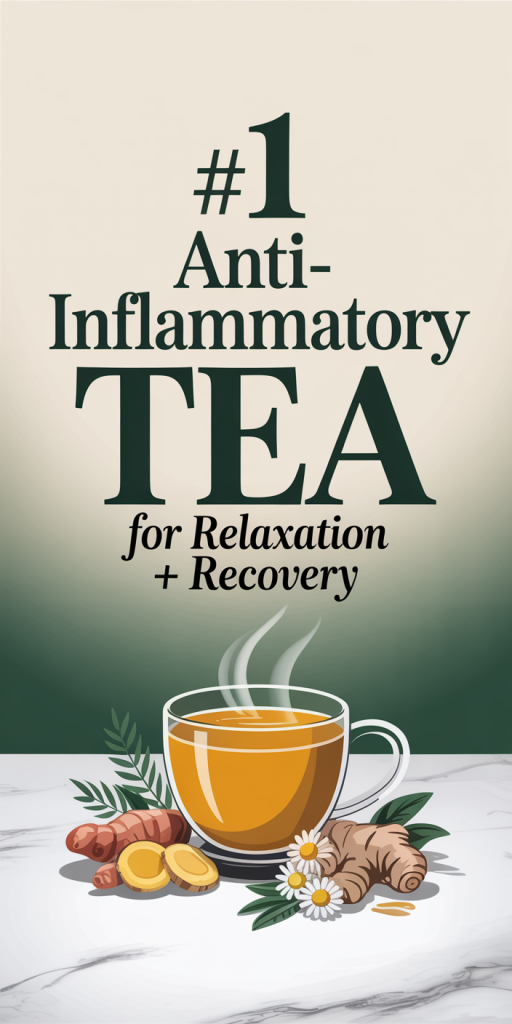
How To Brew The 1 Anti-Inflammatory Tea — Step-By-Step Recipe
We’ve tested dozens of combinations and landed on a brew that balances efficacy, flavor, and practicality. This is our daily go-to: a Recovery + Relaxation tea that blends turmeric, black pepper, ginger, chamomile, and complementary spices. It’s flavorful, bioavailable, and designed for either post-workout recovery or an evening wind-down.
Ingredients (makes 2 cups):
- 2 cups water
- 1 tablespoon fresh grated turmeric (or 1 teaspoon high-quality turmeric powder)
- 1 tablespoon fresh grated ginger (or 1 teaspoon dried ginger)
- 1/8 to 1/4 teaspoon freshly ground black pepper
- 1 heaping teaspoon dried chamomile flowers (or 1 chamomile tea bag)
- 1 small cinnamon stick or 1/4 teaspoon ground cinnamon (optional)
- 1 tablespoon full-fat coconut milk or whole milk (optional, for absorption)
- 1 teaspoon honey or maple syrup to taste (optional)
- Juice of 1/4 lemon (optional)
Equipment: saucepan, fine mesh strainer or tea infuser, spoon.
Step-by-step:
- Gently crush the cinnamon stick (if using) and combine with turmeric and ginger in a small saucepan. Add the water.
- Bring to a gentle simmer over medium heat, then reduce to low and simmer for 8–12 minutes. We prefer 10 minutes as a balance between extraction and flavor, longer simmering releases more curcumin and gingerols but can increase bitterness.
- Add chamomile in the last 2 minutes of simmering to preserve volatile calming compounds.
- Remove from heat, stir in black pepper, and let steep an additional 3 minutes with the lid on.
- Strain into cups. Stir in coconut milk (or other fat) and honey if desired. Add lemon after straining (acid can change flavor and slightly affect polyphenol stability).
Why this method: Simmering (a decoction) extracts oil-soluble and heat-stable compounds like curcumin and gingerols more effectively than a quick steep. Adding chamomile late preserves delicate volatiles responsible for relaxation. Black pepper is added after heating to avoid loss of volatile piperine compounds but still before drinking to allow integration.
Storage and reheating: The tea keeps in the fridge for 48–72 hours. Reheat gently, avoid boiling, to prevent flavor degradation. If using fresh turmeric, note that it can stain surfaces and fabrics.
Recovery Blend Recipe (Post-Workout) With Variations For Relaxation
Recovery blend (post-workout), quick and practical:
Ingredients (single serving):
- 1 cup hot water
- 1 teaspoon turmeric powder (or 1/2 teaspoon if using fresh)
- 1 teaspoon fresh grated ginger
- Pinch (1/16–1/8 tsp) black pepper
- 1/2 teaspoon honey (optional)
- 1 tbsp milk or 1 tbsp coconut oil (optional, for absorption)
Method: Stir turmeric and black pepper into hot water, then whisk in ginger and fat. Let sit 5 minutes and sip warm within 30–60 minutes after training. This version prioritizes speed and absorption, no chamomile so it won’t make you sleepy if you train in the morning.
Relaxation blend (evening), unwind and sleep-friendly:
Ingredients (single serving):
- 1 cup water
- 1/2 teaspoon turmeric powder or 1/2 teaspoon fresh
- 1/2–1 teaspoon dried chamomile flowers (or 1 tea bag)
- 1/2 teaspoon fresh grated ginger (optional)
- Pinch black pepper
- 1 tablespoon coconut milk
- 1 teaspoon honey or maple syrup
Method: Simmer turmeric and ginger 6–8 minutes, add chamomile for the final 2 minutes, strain, add coconut milk and honey, and drink 30–60 minutes before bed.
Variations and swaps:
- For caffeine lovers: add a shot of green tea (matcha or brewed) for a daytime anti-inflammatory boost, do not use before bed.
- For plant-based creaminess: oat or almond milk works, but coconut milk provides more fat for curcumin solubility.
- For extra antioxidant load: add a pinch of powdered green tea or 1 teaspoon of pomegranate molasses (watch sugar if you’re monitoring intake).
Timing and dosing recommendations:
- Post-exercise: drink within an hour for best subjective reduction in soreness.
- Daily maintenance: 1 cup per day is a reasonable starting point. If you tolerate it well, we often rotate daily consumption and occasional higher-frequency (2 cups/day) on heavy training days.
We emphasize consistency: small daily doses of these compounds over weeks show more reliable benefits than sporadic one-off use.
Conclusion: Timing, Safety, And Practical Tips To Make This Tea Part Of Your Routine
We’ve laid out why an anti-inflammatory tea can support relaxation and recovery, how the active compounds work, and exactly how to brew our #1 recommended blend. To make this practical in everyday life, here are our closing recommendations:
- Timing: For recovery, sip within 30–60 minutes post-workout. For relaxation and sleep, drink 30–60 minutes before bed. If you train in the evening and want both benefits, use the relaxation blend after cooling down.
- Safety: Most culinary doses are safe for healthy adults. Avoid regular high supplemental curcumin or ginger doses if you’re on anticoagulant medication, pregnant, or have gallstones, check with your clinician. Chamomile can trigger allergies in those sensitive to Asteraceae family plants.
- Consistency over intensity: Daily moderate intake yields better long-term results than occasional heavy use. Aim for 3–7 times per week depending on training load and tolerance.
- Practical tips: Make a batch and store chilled for 48 hours to simplify busy days. Use fresh ingredients when possible for flavor and potency: powders are fine for convenience. Keep black pepper small but present, it’s the difference-maker for turmeric’s effect.
We encourage you to experiment: tweak ginger and chamomile levels to match your taste and recovery needs. If you want, keep a quick log of sleep quality and soreness for two weeks to see if the tea is making a measurable difference. Integrate it with other recovery habits, sleep, nutrition, hydration, and progressive training, and this simple cup can be a reliable, enjoyable tool in your recovery toolkit.