The 1 Anti-Inflammatory Ingredient You’re Missing: Why Curcumin (Turmeric’s Active Compound) Should Be In Your Routine
Inflammation sits at the root of many chronic conditions we worry about, joint pain, heart disease, cognitive decline, and even stubborn skin problems. Yet most of us reach first for quick fixes: ibuprofen for pain, a trendy cream for redness, or a restrictive diet. What we often skip is a simple, well-studied botanical compound that targets inflammation at a molecular level: curcumin, the active polyphenol in turmeric. In 2026, with better formulations and more robust clinical data than ever before, curcumin deserves a place in our preventive and therapeutic toolkit. In this text we’ll explain why curcumin so often gets overlooked, how it works, what the evidence really shows across body systems, and practical guidance on how to use it safely and effectively.
The Ingredient And Why It Often Gets Overlooked
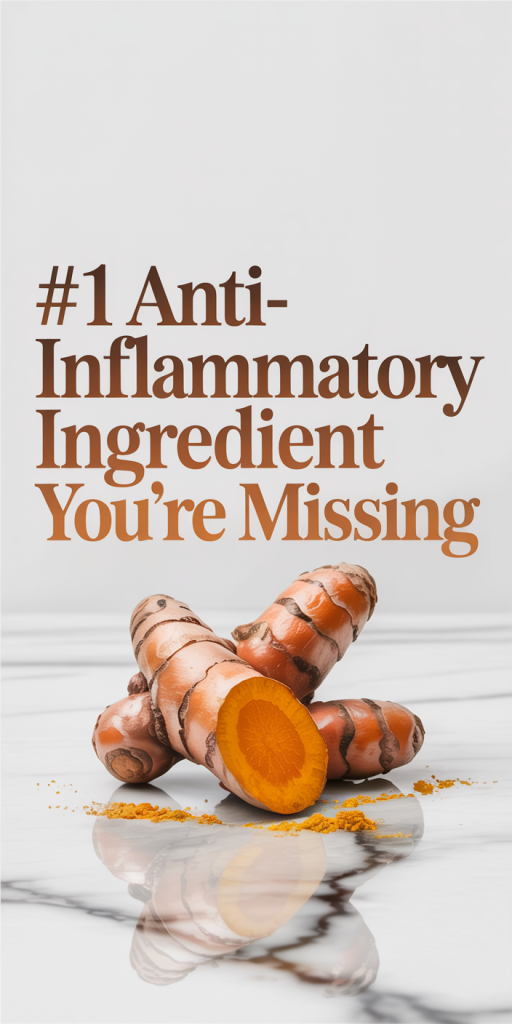
Curcumin is the bright-yellow polyphenol that gives turmeric its color and much of its culinary fame. Even though turmeric’s centuries-old use in traditional medicine, curcumin as a concentrated anti-inflammatory agent is frequently undervalued for several reasons. First, there’s confusion between turmeric spice and curcumin extract. A teaspoon of turmeric powder contains only a few milligrams of curcumin, far below therapeutic levels used in trials, so relying on curry alone won’t replicate clinical effects.
Second, early research used crude extracts or poorly absorbed preparations, leading to inconsistent results and skepticism among clinicians. The result: many health professionals and consumers assume turmeric “doesn’t work.” Third, curcumin’s chemistry is tricky, it’s lipophilic and unstable in fluids, so plain powder has low systemic exposure. That reality historically limited its perceived usefulness.
Finally, the supplement market is noisy. Low-dose products, vague labeling, and exaggerated marketing claims have made some people wary. We don’t blame them. But when used in evidence-based doses and modern formulations designed to improve absorption, curcumin consistently shows anti-inflammatory activity that’s relevant for common chronic conditions. Recognizing the difference between culinary turmeric and therapeutic curcumin is the first step toward leveraging its benefits.
How Curcumin Works To Reduce Inflammation
Curcumin’s anti-inflammatory effects are broad and multi-targeted. Rather than acting like a single-target drug, curcumin modulates multiple signaling pathways and molecular actors that drive inflammation. That multi-pronged action helps explain why it’s been studied across joints, cardiovascular disease, neurodegeneration, and skin disorders.
Molecular Mechanisms: From Cytokines To Pathways
At a molecular level, curcumin downregulates pro-inflammatory cytokines such as tumor necrosis factor-alpha (TNF-α), interleukin-1 (IL-1), and interleukin-6 (IL-6). It inhibits master regulators of inflammation including the transcription factor NF-κB, which controls the expression of many inflammatory genes. Curcumin also suppresses enzymes involved in the inflammatory cascade, cyclooxygenase-2 (COX-2) and inducible nitric oxide synthase (iNOS), and reduces the activity of matrix metalloproteinases (MMPs) that degrade connective tissue.
Beyond suppression, curcumin activates protective pathways. It can stimulate the Nrf2 antioxidant response, enhancing cellular defenses against oxidative stress, and modulate AMP-activated protein kinase (AMPK), which affects energy balance and inflammation. This dual action, dampening destructive signals while boosting protective responses, gives curcumin a unique profile compared with single-mechanism drugs.
Bioavailability And Why Plain Turmeric Isn’t Enough
Curcumin’s Achilles’ heel is bioavailability. When taken as plain turmeric or unformulated extract, curcumin is poorly absorbed, rapidly metabolized in the liver and gut, and quickly excreted. That’s why culinary use, while beneficial for flavor and modest antioxidant support, rarely delivers therapeutic blood levels.
Fortunately, modern delivery strategies overcome this limitation. Combining curcumin with piperine (black pepper extract) can increase absorption dramatically, sometimes by 20-fold, by inhibiting certain metabolic enzymes. Specialized formulations such as phytosomes (complexes of curcumin with phospholipids), nanoparticle or micellar systems, liposomal curcumin, and proprietary extracts like curcumin–phosphatidylcholine complexes improve solubility and cellular uptake. Selecting a product with proven pharmacokinetic data matters: a labeled dose of a highly bioavailable formulation will produce far greater systemic exposure than an equal dose of plain curcumin powder.
Evidence-Based Benefits Of Curcumin
Over the last decade, the volume and quality of clinical research on curcumin have increased substantially. Systematic reviews and meta-analyses now support modest but consistent benefits across several domains. We’ll review the most relevant clinical areas, joints, heart, brain, and skin, and then discuss the strengths and limits of the research.
Clinical Results For Joints, Heart, Brain, And Skin
Joints: The strongest clinical signal is in osteoarthritis and musculoskeletal pain. Multiple randomized controlled trials and meta-analyses show curcumin reduces pain and improves function, often with effect sizes comparable to nonsteroidal anti-inflammatory drugs (NSAIDs) in the short term and with fewer gastrointestinal side effects. Studies typically use standardized, bioavailable extracts at doses providing several hundred milligrams to a few grams of curcuminoids daily.
Heart: Curcumin appears to benefit cardiovascular risk factors by lowering markers of inflammation (like C-reactive protein), improving endothelial function, and reducing LDL oxidation in some studies. While curcumin is not a replacement for statins or blood-pressure therapy, it may serve as an adjunct for reducing low-grade vascular inflammation and improving endothelial health.
Brain: Preclinical studies highlighted curcumin’s neuroprotective effects, reducing amyloid aggregation, lowering neuroinflammation, and promoting synaptic plasticity. Human trials are mixed but encouraging: some small trials report improved memory and mood in older adults or people with mild cognitive impairment, while larger, longer trials are still needed to confirm disease-modifying effects in Alzheimer’s disease.
Skin: Curcumin’s topical and oral use shows promise for inflammatory skin disorders like psoriasis, acne, and atopic dermatitis. Studies demonstrate reduced lesion counts, decreased inflammatory markers, and faster wound healing with topical or systemic administration in controlled settings.
What The Research Says, Strengths And Limitations Of Studies
Strengths: Many trials are randomized, double-blind, and placebo-controlled, and meta-analyses aggregate consistent pain or inflammatory marker reductions. Improved formulations have resulted in clearer clinical signals compared with older studies.
Limitations: Heterogeneity is real, different curcumin preparations, doses, and study durations make pooling data tricky. Some trials are small, short-term, or industry-funded, which can bias outcomes. Long-term safety and disease-modifying effects (especially in neurodegeneration) require larger, longer randomized trials. Finally, because curcumin affects multiple pathways, isolating mechanisms tied to clinical outcomes remains an active research area. Even though these caveats, the balance of evidence supports curcumin as a useful adjunct for several inflammation-linked conditions when we choose the right dose and formulation.
How To Get Enough Curcumin: Food, Formulations, And Timing
If we want clinically meaningful levels of curcumin, we need a realistic plan. Below are practical ways to get effective exposure through diet, supplements, and timing strategies.
Food: Culinary turmeric is worth keeping in the kitchen, it provides antioxidant phytonutrients, flavor, and mild anti-inflammatory support. Adding black pepper and a healthy fat (olive oil, coconut oil) to turmeric dishes improves curcumin absorption slightly. But, even frequent culinary use rarely reaches therapeutic curcumin blood levels, so food alone is usually insufficient for treating established inflammation.
Formulations: For therapeutic effects, choose a supplement designed for bioavailability. Options include:
- Curcumin + piperine (black pepper), increases absorption by inhibiting metabolism: popular and effective for many people.
- Phytosome/phosphatidylcholine complexes, curcumin bound to phospholipids (e.g., Meriva-style products) that enhance cellular uptake.
- Micellar or nanoparticle formulations, improve solubility and plasma levels.
- Liposomal curcumin, encapsulated in lipid vesicles for better delivery.
When selecting a product, look for third-party testing, standardized curcuminoid content, and published pharmacokinetic data if available. Avoid supplements that list only “turmeric root powder” without specifying curcuminoid concentration if your goal is therapeutic dosing.
Timing and dosing strategy: Curcumin is best taken with meals containing some fat to enhance absorption, and, if the product contains piperine, taken at least a few hours apart from medications where interactions are a concern (see safety below). For acute pain or flare-ups, clinicians often use a loading approach (higher short-term dose under supervision) then taper to a maintenance dose. Maintenance dosing commonly ranges from 500 mg to 1,500 mg of enhanced-bioavailability curcuminoids per day, depending on the formulation and indication. Always follow label directions or medical advice for specific dosing.
Safety, Dosage Guidelines, And Important Interactions
Curcumin has a generally favorable safety profile when used in appropriate doses and quality products. Still, it interacts with physiology and medications in ways we need to respect.
Safety and adverse effects: Typical adverse effects are mild and dose-related, gastrointestinal symptoms like bloating, nausea, or mild diarrhea. Rare cases of elevated liver enzymes or hepatotoxicity have been reported, particularly with very high doses or multi-ingredient supplements: monitoring is prudent when using therapeutic doses long-term. People with gallstones or bile duct obstruction should be cautious because curcumin can stimulate bile secretion.
Dosage guidelines: Dosing varies by formulation and clinical goal. General guidance:
- Culinary turmeric: grams of spice per day (useful for general culinary and mild antioxidant support).
- Standardized extract (with improved absorption): 500–1,500 mg curcuminoids daily for maintenance.
- Short-term therapeutic dosing: some protocols use 1,500–3,000 mg/day of enhanced-bioavailability curcumin for several weeks under medical supervision: long-term high-dose safety is less studied.
Always choose formulations with documented bioavailability, 500 mg of a well-absorbed curcumin can be more effective than 2,000 mg of a poorly absorbed extract.
Important interactions: Curcumin can interact with several drug classes and conditions:
- Anticoagulants/antiplatelet drugs (warfarin, aspirin, clopidogrel): curcumin may increase bleeding risk: consult your clinician before combining.
- Chemotherapy: curcumin’s effects on drug-metabolizing enzymes could influence chemotherapy pharmacokinetics: do not self-prescribe during active cancer treatment without oncologist approval.
- Statins and other drugs metabolized by CYP enzymes: curcumin and especially piperine-containing formulations may alter drug metabolism. While effects are usually modest, caution is warranted with narrow therapeutic index drugs.
- Pregnancy and breastfeeding: insufficient data for high-dose curcumin: we recommend avoiding therapeutic doses during pregnancy.
Monitoring and medical oversight: If we plan long-term therapeutic use, especially at higher doses, we should check baseline liver enzymes and coordinate with our healthcare provider to monitor for interactions and adverse effects. For most people using recommended doses of well-formulated curcumin, the intervention is safe and well tolerated.
Conclusion
Curcumin stands out in 2026 as a well-researched, multi-target anti-inflammatory agent that we should no longer overlook. When we distinguish culinary turmeric from therapeutic curcumin, choose evidence-backed, high-bioavailability formulations, and pay attention to dosing and interactions, curcumin can be a safe, effective adjunct for joint pain, cardiovascular inflammation, cognitive support, and certain skin conditions. It isn’t a magic bullet, and it shouldn’t replace standard medical care for serious diseases, but as part of a comprehensive, evidence-informed plan, curcumin is a valuable tool in our anti-inflammatory toolbox. If you’re considering starting curcumin at therapeutic doses, let’s talk to a clinician about the best formulation and dosing for your situation.