The Turmeric Trick For Women: The Essential Guide To Curcumin Benefits, Beauty, And Hormonal Balance
We’ve seen turmeric go from spice-rack curiosity to a staple in wellness conversations, but for women the interest isn’t just trendy, it’s practical. The Turmeric Trick For Women is about more than lattes and golden masks: it’s an evidence-informed look at how curcumin (the active compound in turmeric) can support inflammation control, hormonal balance, skin health, and quality of life across the reproductive span. In this guide we’ll translate the science into clear, usable advice, how curcumin works, what studies show for PMS and menopause, safe dosing, interactions to watch, and everyday ways to add turmeric to meals, supplements, and skincare routines. Whether you’re managing cramps, chasing clearer skin, or simply curious about natural strategies to support long-term health, we’ll give you the practical steps and pitfalls to watch so you can decide if the turmeric trick belongs in your toolkit.
Why Turmeric Is A Game-Changer For Women’s Health
Turmeric has a cultural history spanning millennia, but its modern relevance comes from curcumin, an anti-inflammatory, antioxidant polyphenol that interacts with multiple biological pathways. For women, chronic low-grade inflammation is at the root of many common complaints: painful periods, mood swings, acne, joint pain, and metabolic imbalances. Curcumin’s multi-target profile makes it especially interesting because it doesn’t act like a single-drug intervention: instead, it modulates inflammatory signaling, influences hormone-sensitive pathways, and supports immune resilience, areas where women often see disproportionate impact.
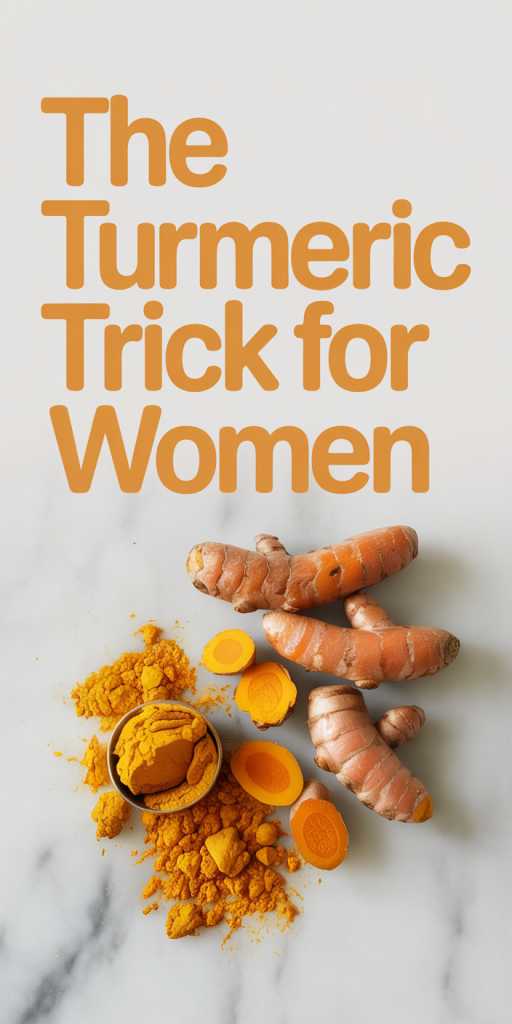
We should note that turmeric powder itself is only about 2–5% curcumin by weight. That’s why much of the research uses concentrated curcumin extracts or enhanced formulations designed for absorption. For practical purposes, that means choosing the right form matters.
Beyond biochemical effects, turmeric is accessible and generally well-tolerated, which helps with adherence. Women juggling work, family, and healthcare appreciate interventions that are safe, non-disruptive, and multi-benefit. When we think of a “game-changer,” we mean something that can be layered into daily life, through food, supplements, or topicals, to provide measurable improvements without large lifestyle upheavals. Turmeric fits that bill when used thoughtfully.
How Curcumin Works: Inflammation, Hormones, And Immunity
Curcumin influences several core mechanisms relevant to women’s health. First, it downregulates pro-inflammatory cytokines such as TNF-alpha, IL-6, and COX-2. This effect can lower the signaling that amplifies pain and swelling, which is why curcumin shows promise for menstrual cramping and inflammatory conditions.
Second, curcumin interacts with hormone-related pathways. It doesn’t replace hormones or act as a hormone in the classical sense, but it can modulate estrogen receptor activity and the enzymes involved in estrogen metabolism. That means it may subtly influence estrogenic balance, helpful for some women experiencing estrogen-dominant symptoms. We emphasize subtle: curcumin’s hormone effects are modulatory rather than dramatically altering endocrine function.
Third, curcumin supports immunity via antioxidant activity and by improving cellular stress responses. It activates Nrf2, a transcription factor that increases production of endogenous antioxidants like glutathione. A stronger antioxidant response translates to less oxidative damage to skin, blood vessels, and reproductive tissues, systems that matter for long-term health.
Bioavailability is a technical but critical part of “how it works.” Curcumin is poorly absorbed on its own. Piperine (black pepper extract), phospholipid complexes (e.g., phytosomes), or other delivery systems improve absorption dramatically. When we recommend curcumin, we look for formulations with proven enhanced bioavailability because otherwise much of the compound simply passes through the gut.
Evidence For Menstrual, PMS, And Menopause Support
Interest in curcumin for reproductive-cycle symptoms has grown because many studies report reductions in pain, mood symptoms, and some physiologic markers of inflammation. For dysmenorrhea (painful periods), randomized trials comparing curcumin or turmeric extracts to placebo or to standard pain meds have shown meaningful reductions in pain scores and decreased reliance on NSAIDs for some participants. The magnitude varies by dose and formulation, but the pattern is consistent: curcumin can reduce menstrual pain for many women.
For PMS, the evidence is emerging. Small clinical trials and pilot studies indicate improvements in mood-related symptoms, anxiety, irritability, and in somatic complaints like bloating. Many of these studies use standardized curcumin extracts combined with lifestyle interventions, which complicates attribution, but the biochemical rationale (reduced inflammation and modulation of neurotransmitter-related pathways) supports the observed effects.
Menopause presents different challenges: vasomotor symptoms, bone loss, mood changes, and skin aging. Curcumin may help here by reducing inflammation, supporting cardiovascular health, and offering mild estrogen-modulating effects. Some trials show improvements in markers like lipid profiles and inflammatory cytokines: others suggest benefits for bone turnover markers when combined with lifestyle changes. We should be cautious: curcumin is not a hormone replacement, its benefits are supportive rather than substitutive.
Across cycle-related conditions, the benefits depend heavily on dose, formulation, and duration. Short courses often help with acute pain, while longer daily use may be required for mood regulation or menopausal support.
Key Studies And What They Mean For You
A few trials are especially informative for practical decisions:
- Dysmenorrhea trials: Multiple randomized controlled trials using curcumin extracts (typically 500–1,000 mg of standardized extract daily for several days around menses) show statistically and clinically meaningful pain reductions compared with placebo and sometimes parity with NSAIDs for mild-to-moderate pain. Translation: if menstrual pain limits your daily function, a targeted curcumin regimen in the perimenstrual window can be worth trying.
- PMS mood studies: Small RCTs and open-label trials show decreases in anxiety and depressive symptoms with daily curcumin (usually 500–1,000 mg/day) over several weeks. These studies often pair curcumin with baseline counseling or nutritional guidance, so expect the best results when we treat curcumin as part of a broader self-care plan.
- Menopause and metabolic health: Trials reporting improved inflammatory markers, better lipid profiles, and supportive effects on bone turnover suggest curcumin can be an adjunct for metabolic and vascular risk reduction in postmenopausal women. Typical doses in these studies range from 500–1,500 mg/day of bioavailable curcumin over months.
- Skin and topical studies: Small studies and cosmetic trials using topical curcumin formulations or ingestible curcumin show improvements in acne, photoaging markers, and skin elasticity. While sample sizes are limited, these outcomes align with curcumin’s antioxidant and anti-inflammatory actions.
What does this mean for us? The clinical signal is promising but not universal. Curcumin looks most useful as a complementary strategy, often to reduce medication use, ease symptoms, or support skin health, rather than a sole therapy for major conditions. Always match dose and formulation to the goal: short, higher-dose windows for acute menstrual pain: sustained, bioavailable dosing for mood or menopausal benefits.
Benefits For Skin, Aging, And Natural Beauty
Curcumin’s antioxidant and anti-inflammatory properties make it attractive for skin and aging concerns. Internally, by reducing systemic inflammation and oxidative stress, curcumin can slow processes that contribute to skin aging, loss of elasticity, fine lines, and uneven tone. Externally, topical curcumin formulations can reduce inflammatory acne lesions and alleviate redness: they also have wound-healing properties that may improve texture over time.
We’ve seen three practical beauty benefits most consistently:
- Acne and inflammation: Curcumin reduces cytokines that fuel acne-related inflammation. Clinical and lab data suggest topical or oral curcumin can reduce lesion count and severity, particularly for inflammatory acne.
- Photoaging and pigmentation: Curcumin’s antioxidant effects and influence on melanogenesis can help even skin tone and protect against UV-induced damage when combined with sunscreen. It’s not a replacement for sun protection, but it’s a helpful adjunct.
- Hair and scalp health: By calming scalp inflammation and improving circulation, curcumin may help women experiencing inflammatory scalp conditions that contribute to shedding.
Aesthetically, turmeric’s bright color can stain fabrics and skin temporarily: formulations with stabilized curcumin or color-neutral extracts avoid this. When we recommend beauty use, we prefer tested topical formulations or internal supplements demonstrated in trials rather than DIY masks that can irritate sensitive skin or clash with other topical treatments.
Safety, Dosing, And Potential Interactions
Safety: Curcumin is generally safe for most healthy adults when used in common therapeutic ranges, but side effects can occur, most commonly mild gastrointestinal symptoms (bloating, nausea, diarrhea) and, rarely, increased gallbladder contractions which can exacerbate gallstones. Long-term high-dose use should be supervised by a clinician.
Dosing: Effective dosing depends on the goal and the formulation. For acute dysmenorrhea, many studies use 500–1,000 mg of standardized curcumin daily during the perimenstrual window. For chronic use, PMS mood stabilization, menopausal support, or systemic inflammation, a daily dose of 500–1,500 mg of bioavailable curcumin is common. Always choose formulations with validated bioavailability (piperine-enhanced, liposomal, phytosome) so the labeled dose reflects absorbed curcumin.
Interactions: Curcumin can interact with several medications and conditions. Important interactions include:
- Anticoagulants and antiplatelet drugs: Curcumin may increase bleeding risk when combined with blood thinners (warfarin, direct oral anticoagulants) or high-dose omega-3s. We recommend caution and medical oversight if you’re on these medications.
- CYP450 and drug metabolism: Curcumin can inhibit certain CYP enzymes in vitro: clinically relevant interactions are possible with drugs metabolized by these pathways (e.g., some statins, anticonvulsants). Check with a pharmacist or clinician if you’re on multiple prescription medicines.
- Iron absorption: High doses of curcumin may interfere with iron absorption. Women with iron-deficiency anemia should monitor levels if using curcumin daily.
Weigh risks and benefits: For many women, short-term, targeted use carries low risk. For chronic use or complex medical regimens, we recommend discussing curcumin with your healthcare provider.
Pregnancy, Breastfeeding, And Fertility Considerations
Pregnancy and breastfeeding require extra caution. Most clinical guidance advises avoiding high-dose curcumin supplements during pregnancy because curcumin can influence uterine contractility and theoretically affect implantation or early pregnancy processes. Dietary turmeric as a spice in normal food amounts is generally considered safe, but supplemental curcumin at therapeutic doses should be avoided unless a clinician recommends it.
For breastfeeding, data are limited. Curcumin’s presence in breast milk hasn’t been well-characterized, so prudence suggests avoiding high-dose supplements while nursing. Small culinary amounts are acceptable.
Fertility is a nuanced area. Some preclinical studies suggest curcumin can affect reproductive hormones or gamete function, but human data are sparse and inconsistent. For women trying to conceive, we typically recommend prioritizing a whole-food approach and discussing any supplement use with a fertility specialist. If curcumin is used, keeping doses low and relying on culinary turmeric rather than concentrated extracts is a conservative approach.
In short: culinary use is fine: therapeutic supplementation during pregnancy or breastfeeding is best avoided unless directed by a clinician. For fertility concerns, talk to your provider and err on the side of caution.
Practical Ways To Add Turmeric To Your Routine: Foods, Supplements, And Topicals
We like a multi-pronged approach: include culinary turmeric for daily exposure, consider a targeted supplement when evidence supports it for your goal, and use topical products for skin-specific concerns.
Foods: Add turmeric to soups, stews, rice, and roasted vegetables. Pair turmeric with black pepper (piperine) and a healthy fat (olive oil, coconut milk) to enhance absorption. Golden milk (turmeric + warm milk alternative + black pepper) is an easy nightly ritual that offers low-dose curcumin and relaxation benefits.
Supplements: Choose supplements that specify curcumin content and bioavailability strategies, piperine-enhanced formulations, curcumin phytosomes (Meriva-style), or liposomal curcumin. Start with the dose aligned to your goal: short, higher-dose courses (e.g., 500–1,000 mg/day) for menstrual pain: sustained, moderate doses (500–1,000 mg/day of bioavailable curcumin) for chronic inflammation or menopausal support. Look for third-party testing and clear ingredient lists.
Topicals: For acne or redness, seek dermatologic products containing stabilized curcumin extracts designed for skin. Avoid applying raw turmeric paste directly if you have sensitive skin, yellow staining and contact irritation are possible. We prefer products that balance curcumin with soothing ingredients like niacinamide or hyaluronic acid.
Timing and combination: Take curcumin with a meal containing fat to boost absorption. If using piperine-containing supplements, be mindful of drug interactions: piperine increases absorption of many medications. When layered with other anti-inflammatory strategies, diet, sleep, stress management, curcumin’s benefits tend to be more noticeable.
Simple Recipes And Daily Rituals To Get Started
We’ve found that small, repeatable rituals produce the best results. Here are three practical starters:
- Anti-Inflammatory Golden Smoothie (morning): Blend a cup of unsweetened yogurt or plant-based milk, one banana, 1/2 tsp ground turmeric, a pinch of black pepper, 1 tsp ground flaxseed, and a handful of spinach. We’re aiming for daily low-dose curcumin plus fiber and healthy fats to aid absorption.
- Perimenstrual Curcumin Protocol (targeted): For days -1 to +2 of your period, take a bioavailable curcumin supplement at 500 mg twice daily (or as directed on a standardized product) with meals. Combine with heat therapy (hot water bottle), gentle exercise, and magnesium supplementation if appropriate. Track symptom reduction over three cycles to evaluate effectiveness.
- Soothing Turmeric Face Mask (topical, occasional): Use a commercially prepared, dermatologist-tested turmeric mask to avoid staining. If you prefer DIY, mix 1 tsp turmeric powder with 2 tsp plain yogurt and a drop of honey, apply for 10 minutes, rinse gently, and always patch-test first. Use once weekly.
Daily rituals are more sustainable when integrated into existing habits, add turmeric to your morning coffee alternative, sprinkle it on roasted veggies for dinner, or take a supplement with your daily multivitamin. Keep a simple symptom diary for 2–3 months so you can see what’s changing and adjust accordingly.
Conclusion
The Turmeric Trick For Women isn’t a miracle cure, but it’s a versatile, low-risk strategy that can complement lifestyle and medical approaches to menstrual pain, mood symptoms, skin health, and age-related inflammation. We recommend starting with culinary turmeric and sensible topical products, then adding a well-formulated curcumin supplement for targeted needs, especially when studies show benefit, such as dysmenorrhea or chronic inflammation. Always choose bioavailable formulations, watch for interactions if you’re on medications, and consult a clinician for pregnancy, breastfeeding, or complex medical conditions. Used thoughtfully, curcumin can be a practical part of our wellness toolkit, helping us feel a little less inflamed, a bit more balanced, and more confident in our skin.