
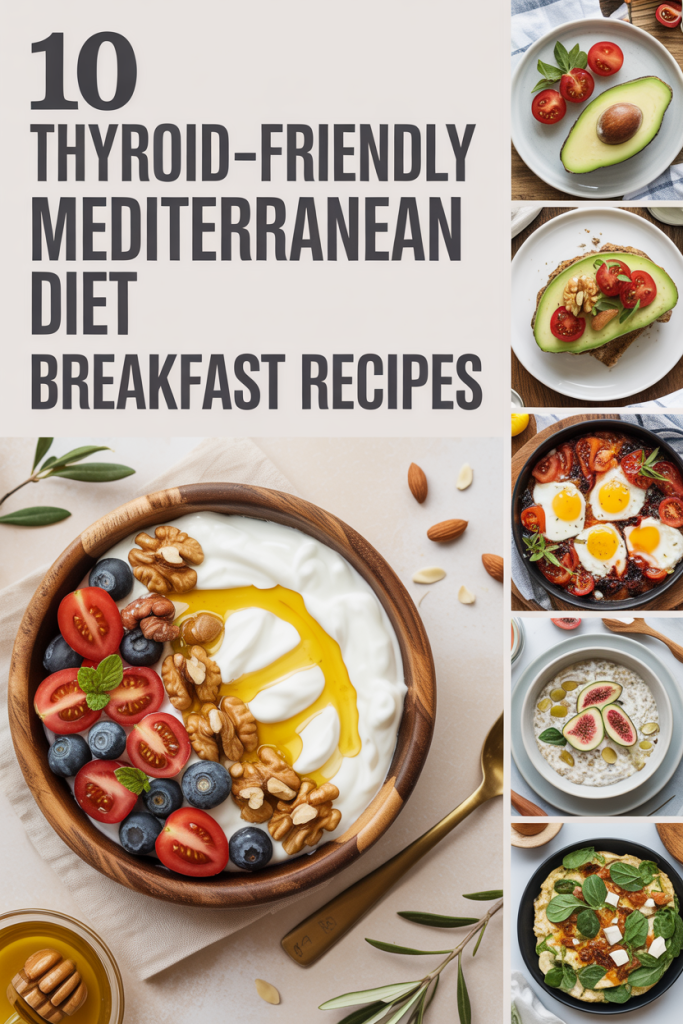
10 Thyroid-Friendly Mediterranean Diet Breakfast Recipes
The thyroid gland, though small, plays an outsized role in regulating metabolism, energy production, body temperature, and hormonal balance. When thyroid function is compromised — whether through hypothyroidism, Hashimoto’s thyroiditis, or other conditions — the ripple effects can touch nearly every system in the body. While medication remains the cornerstone of thyroid treatment, emerging research confirms that dietary choices can meaningfully influence thyroid health, reduce inflammation, and improve quality of life.
The Mediterranean diet has garnered significant scientific attention in this context. Centered on whole grains, vegetables, fruits, legumes, nuts, seeds, extra-virgin olive oil, and seafood, this dietary pattern delivers a broad spectrum of nutrients that directly support thyroid function. A 2022 study published in Nutrients noted that the Mediterranean diet’s anti-inflammatory and antioxidant properties may reduce thyroid peroxidase antibody levels in patients with autoimmune thyroid disease. 1 A separate 2024 study found that women with Hashimoto’s thyroiditis who followed a modified Mediterranean dietary plan experienced reductions in thyroid antibodies, improvements in free T3 and T4 levels, and significant gains in quality of life. 1
Among the most critical nutrients for thyroid health are selenium, which supports the conversion of the inactive thyroid hormone T4 into the active form T3 and protects thyroid tissue from oxidative damage; iodine, which is a structural component of all thyroid hormones; zinc, which aids in thyroid hormone synthesis; and omega-3 fatty acids, which help modulate inflammation. The Mediterranean diet is a natural source of all of these.
The following table summarizes the key thyroid-supporting nutrients and their primary Mediterranean food sources, which are featured throughout the recipes in this article.
| Nutrient | Role in Thyroid Health | Key Mediterranean Food Sources |
|---|---|---|
| Selenium | Enables T4-to-T3 conversion; protects thyroid from oxidative damage | Brazil nuts, sardines, eggs, tuna, sunflower seeds |
| Iodine | Essential building block of T3 and T4 hormones | Seafood (salmon, sardines, shrimp), eggs, dairy |
| Zinc | Supports thyroid hormone synthesis and immune function | Legumes, whole grains, pumpkin seeds, shellfish |
| Omega-3 Fatty Acids | Reduces inflammation; supports brain and cardiovascular health | Salmon, sardines, chia seeds, walnuts, flaxseed |
| Vitamin D | Regulates immune activity; may reduce autoimmune thyroid flares | Fatty fish, eggs, fortified dairy |
| B Vitamins | Support energy metabolism; combat fatigue associated with hypothyroidism | Whole grains, legumes, eggs, leafy greens |
| Antioxidants (Polyphenols) | Reduce oxidative stress that can damage thyroid tissue | Berries, olive oil, tomatoes, leafy greens |
Breakfast is an ideal opportunity to front-load your day with these nutrients. The 10 recipes below are designed to be both authentically Mediterranean in spirit and specifically optimized for thyroid health. Each recipe includes a brief note on its thyroid-specific benefits, a complete ingredient list, and step-by-step cooking instructions.
Recipe 1: Spinach and Feta Shakshuka
Thyroid Benefits: Eggs are one of the most complete thyroid-supporting foods available, providing both iodine and selenium in a single ingredient. Spinach contributes iron and B vitamins, while tomatoes deliver lycopene, a potent antioxidant that helps protect thyroid tissue from oxidative stress. Feta cheese adds a modest amount of iodine from dairy.
Shakshuka is a North African and Middle Eastern classic that has become a staple of Mediterranean-style eating. The combination of spiced tomato sauce, wilted greens, and gently poached eggs makes for a visually striking and deeply satisfying breakfast. It comes together in a single skillet and is easily scaled for a family.
Prep Time: 10 minutes | Cook Time: 25 minutes | Servings: 2–3
Ingredients:
- 1 tbsp extra-virgin olive oil
- 1 medium onion, finely chopped
- 3 cloves garlic, minced
- 1 red bell pepper, diced
- 1 can (28 ounces) crushed tomatoes
- 2 cups fresh baby spinach
- 1/2 cup crumbled feta cheese
- 4 large eggs (preferably pasture-raised)
- 1 tsp smoked paprika
- 1/2 tsp ground cumin
- 1/4 tsp cayenne pepper (optional)
- Salt and freshly ground black pepper to taste
- Fresh flat-leaf parsley, roughly chopped, for garnish
- Whole-grain bread or whole-wheat pita, for serving
Instructions:
- Heat the olive oil in a large, deep skillet or cast-iron pan over medium heat. Add the onion and bell pepper and cook, stirring occasionally, until softened and beginning to caramelize, about 7–8 minutes.
- Add the garlic and cook for 1 minute more, until fragrant. Stir in the smoked paprika, cumin, and cayenne, if using, and cook the spices for 30 seconds to bloom their flavors.
- Pour in the crushed tomatoes and stir well to combine. Season generously with salt and pepper. Bring the sauce to a gentle simmer and cook for 10 minutes, stirring occasionally, until it thickens slightly.
- Add the fresh spinach and stir until it wilts into the sauce, about 2 minutes.
- Using the back of a spoon, create four shallow wells in the tomato sauce. Carefully crack one egg into each well, keeping the yolks intact.
- Scatter the crumbled feta cheese over the entire surface of the sauce. Cover the skillet with a lid and cook for 5–7 minutes, or until the egg whites are fully set but the yolks remain soft and runny.
- Remove from heat, garnish generously with fresh parsley, and serve directly from the skillet with warm whole-grain bread for dipping.
Recipe 2: Greek Yogurt Parfait with Berries and Brazil Nuts
Thyroid Benefits: Plain Greek yogurt is an excellent source of iodine and protein, both of which are essential for thyroid hormone production and metabolic function. Brazil nuts are the single richest dietary source of selenium — just two to three nuts can meet or exceed the daily recommended intake. Berries provide a wealth of antioxidants that combat the oxidative stress commonly elevated in thyroid conditions. Chia seeds contribute omega-3 fatty acids and fiber.
This no-cook parfait is one of the most effortless thyroid-supportive breakfasts you can prepare. It requires no cooking, takes under five minutes to assemble, and can be prepared the night before for a grab-and-go morning meal. The key is to use full-fat or 2% plain Greek yogurt for maximum nutrient density and satiety.
Prep Time: 5 minutes | Cook Time: None | Servings: 1
Ingredients:
- 1 cup plain full-fat or 2% Greek yogurt
- 1/2 cup mixed fresh berries (blueberries, strawberries, raspberries)
- 2–3 Brazil nuts, roughly chopped
- 1 tbsp chia seeds
- 1 tbsp raw pumpkin seeds (pepitas)
- 1 tsp raw honey or pure maple syrup (optional)
- A pinch of ground cinnamon
Instructions:
- Spoon half of the Greek yogurt into the bottom of a wide glass, jar, or bowl.
- Add half of the mixed berries over the yogurt layer, followed by half of the chopped Brazil nuts, half of the chia seeds, and half of the pumpkin seeds.
- Repeat the layers with the remaining yogurt, berries, Brazil nuts, chia seeds, and pumpkin seeds.
- Drizzle with honey or maple syrup if desired, and finish with a pinch of cinnamon.
- Serve immediately, or cover and refrigerate overnight for a thicker, more cohesive texture as the chia seeds absorb the yogurt’s moisture.
Recipe 3: Smoked Salmon and Avocado Toast on Whole-Grain Bread
Thyroid Benefits: Smoked salmon is a rich source of both iodine and selenium, as well as omega-3 fatty acids that help reduce systemic inflammation. Avocado provides healthy monounsaturated fats that support the absorption of fat-soluble vitamins, including vitamin D, which plays a role in immune regulation relevant to autoimmune thyroid disease. Whole-grain bread contributes B vitamins and zinc.
This recipe elevates the classic avocado toast into a genuinely thyroid-supportive meal. The combination of creamy avocado, silky smoked salmon, bright lemon, and fresh dill is a hallmark of Scandinavian-Mediterranean fusion and is as elegant as it is nutritious. For best results, choose wild-caught smoked salmon, which tends to have a higher omega-3 content than farmed varieties.
Prep Time: 10 minutes | Cook Time: 5 minutes (for toasting) | Servings: 1–2
Ingredients:
- 2 slices of whole-grain or sourdough bread, toasted
- 1 ripe avocado, halved and pitted
- 3 ounces wild-caught smoked salmon
- 1 tbsp fresh dill, finely chopped
- 1 tbsp capers, drained
- 1/4 small red onion, very thinly sliced
- 1 tsp fresh lemon juice, plus lemon wedges for serving
- 1 tsp extra-virgin olive oil
- Freshly ground black pepper and a pinch of flaky sea salt
- Red pepper flakes (optional)
Instructions:
- Scoop the avocado flesh into a small bowl. Add the lemon juice, olive oil, a pinch of flaky sea salt, and freshly ground black pepper. Mash with a fork to your preferred consistency — some prefer a smooth spread, others enjoy a chunkier texture.
- Spread the mashed avocado generously and evenly over each slice of toasted bread.
- Drape the smoked salmon over the avocado layer, distributing it evenly between the two slices.
- Scatter the capers and thinly sliced red onion over the salmon.
- Finish with a sprinkle of fresh dill, a pinch of red pepper flakes if desired, and an extra squeeze of lemon juice. Serve immediately.
Recipe 4: Mediterranean Herb and Olive Omelette
Thyroid Benefits: Eggs are among the most nutrient-dense thyroid foods available, providing iodine, selenium, and vitamin D in a single serving. Kalamata olives contribute polyphenols and healthy monounsaturated fats. Bell peppers are rich in vitamin C, which enhances the absorption of iron — a mineral that, when deficient, can impair thyroid hormone synthesis.
A well-made omelette is a cornerstone of Mediterranean breakfasts from France to Greece. This version incorporates the bold flavors of the region — briny olives, tangy feta, sweet bell peppers, and fragrant herbs — into a light yet satisfying morning meal. The key to a perfect omelette is a well-seasoned non-stick pan and patience: resist the urge to rush the cooking process.
Prep Time: 10 minutes | Cook Time: 10 minutes | Servings: 1
Ingredients:
- 2 large eggs (preferably pasture-raised)
- 1 tbsp whole milk or water
- 1/4 cup red or yellow bell pepper, finely diced
- 1/4 cup red onion, finely diced
- 1/4 cup crumbled feta cheese
- 2 tbsp Kalamata olives, pitted and roughly chopped
- 1 tbsp fresh flat-leaf parsley, finely chopped
- 1 tsp fresh oregano leaves (or 1/4 tsp dried oregano)
- 1 tsp extra-virgin olive oil
- Salt and freshly ground black pepper to taste
Instructions:
- In a small bowl, whisk the eggs with the milk or water until fully combined and slightly frothy. Season lightly with salt and pepper.
- Heat the olive oil in a small non-stick skillet over medium heat. Add the bell pepper and red onion and cook, stirring, for 3–4 minutes until softened. Transfer the vegetables to a small plate.
- Reduce the heat to medium-low. Pour the egg mixture into the same skillet. As the edges begin to set, use a spatula to gently push them toward the center, tilting the pan to allow the uncooked egg to flow to the edges.
- When the egg is mostly set but still slightly glossy on top, scatter the cooked vegetables, feta cheese, olives, parsley, and oregano over one half of the omelette.
- Fold the plain half over the filled half. Cook for 30–60 seconds more, then slide onto a plate and serve immediately.
Recipe 5: Savory Oatmeal with Sautéed Mushrooms and a Poached Egg
Thyroid Benefits: Rolled oats are a whole grain that provides B vitamins, zinc, and selenium, all of which support thyroid hormone metabolism and energy production. Mushrooms — particularly varieties like cremini and shiitake — are one of the few plant-based sources of vitamin D, which is important for immune regulation in autoimmune thyroid conditions. The poached egg adds additional selenium and iodine.
Savory oatmeal may seem unconventional, but it is a deeply satisfying and nutritionally superior alternative to sweet oatmeal loaded with sugar. By treating oats more like a grain bowl than a porridge, you can create a breakfast that is warming, umami-rich, and genuinely supportive of thyroid health. Using vegetable broth instead of water to cook the oats adds a depth of flavor that makes this dish truly memorable.
Prep Time: 5 minutes | Cook Time: 15 minutes | Servings: 1
Ingredients:
- 1/2 cup old-fashioned rolled oats
- 1 cup low-sodium vegetable broth (or water)
- 1 cup cremini or shiitake mushrooms, thinly sliced
- 1 clove garlic, minced
- 1 large egg
- 1 tsp extra-virgin olive oil
- 1 tsp white vinegar (for poaching the egg)
- 1 tbsp fresh thyme leaves, or 1/4 tsp dried thyme
- 1 tbsp freshly grated Parmesan cheese (optional)
- Salt and freshly ground black pepper to taste
- A drizzle of extra-virgin olive oil, to finish
Instructions:
- Bring the vegetable broth to a boil in a small saucepan. Add the oats and a pinch of salt. Reduce the heat to medium-low and cook, stirring occasionally, for 5–7 minutes until the oats are creamy and have absorbed most of the liquid. Stir in the Parmesan cheese, if using.
- While the oats cook, heat the olive oil in a small skillet over medium-high heat. Add the mushrooms in a single layer and cook undisturbed for 3–4 minutes until they begin to brown. Toss and cook for another 2 minutes. Add the garlic and thyme and cook for 1 minute more. Season with salt and pepper and remove from heat.
- To poach the egg, fill a small saucepan with about 3 inches of water and bring to a gentle simmer. Add the white vinegar. Crack the egg into a small cup or ramekin. Create a gentle swirl in the water with a spoon, then carefully slide the egg into the center of the swirl. Cook for 3–4 minutes for a runny yolk, then remove with a slotted spoon and drain on a paper towel.
- Spoon the savory oatmeal into a bowl. Top with the sautéed mushrooms and the poached egg. Drizzle with a little extra-virgin olive oil, season with black pepper, and serve immediately.
Recipe 6: Sardine and Avocado Mash on Whole-Grain Toast
Thyroid Benefits: Sardines are among the most thyroid-supportive foods in existence. A single 3.75-ounce can provides substantial amounts of selenium, iodine, omega-3 fatty acids, vitamin D, and vitamin B12. They are also one of the most sustainable and affordable seafood options available. Combined with avocado’s healthy fats and whole-grain bread’s zinc and B vitamins, this toast delivers a remarkable concentration of thyroid-supporting nutrients in a matter of minutes.
Sardines have long been a staple of Mediterranean coastal cuisine, particularly in Portugal, Spain, and Italy. Their bold, savory flavor pairs beautifully with the creaminess of avocado and the brightness of lemon. If you are new to sardines, starting with a high-quality brand packed in extra-virgin olive oil will provide the mildest and most pleasant flavor experience.
Prep Time: 5 minutes | Cook Time: 2 minutes (for toasting) | Servings: 1
Ingredients:
- 1 can (3.75 ounces) wild-caught sardines in extra-virgin olive oil, drained
- 1/2 ripe avocado
- 1 tbsp red onion, very finely minced
- 1 tsp fresh lemon juice
- 1 tsp capers, drained and roughly chopped (optional)
- 1 tsp fresh flat-leaf parsley, finely chopped
- 1–2 slices of whole-grain or rye bread, toasted
- Salt and freshly ground black pepper to taste
- A pinch of red pepper flakes (optional)
Instructions:
- In a small bowl, combine the drained sardines and avocado. Using a fork, mash them together until the mixture is well combined but still has some texture — you want a chunky mash rather than a smooth paste.
- Stir in the minced red onion, lemon juice, capers (if using), and fresh parsley. Season with salt, pepper, and red pepper flakes if desired.
- Spread the sardine and avocado mash generously over the toasted bread. Serve immediately with additional lemon wedges on the side.
Recipe 7: Quinoa Breakfast Bowl with Almonds, Apricots, and Cinnamon
Thyroid Benefits: Quinoa is a complete protein, meaning it contains all nine essential amino acids, making it an excellent plant-based foundation for a thyroid-supportive breakfast. It also provides zinc, selenium, and iron. Almonds contribute vitamin E, an antioxidant that helps protect the thyroid gland from oxidative damage, as well as magnesium, which supports hundreds of enzymatic reactions in the body. Dried apricots provide iron and beta-carotene, while cinnamon helps stabilize blood sugar — an important consideration for those with hypothyroidism, who are more susceptible to blood sugar dysregulation.
This warm quinoa bowl bridges the gap between a grain bowl and a porridge, offering the comfort of oatmeal with a superior amino acid profile. It is naturally gluten-free, making it an excellent option for those with Hashimoto’s thyroiditis who also have gluten sensitivity, a condition that frequently co-occurs with autoimmune thyroid disease.
Prep Time: 5 minutes | Cook Time: 10 minutes | Servings: 1
Ingredients:
- 1/2 cup cooked quinoa (cook according to package directions; can be made ahead)
- 1/2 cup unsweetened almond milk (or oat milk)
- 1/4 cup raw almonds, roughly chopped
- 3 dried apricots, thinly sliced
- 1/2 tsp ground cinnamon
- 1/4 tsp pure vanilla extract
- 1 tsp raw honey or pure maple syrup (optional)
- 1 tbsp pumpkin seeds (pepitas), for topping
- A small handful of fresh blueberries or raspberries, for topping
Instructions:
- In a small saucepan, combine the cooked quinoa and almond milk over medium heat. Stir well and heat until the mixture is warm and the quinoa has absorbed most of the milk, about 3–5 minutes.
- Remove from heat and stir in the cinnamon, vanilla extract, and honey or maple syrup if using.
- Transfer to a bowl and top with the chopped almonds, sliced dried apricots, pumpkin seeds, and fresh berries.
- Serve warm. Leftovers can be stored in the refrigerator for up to two days and reheated with a splash of almond milk.
Recipe 8: Menemen (Turkish Scrambled Eggs with Tomatoes and Peppers)
Thyroid Benefits: Menemen is a classic example of a breakfast that is both deeply traditional and nutritionally aligned with thyroid health. Eggs provide iodine and selenium, while tomatoes contribute lycopene and vitamin C. Bell peppers are extraordinarily rich in vitamin C — a single green pepper can contain more than twice the daily recommended intake — which supports iron absorption and immune function. Extra-virgin olive oil provides oleocanthal, a compound with anti-inflammatory properties comparable to ibuprofen.
Menemen is one of Turkey’s most beloved breakfast dishes and a staple of the broader Eastern Mediterranean table. Unlike Western scrambled eggs, which are often cooked quickly over high heat, menemen is cooked low and slow, resulting in eggs that are silky, custardy, and deeply infused with the flavors of the vegetable sauce. It is traditionally served with crusty bread for scooping.
Prep Time: 10 minutes | Cook Time: 20 minutes | Servings: 2
Ingredients:
- 2 tbsp extra-virgin olive oil
- 1 medium onion, finely chopped
- 1 green bell pepper, finely diced
- 1 red bell pepper, finely diced
- 3 medium ripe tomatoes, finely chopped (or 1 cup canned diced tomatoes, drained)
- 4 large eggs, lightly beaten
- 1/2 tsp dried oregano
- 1/4 tsp red pepper flakes (or more to taste)
- Salt and freshly ground black pepper to taste
- 1/4 cup crumbled feta cheese, for garnish
- Fresh flat-leaf parsley, roughly chopped, for garnish
- Warm whole-wheat pita or crusty whole-grain bread, for serving
Instructions:
- Heat the olive oil in a medium skillet over medium heat. Add the onion and cook, stirring frequently, until softened and translucent, about 5–6 minutes.
- Add the green and red bell peppers and cook for another 5 minutes until they soften. Season with salt, pepper, oregano, and red pepper flakes.
- Add the chopped tomatoes and stir to combine. Cook over medium heat, stirring occasionally, until the tomatoes break down and the mixture forms a thick, saucy consistency, about 8–10 minutes.
- Reduce the heat to medium-low. Pour the beaten eggs over the tomato mixture. Using a wooden spoon or silicone spatula, stir gently and continuously, folding the eggs into the sauce in slow, deliberate strokes. Cook until the eggs are just set but still appear slightly underdone — they will continue to cook from residual heat.
- Remove from heat immediately and transfer to a serving dish. Garnish with crumbled feta and fresh parsley. Serve at once with warm bread.
Recipe 9: Overnight Chia Seed Pudding with Almond Milk and Mixed Berries
Thyroid Benefits: Chia seeds are an outstanding plant-based source of omega-3 fatty acids (ALA), which help reduce the chronic inflammation associated with autoimmune thyroid conditions. They also provide fiber, calcium, and magnesium. Almond milk contributes vitamin E. The mixed berries deliver a broad spectrum of antioxidants — including anthocyanins, quercetin, and vitamin C — that help protect thyroid tissue and support immune regulation.
Overnight chia pudding is perhaps the ultimate make-ahead thyroid-friendly breakfast. Prepared the evening before, it requires no cooking and is ready to eat the moment you open the refrigerator in the morning. The chia seeds absorb the almond milk overnight, swelling into a thick, tapioca-like pudding with a naturally satisfying texture. It is endlessly customizable and travels well in a sealed jar.
Prep Time: 5 minutes | Refrigeration Time: Minimum 4 hours, ideally overnight | Servings: 1–2
Ingredients:
- 3 tbsp chia seeds
- 1 cup unsweetened almond milk (or coconut milk for a richer texture)
- 1/2 tsp pure vanilla extract
- 1 tsp raw honey or pure maple syrup (optional)
- 1/2 cup mixed fresh or frozen berries (blueberries, raspberries, strawberries)
- 2 tbsp chopped walnuts or almonds
- 1 tbsp unsweetened coconut flakes (optional)
- A pinch of ground cinnamon
Instructions:
- In a mason jar or airtight container, combine the chia seeds, almond milk, vanilla extract, and honey or maple syrup, if using. Whisk or stir vigorously until well combined.
- Let the mixture sit at room temperature for 10 minutes, then stir again to break up any clumps of chia seeds that may have settled at the bottom.
- Cover the jar and refrigerate for at least 4 hours, or preferably overnight, until the pudding has set into a thick, creamy consistency.
- When ready to serve, give the pudding a stir. If it is too thick, add a splash of almond milk and stir to loosen. Top with the mixed berries, chopped nuts, coconut flakes, and a pinch of cinnamon.
- The pudding can be stored in the refrigerator for up to 3 days, making it ideal for batch preparation at the start of the week.
Recipe 10: Sweet Potato and Bell Pepper Hash with Baked Eggs
Thyroid Benefits: Sweet potatoes are rich in beta-carotene (a precursor to vitamin A), vitamin C, and potassium. Vitamin A is essential for the proper functioning of thyroid hormone receptors, and deficiency has been linked to impaired thyroid hormone metabolism. Bell peppers amplify the vitamin C content of this dish, supporting iron absorption and immune function. Eggs provide the iodine and selenium needed to complete the thyroid-supportive nutritional profile of this hearty hash.
This colorful, one-pan hash is a weekend-worthy breakfast that is as visually appealing as it is nourishing. The sweet potatoes caramelize beautifully in the skillet, developing a slightly crispy exterior while remaining tender inside. Baking the eggs directly in the hash — rather than frying them separately — keeps the dish cohesive and minimizes cleanup.
Prep Time: 10 minutes | Cook Time: 25 minutes | Servings: 2
Ingredients:
- 1 large sweet potato (about 300g), peeled and cut into 1/2-inch cubes
- 1 red bell pepper, diced
- 1 yellow bell pepper, diced
- 1/2 medium red onion, diced
- 2 cloves garlic, minced
- 2 tbsp extra-virgin olive oil
- 1/2 tsp smoked paprika
- 1/4 tsp ground cumin
- 1/4 tsp dried thyme
- 4 large eggs
- Salt and freshly ground black pepper to taste
- Fresh flat-leaf parsley or chives, chopped, for garnish
- Crumbled feta cheese, for garnish (optional)
Instructions:
- Heat the olive oil in a large oven-safe skillet over medium-high heat. Add the sweet potato cubes and cook, stirring occasionally, for 8–10 minutes until they begin to soften and develop golden-brown edges.
- Add the red onion and bell peppers to the skillet. Cook for another 5 minutes, stirring occasionally, until the vegetables are tender. Add the garlic and cook for 1 minute more.
- Season the hash with smoked paprika, cumin, thyme, salt, and pepper. Stir well to coat all the vegetables evenly with the spices.
- Reduce the heat to medium-low. Using the back of a spoon, create four shallow wells in the hash. Carefully crack one egg into each well, keeping the yolks intact.
- Cover the skillet with a lid and cook for 4–6 minutes, or until the egg whites are fully set and the yolks are cooked to your preferred doneness.
- Garnish with fresh parsley or chives and crumbled feta, if using. Serve directly from the skillet.
A Note on Thyroid-Friendly Eating Principles
While all 10 of these recipes are designed to support thyroid health, a few broader dietary principles are worth keeping in mind. Cruciferous vegetables such as broccoli, kale, and cauliflower contain compounds called goitrogens, which in very large quantities may interfere with thyroid hormone production. However, cooking these vegetables significantly reduces their goitrogenic activity, making them safe and beneficial for most people with thyroid conditions. 1 Individuals with iodine deficiency should be particularly mindful of raw cruciferous vegetable intake, but for those with adequate iodine levels, cooked cruciferous vegetables are a nutritious and anti-inflammatory addition to any thyroid-friendly diet.
It is also important to note that thyroid medication, particularly levothyroxine, should be taken on an empty stomach and at least 30–60 minutes before eating to ensure proper absorption. Certain foods — including high-fiber foods, calcium-rich dairy, and coffee — can interfere with medication absorption if consumed too close to dosing time. Always consult your healthcare provider or a registered dietitian for personalized guidance.
Conclusion
The Mediterranean diet offers a delicious, sustainable, and scientifically supported framework for nourishing the thyroid. By building breakfasts around whole grains, eggs, seafood, legumes, nuts, seeds, and an abundance of vegetables, you can deliver the selenium, iodine, zinc, omega-3 fatty acids, and antioxidants that the thyroid gland depends on to function at its best. The 10 recipes in this article represent the breadth and versatility of Mediterranean-style morning eating — from the quick simplicity of a chia pudding or yogurt parfait to the slow, convivial pleasure of a weekend shakshuka or menemen. Each one is a step toward a more nourished, energized, and thyroid-supportive life.
As with any dietary change, particularly for those managing a thyroid condition, it is advisable to consult with a qualified healthcare professional or registered dietitian before making significant modifications to your eating habits.

