How To Make High-Protein Pasta (Gluten-Free)
When we think about pasta, many of us picture a comforting bowl of noodles that pairs perfectly with our favorite sauces. But what if we could elevate our pasta game by making it high in protein and gluten-free? In this guide, we’ll explore how to make a delicious, nutritious high-protein pasta that’s not just better for us but also incredibly versatile. Let’s jump into the world of high-protein gluten-free pasta and discover the benefits, ingredients, and a step-by-step guide that will have us whipping up our own pasta masterpieces in no time.
Understanding High-Protein Pasta
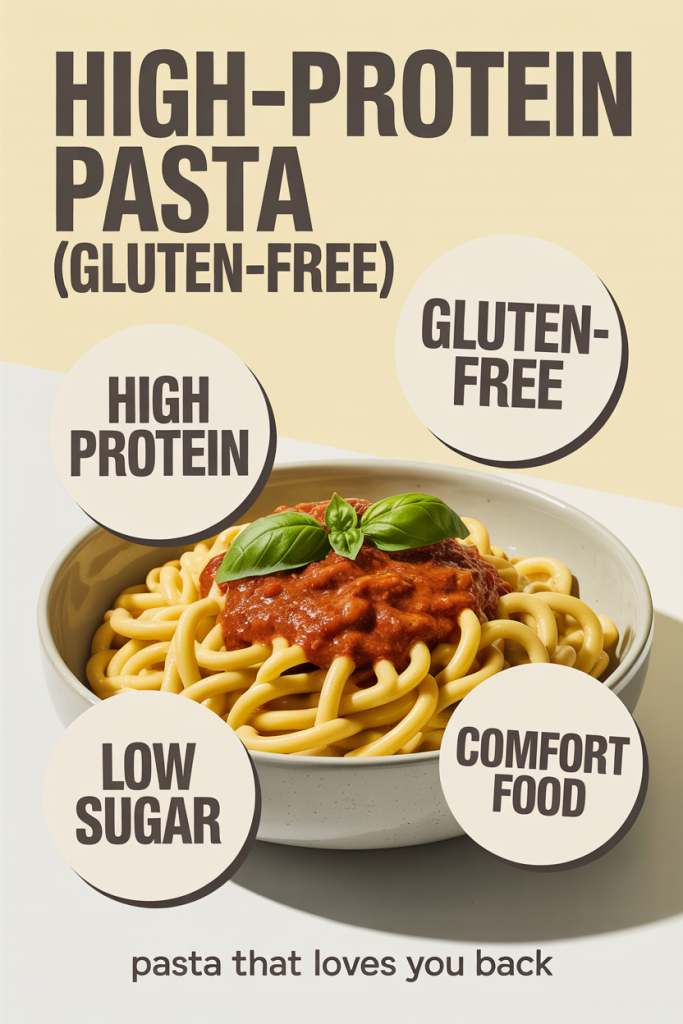
High-protein pasta offers a fantastic twist on traditional pasta, harnessing the power of protein-rich ingredients. Unlike regular pasta made primarily from wheat, high-protein versions often use alternatives like lentils, chickpeas, and even certain types of gluten-free flours. These alternatives not only pack more protein into our meals but also provide a unique taste and texture that can elevate our dishes. Understanding what makes high-protein pasta special is the first step in mastering our cooking skills.
Benefits of High-Protein Pasta
High-protein pasta comes with a slew of benefits that make it an appealing choice for us. Here are just a few:
- Increased satiety: The higher protein content helps us feel fuller for longer, which can be a game changer for those trying to manage their weight.
- Muscle maintenance and growth: For anyone active, a protein-rich diet helps repair and build muscles, making high-protein pasta an excellent addition to our meals.
- Nutrient diversity: By using alternative ingredients like lentils and chickpeas, we’re not just boosting our protein intake: we’re also getting more fiber, vitamins, and minerals.
- Gluten-free: For those with celiac disease or gluten sensitivity, high-protein gluten-free pasta allows us to enjoy pasta without the repercussions.
Ingredients for High-Protein Gluten-Free Pasta
Making high-protein gluten-free pasta requires specific ingredients to ensure both quality and nutritional value. Here’s what we need:
- Lentil flour: Packed with protein and fiber, it’s our base flour for the pasta.
- Chickpea flour: This adds a nutty flavor and more protein.
- Tapioca flour or potato starch: These help bind the pasta and create a desirable texture.
- Xanthan gum: A small amount enhances elasticity and gives the pasta a traditional feel.
- Eggs (optional): For those who consume eggs, they provide additional protein and help bind everything together.
- Water: To mix and form the dough.
Having these ingredients ready will set us up for success, ensuring our pasta is not only high in protein but also gluten-free.
Step-by-Step Guide to Making High-Protein Pasta
Creating high-protein gluten-free pasta might sound daunting, but with our straightforward guide, we’ll have fresh pasta in no time. Here’s how to do it:
Step 1: Prepare the Dough
- Mix the flours: In a large bowl, combine 1 cup of lentil flour, 1/2 cup of chickpea flour, 1/2 cup of tapioca flour, and 1 teaspoon of xanthan gum.
- Add eggs: If we’re using eggs, beat them in a separate bowl and add to the flour mixture.
- Combine: Gradually stir in 2-3 tablespoons of water until the dough starts to come together. The goal is to achieve a soft but not sticky dough.
Step 2: Knead
Knead the dough on a clean, floured surface for about 5-7 minutes, until smooth. If it’s too crumbly, add a bit more water (1 teaspoon at a time) until it’s workable.
Step 3: Roll Out the Dough
- Flatten the dough: Using a rolling pin, roll the dough out to your preferred thickness. For regular pasta, about 1/8 inch thick is ideal.
- Cut into shape: Use a knife or a pasta cutter to cut the dough into your desired shapes, whether it’s fettuccine, linguine, or even lasagna sheets.
Step 4: Dry or Cook Immediately
You can either dry the pasta for later use, which enhances its storage life, or cook it right away in boiling water for about 3-5 minutes until al dente.
Cooking and Serving Suggestions
Now that we’ve made our high-protein pasta, let’s talk about how to cook and serve it:
- Cooking: Bring a large pot of salted water to a boil. Gently add the pasta and stir to prevent sticking. Cook for 3-5 minutes, tasting it around the 3-minute mark for doneness. Remember, gluten-free pasta tends to cook faster than regular pasta.
- Serving Suggestions: We can dress our pasta simply with olive oil and garlic, toss it into a vibrant salad, or serve it with your favorite sauce. Some ideas include:
- Classic marinara or pesto
- Creamy sauces with a hint of lemon
- Hearty tomato and vegetable sauces, perfect for adding nutrition
Feel free to be creative: high-protein pasta is versatile enough to take on a variety of flavors.
Storage and Shelf Life
To ensure we get the most out of our homemade high-protein pasta, here are some tips for storage:
- Fresh Pasta: After making pasta, if we choose to cook it right away, enjoy it fresh. For leftovers, store in an airtight container in the refrigerator for 1-2 days.
- Dried Pasta: If we opt to dry our pasta, let it air dry on a clean surface for about 24 hours. Once dried, store it in an airtight container in a cool, dry place for up to 1-2 months. This will provide quick meal options during the week.
Conclusion
Making high-protein gluten-free pasta is not only achievable but also incredibly rewarding. It allows us to enjoy the flavors and textures we love while benefiting from the added nutrition of high protein. With our easy steps and ingredient list, we hope you feel equipped to make your own version at home. So, let’s gather our ingredients, roll up our sleeves, and create pasta that’s both delicious and nutritious.