1200 Calorie Low-Carb, High-Protein Meal Plan
A 1200-calorie, low-carb, high-protein meal plan is a structured dietary approach designed to promote weight loss while preserving muscle mass and maintaining satiety. This plan significantly restricts carbohydrate intake while emphasizing foods rich in protein and healthy fats. By doing so, it encourages the body to use stored fat for energy, a metabolic state known as ketosis. While this diet can be an effective tool for short-term weight management, it is not suitable for everyone and requires careful planning to ensure nutritional adequacy. This article provides a comprehensive overview of the 1200-calorie, low-carb, high-protein diet, including its benefits, risks, food guidelines, and a sample one-day meal plan.
How It Works: The Science Behind the Diet
The fundamental principle of a low-carb, high-protein diet is to shift the body’s primary energy source from carbohydrates to fat. Typically, the body breaks down carbohydrates into glucose for energy. When carbohydrate intake is drastically reduced, the body turns to its fat stores, breaking them down into ketones, which then serve as an alternative fuel source [1]. This metabolic state, ketosis, is a cornerstone of many low-carb diets, including the Atkins and ketogenic diets [2].
Protein plays a crucial role in this dietary approach. High protein intake helps to promote a feeling of fullness, or satiety, which can lead to a natural reduction in overall calorie consumption. Furthermore, adequate protein is essential for preserving lean muscle mass, which is particularly important during weight loss, as muscle tissue is more metabolically active than fat tissue [3].
| Macronutrient | Recommended Percentage | Grams (for 1200 kcal diet) |
|---|---|---|
| Protein | 30-50% | 90-150g |
| Carbohydrates | <20% | <60g |
| Fat | 30-50% | 40-67g |
Table 1: Approximate Macronutrient Distribution for a 1200 Calorie Low-Carb, High-Protein Diet
Health Benefits and Potential Risks
This dietary strategy offers several potential benefits, primarily centered around weight management and metabolic health. However, it also carries risks that must be considered.
Benefits
- Weight Loss: The combination of reduced calorie intake and the satiating effect of protein can lead to significant short-term weight loss [1, 4].
- Blood Sugar Control: By limiting carbohydrates, this diet can help to stabilize blood sugar levels, making it a potentially useful approach for individuals with prediabetes or type 2 diabetes [2].
- Muscle Preservation: The high protein content helps to prevent the muscle loss that can sometimes accompany calorie-restricted diets [3].
Risks and Considerations
A 1200-calorie diet is a very low-calorie diet (VLCD) and may not provide sufficient energy or nutrients for many individuals. It is crucial to consult with a healthcare provider before starting such a plan. Potential risks include:
- Nutrient Deficiencies: Restricting entire food groups can lead to deficiencies in essential vitamins, minerals, and fiber [5].
- Ketosis Side Effects: In the initial stages, some people may experience the “keto flu,” with symptoms like headache, fatigue, and bad breath [4].
- Kidney Strain: Individuals with pre-existing kidney conditions should avoid high-protein diets, as they can put additional strain on the kidneys [2].
- Sustainability: The restrictive nature of the diet can make it difficult to follow long-term.
This diet is generally not recommended for pregnant or breastfeeding women, individuals with a history of eating disorders, or those with certain medical conditions [2].
Food Guidelines
Success on a low-carb, high-protein diet depends on choosing the right foods. The focus should be on whole, unprocessed foods.
Foods to Include:
- Lean Protein: Chicken breast, turkey, lean beef, fish (especially fatty fish like salmon for omega-3s), eggs, and tofu.
- Non-Starchy Vegetables: Leafy greens (spinach, kale), broccoli, cauliflower, bell peppers, zucchini, and asparagus.
- Healthy Fats: Avocado, olive oil, nuts, and seeds in moderation.
- Low-Carb Fruits: Berries, such as raspberries and blackberries, in small portions.
- Dairy: Greek yogurt, cheese, and cottage cheese.
Foods to Limit or Avoid:
- Grains: Bread, pasta, rice, cereal, and oats.
- Starchy Vegetables: Potatoes, corn, and peas.
- High-Sugar Fruits: Bananas, grapes, and mangoes.
- Sugary Foods and Drinks: Candy, soda, and baked goods.
- Processed Foods: Packaged snacks and meals that are often high in refined carbohydrates and unhealthy fats.
Sample Recipes
Here is a sample recipe that is both delicious and compliant with the meal plan.
“Egg in a Hole” Peppers with Avocado Salsa
Prep Time: 35 minutes
Servings: 4
Nutrition per serving: 285 calories, 20g fat, 14g carbs, 15g protein, 6g fiber
Ingredients:
- 2 bell peppers, any color
- 1 avocado, diced
- 1/2 cup diced red onion
- 1 jalapeño pepper, minced
- 1/2 cup chopped fresh cilantro, plus more for garnish
- 2 tomatoes, seeded and diced
- Juice of 1 lime
- 3/4 teaspoon salt, divided
- 2 teaspoons olive oil, divided
- 8 large eggs
- 1/4 teaspoon ground pepper, divided
Directions:
- Slice tops and bottoms off bell peppers and finely dice. Remove and discard seeds and membranes. Slice each pepper into four 1/2-inch-thick rings.
- Combine the diced pepper with avocado, onion, jalapeño, cilantro, tomatoes, lime juice, and 1/2 teaspoon salt in a medium bowl.
- Heat 1 teaspoon oil in a large nonstick skillet over medium heat. Add 4 bell pepper rings, then crack 1 egg into the middle of each ring. Season with 1/8 teaspoon each salt and pepper. Cook until the whites are mostly set but the yolks are still runny, 2 to 3 minutes. Gently flip and cook 1 minute more for runny yolks, 1 1/2 to 2 minutes more for firmer yolks. Transfer to serving plates and repeat with the remaining pepper rings and eggs.
- Serve with the avocado salsa and garnish with additional cilantro, if desired.
Source: EatingWell [6]
Sample One-Day Meal Plan (Approx. 1200 Calories)
This sample plan provides an idea of what a day of eating on this diet might look like. Individual needs may vary.
- Breakfast (approx. 300 calories): “Egg in a Hole” Peppers with Avocado Salsa (see recipe above).
- Lunch (approx. 400 calories): Chicken Satay Bowl with Spicy Peanut Sauce. This can be prepared ahead of time for a quick and easy meal.
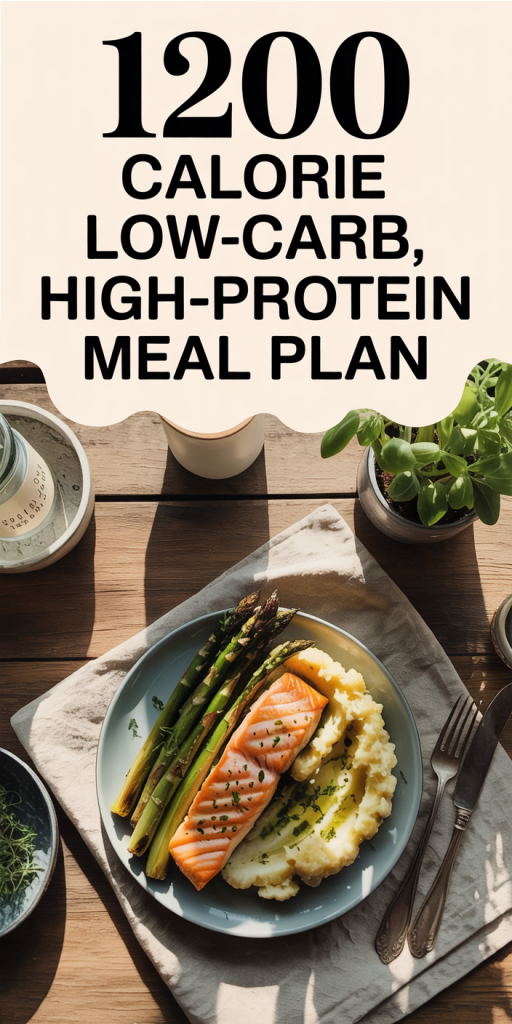
- Dinner (approx. 400 calories): 5-Ingredient Miso-Glazed Salmon with a side of steamed asparagus.
- Snack (approx. 100 calories): A small container of Greek yogurt with a handful of berries.
Conclusion
The 1200-calorie, low-carb, high-protein meal plan can be an effective strategy for short-term weight loss and improved blood sugar control. However, its restrictive nature and potential for nutrient deficiencies make it unsuitable for long-term use or for certain individuals. It is imperative to approach this diet with caution and under the guidance of a healthcare professional to ensure it is done safely and effectively.
References
[1] EatingWell. (2023). 7-Day High-Protein, Low-Carb Meal Plan.
[2] WebMD. (2025). Low-Carb, High-Protein Diets: Risks (Ketosis) and Benefits.
[3] University of Kansas Medical Center. (2025). Protein may help boost weight loss and improve overall…
[4] Mayo Clinic. (2022). Low-carb diet: Can it help you lose weight?
[5] Medical News Today. (2023). 1200 calorie diet: Weight loss, safety, and meal ideas.
[6] EatingWell. (2025). “Egg in a Hole” Peppers with Avocado Salsa.