
30+ High Protein, Low-Carb Meal Prep Ideas
In today’s fast-paced world, maintaining a healthy diet while managing a busy schedule can feel like an impossible task. However, meal prepping with high-protein, low-carb recipes offers a practical solution that supports both your health goals and your time constraints. Whether you’re looking to build muscle, lose weight, or simply maintain a balanced lifestyle, these 30+ meal prep ideas will transform your weekly routine and keep you fueled with nutritious, satisfying meals.
The combination of high protein and low carbohydrates has gained significant attention from nutrition experts and fitness enthusiasts alike. This approach to eating offers numerous benefits, including improved satiety, better blood sugar control, and enhanced muscle preservation during weight loss. According to registered dietitian Katherine Brooking, “High-protein, low-carb diets aim to build muscle mass and decrease body fat and weight” [1]. Research consistently shows faster rates of weight loss when people follow a low-carb, high-protein diet compared to traditional low-fat approaches.
Understanding High-Protein, Low-Carb Nutrition
Before diving into the meal ideas, it’s essential to understand what constitutes an effective high-protein, low-carb meal. Nutrition experts recommend targeting meals that contain approximately 20 grams of protein or more per serving, while keeping net carbohydrates (total carbs minus fiber) to 20 grams or less [2]. For optimal muscle growth and repair, aim for 25 to 30 grams of protein per meal, as our bodies can only utilize a certain amount of protein at one time for muscle synthesis.
The ideal macronutrient distribution for this eating style typically includes 35% carbohydrates, 30% fat, and 35% protein, though these ratios can be adjusted based on individual goals and preferences [3]. This balance ensures adequate energy for daily activities while maximizing the muscle-building and satiety benefits of protein.
High-quality protein sources form the foundation of these meals and include lean meats such as chicken breast, turkey, and lean beef; fish and seafood like salmon, tuna, and shrimp; eggs and egg whites; and dairy products including Greek yogurt and cottage cheese. Plant-based options such as lentils, chickpeas, and tofu also provide excellent protein while keeping carbohydrate content moderate.
When selecting carbohydrate sources, focus on nutrient-dense, fiber-rich options that provide sustained energy without causing blood sugar spikes. Excellent choices include leafy greens, cruciferous vegetables like broccoli and cauliflower, zucchini, bell peppers, and small portions of berries. These foods not only keep carbohydrate content low but also provide essential vitamins, minerals, and antioxidants that support overall health.
The Science Behind Meal Prepping Success
Meal prepping has emerged as one of the most effective strategies for maintaining consistent nutrition habits. The practice involves preparing multiple meals or meal components in advance, typically on weekends, to ensure healthy options are readily available throughout the week. This approach addresses one of the primary barriers to healthy eating: the lack of time and convenience that often leads to poor food choices.
Research in behavioral nutrition demonstrates that having prepared, healthy meals readily available significantly increases adherence to dietary goals. When nutritious options are easily accessible, individuals are less likely to resort to processed foods or restaurant meals that may not align with their health objectives. The visual reminder of prepared meals also serves as a powerful motivational tool, reinforcing commitment to healthy eating habits.
From a practical standpoint, meal prepping offers numerous advantages beyond nutrition. It reduces daily decision fatigue by eliminating the need to constantly think about what to eat. It also provides significant cost savings compared to purchasing individual meals or dining out regularly. Additionally, batch cooking allows for more efficient use of kitchen time and reduces food waste by ensuring ingredients are used before they spoil.
For high-protein, low-carb meal prep specifically, the approach is particularly beneficial because protein-rich foods often require longer cooking times and more preparation. By dedicating a few hours on the weekend to cooking proteins in bulk, you can ensure that satisfying, muscle-building meals are always within reach during busy weekdays.
Chicken-Based Meal Prep Champions
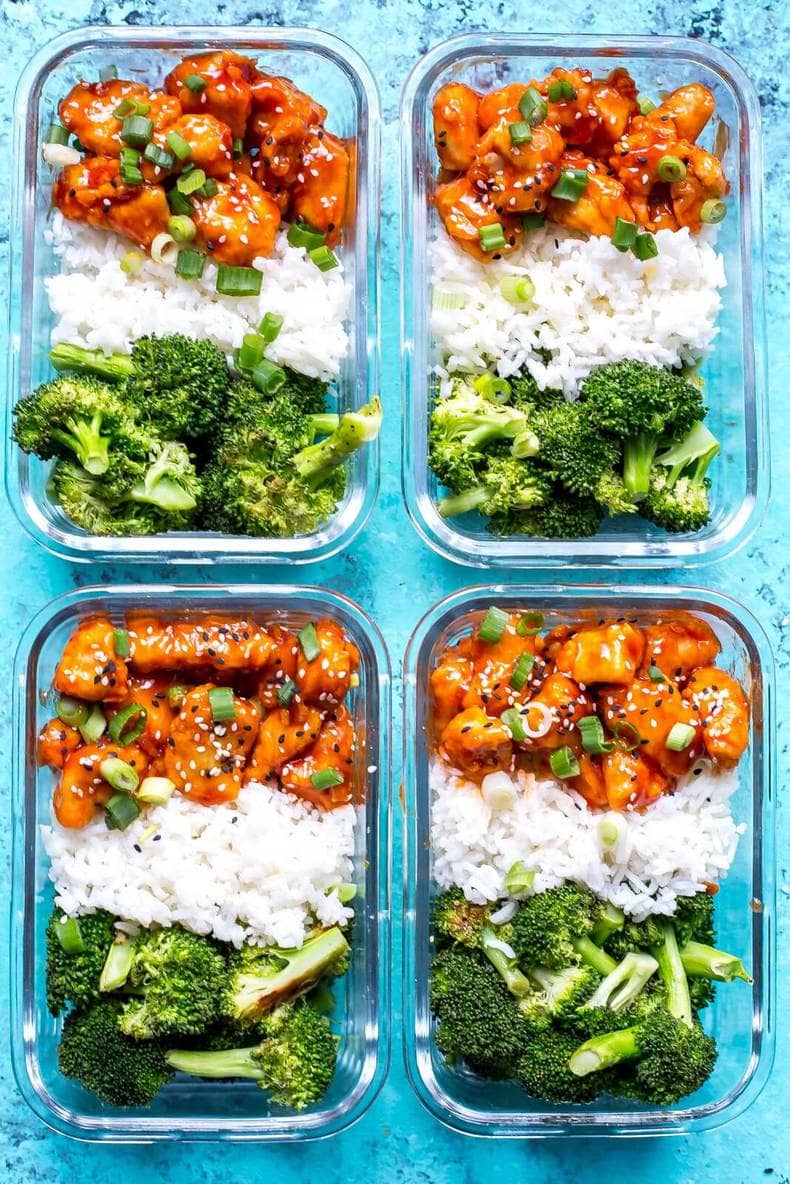
Colorful chicken meal prep bowls featuring lean protein with fresh vegetables
Chicken remains the cornerstone of high-protein meal prep for good reason. It’s versatile, affordable, readily available, and provides approximately 25-30 grams of protein per 4-ounce serving while containing virtually no carbohydrates. The key to successful chicken meal prep lies in varying preparation methods and flavor profiles to prevent monotony while maintaining nutritional goals.
Stuffed Chicken Variations
One of the most satisfying approaches to chicken meal prep involves creating stuffed chicken breasts that combine protein with nutrient-dense vegetables and healthy fats. Asparagus Stuffed Chicken represents a perfect example of this technique. By butterflying chicken breasts and filling them with fresh asparagus spears, cream cheese, and herbs, you create a meal that delivers over 35 grams of protein while keeping carbohydrates under 5 grams per serving [4]. The asparagus provides fiber, folate, and vitamins A and K, while the cream cheese adds richness and helps maintain satiety.
Broccoli Stuffed Chicken offers another excellent variation that incorporates cruciferous vegetables known for their cancer-fighting properties. This preparation involves mixing steamed broccoli with parmesan cheese, cheddar, and cream cheese before stuffing it into chicken breasts. The result is a meal that provides approximately 40 grams of protein and only 6 grams of net carbohydrates, making it ideal for those following ketogenic or very low-carb approaches.
For those seeking Mediterranean flavors, Cream Cheese Spinach Stuffed Chicken combines the iron-rich benefits of spinach with the protein power of chicken. Spinach is particularly valuable in low-carb meal prep because it provides essential nutrients while adding virtually no carbohydrates to the meal. When combined with cream cheese, mozzarella, and parmesan, this stuffing creates a creamy, indulgent texture that makes healthy eating feel like a treat rather than a restriction.
One-Pan Chicken Solutions
Busy schedules demand efficient cooking methods, and one-pan chicken dishes excel in both convenience and nutrition. Garlic Butter Chicken and Broccoli exemplifies this approach by combining seasoned chicken thighs with fresh broccoli florets in a single skillet. The cooking method allows the vegetables to absorb the savory flavors from the chicken while maintaining their nutritional integrity. This meal provides approximately 32 grams of protein and 8 grams of net carbohydrates per serving.
Creamy Lemon Chicken with Asparagus takes the one-pan concept further by incorporating a rich, low-carb sauce that elevates the entire dish. The lemon provides vitamin C and bright flavor, while the cream-based sauce adds healthy fats that support hormone production and nutrient absorption. With only 7 grams of net carbohydrates and over 30 grams of protein per serving, this meal demonstrates how low-carb eating can be both nutritious and indulgent [5].
Foil Pack Cajun Chicken and Veggies offers a unique approach that’s perfect for batch cooking. By wrapping seasoned chicken with low-carb vegetables like bell peppers, zucchini, and onions in foil packets, you create individual meals that can be prepared in advance and cooked as needed. The Cajun seasoning blend provides antioxidant-rich spices while adding bold flavor without additional carbohydrates.
International Chicken Flavors
Variety is crucial for long-term meal prep success, and international flavor profiles provide endless inspiration for chicken-based meals. Cashew Chicken Lettuce Wraps bring Asian-inspired flavors to the low-carb table by combining ground chicken with crunchy cashews and serving the mixture in crisp lettuce cups. This preparation method eliminates the high-carb rice or noodles typically found in Asian cuisine while maintaining the satisfying textures and bold flavors that make these dishes appealing.
The cashews in this dish provide healthy monounsaturated fats and additional protein, bringing the total protein content to approximately 28 grams per serving while keeping carbohydrates under 10 grams. The lettuce wraps not only reduce carbohydrates but also add a refreshing crunch that contrasts beautifully with the warm, seasoned chicken filling.
Chicken Taco Lettuce Wraps offer a Mexican-inspired alternative that satisfies cravings for bold, spicy flavors without the carbohydrate load of traditional tacos. By seasoning ground chicken with cumin, chili powder, and paprika, then serving it in butter lettuce cups with avocado, tomatoes, and a cilantro-lime sauce, you create a meal that feels indulgent while supporting your nutritional goals. Each serving provides approximately 25 grams of protein and only 6 grams of net carbohydrates.
Chicken Salad Innovations
Traditional chicken salad gets a low-carb makeover in several creative preparations that maximize both nutrition and convenience. Chicken Salad-Stuffed Avocados represent a perfect marriage of healthy fats and lean protein. By combining shredded chicken with Greek yogurt instead of mayonnaise, you increase the protein content while reducing unnecessary additives. The avocado serves as both a serving vessel and a source of heart-healthy monounsaturated fats, fiber, and potassium.
This preparation method is particularly valuable for meal prep because the components can be prepared separately and assembled just before eating, preventing the avocado from browning while maintaining the chicken salad’s freshness. Each stuffed avocado provides approximately 30 grams of protein and 8 grams of net carbohydrates.
Avocado Ranch Chicken Salad takes a different approach by incorporating avocado directly into the chicken salad mixture, creating a creamy, satisfying texture without relying on high-calorie dressings. The addition of pickled jalapeños provides probiotics and a tangy kick that enhances the overall flavor profile while adding virtually no carbohydrates.
Chicken and Vegetable Combinations
The pairing of chicken with low-carb vegetables creates endless possibilities for nutritious, satisfying meals. Chicken & Cabbage Salad Bowls with Sesame Dressing showcase how simple ingredients can create complex, satisfying flavors. Cabbage provides vitamin C, fiber, and beneficial compounds called glucosinolates, which support liver detoxification. When combined with pre-cooked chicken and a sesame-based dressing, this meal requires only 10 minutes to assemble while providing over 25 grams of protein and fewer than 12 grams of carbohydrates.
Cauliflower Rice Bowls with Grilled Asparagus & Chicken Sausage demonstrate how traditional grain-based meals can be successfully adapted for low-carb eating. Cauliflower rice provides the satisfying texture of grains while contributing only 3 grams of net carbohydrates per cup. When combined with pre-grilled asparagus and high-quality chicken sausage, this meal offers convenience, nutrition, and satisfaction in a single bowl.
The key to successful chicken meal prep lies in proper storage and reheating techniques. Cooked chicken can be safely stored in the refrigerator for 3-4 days when properly contained in airtight glass containers. For longer storage, cooked chicken can be frozen for up to 3 months, though the texture may change slightly upon thawing. When reheating, add a small amount of broth or water to prevent the chicken from drying out, and ensure it reaches an internal temperature of 165°F for food safety.
Fish and Seafood: Ocean-Fresh Protein Powerhouses
Fish and seafood represent some of the most nutrient-dense protein sources available, offering not only high-quality protein but also essential omega-3 fatty acids, vitamins, and minerals that support cardiovascular health, brain function, and inflammation reduction. For meal prep enthusiasts following a high-protein, low-carb approach, seafood provides unparalleled versatility and nutritional benefits.
Salmon: The Omega-3 Champion
Salmon stands out as perhaps the most nutritionally complete protein source for meal prep applications. A 4-ounce serving of salmon provides approximately 28 grams of protein, zero carbohydrates, and over 1,500 milligrams of omega-3 fatty acids [6]. These essential fats support heart health, reduce inflammation, and may even enhance cognitive function and mood regulation.
Salmon with Avocado Salsa creates a vibrant, restaurant-quality meal that’s perfect for batch preparation. The combination of tender, flaky salmon with fresh avocado, cilantro, lime, and tomato salsa provides a complete nutritional profile while delivering bold, satisfying flavors. The avocado contributes healthy monounsaturated fats and fiber, while the tomatoes add lycopene, a powerful antioxidant. This meal can be prepared using various cooking methods – grilled, pan-seared, or baked – making it adaptable to different preferences and equipment availability.
The beauty of this preparation lies in its component-based approach to meal prep. The salmon can be cooked in large batches and stored for up to three days, while the avocado salsa can be prepared fresh or made in advance with the addition of lime juice to prevent browning. Each serving provides approximately 32 grams of protein and only 6 grams of net carbohydrates, making it ideal for those following ketogenic or very low-carb eating plans.
For optimal meal prep success with salmon, consider purchasing larger fillets and portioning them after cooking. This approach ensures even cooking and makes reheating more convenient. When reheating salmon, use gentle heat and add a small amount of moisture to prevent the fish from becoming dry or overcooked.
Tuna: Convenient and Versatile
Tuna offers exceptional convenience for meal prep applications, whether using fresh tuna steaks or high-quality canned varieties. Both options provide lean protein with minimal carbohydrates, making them ideal foundations for quick, nutritious meals.
Tuna Salad Lettuce Wraps revolutionize the traditional tuna salad by eliminating high-carb bread and incorporating anti-inflammatory ingredients. By using Greek yogurt instead of mayonnaise, this preparation increases protein content while reducing unnecessary additives and calories. The addition of chopped apple provides natural sweetness and fiber, while celery contributes crunch and additional nutrients. Omega-3 fatty acids from the tuna support cardiovascular health and may help reduce inflammation throughout the body [7].
These lettuce wraps are particularly valuable for meal prep because they can be assembled quickly from pre-prepared components. The tuna salad mixture can be made in large batches and stored for up to three days, while fresh lettuce leaves can be washed, dried, and stored separately to maintain crispness. Each wrap provides approximately 20 grams of protein and only 4 grams of net carbohydrates.
Lemon-Dill Tuna Salad elevates the basic tuna salad concept by incorporating Mediterranean flavors and the antioxidant-rich spice sumac. This Middle Eastern spice adds a citrusy, tangy flavor that enhances the lemon without overwhelming other ingredients. The combination creates a sophisticated flavor profile that makes healthy eating feel gourmet rather than restrictive.
The dill in this preparation provides more than just flavor – it contains compounds that may support digestive health and provide antimicrobial benefits. When combined with the high-quality protein from tuna and the healthy fats from olive oil, this meal supports multiple aspects of health while satisfying hunger and cravings.
Shrimp: Quick-Cooking Protein
Shrimp represents one of the most efficient proteins for meal prep due to its quick cooking time and exceptional versatility. With approximately 24 grams of protein per 4-ounce serving and virtually no carbohydrates, shrimp provides an excellent foundation for numerous low-carb meal prep applications.
Garlic Shrimp Zucchini Pasta demonstrates how traditional high-carb comfort foods can be successfully adapted for low-carb eating. By substituting spiralized zucchini for wheat pasta, this dish maintains the satisfying texture and visual appeal of traditional pasta while dramatically reducing carbohydrate content. Zucchini provides vitamins A and C, potassium, and fiber while contributing only 2 grams of net carbohydrates per cup.
The garlic butter sauce in this preparation provides healthy fats that support hormone production and nutrient absorption, while the garlic itself offers immune-supporting compounds and cardiovascular benefits. The entire dish can be prepared in under 15 minutes, making it ideal for both fresh preparation and meal prep applications.
For optimal meal prep results with this dish, cook the shrimp and zucchini noodles separately, then combine them just before serving. This prevents the zucchini from becoming watery and maintains the shrimp’s tender texture. Each serving provides approximately 26 grams of protein and only 5 grams of net carbohydrates.
White Fish: Mild and Adaptable
White fish varieties such as cod, halibut, and mahi-mahi provide lean protein with mild flavors that adapt well to various seasonings and preparation methods. These fish are particularly valuable for meal prep because they reheat well and pair beautifully with low-carb vegetables and sauces.
Salsa Verde-Poached Fish showcases how gentle cooking methods can preserve the delicate texture of white fish while infusing it with bold flavors. The cilantro-based salsa verde provides antioxidants, vitamins, and minerals while adding virtually no carbohydrates to the meal. Cilantro is particularly rich in folate and vitamin C, nutrients that support immune function and cellular health [8].
The poaching method used in this preparation ensures that the fish remains moist and tender, even when reheated for meal prep applications. The gentle simmering in the herb-rich sauce allows the flavors to penetrate the fish while maintaining its delicate texture. Each serving provides approximately 32 grams of protein and only 3 grams of carbohydrates.
Smoked Fish: Gourmet Convenience
Smoked fish varieties offer unique flavors and exceptional convenience for meal prep applications. These products are typically ready to eat and provide concentrated protein with distinctive tastes that can elevate simple meal prep components into gourmet experiences.
Smoked Trout Salad with Herb & Horseradish Dressing combines the rich, smoky flavors of trout with a tangy, creamy dressing that provides probiotics and digestive benefits. The horseradish in the dressing contains compounds called glucosinolates, which may support liver detoxification and provide antimicrobial benefits. The crème fraîche base adds healthy fats and probiotics that support digestive health.
This no-cook meal is perfect for busy schedules and hot weather when cooking feels less appealing. The components can be prepared separately and assembled just before eating, ensuring optimal freshness and texture. Each serving provides approximately 25 grams of protein and only 4 grams of net carbohydrates.
Seafood Storage and Safety
Proper storage and handling are crucial for seafood meal prep success and safety. Fresh fish should be used within 1-2 days of purchase, while cooked fish can be safely stored in the refrigerator for 3-4 days when properly contained in airtight glass containers. For longer storage, cooked fish can be frozen for up to 3 months, though some texture changes may occur.
When reheating seafood, use gentle heat to prevent overcooking and maintain moisture. Adding a small amount of broth, wine, or lemon juice can help preserve texture and enhance flavors. Always ensure reheated seafood reaches an internal temperature of 145°F for food safety.
The key to successful seafood meal prep lies in not overcooking the fish initially, as it will continue to cook slightly during reheating. Slightly undercooking the fish during initial preparation ensures optimal texture when the meal is eventually consumed.
Egg-Based Meals: Versatile Protein Foundations
Eggs represent one of the most perfect foods for high-protein, low-carb meal prep applications. With approximately 6 grams of complete protein per large egg and less than 1 gram of carbohydrates, eggs provide all essential amino acids in optimal ratios for human nutrition. Their versatility, affordability, and excellent storage properties make them indispensable for successful meal prep strategies.
Crustless Quiches: Make-Ahead Perfection
Crustless quiches eliminate the high-carb pastry crust while maintaining all the satisfying flavors and textures that make traditional quiches appealing. These protein-rich meals can be prepared in large batches, portioned into individual servings, and stored for quick, convenient meals throughout the week.
Ham & Spinach Quiche combines the smoky, salty flavors of ham with the iron-rich benefits of spinach in a creamy, satisfying base. This preparation typically uses 8-10 eggs combined with heavy cream or half-and-half to create a rich, custard-like texture that’s both filling and nutritious. The ham provides additional protein, bringing the total to approximately 18 grams per serving, while the spinach contributes folate, iron, and vitamins A and K with minimal carbohydrate impact [9].
The beauty of this quiche lies in its simplicity and adaptability. The basic egg and cream base can accommodate virtually any combination of low-carb vegetables and proteins, making it an excellent way to use leftover ingredients while creating new, exciting meals. Swiss or Gruyère cheese can be substituted for cheddar to create different flavor profiles, while vegetables like mushrooms, bell peppers, or asparagus can replace or supplement the spinach.
For optimal meal prep results, this quiche can be baked in a large pie dish and cut into individual portions, or prepared in muffin tins for perfectly portioned grab-and-go meals. When stored properly in airtight containers, crustless quiche maintains its quality for up to 4 days in the refrigerator and can be frozen for up to 3 months.
Crustless Caprese Quiche brings Italian-inspired flavors to the meal prep table by incorporating fresh tomatoes, mozzarella cheese, and basil pesto. This combination provides lycopene from the tomatoes, calcium from the mozzarella, and antioxidant-rich herbs from the basil. The result is a meal that feels indulgent while supporting multiple aspects of health and nutrition.
The key to success with tomato-based quiches lies in removing excess moisture from the tomatoes before adding them to the egg mixture. This can be accomplished by slicing the tomatoes and allowing them to drain on paper towels for 15-20 minutes, or by briefly sautéing them to evaporate excess water. This step prevents the quiche from becoming watery and ensures a firm, sliceable texture.
Spinach & Mushroom Quiche offers a vegetarian option that’s rich in umami flavors and essential nutrients. Mushrooms provide B vitamins, selenium, and potassium while contributing a meaty texture and earthy flavor that makes this quiche satisfying even for non-vegetarians. The combination of spinach and mushrooms creates a nutrient-dense meal that supports immune function, bone health, and cardiovascular wellness.
When preparing mushroom-based quiches, it’s important to sauté the mushrooms first to remove excess moisture and concentrate their flavors. This step also helps prevent the quiche from becoming soggy and ensures that the mushroom flavors are properly developed and distributed throughout the dish.
Roasted Tomato & Asparagus Crustless Quiche elevates the basic quiche concept by incorporating roasted vegetables that provide concentrated flavors and enhanced nutritional profiles. Roasting tomatoes intensifies their sweetness and umami characteristics while reducing water content, making them ideal for quiche applications. Asparagus provides folate, vitamins A and K, and fiber while maintaining a tender-crisp texture that adds visual and textural interest to the finished dish.
The roasting process for the vegetables can be completed in advance as part of meal prep activities, making the final quiche assembly quick and efficient. Roasted vegetables can be stored in the refrigerator for up to 5 days, allowing for multiple quiche preparations throughout the week.
Egg Muffins: Portable Protein
Individual egg muffins represent the ultimate in convenient, portable meal prep. These single-serving quiches can be customized with different ingredients, making them perfect for accommodating various dietary preferences and using up leftover ingredients.
The basic formula for egg muffins involves whisking 8-12 eggs with a small amount of cream or milk, then dividing the mixture among muffin cups that have been lined with various low-carb ingredients. Popular combinations include bacon and cheese, sausage and peppers, or vegetables and herbs. Each muffin typically provides 3-4 grams of protein and less than 2 grams of carbohydrates.
Green Chili and Cheese Egg Muffins incorporate the bold flavors of southwestern cuisine while maintaining low carbohydrate content. Green chilis provide vitamin C and capsaicin, a compound that may support metabolism and provide anti-inflammatory benefits. The cheese adds calcium and additional protein while creating a creamy, satisfying texture.
These muffins can be prepared in large batches and frozen individually, making them perfect for grab-and-go breakfasts or quick lunches. When frozen properly, egg muffins maintain their quality for up to 3 months and can be reheated directly from frozen in the microwave or oven.
Breakfast Casseroles: Family-Style Meal Prep
Breakfast casseroles offer an efficient way to prepare multiple servings of high-protein, low-carb meals that can feed families or provide individual portions for extended periods. These dishes typically combine eggs with various proteins, vegetables, and cheeses to create satisfying, complete meals.
Breakfast Casserole with Italian Sausage combines the rich flavors of seasoned sausage with eggs and cheese to create a hearty, satisfying meal. Italian sausage provides additional protein and bold flavors from herbs and spices like fennel, garlic, and red pepper flakes. When combined with eggs and cheese, this casserole provides approximately 20 grams of protein per serving with fewer than 5 grams of carbohydrates.
The key to successful breakfast casserole meal prep lies in proper layering and moisture control. Vegetables should be pre-cooked to remove excess water, and the egg mixture should be well-seasoned to ensure flavor throughout the dish. The casserole can be assembled the night before cooking, making morning preparation effortless.
Egg Salad Innovations
Traditional egg salad gets a low-carb makeover when served in creative ways that eliminate high-carb bread while maintaining the satisfying flavors and textures that make egg salad appealing.
Avocado Egg Salad combines the protein power of eggs with the healthy fats and fiber of avocados. By mashing ripe avocados into the egg salad mixture, you create a creamy, satisfying texture without relying on mayonnaise. This preparation provides approximately 12 grams of protein and 6 grams of net carbohydrates per serving while delivering heart-healthy monounsaturated fats and fiber.
The avocado in this preparation serves multiple purposes: it provides creaminess, healthy fats, and additional nutrients while helping to bind the ingredients together. The natural oils in avocado also help preserve the egg salad’s freshness and prevent it from drying out during storage.
Egg Storage and Safety Considerations
Proper handling and storage are crucial for egg-based meal prep success and safety. Cooked egg dishes should be cooled quickly and stored in airtight containers in the refrigerator within 2 hours of cooking. Most egg-based meal prep items can be safely stored for 3-4 days in the refrigerator and up to 3 months in the freezer.
When reheating egg-based meals, use gentle heat to prevent the eggs from becoming rubbery or overcooked. Adding a small amount of moisture, such as a tablespoon of water or broth, can help maintain texture during reheating. Ensure that reheated egg dishes reach an internal temperature of 165°F for food safety.
The versatility of eggs makes them ideal for meal prep experimentation. Basic egg preparations can be customized with different vegetables, proteins, and seasonings to create endless variety while maintaining the high-protein, low-carb nutritional profile that supports health and fitness goals.
Beef and Alternative Proteins: Hearty Satisfaction
Red meat and alternative protein sources provide robust flavors and substantial nutrition that can anchor satisfying, high-protein meal prep options. These proteins often require longer cooking times, making them ideal candidates for batch preparation and storage.
Ground Beef Transformations
Ground beef offers exceptional versatility and value for meal prep applications. With approximately 22 grams of protein per 4-ounce serving, ground beef provides complete protein along with essential nutrients like iron, zinc, and B vitamins that support energy metabolism and immune function.
Big Mac Salad recreates the iconic flavors of the classic fast-food burger in a nutrient-dense, low-carb format. This preparation combines seasoned ground beef with crisp lettuce, diced tomatoes, onions, and a special sauce that mimics the famous burger’s flavor profile. By eliminating the high-carb bun and fries, this meal provides approximately 25 grams of protein and only 8 grams of net carbohydrates while satisfying cravings for familiar comfort food flavors [10].
The special sauce in this preparation typically combines mayonnaise, sugar-free ketchup, mustard, and pickle relish to create the distinctive tangy-sweet flavor that makes this salad so satisfying. The combination of protein from the beef, healthy fats from the mayonnaise, and fiber from the vegetables creates a meal that provides sustained energy and satiety.
For optimal meal prep results, the ground beef can be cooked in large batches and seasoned with onion powder, garlic powder, and a small amount of sugar-free ketchup to replicate the burger flavor. The cooked beef can be stored for up to 4 days in the refrigerator and combined with fresh vegetables and sauce just before serving.
Cheesesteak Stuffed Peppers bring the flavors of Philadelphia’s famous sandwich to the low-carb table by using bell peppers as edible containers for seasoned ground beef and cheese. This preparation eliminates the high-carb hoagie roll while maintaining all the satisfying flavors and textures that make cheesesteaks appealing. Each stuffed pepper provides approximately 20 grams of protein and only 5 grams of net carbohydrates.
The bell peppers in this dish provide vitamin C, vitamin A, and antioxidants while adding natural sweetness and crunch that complements the savory beef filling. The peppers can be pre-roasted to soften them slightly, or stuffed raw for a firmer texture. The filling can be prepared in advance and stored separately, then combined with the peppers for quick assembly and cooking.
Soups and Stews: Comfort in a Bowl
Protein-rich soups and stews provide comfort and satisfaction while delivering substantial nutrition in easily digestible formats. These preparations are particularly valuable for meal prep because they often improve in flavor over time and reheat beautifully.
Creamy Taco Soup combines the bold flavors of Mexican cuisine with the comfort of a warm, creamy soup. This preparation typically includes ground beef, low-carb vegetables like bell peppers and onions, and a cream-based broth seasoned with cumin, chili powder, and paprika. The result is a satisfying meal that provides approximately 18 grams of protein and 10 grams of net carbohydrates per serving.
The cream base in this soup provides healthy fats that support hormone production and nutrient absorption, while the spices offer antioxidant benefits and metabolism-supporting compounds. Toppings like fresh avocado, cilantro, and lime juice add additional nutrients and bright flavors that enhance the overall eating experience.
This soup can be prepared in large batches and frozen in individual portions for convenient future meals. When freezing cream-based soups, it’s important to cool them completely before freezing and to reheat gently to prevent separation of the dairy components.
Plant-Based Protein Options: Vegetarian Powerhouses
While animal proteins dominate many high-protein, low-carb meal prep strategies, plant-based options can provide substantial protein while offering unique flavors, textures, and nutritional benefits. These options are particularly valuable for vegetarians and those looking to increase dietary diversity.
Legume-Based Meals
Legumes provide plant-based protein along with fiber, folate, and various minerals. While they do contain more carbohydrates than animal proteins, they can be incorporated into low-carb meal prep when used thoughtfully and in appropriate portions.
Spinach Salad With Crispy Lentils and Aged Gouda demonstrates how plant-based proteins can create satisfying, nutrient-dense meals. This preparation combines protein-rich lentils with iron-rich spinach and calcium-rich aged cheese to create a complete nutritional profile. The lentils are typically roasted until crispy, creating a satisfying texture that contrasts beautifully with the tender spinach leaves.
Each serving of this salad provides approximately 19 grams of protein and 22 grams of fiber, with 38 grams of total carbohydrates [11]. While higher in carbohydrates than animal-based options, the high fiber content means the net carbohydrate impact is more moderate, and the meal provides sustained energy without blood sugar spikes.
The aged Gouda in this preparation provides not only protein and calcium but also complex flavors that develop during the aging process. The combination of nutty, caramelized cheese flavors with earthy lentils and fresh spinach creates a sophisticated taste profile that makes healthy eating feel gourmet.
Cheese-Based Proteins
High-quality cheeses provide substantial protein with minimal carbohydrates, making them excellent foundations for vegetarian meal prep options. Different cheese varieties offer unique flavors and textures that can transform simple ingredients into satisfying meals.
Spinach & Artichoke Salad with Parmesan Vinaigrette takes inspiration from the popular warm dip and transforms it into a nutritious, meal-prep-friendly salad. This preparation combines fresh spinach with marinated artichoke hearts and a protein-rich parmesan vinaigrette that provides both flavor and nutrition.
Artichoke hearts are particularly valuable in low-carb meal prep because they provide fiber, folate, and antioxidants while adding unique flavors and textures. The parmesan vinaigrette typically combines grated parmesan cheese with olive oil, lemon juice, and herbs to create a creamy, protein-rich dressing that enhances the nutritional value of the entire salad.
This salad can be prepared in individual containers for grab-and-go convenience, with the dressing stored separately to prevent wilting. Each serving provides approximately 12 grams of protein and 8 grams of net carbohydrates, making it suitable for various low-carb eating approaches.
Soups and Liquid Meals: Comfort and Convenience
Liquid-based meals offer unique advantages for meal prep applications, including easy storage, quick reheating, and excellent digestibility. These preparations can provide substantial protein while incorporating multiple vegetables and flavors in convenient, portable formats.
Protein-Rich Broths
Building meals around protein-rich broths creates satisfying, warming options that are perfect for cooler weather or when lighter meals are desired. These preparations can incorporate various proteins and vegetables while maintaining low carbohydrate content.
Chicken Curry Cup of Noodles reimagines the instant noodle concept using zucchini noodles and a protein-rich curry broth. This preparation combines the convenience of cup noodles with the nutrition of whole foods, creating a meal that’s both satisfying and healthful. The Thai red curry paste provides complex flavors and metabolism-supporting compounds, while the zucchini noodles add fiber and nutrients without the carbohydrate load of traditional noodles.
Each serving provides approximately 25 grams of protein and only 6 grams of net carbohydrates, making it suitable for various low-carb eating approaches. The meal can be assembled in individual containers with the broth and protein stored separately from the zucchini noodles to prevent overcooking during storage.
Meal Prep Storage Strategies
Successful soup and stew meal prep requires attention to proper storage techniques to maintain food safety and quality. Most soup-based meals can be stored in the refrigerator for 3-4 days or frozen for up to 3 months. When freezing soups, leave some space at the top of containers to allow for expansion during freezing.
Glass containers are preferred for soup storage because they don’t absorb flavors or odors and can go directly from freezer to microwave for reheating. When reheating frozen soups, thaw them in the refrigerator overnight when possible, or use the defrost setting on a microwave for quicker thawing.
Advanced Meal Prep Techniques
Successful high-protein, low-carb meal prep extends beyond simply cooking meals in advance. Advanced techniques can improve efficiency, enhance flavors, and ensure optimal nutrition and food safety throughout the storage period.
Batch Cooking Strategies
Efficient batch cooking involves preparing multiple meal components simultaneously to maximize kitchen time and energy usage. This approach typically involves cooking proteins in large quantities while simultaneously preparing vegetables and other components that can be mixed and matched throughout the week.
A typical batch cooking session might involve roasting several pounds of chicken thighs, preparing a large batch of cauliflower rice, steaming various vegetables, and preparing several different sauces or dressings. These components can then be combined in different ways throughout the week to create varied meals while minimizing daily cooking time.
Flavor Enhancement Techniques
Marinating proteins before cooking can significantly enhance flavors while potentially improving tenderness. For meal prep applications, proteins can be marinated in individual portions and frozen, allowing the marinating process to continue during thawing. This technique is particularly effective for chicken, beef, and fish.
Herb and spice blends can be prepared in advance and stored in airtight containers, making it easy to add complex flavors to simple proteins and vegetables. Creating signature spice blends allows for consistent flavoring while reducing the time needed for seasoning individual meals.
Container Selection and Organization
The choice of storage containers significantly impacts meal prep success. Glass containers with airtight lids are preferred for most applications because they don’t absorb flavors, can be used in both microwave and oven, and provide clear visibility of contents. Different sizes and shapes of containers allow for optimal storage of various meal types.
Compartmentalized containers are particularly useful for meals that include components with different textures or moisture levels. These containers prevent ingredients from mixing during storage while allowing complete meals to be stored in single containers for convenience.