
150g of Protein for Women Trying to Lose Weight
Introduction
If you’re a woman trying to lose weight, you may have heard that protein is a crucial macronutrient for success. Protein supports muscle retention, keeps you satisfied between meals, increases the thermic effect of food, and helps optimize body composition during calorie restriction. But is aiming for 150 grams of protein per day realistic—or even beneficial—for women? In this detailed guide I’ll walk you through the why, the how, practical meal ideas (complete recipes), meal timing, safety considerations, and a ready-to-follow daily meal plan that hits about 150 g of protein while supporting weight loss.
This article is written for clarity and action: you’ll get science-backed rationale, food lists, and concrete recipes so you can start applying this approach today.
Why 150g of Protein? (And Who It’s For)
Hitting 150 grams of protein per day is higher than the standard general recommendation (0.8 g/kg bodyweight), but it can be appropriate and helpful in certain contexts:
- Women who are strength training or doing regular high-intensity exercise often benefit from higher protein to support muscle repair and growth.
- Women trying to lose fat while preserving lean mass do better with higher protein intakes (studies often use ranges of 1.2–2.2 g/kg; for a 68 kg (150 lb) woman, 150 g equates to about 2.2 g/kg).
- Higher protein helps control appetite and reduces the loss of metabolic rate that can accompany dieting.
- People on calorie-restricted diets often need more protein per kg of bodyweight to minimize muscle loss.
Who should NOT aim for 150 g without medical guidance:
– Anyone with known advanced kidney disease (discuss with a physician).
– Pregnant or breastfeeding women should check with a healthcare professional to adjust targets.
– If you have specific metabolic or endocrine conditions, consult your clinician.
How to Think About the Number
- Convert to context: 150 g/day = 600 kcal from protein (since 1 g protein = 4 kcal).
- Per-meal distribution: Aim for 25–40 g protein per meal and 10–30 g in snacks/shakes. Distributing protein across the day supports muscle protein synthesis more than loading all protein into a single meal.
- If 150 g feels extreme at first, ramp up gradually over 1–2 weeks to allow your appetite, digestion, and meal-planning systems to adapt.
Benefits of Higher Protein During Weight Loss
- Preserves lean muscle mass when in a calorie deficit.
- Increases satiety more than carbs or fats, reducing total calorie intake.
- Slightly increases energy expenditure via the thermic effect of food.
- Supports recovery and performance for active women who train.
High-Protein Foods (Quick Reference)
Here are common high-protein options with approximate protein per serving — use these as building blocks.
- Chicken breast, cooked (3 oz / 85 g): ~26 g
- Lean turkey, cooked (3 oz): ~25 g
- Salmon, cooked (4 oz / 113 g): ~23–26 g
- Tuna, canned in water (3 oz): ~20–22 g
- Lean beef, cooked (3 oz): ~22–25 g
- Egg, large: ~6 g
- Egg white, large: ~3.5 g
- Nonfat Greek yogurt (1 cup): ~20–24 g
- Cottage cheese (1/2 cup low-fat): ~12–14 g
- Whey protein isolate (1 scoop, typical): ~20–27 g (varies by product)
- Tofu, firm (100 g): ~8–10 g
- Tempeh (100 g): ~18–19 g
- Lentils, cooked (1 cup): ~18 g
- Chickpeas, cooked (1 cup): ~14–15 g
- Quinoa, cooked (1 cup): ~8 g
- Almonds (1 oz / 23 nuts): ~6 g
- Edamame, shelled (1 cup): ~17 g
How to Reach 150g Without Feeling Overwhelmed
- Prioritize a high-quality protein at each meal (eggs, Greek yogurt, fish, chicken, tofu, lean beef).
- Use protein powders strategically (post-workout shake, stirred into oats or yogurt).
- Add modest portions of cheese, cottage cheese, Greek yogurt, or nuts to meals.
- Prepare protein-first meals (meat or tofu centered) and add vegetables and modest carbs around them.
- Meal prep: cook several batches of chicken, boiled eggs, and quinoa each weekend so assembling meals is quick.
- Keep portable protein snacks on hand (e.g., Greek yogurt cups, pre-cooked chicken strips, jerky, cottage cheese, protein bars with good ingredients).
Sample Day: 150g Protein Meal Plan (with recipes)
Below is a complete sample day that provides roughly 150 grams of protein. Each meal and snack below is given as a recipe with ingredients and step-by-step instructions. Approximate protein totals are listed for each item so you can see how the day adds up.
Note: protein values are approximate and will vary by brand and preparation.
Breakfast — Smoked Salmon & Egg-White Omelette (approx. 32 g protein)
– Ingredients:
– 2 large whole eggs
– 3 large egg whites (or 1/2 cup liquid egg whites)
– 50 g (about 1.75 oz) smoked salmon, sliced
– 1 cup baby spinach, chopped
– 1 teaspoon olive oil or cooking spray
– Salt and pepper to taste
– Fresh dill or chives (optional)
– Instructions:
1. Whisk the whole eggs and egg whites together with a pinch of salt and pepper.
2. Heat a non-stick skillet over medium heat and add the olive oil or spray.
3. Sauté spinach for 30–60 seconds until wilted.
4. Pour eggs into the pan, stir gently to distribute spinach, and cook until edges set.
5. Add smoked salmon on one half of the omelette, fold the other side over, and cook 30–60 seconds longer.
6. Slide onto a plate and garnish with dill or chives. Serve hot.
Mid-Morning Snack — Greek Yogurt with Almonds & Cinnamon (approx. 14 g protein)
– Ingredients:
– 1/2 cup nonfat Greek yogurt (about 10–12 g protein)
– 10 almonds, chopped (about 2 g protein)
– 1/4 teaspoon ground cinnamon
– Optional: a few berries or a drizzle of zero-calorie sweetener
– Instructions:
1. Spoon Greek yogurt into a bowl.
2. Top with chopped almonds and sprinkle with cinnamon.
3. Add berries or sweetener if desired and stir. Eat immediately.
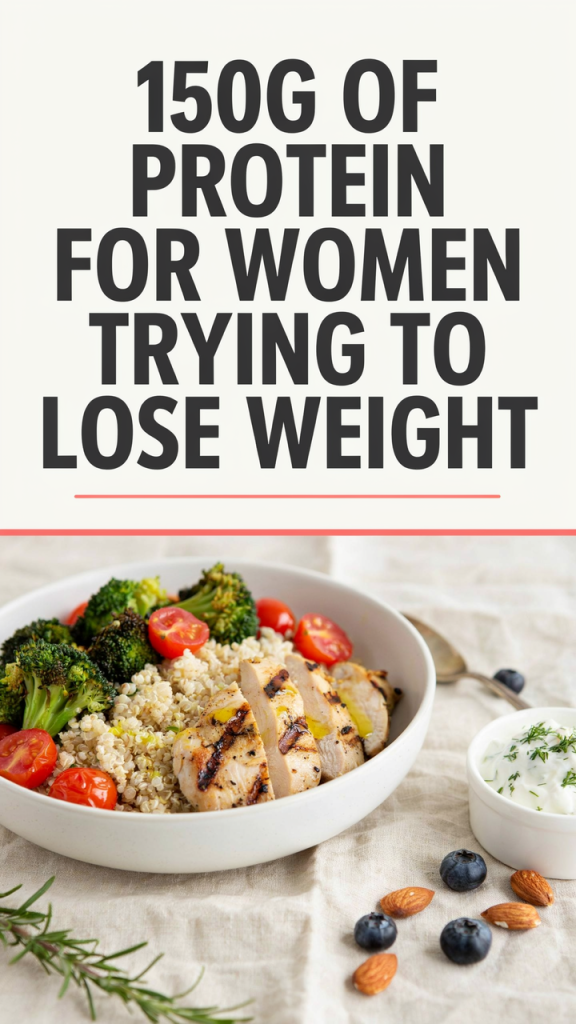
Lunch — Grilled Chicken & Quinoa Salad (approx. 38 g protein)
– Ingredients:
– 6 oz (about 170 g) grilled chicken breast, sliced
– 1/2 cup cooked quinoa
– 2 cups mixed salad greens
– 1/2 cup cherry tomatoes, halved
– 1/4 cup cucumber, diced
– 1 tablespoon olive oil + 1 tablespoon lemon juice (dressing)
– Salt and pepper to taste
– Instructions:
1. If chicken isn’t already cooked, season chicken and grill or pan-sear until internal temp is 165°F (74°C); rest and slice.
2. Combine mixed greens, quinoa, cherry tomatoes, and cucumber in a large bowl.
3. Add sliced chicken on top.
4. Whisk olive oil with lemon juice, season with salt and pepper, and drizzle over salad.
5. Toss lightly and serve.
Afternoon Snack / Post-Workout — Whey Protein Shake (approx. 25 g protein)
– Ingredients:
– 1 scoop whey protein powder (choose a high-quality isolate or concentrate; ~20–25 g protein)
– 8–10 oz water, unsweetened almond milk, or skim milk (milk will add extra protein)
– Optional: a handful of ice or 1/2 banana for texture
– Instructions:
1. Place the whey powder and liquid in a shaker bottle or blender.
2. Add ice or banana if using.
3. Shake or blend for 20–30 seconds until smooth.
4. Drink immediately.
Dinner — Baked Salmon with Quinoa & Steamed Broccoli (approx. 27 g protein)
– Ingredients:
– 4 oz (113 g) salmon fillet
– 1/2 cup cooked quinoa
– 1 cup broccoli florets
– 1 teaspoon olive oil
– Salt, pepper, and lemon wedge
– Instructions:
1. Preheat oven to 400°F (200°C). Place the salmon on a lined baking sheet; season with salt, pepper, and a squeeze of lemon.
2. Bake salmon for 10–12 minutes or until cooked through.
3. Steam or microwave broccoli until tender crisp (about 3–4 minutes).
4. Reheat or prepare quinoa as directed.
5. Plate salmon with quinoa and broccoli, drizzle olive oil over veggies, and serve.
Evening Snack / Dessert — Cottage Cheese & Berries (approx. 14 g protein)
– Ingredients:
– 1/2 cup low-fat cottage cheese
– 1/4 cup mixed berries (fresh or thawed frozen)
– Optional: pinch of cinnamon or a few chopped walnuts
– Instructions:
1. Spoon cottage cheese into a bowl.
2. Top with berries and optional cinnamon or walnuts.
3. Stir if you like or eat as a layered snack.
Daily Approximate Protein Totals
– Breakfast: ~32 g
– Mid-morning snack: ~14 g
– Lunch: ~38 g
– Afternoon shake: ~25 g
– Dinner: ~27 g
– Evening snack: ~14 g
– Total ≈ 150 g
Alternatives and Swaps
If you prefer plant-based options or have dietary restrictions, here are direct swaps that maintain high protein:
- Replace whey shake with a plant-based protein blend (pea + rice) — aim for 25–30 g per scoop.
- Replace chicken with 1 cup cooked lentils + 3 oz tempeh for a mixed plant-protein lunch.
- Replace salmon with 6 oz firm tofu (marinated and baked) + additional edamame side.
Quick High-Protein Snack Ideas (easy to prep)
These are not full recipes but are straightforward combos you can assemble in seconds:
- 1 hard-boiled egg + 1 string cheese
- 1 small can tuna (in water) with cucumber slices
- 1/2 cup cottage cheese + sliced tomato and cracked pepper
- 1/4 cup roasted edamame + a piece of fruit
- 1 small turkey roll-up (2 oz turkey breast) wrapped around avocado slice
Meal Prep Tips to Make 150g Realistic
- Batch-cook proteins: grill a batch of chicken breasts and portion into 6–8 containers.
- Pre-portion snacks: pack yogurt cups, nuts, and boiled eggs for quick access.
- Use protein powder as a backup to quickly fill gaps in the day.
- Keep calorie balance in mind: higher protein can still be calorie-dense depending on fats and carbs, so match portions to your deficit targets.
- Track for 1–2 weeks using an app to make sure the approach fits your appetite and energy needs; adjust portions if needed.
Training, Protein Timing, and Recovery
- Strength training + high protein = best combination to preserve or increase lean mass while losing fat.
- Aim to consume 20–40 g of protein within a couple hours after resistance training for optimal recovery. A whey shake or a chicken/quinoa meal works well.
- Distribute protein evenly across 3–5 meals to maximize muscle protein synthesis.
Safety and Special Considerations
- Most healthy people tolerate higher-protein diets well. For those with kidney disease or certain metabolic disorders, consult a healthcare professional before raising protein.
- Ensure adequate hydration; higher-protein metabolism increases urea production and requires water to support kidney function.
- Balance: include fiber-rich vegetables and adequate healthy fats to sustain long-term adherence and micronutrient intake.
- If you experience digestive issues when increasing protein, introduce it gradually and consider splitting large servings into smaller, more frequent portions.
Common Questions
- Is 150 g too much for a woman? It depends on bodyweight, activity level, and goals. For an active woman who is strength training and weighs around 60–80 kg, 150 g can be appropriate. For a smaller, sedentary woman, it may be unnecessary.
- Will more protein harm my kidneys? In people with normal kidney function, higher protein diets have not been shown to cause kidney damage. Those with preexisting kidney disease should avoid high-protein diets unless supervised by a physician.
- Can I get 150 g from plant sources? Yes, but it requires more careful planning and often larger portions or protein powders (pea, rice, soy), plus combining complementary plant proteins.
Practical Next Steps
- Decide whether 150 g aligns with your goals, bodyweight, and training level — if in doubt, consult a registered dietitian.
- Try the sample day above for a week and monitor energy, hunger, workout performance, and weight/body-composition changes.
- Adjust portions (especially fats and carbs) to maintain a calorie deficit if your primary goal is fat loss.
- Use protein powder strategically rather than as a meal replacement every day—whole foods provide additional micronutrients and satiety.
Conclusion
Hitting 150 grams of protein per day is an achievable, practical strategy for many women who want to lose fat while maintaining or building lean muscle — especially if you lift weights or train regularly. The key is planning: prioritize a protein source at every meal, distribute intake across the day, and use quick tools like Greek yogurt, cottage cheese, canned tuna, pre-cooked chicken, and protein powders to fill gaps.
This guide provided the rationale, a clear sample day with recipes (each with ingredients and step-by-step instructions), substitutions for different diets, and practical meal prep tips. Start by trying the sample day for a week, tweak portion sizes to match your calorie goals, and monitor how you feel. With consistent protein focus and smart training, you can preserve muscle, control hunger, and make your weight-loss journey more sustainable and satisfying.
If you’d like, I can customize a 7-day meal plan at 150 g/day based on your calorie target, food preferences, and training schedule. Would you like that?
