
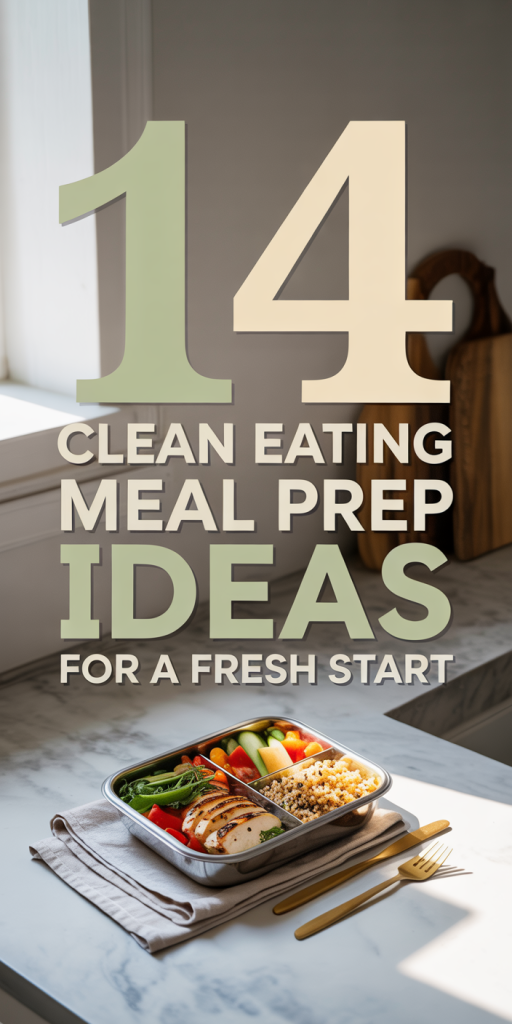
14 Clean Eating Meal Prep Ideas for a Fresh Start
We’re beginning 2025 with a simple pledge: eat cleaner, move easier, and make meal prep actually work for our lives. Clean eating isn’t about restriction or trends, it’s about prioritizing whole foods, simple ingredients, and practical routines that keep us energized and save time. In this guide we’ll share 14 clean eating meal prep ideas, plus the tools, pantry staples, storage tips, and a sample 7-day plan to help you hit the ground running. Whether you’re new to meal prep or looking to refresh your routine, these recipes and strategies are designed to be flexible, flavor-forward, and realistic for busy weeks. Let’s get started.
Why Choose Clean Eating Meal Prep This Year
Clean eating meal prep gives us a few clear wins: consistent energy, better portion control, less food waste, and faster weeknights. In 2026 we’re seeing more people prioritize foods that are minimally processed, nutrient-dense, and easy to assemble. When we prep meals ahead, we reduce decision fatigue, that late-afternoon question of “What should I eat?“ becomes a solved problem.
Beyond convenience, clean meal prep supports long-term habits. Preparing balanced meals with whole grains, lean proteins, healthy fats, and lots of vegetables helps stabilize blood sugar and keeps cravings in check. It’s not about perfection: it’s about stacking small, repeatable actions that produce big results over time. Plus, meal prep saves money: buying whole ingredients and cooking in batches reduces the premium we pay for convenience.
Finally, clean eating is highly adaptable. Whether we’re vegetarian, pescatarian, following a low-carb approach, or just leaning into more plants, these ideas can be adjusted to fit our goals without sacrificing flavor.
How To Use These 14 Meal Prep Ideas
Treat these 14 ideas as building blocks. We recommend picking 3–5 recipes each week depending on how often you want to cook and how many meals you’ll prep. Mix proteins, grains, and vegetables so you don’t get bored: roast a big tray of vegetables one night and repurpose them across lunches, bowls, and omelets.
Here’s a simple approach we use: designate one day for batch-cooking (often Sunday or Monday morning). Start with the longest-cooking items, grains, roasted roots, and proteins, then move to quick assembly tasks like chopping herbs and making dressings. Store components separately when possible to maintain texture: keep dressings and crunchy toppings in small jars and add them just before eating.
We also suggest tracking a short list of staples and rotating seasonal produce. That keeps costs down and variety up. And don’t forget to test one or two new recipes each week so the routine stays interesting.
Essential Meal Prep Tips, Tools, and Pantry Staples
A few practical items speed up everything: good knives, a rice cooker or Instant Pot, sturdy sheet pans, mixing bowls, airtight containers, and a digital kitchen scale. We prefer glass containers with snap lids, they’re durable, microwave-safe, and transparent so nothing gets forgotten.
Must-have pantry staples for clean eating meal prep:
- Extra virgin olive oil and avocado oil
- Canned beans (low-sodium) and canned tomatoes
- Whole grains: brown rice, quinoa, farro
- Nuts, seeds, and nut butters
- Dried herbs and spices (smoked paprika, cumin, oregano, chili flakes)
- Low-sodium soy sauce or tamari, rice vinegar, Dijon mustard
- Rolled oats and chia seeds
- Frozen vegetables and berries for convenience and savings
Meal prep tips we actually use:
- Portion as you store: divide lunches into single-serve containers to avoid overreaching.
- Label containers with contents and date, a simple sticker prevents mystery fridge finds.
- Use foam or silicone mats on sheet pans to reduce cleanup.
- Keep a “salad jar” kit with dressings in small containers: swap ingredients through the week.
These small systems prevent waste, save time, and make healthy choices the easy choices.
14 Clean Eating Meal Prep Ideas (With Prep Notes and Variations)
Below are 14 recipes and kits we rely on. For each, we include quick prep notes and variations so you can adapt based on what’s in your pantry.
1. Mediterranean Grain Bowls With Lemon Herb Dressing
Prep notes: Cook a batch of farro or quinoa and roast a tray of vegetables (eggplant, cherry tomatoes, zucchini). Make a lemon-herb dressing with lemon juice, olive oil, garlic, and parsley. Assemble bowls with a base of grains, veggies, a scoop of hummus, and toasted pine nuts.
Variations: Swap farro for barley or bulgur: add grilled chicken or canned tuna for extra protein.
2. Asian-Inspired Salmon Meal Prep With Veggies
Prep notes: Roast or pan-sear salmon fillets brushed with a simple glaze (tamari, honey, ginger, garlic). Steam broccoli and edamame: serve over brown rice or soba noodles.
Variations: Use tofu or shrimp. Change the glaze to a miso-maple sauce for a different profile.
3. Mason Jar Salads With Protein-First Layering
Prep notes: Layer in this order to keep ingredients crisp, dressing, hearty veggies (cucumbers, carrots), grains/beans, proteins (chicken, chickpeas), leafy greens on top. When inverted into a bowl, everything mixes effortlessly.
Variations: Rotate dressings (balsamic, tahini-lemon) and proteins weekly to avoid monotony.
4. Sheet Pan Chicken and Roasted Seasonal Vegetables
Prep notes: Toss chicken thighs or breasts with olive oil, garlic, lemon, and herbs. Add a mix of root vegetables and roast at 425°F until golden. Divide into containers with a wedge of lemon.
Variations: Make it vegetarian by using cauliflower steaks and chickpeas.
5. Vegetarian Power Bowls With Roasted Chickpeas and Greens
Prep notes: Roast spiced chickpeas until crispy. Combine with sautéed kale, roasted sweet potato, quinoa, and a tahini drizzle.
Variations: Add a soft-boiled egg if we want extra protein or swap kale for spinach.
6. Turkey or Lentil Bolognese Over Spaghetti Squash
Prep notes: Simmer lean turkey or lentils with onion, garlic, crushed tomatoes, and Italian seasoning for a thick ragu. Roast or microwave spaghetti squash and top with the sauce.
Variations: Use zucchini noodles or whole-grain pasta for a different texture.
7. Southwest Burrito Bowls With Cilantro Lime Cauli-Rice
Prep notes: Make cauliflower “rice” in a food processor: sauté briefly with lime zest and cilantro. Layer with black beans, roasted corn, pico de gallo, avocado, and grilled chicken or tempeh.
Variations: Turn components into wraps for an easy lunch-on-the-go.
8. Make-Ahead Breakfast Egg Muffins With Veggies
Prep notes: Whisk eggs with a splash of milk, chopped spinach, bell pepper, onion, and feta. Pour into a muffin tin and bake at 350°F for 18–20 minutes. Store in the fridge for 4–5 days.
Variations: Make a dairy-free version with nutritional yeast and extra herbs.
9. Overnight Oats and Chia Jars for Quick Breakfasts
Prep notes: Mix rolled oats, milk (or plant milk), chia seeds, and a touch of maple syrup. Layer with berries or sliced banana. These keep for 3–4 days in the fridge.
Variations: Add Greek yogurt for extra protein or stir in cacao nibs for crunch.
10. Hearty Vegetable and Bean Soups for Freezer-Friendly Meals
Prep notes: Make a large pot of minestrone, lentil soup, or black bean chili. Cool quickly and portion into freezer-safe containers.
Variations: Puree half of a roasted squash into soup for a creamy texture without cream.
11. Stir-Fry Kits With Pre-Cut Veggies and Sauce Packs
Prep notes: Chop peppers, snap peas, broccoli, and carrots into single-serve bags. Mix a simple sauce (tamari, rice vinegar, sesame oil, garlic) into small jars. When it’s dinnertime, stir-fry with your protein choice.
Variations: Pack brown rice or cauliflower rice on the side for different carbs.
12. Greek Yogurt Parfait Packs With Fresh Fruit and Nuts
Prep notes: Portion Greek yogurt into small containers and add a separate cup for toppings: granola, berries, and toasted walnuts. Add honey just before eating.
Variations: Use skyr or dairy-free yogurt for dietary needs.
13. Stuffed Bell Peppers With Quinoa and Lean Protein
Prep notes: Mix cooked quinoa, black beans or ground turkey, corn, diced tomatoes, and spices. Stuff into halved bell peppers and bake until peppers are tender.
Variations: Swap bell peppers for roasted portobello mushrooms for a low-carb option.
14. Healthy Snack Boxes: Hummus, Veggies, Nuts, and Fruit
Prep notes: Build balanced snack boxes with carrot sticks, cucumber slices, a small portion of hummus, a handful of almonds, and a piece of fruit. These are perfect for meetings or kids’ lunches.
Variations: Replace hummus with tzatziki or a bean dip for variety.
Sample 7-Day Meal Prep Plan Using These Ideas
Here’s one practical week we can follow using the recipes above. We assume two prepared meals per day (lunch and dinner), breakfasts from the make-ahead options, and snacks from the snack boxes.
Day 1 (Sunday prep): Roast vegetables, cook grains, bake egg muffins, make overnight oats, and cook turkey bolognese.
Day 2 (Monday): Breakfast, overnight oats: Lunch, Mediterranean grain bowl: Dinner, sheet pan chicken and roasted vegetables.
Day 3 (Tuesday): Breakfast, egg muffin: Lunch, mason jar salad with leftovers from the sheet pan: Dinner, Asian-inspired salmon with brown rice.
Day 4 (Wednesday): Breakfast, yogurt parfait: Lunch, vegetarian power bowl with roasted chickpeas: Dinner, turkey or lentil bolognese over spaghetti squash.
Day 5 (Thursday): Breakfast, overnight oats: Lunch, southwest burrito bowl: Dinner, stir-fry using the pre-cut kit and brown rice.
Day 6 (Friday): Breakfast, egg muffin: Lunch, stuffed bell pepper: Dinner, hearty vegetable and bean soup (freeze half for later).
Day 7 (Saturday): Breakfast, yogurt parfait: Lunch, salmon or leftover grain bowl: Dinner, homemade pizza with cauliflower crust and lots of veggies (light, social meal).
We recommend leaving one flexible dinner night for eating out, leftovers, or trying a new recipe. That way the plan feels sustainable instead of restrictive.
Storage, Reheating, and Food Safety Best Practices
Proper storage keeps our meals tasting fresh and prevents foodborne illness. Here’s what we follow:
- Refrigeration: Store cooked food in the fridge within two hours of cooking. Eat refrigerated meals within 3–4 days.
- Freezing: Soups, sauces, cooked grains, and many proteins freeze well for 2–3 months. Label with the date.
- Thawing: Move frozen items to the fridge overnight to thaw safely. Avoid thawing at room temperature.
- Reheating: Reheat to 165°F (74°C) when reheating proteins or mixed dishes. Use a microwave or oven to maintain texture, ovens work best for roasted vegetables.
- Keep dressings and crunchy toppings separate until serving to preserve texture.
We also recommend rotating older containers to the front of the fridge and doing a weekly fridge check. If something smells off or shows visible mold, toss it. When in doubt, don’t risk it, bite-sized risks aren’t worth a tougher stomach and a lost workout.
Adjusting Portions and Macros for Your Goals
Portion control is individual. We suggest starting with rough targets and adjusting based on energy levels and progress. A simple framework:
- For maintenance: Aim for balanced plates, roughly 1/4 lean protein, 1/4 whole grains or starchy veg, and 1/2 non-starchy vegetables.
- For fat loss: Slightly reduce starchy carbs and monitor portions of calorie-dense add-ons (nuts, oils). Increase non-starchy vegetables and lean proteins.
- For muscle gain: Increase lean protein portions and add a bit more carbohydrate around workouts (rice, potatoes, oats).
We find these serving-size cues useful: a palm-sized protein per meal for women, two palms for men (adjust for activity), a cupped handful of grains, and two fist-sized portions of vegetables. Use a digital scale and apps if you want precision for tracking macros. But remember: consistency matters more than perfection. If our meals are mostly whole foods and portioned reasonably, we’ll see progress.
Troubleshooting Common Meal Prep Challenges
Common problems pop up, but they’re fixable.
- Boredom: Rotate dressings, switch grains, and try different spice blends. We like a monthly theme (Mediterranean week, Southwest week) to keep things interesting.
- Time constraints: Use shortcuts, frozen veggies, pre-washed greens, rotisserie chicken, or pantry beans. One-pot meals like soups and bakes cut active cooking time.
- Texture changes: Store crunchy items separately. Re-roast vegetables for 5–10 minutes to refresh them before eating.
- Overeating leftovers: Portion into single-serve containers immediately: label them. If we still overeat, freeze half the portions to lock in control.
- Food waste: Plan for repurposing. Roast extra veggies for omelets, blend wilting greens into pesto, and turn leftover grains into patties.
We keep a short troubleshooting checklist on the fridge: “Which protein? Which grain? Which veg?“ That two-second decision helps us stay on track when we’re hurried or tired.
Conclusion
Heading into 2025, clean eating meal prep can be both practical and delicious. These 14 meal ideas give us a flexible framework to build weekly plans, reduce kitchen stress, and support health goals without drastic rules. Start small: pick two breakfasts, three lunches/dinners, and a snack system. Prep once, adapt often, and keep the flavors interesting. Over time, these consistent choices compound into better energy, saved time, and fewer last-minute convenience meals. Let’s make this year the one where clean eating becomes simple, enjoyable, and sustainable.
