
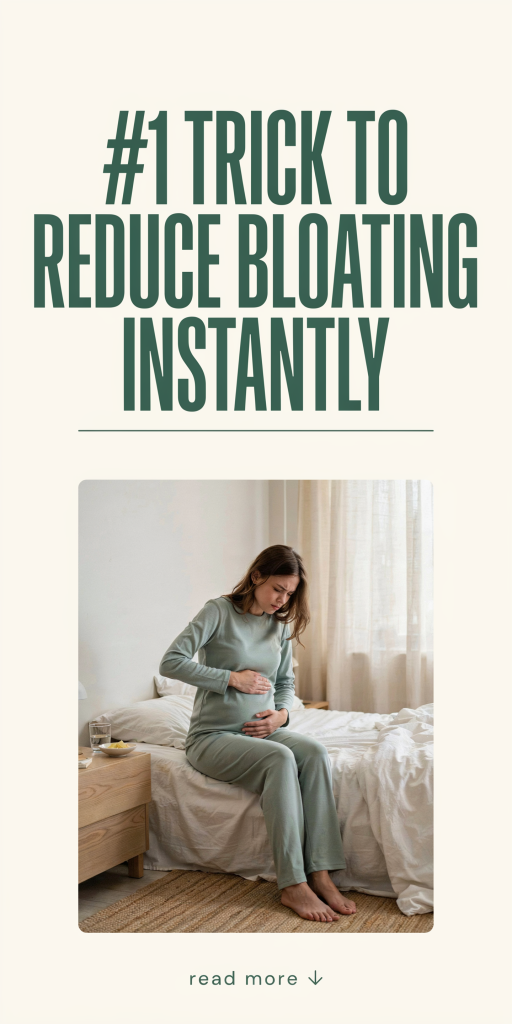
The 1 Trick To Reduce Bloating Instantly: One Breath For Rapid Relief
Bloating can turn an otherwise normal day into a parade of discomfort: tight pants, sluggish energy, and a constant awareness of your midsection. We’ve all been there, after a large meal, a stressful meeting, or even a long flight, that sudden puffiness shows up and demands attention. The good news is you don’t always need medicine, a long walk, or complicated maneuvers to feel better. In this text we’ll explain a simple, evidence-informed single-breath technique that often gives immediate relief, why it works, and how to use it safely. We’ll also cover the best body positions, timing, and quick complementary fixes to help keep bloating from coming back. Read on and keep this one-breath reset in your toolkit, because sometimes the fastest, most effective solutions are the simplest.
Why Bloating Happens And What It Feels Like
Bloating isn’t one single problem, it’s a symptom with many causes. At its base, bloating is the sensation of increased abdominal pressure or fullness. Physically, bloating may be due to excess gas in the digestive tract, slowed intestinal movement, water retention in tissues, or increased tension in the abdominal muscles. Sometimes it’s a combination of these.
Common triggers we see include eating quickly (swallowing air), consuming gas-producing foods (beans, some cruciferous vegetables, carbonated drinks), food intolerances (lactose, fructose, FODMAPs), and stress-related changes to gut motility. Hormonal shifts, especially during the menstrual cycle, can cause transient water retention and a puffy feeling. Certain medications, constipation, and small intestinal bacterial overgrowth (SIBO) are other contributors.
How it feels matters: bloating can be a visible distention (your belly looks larger) or an internal sensation of pressure without much visible change. It can be accompanied by cramping, belching, flatulence, or reduced appetite. Importantly, sudden, severe bloating or bloating with weight loss, blood in stool, or persistent pain needs medical evaluation. For the routine, non-alarming bloating most of us experience, modifying breathing and posture can make surprisingly fast improvements, because the diaphragm, abdominal wall, and autonomic nervous system are all connected to how gas moves and how our body perceives that pressure.
The 1 Trick To Reduce Bloating Instantly (And Why It Works)
The single most reliable trick we use for instant relief is a focused diaphragmatic exhale with a gently engaged pelvic floor, one long, controlled breath that stimulates the vagus nerve and encourages gas movement while relaxing abdominal tension. We’ll call it the “single deep exhale reset.”
Why this works: the diaphragm is the primary muscle of breathing and sits directly above the abdominal cavity. A purposeful deep inhale followed by a slow, extended exhale lengthens the exhalation phase, activating the parasympathetic system (rest-and-digest). That reduces stress-driven gut tension, slows a racing heart, and can shift how the intestines move. The downward and upward motion of the diaphragm during this maneuver massages the gut and can help mobilize trapped gas.
At the same time, gently engaging the pelvic floor on the exhale provides a mild internal support that helps direct pressure changes through the abdomen in a way that favors expulsion and redistribution of gas, rather than increased outward protrusion. The combined action, diaphragm movement, vagal stimulation from long exhalation, and pelvic floor engagement, often produces a tangible decrease in pressure and visible flattening within a single breath or a few repetitions.
We emphasize “gentle”, this isn’t a Valsalva maneuver (forceful bearing down), which can raise blood pressure and cause strain. The trick is controlled, calm, and intentional breathing with subtle core awareness.
How To Do The Trick: Step-By-Step
Here’s a precise sequence we teach so you can get the reset when you need it most.
- Position yourself comfortably: sit or stand tall, or lie on your back with knees bent (we’ll cover best positions in the next sub-section). Close your eyes if you can, this improves focus.
- Inhale slowly through the nose for about 3–4 seconds, allowing the belly to expand as the diaphragm drops. Avoid shrugging your shoulders, keep them relaxed.
- Pause gently for one second at the top of the inhale.
- Exhale slowly through the mouth for 6–8 seconds, making the out-breath longer than the in-breath. As you exhale, lightly draw the lower belly in and lift the pelvic floor (imagine stopping the flow of urine). The movement should be subtle, no straining.
- After the exhale, rest for a moment and feel the abdomen settle. You may notice burping or a shift in gas, both are fine.
- Repeat this sequence 2–4 times, checking in with how your belly feels. Often one well-executed breath gives meaningful relief: repeating amplifies the effect.
Key points: keep the exhale slow and smooth, avoid forcing your breath, and pair the breath with a tiny, gentle pelvic floor lift rather than a hard bearing down. It’s the combination of lengthened exhalation and subtle core coordination that tends to produce immediate change.
When To Use The Trick And Who Should Avoid It
This breathing reset is appropriate for most people experiencing routine, non-severe bloating. Use it when you feel fullness, mild to moderate distension, or abdominal tension related to meals, gas, or stress. It’s also a practical intervention before standing up after a long sit, before exercising post-meal, or during travel when movement options are limited.
Who should be cautious or avoid it entirely? People with unstable cardiovascular conditions (recent heart attack, uncontrolled high blood pressure), those with severe chronic respiratory disease who can’t sustain extended exhalations, and individuals with certain pelvic floor dysfunctions should consult their clinician before trying new breath-based maneuvers. Pregnant people can generally use gentle diaphragmatic breathing but should avoid deep pelvic floor contractions late in pregnancy: modifications are discussed below.
Red flags that require medical attention rather than breathing techniques: severe abdominal pain, fever, persistent vomiting, unexplained weight loss, blood in stool, or inability to pass gas or stool. These signs may indicate an acute condition needing evaluation. For routine bloating, though, this single-breath reset is low-risk and often highly effective.
Quick Complementary Fixes And What To Avoid
The breath trick is powerful, but combining it with a few quick habits increases the odds of fast and lasting relief. These complementary fixes are practical and easy to do when you’re at home, work, or on the go.
Move gently: After a breath reset, a short walk, 5 to 10 minutes, helps intestinal transit and encourages gas to move. Even simple pelvic tilts or a few gentle yoga twists can assist.
Sip warm water or herbal tea: Warm liquids relax the gut and can encourage peristalsis. Peppermint or ginger tea are classic choices for reducing gas and cramping sensations.
Try an abdominal massage: With hands on the abdomen, use gentle circular strokes clockwise (direction of colon travel) to help move gas along.
Use over-the-counter aids sparingly: Simethicone or activated charcoal may help some people with gas: digestive enzymes can help with certain food intolerances. Use them judiciously and consult your clinician for frequent issues.
Avoid these aggravators in the short term: carbonated beverages, chewing gum, drinking through a straw, and large servings of high-FODMAP foods when you’re already bloated. Also skip tight clothing that compresses the abdomen: give your belly room to move.
Eat mindfully: slowing your pace, taking smaller bites, and pausing between mouthfuls reduces swallowed air and gives your digestive system time to process.
These measures, paired with the breath reset, form a quick-response toolkit. Use what’s practical in the moment, often the combination of one controlled breath plus a short walk or a warm sip produces faster and more durable relief than any single tactic alone.
Conclusion
Bloating is a common, often frustrating experience, but we can usually take fast, effective action with a simple reset: a controlled diaphragmatic exhale paired with gentle pelvic floor engagement. That single breath works by improving diaphragm mobility, stimulating the parasympathetic nervous system, and encouraging gas movement. Practiced in the right position and combined with small supportive steps (a short walk, warm sips, or gentle massage), it can provide immediate relief for many of the everyday causes of bloating. If symptoms are severe, persistent, or worryingly abnormal, we should seek medical advice. Otherwise, add this one-breath tool to your routine and practice it when you’re well, so when bloating arrives, relief is just one confident breath away.

