The 1 Anti-Inflammatory Spice That Actually Works: How Turmeric (Curcumin) Can Reduce Pain And Swelling
Inflammation is a word we hear everywhere, from headlines about diet trends to conversations with our doctors. But not all inflammation is the same. Short bursts of inflammation help us heal: chronic, low-grade inflammation quietly raises the risk of pain, metabolic disease, and more. In this text we focus on a culinary star with robust evidence behind it: turmeric, and more specifically its active compound curcumin. We’ll explain how curcumin works at the molecular level, summarize clinical studies through 2026, show practical ways to use turmeric safely, and flag important cautions. Our goal is to give you clear, evidence-based guidance so you can decide whether turmeric fits into your anti-inflammatory approach, and how to get real benefits rather than just spice-shelf optimism.
Why Inflammation Matters — Short-Term vs. Chronic Effects
Inflammation is the immune system’s response to injury, infection, or irritation. In acute situations, like when we sprain an ankle or catch a cold, inflammation brings immune cells and nutrients to the site, helps clear pathogens, and initiates repair. It’s short-lived and adaptive. The problem arises when inflammation becomes chronic: persistent, low-level immune activation that continues long after the initial trigger.
Chronic inflammation is linked to pain and structural damage (think osteoarthritis flare-ups), but it’s also implicated in systemic conditions such as cardiovascular disease, type 2 diabetes, Alzheimer’s, and certain cancers. Unlike acute inflammation, chronic inflammation often lacks dramatic symptoms early on: instead, it manifests as fatigue, mild pain, brain fog, or progressive organ dysfunction. That’s why addressing chronic inflammation is a preventive as well as symptomatic strategy.
From a practical perspective, reducing chronic inflammatory signaling can lower pain, slow tissue damage, and improve metabolic markers. Lifestyle changes (weight management, sleep, stress reduction, exercise) are foundational. Still, adjuncts like anti-inflammatory foods and targeted supplements can provide measurable support, and curcumin is among the most studied nutritional agents for this purpose.
Meet The 1 Anti-Inflammatory Spice: Turmeric And Its Active Compound Curcumin
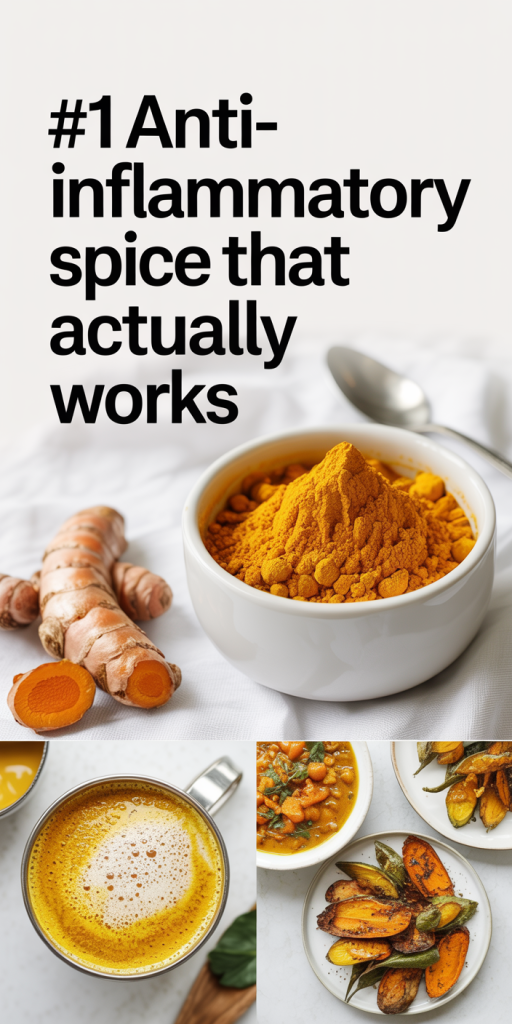
Turmeric (Curcuma longa) is a bright yellow-orange rhizome used in South Asian cooking and traditional medicine for centuries. The spice’s characteristic color comes from curcuminoids, a family of polyphenolic compounds: curcumin is the most abundant and studied of these. When we reference turmeric’s anti-inflammatory benefits in modern research, we’re almost always talking about curcumin.
Curcumin is multifunctional: it has antioxidant properties, modulates immune responses, and interacts with multiple cell signaling pathways. That doesn’t mean it’s a miracle cure, but compared with many single-target pharmaceuticals, curcumin’s capacity to influence several inflammation-related mechanisms simultaneously is valuable.
In practical terms, there are two ways we encounter curcumin: culinary turmeric (low, variable curcumin content) and standardized curcumin extracts (higher, measurable doses). Most clinical trials use concentrated curcumin formulations, sometimes combined with ingredients that boost absorption. As we’ll show, the difference between culinary spice and therapeutic extract matters a great deal when the goal is measurable anti-inflammatory effects.
How Curcumin Reduces Inflammation
Curcumin’s anti-inflammatory effects come from its influence on multiple molecular targets. Instead of blocking a single enzyme, curcumin acts broadly, modulating transcription factors, cytokines, enzymes, and other signaling molecules involved in the inflammatory cascade. This multi-pronged action helps explain why curcumin can reduce pain and swelling in diverse conditions from osteoarthritis to metabolic inflammation.
We’ll summarize two key aspects here: the molecular pathways curcumin affects, and practical formulation issues that determine whether curcumin reaches those targets in our bodies.
Molecular Pathways And Inflammatory Targets Of Curcumin
Curcumin interacts with several central players in inflammation:
- NF-κB (nuclear factor kappa-light-chain-enhancer of activated B cells): Curcumin inhibits NF-κB activation, which reduces transcription of many pro-inflammatory genes including cytokines (IL-1, IL-6, TNF-α) and adhesion molecules. Downregulating NF-κB is a major route by which curcumin lowers systemic inflammatory signaling.
- COX and LOX enzymes: Curcumin shows inhibitory effects on cyclooxygenase (COX) and lipoxygenase (LOX) pathways, which produce prostaglandins and leukotrienes, mediators of pain and swelling. The effect is milder than NSAIDs but contributes to overall reduction.
- Cytokine modulation: Curcumin reduces pro-inflammatory cytokines (TNF-α, IL-6) and can increase anti-inflammatory cytokines in some contexts.
- Reactive oxygen species (ROS): As an antioxidant, curcumin neutralizes ROS and upregulates endogenous antioxidant defenses (e.g., Nrf2 pathway), indirectly lowering inflammation triggered by oxidative stress.
- Immune cell behavior: Curcumin influences macrophage polarization (favoring a less inflammatory M2 phenotype in some studies) and modulates T-cell responses, which can reduce chronic immune activation.
These combined effects mean curcumin acts like a mild, multi-targeted regulator of inflammation rather than a single-shot blocker. That profile makes it attractive for chronic, multifactorial conditions.
Scientific Evidence And Notable Clinical Studies
A growing body of randomized controlled trials (RCTs) and meta-analyses supports curcumin’s benefits for certain inflammatory conditions. Here are highlights from high-quality work up to 2026.
- Osteoarthritis: Multiple RCTs show curcumin (typically 500–1,500 mg/day of standardized extract or an enhanced formulation) reduces pain and improves function versus baseline and often compares favorably with NSAIDs for mild-to-moderate symptoms, with fewer gastrointestinal side effects. Meta-analyses report moderate effect sizes, especially with bioavailable formulations.
- Rheumatoid arthritis and inflammatory arthritis: Smaller trials and pilot studies indicate reduced joint pain and inflammatory markers with curcumin adjunctive therapy, but results are heterogenous. Curcumin appears useful as a complementary therapy rather than a standalone disease-modifying agent.
- Metabolic inflammation and biomarkers: Trials in people with metabolic syndrome, obesity, or type 2 diabetes report improvements in CRP, fasting glucose, and lipid profiles with curcumin supplementation, suggesting systemic anti-inflammatory and metabolic benefits.
- Postoperative and acute inflammatory pain: Curcumin has been studied as an adjunct to reduce postoperative inflammation and pain, with some positive findings on swelling and analgesic requirements.
- Depression and neuroinflammation: Preliminary trials link curcumin to modest improvements in depressive symptoms, possibly via anti-inflammatory and neuroprotective mechanisms: larger trials are ongoing.
Importantly, better-designed studies typically use enhanced-bioavailability products and report clearer benefits. While curcumin won’t replace proven medical therapies where indicated, the evidence supports its role as a complementary anti-inflammatory agent in several contexts.
How To Use Turmeric Safely For Anti-Inflammatory Benefits
If we want to use turmeric or curcumin for inflammation, practical choices determine outcomes. Culinary turmeric is great for diet diversity and adds consistent, low-dose curcuminoids to meals. But, therapeutic anti-inflammatory effects in clinical trials usually come from concentrated and well-formulated curcumin products. Below we outline culinary approaches and supplement strategies so we can make informed decisions that balance safety, convenience, and efficacy.
Potential Side Effects, Drug Interactions, And Who Should Be Cautious
Curcumin is generally well tolerated in the doses used in clinical trials, but it’s not risk-free. We should be mindful of side effects, interactions, and specific populations that require caution.
Common adverse effects:
- Gastrointestinal upset: High doses can cause nausea, bloating, diarrhea, or acid reflux in some people.
- Gallbladder issues: Because curcumin can stimulate bile flow, people with gallstones or bile duct obstruction should avoid high-dose supplements unless supervised by a clinician.
Drug interactions and cautions:
- Anticoagulants/antiplatelet drugs: Curcumin has mild blood-thinning properties and may increase bleeding risk when combined with warfarin, aspirin, clopidogrel, or direct oral anticoagulants. We should consult our prescriber before starting curcumin.
- Chemotherapy and prescription drugs: Curcumin can affect drug-metabolizing enzymes (CYPs), potentially altering levels of certain medications. Coordination with an oncologist or prescribing physician is essential when on critical-dose drugs.
- Diabetes medications: Curcumin can lower blood glucose modestly: if we’re on hypoglycemic agents, we’ll monitor glucose to avoid unexpected drops.
- Pregnancy and breastfeeding: High-dose curcumin supplements are generally not recommended during pregnancy due to limited safety data and potential uterine-stimulating effects: culinary turmeric in food amounts is typically safe.
Special populations:
- Children: Use with pediatric guidance, therapeutic dosing is not routinely recommended without medical oversight.
- Surgical patients: Because curcumin may affect clotting, stop high-dose supplements at least 1–2 weeks before elective surgery unless cleared by a surgeon.
In our view, curcumin’s safety profile is favorable when used thoughtfully. The smart path is to treat it like any active supplement: check interactions, choose high-quality formulations, start at lower doses, and involve our healthcare provider when we have chronic conditions or take prescription medications.