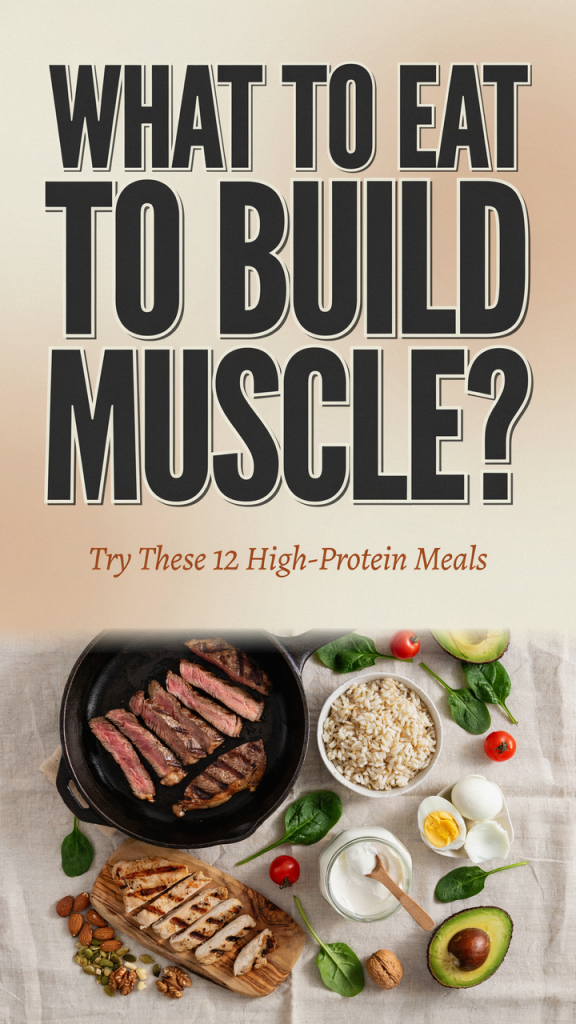
What Should I Eat to Build Muscle? Try These 12 High-Protein Meals
Building muscle is about more than lifting heavier weights — what you eat matters just as much. If your goal is to gain lean mass, preserve strength, and recover faster, a steady intake of high-quality protein spread across the day is essential. Below you’ll find an evidence-based overview of protein needs and meal timing, plus 12 delicious, practical high-protein meals you can use to support muscle growth. Each meal includes ingredients and step-by-step instructions so you can start cooking today.
Why protein matters for muscle growth
Protein provides the amino acids your body uses to repair and build muscle tissue after resistance training. When combined with progressive overload (lifting heavier or doing more reps over time), adequate protein intake increases muscle protein synthesis — the process that leads to hypertrophy. Dietary protein also helps preserve lean mass during calorie deficits and contributes to satiety, making it easier to stick to a nutrition plan.
Key points:
– Complete proteins (animal sources, soy, or a smart combination of plant sources) provide all essential amino acids.
– Leucine is a key trigger for muscle protein synthesis; aim to include leucine-rich foods like dairy, whey, beef, and soy.
– Protein timing matters less than total daily intake, but distributing protein across 3–5 meals can maximize synthesis.
How much protein should I eat to build muscle?
General guidelines for people aiming to increase muscle mass:
– 1.6–2.2 grams of protein per kilogram of body weight per day (0.7–1.0 g/lb) is effective for most people.
– If you’re older, recovering from injury, or in a calorie deficit, aim toward the higher end.
– Combine protein with carbohydrates after workouts for optimal recovery and glycogen replenishment.
Example: A 75 kg (165 lb) person should aim for roughly 120–165 grams of protein per day spread across meals and snacks.
When to eat protein: timing and distribution
- Aim for 20–40 grams of protein per meal depending on body size and goals.
- Have a protein-rich snack or meal within 1–2 hours after resistance training to help recovery.
- Include slow-digesting proteins (cottage cheese, casein) before bed if you want sustained amino acid availability overnight.
How to use this list
Below are 12 high-protein meals you can rotate through weekly. Each recipe includes ingredients and numbered instructions. Many are easily scaled for meal prep. Where possible I include an approximate protein estimate per serving to help you track macros.
12 High-Protein Meals
1) Greek Yogurt Power Parfait (approx. 35–40 g protein)
Ingredients:
– 1 1/2 cups (350 g) plain nonfat Greek yogurt
– 1 scoop (25–30 g) whey or plant-based protein powder (vanilla or unflavored)
– 1/2 cup (50 g) rolled oats (or cooked)
– 1/2 cup mixed berries (fresh or frozen)
– 2 tbsp chopped nuts (almonds or walnuts)
– 1 tsp honey or maple syrup (optional)
Instructions:
1. Stir the protein powder into the Greek yogurt until smooth.
2. If using raw oats, mix them in or use quick-cooked oats for texture.
3. Layer yogurt mixture, oats, and berries in a bowl or jar.
4. Top with nuts and a drizzle of honey if desired.
5. Chill for 10 minutes if you prefer the oats softened — serve immediately.
2) Grilled Chicken & Quinoa Bowl (approx. 45 g protein)
Ingredients:
– 6 oz (170 g) boneless, skinless chicken breast
– 1 cup cooked quinoa (about 185 g cooked)
– 1 cup steamed broccoli florets
– 1/2 cup diced bell pepper
– 1 tbsp olive oil
– Salt, pepper, paprika, and garlic powder to taste
– 1 tbsp lemon juice
Instructions:
1. Season chicken with salt, pepper, paprika, and garlic powder; drizzle with 1/2 tbsp olive oil.
2. Grill or pan-sear chicken 6–8 minutes per side until internal temp reaches 165°F (74°C). Let rest 5 minutes and slice.
3. Cook quinoa according to package directions.
4. Steam broccoli until tender-crisp and sauté bell pepper in remaining olive oil for 2–3 minutes.
5. Assemble bowl with quinoa, veggies, and sliced chicken; drizzle lemon juice and adjust seasoning.
3) Turkey & Black Bean Chili (approx. 30–40 g protein per serving)
Ingredients:
– 1 lb (450 g) lean ground turkey
– 1 can (15 oz) black beans, drained and rinsed
– 1 can (14.5 oz) diced tomatoes
– 1 small onion, diced
– 1 bell pepper, diced
– 2 cloves garlic, minced
– 1 cup low-sodium chicken or vegetable broth
– 1 tbsp chili powder, 1 tsp cumin, salt and pepper to taste
– 1 tbsp olive oil
Instructions:
1. Heat olive oil in a large pot over medium heat; sauté onion and bell pepper 3–4 minutes until soft.
2. Add garlic and stir 30 seconds.
3. Add ground turkey and cook until no pink remains, breaking it up with a spoon.
4. Stir in chili powder, cumin, diced tomatoes, black beans, and broth.
5. Bring to a simmer, reduce heat, and cook 20–25 minutes to thicken. Adjust seasoning and serve.
4) Baked Salmon with Sweet Potato & Asparagus (approx. 40–45 g protein)
Ingredients:
– 6 oz (170 g) salmon fillet
– 1 medium sweet potato, cubed
– 8–10 asparagus spears
– 1 tbsp olive oil
– Salt, pepper, paprika, and lemon slices
Instructions:
1. Preheat oven to 400°F (200°C). Toss sweet potato cubes with 1/2 tbsp olive oil, salt, and pepper; spread on a baking sheet.
2. Roast sweet potatoes 15 minutes.
3. Season salmon with salt, pepper, and paprika; place on the baking sheet with sweet potatoes.
4. Add asparagus tossed with remaining oil and a pinch of salt.
5. Roast everything 10–12 more minutes until salmon is flaky and vegetables are tender. Serve with lemon slices.
5) Beef & Vegetable Stir-Fry with Brown Rice (approx. 40–50 g protein)
Ingredients:
– 6 oz (170 g) lean flank steak, thinly sliced
– 2 cups mixed stir-fry vegetables (broccoli, snap peas, bell pepper)
– 1 cup cooked brown rice
– 2 tbsp low-sodium soy sauce or tamari
– 1 tbsp sesame oil
– 1 tsp minced ginger, 1 clove garlic minced
– 1 tsp cornstarch (optional for sauce thickening)
Instructions:
1. Heat sesame oil in a wok or large skillet over high heat.
2. Add steak slices and sear 1–2 minutes per side until browned; remove and set aside.
3. Add garlic and ginger, then vegetables; stir-fry 3–5 minutes until crisp-tender.
4. Return beef to the pan, add soy sauce and cornstarch mixed with 2 tbsp water, and toss to coat.
5. Serve over cooked brown rice.
6) Tofu Scramble with Spinach & Mushrooms (vegan) (approx. 25–30 g protein)
Ingredients:
– 14 oz (400 g) firm tofu, drained and crumbled
– 2 cups baby spinach
– 1 cup sliced mushrooms
– 1 small onion, diced
– 1 tsp turmeric, 1/2 tsp garlic powder, salt and pepper
– 1 tbsp olive oil
– 1 tbsp nutritional yeast (optional, for cheesy flavor)
Instructions:
1. Heat olive oil in a skillet over medium heat; sauté onion and mushrooms until softened.
2. Add crumbled tofu and spices; stir-fry 5–7 minutes until heated through.
3. Stir in spinach and cook until wilted.
4. Mix in nutritional yeast if using. Adjust salt and pepper and serve with whole-grain toast or a side of beans for extra protein.
7) Cottage Cheese & Fruit Protein Bowl (approx. 30–35 g protein)
Ingredients:
– 1 1/2 cups (340 g) low-fat cottage cheese
– 1/2 cup diced pineapple or peaches
– 2 tbsp chia seeds or hemp hearts
– 2 tbsp sliced almonds or chopped walnuts
– 1 tsp cinnamon (optional)
Instructions:
1. Spoon cottage cheese into a bowl.
2. Top with fruit, chia seeds, and nuts.
3. Sprinkle with cinnamon if desired and enjoy immediately.
8) Lentil & Chickpea Curry with Brown Rice (plant-based) (approx. 25–35 g protein)
Ingredients:
– 1 cup dried lentils or 2 cups cooked lentils
– 1 can (15 oz) chickpeas, drained and rinsed
– 1 can (14.5 oz) diced tomatoes
– 1 small onion, diced
– 2 cloves garlic, minced
– 1 tbsp curry powder, 1 tsp turmeric
– 1 cup low-sodium vegetable broth
– 1 tbsp coconut oil or olive oil
– Cooked brown rice to serve
Instructions:
1. Heat oil in a pot, sauté onion until translucent. Add garlic and spices and cook 30 seconds.
2. Add lentils, diced tomatoes, chickpeas, and broth.
3. Bring to a simmer and cook 25–30 minutes until lentils are tender; add more liquid if needed.
4. Adjust seasoning and serve over brown rice.
9) Protein-Packed Omelette with Veggies & Cheese (approx. 30–40 g protein)
Ingredients:
– 3 whole eggs + 3 egg whites (or 1 cup egg whites)
– 1/2 cup diced bell peppers and onions
– 1 cup baby spinach
– 1/4 cup shredded low-fat cheddar or feta
– 1 tsp olive oil
– Salt and pepper
Instructions:
1. Whisk whole eggs and egg whites with salt and pepper.
2. Heat oil in a non-stick skillet, sauté peppers and onions until soft.
3. Add spinach and wilt; pour in eggs and cook until edges set.
4. Sprinkle cheese, fold the omelette, and finish cooking until fully set. Slide onto plate and serve.
10) Tuna & White Bean Salad Wrap (approx. 35 g protein)
Ingredients:
– 1 can (5–6 oz) tuna in water, drained
– 1/2 cup canned cannellini or navy beans, rinsed
– 2 tbsp plain Greek yogurt (or 1 tbsp mayo)
– 1 tbsp Dijon mustard
– 1/4 cup diced celery and red onion
– 1 large whole-wheat tortilla or wrap
– Salt, pepper, and lemon juice
Instructions:
1. Mix tuna, beans, Greek yogurt, Dijon, celery, and onion in a bowl.
2. Season with lemon juice, salt, and pepper.
3. Place filling on the tortilla, wrap tightly, and slice in half. Serve with raw veggies or a side salad.
11) Protein Oat Pancakes with Banana & Berries (approx. 30 g protein)
Ingredients:
– 1 cup rolled oats
– 1 scoop (25–30 g) protein powder
– 1 ripe banana
– 2 eggs
– 1/2 tsp baking powder, pinch of salt
– 1/2 cup berries for topping
– Cooking spray or 1 tsp coconut oil
Instructions:
1. Blend oats in a blender until fine flour forms. Add protein powder, banana, eggs, baking powder, and salt; blend into batter.
2. Heat a non-stick pan over medium heat and spray or oil lightly.
3. Pour 1/4 cup batter per pancake; cook 2–3 minutes per side until golden.
4. Stack pancakes, top with berries, and add a dollop of Greek yogurt or nut butter if desired.
12) Shrimp & Edamame Soba Noodle Bowl (approx. 35–45 g protein)
Ingredients:
– 6–8 oz (170–225 g) cooked shrimp (peeled, deveined)
– 1 cup shelled edamame (cooked)
– 2 servings soba or whole-grain noodles (prepared)
– 2 tbsp low-sodium soy sauce
– 1 tbsp sesame oil
– 1 tsp rice vinegar, 1 tsp honey
– Chopped scallions and sesame seeds for garnish
Instructions:
1. Prepare soba noodles according to package directions and rinse to cool.
2. Whisk soy sauce, sesame oil, rice vinegar, and honey to make a dressing.
3. In a large bowl, combine noodles, shrimp, edamame, and scallions.
4. Toss with dressing and garnish with sesame seeds. Serve warm or chilled.
Practical meal-prep and shopping tips
- Batch-cook grains (quinoa, brown rice, oats) and proteins (chicken, turkey chili, baked tofu) on Sunday to save time.
- Use portion containers to divide meals into protein-focused servings. Aim for 20–40 g protein per container depending on your needs.
- Freeze single servings of soups, chilis, and cooked meats for easy reheating.
- Keep quick high-protein staples on hand: canned tuna, Greek yogurt, cottage cheese, eggs, edamame, and protein powder.
Balancing macros and calories for muscle gain
- To build muscle you generally need a slight calorie surplus (about 250–500 kcal/day above maintenance) combined with resistance training.
- Focus on protein first, then distribute remaining calories to carbs (for training fuel) and healthy fats.
- Example macro split for muscle gain: 30% protein, 40% carbs, 30% fat — but personalize to activity level and preference.
Snacks and additions to boost protein
- Hard-boiled eggs (6–7 g protein each)
- Cottage cheese with fruit (15–25 g)
- Greek yogurt with protein powder (25–40 g)
- Protein shake (20–40 g depending on scoop size)
- Nut butter on whole-grain toast adds calories and some protein
Safety and dietary considerations
- If you have kidney disease or other medical conditions, consult your healthcare provider before increasing protein intake.
- For plant-based athletes, combine different plant proteins throughout the day (legumes + grains, soy, hemp) to ensure a full amino acid profile.
- Stay hydrated; higher protein intake and intense training increase water needs.
Conclusion
Eating to build muscle doesn’t have to be complicated. Prioritize high-quality protein at each meal, aim for a daily protein target that matches your body and goals, and pair your nutrition with a consistent resistance-training program. The 12 meals above are practical, flavorful, and easy to customize — rotate them through your week, scale portions to your calorie needs, and use the meal-prep tips to stay consistent. With the right food, training, and recovery, you’ll support stronger workouts, faster recovery, and steady muscle gains. Keep going — real progress is built one meal and one workout at a time.