What Are the Benefits of Chia Seeds?
What Are the Benefits of Chia Seeds?
Introduction
Tiny but mighty, chia seeds have moved from niche health-food stores into mainstream kitchens for a good reason. Packed with fiber, healthy fats, protein, vitamins, and minerals, chia seeds are a versatile ingredient that can be added to breakfasts, smoothies, snacks, and even savory dishes. In this article you’ll learn what chia seeds are, a clear breakdown of their nutritional profile, the science-backed health benefits they offer, practical tips for eating them, safe serving amounts, and simple recipes you can make today. Whether you’re exploring chia for weight management, heart health, better digestion, or just a convenient nutrient boost, this guide gives you the information and tools to use chia seeds confidently.
What are chia seeds?
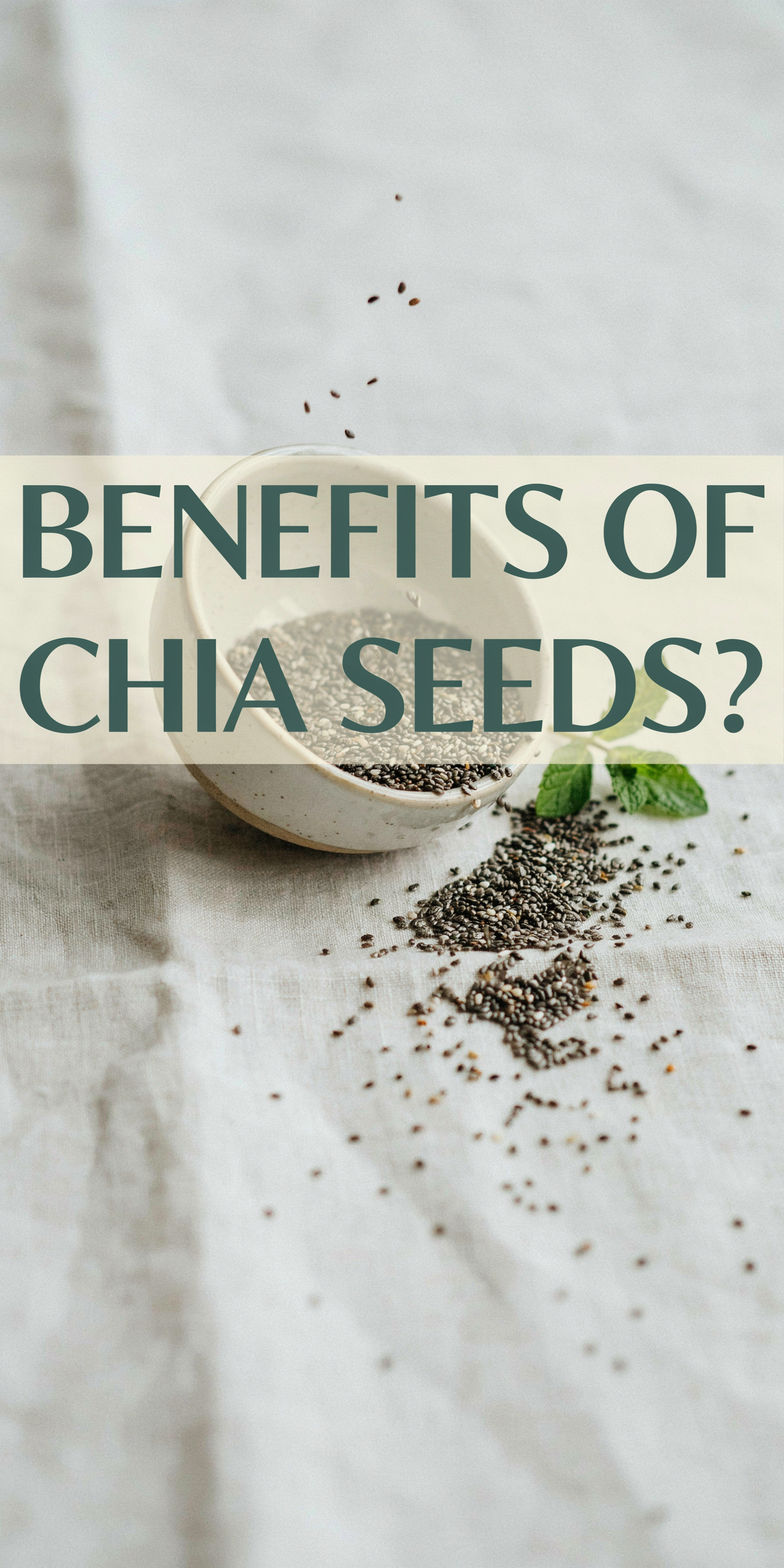
Chia seeds come from the Salvia hispanica plant, native to Mexico and Guatemala. They are small — about 1–2 mm long — and come in black, white, or mottled varieties. When soaked, chia seeds form a gel-like coating because of their soluble fiber content, which is central to many of their benefits and culinary uses.
Nutrition at a glance
Chia seeds are nutrient-dense for their size. A typical serving (1 tablespoon, about 12 g) provides:
- Calories: ~60–70
- Fiber: 5–6 g
- Protein: 2–3 g
- Fat: 4–5 g (mostly polyunsaturated, including alpha-linolenic acid — ALA, an omega-3)
- Carbohydrates: 4–6 g (net carbs are lower because of fiber)
- Calcium: ~60–80 mg
- Phosphorus: ~60–70 mg
- Magnesium: ~40–50 mg
- Iron: small amounts
- Antioxidants: several plant compounds including flavonoids and caffeic acid derivatives
Because of their high fiber and fat content, chia seeds are both satiating and slow to digest — a reason they’re popular for sustained energy.
Health benefits of chia seeds
Below are the primary benefits associated with regular chia seed consumption, supported by mechanisms and human research where available.
High in fiber — supports digestion and fullness
^^^^^^^^^^^^^^^^^^^^^^^^^^^^^^^^^^^^^^^^^^^^^^
Chia seeds are exceptionally high in soluble fiber. A single tablespoon can have 5–6 g of fiber, with a large portion being soluble. Soluble fiber absorbs water and turns into a gel-like substance in the gut, slowing digestion and promoting feelings of fullness. This helps with appetite control and supports regular bowel movements by increasing stool bulk and softness.
Omega-3 fatty acids — plant-based heart support
^^^^^^^^^^^^^^^^^^^^^^^^^^^^^^^^^^^^^^^^^^^^^^^^
Chia seeds are one of the richest plant sources of alpha-linolenic acid (ALA), an omega-3 fatty acid. ALA is associated with cardiovascular benefits, including reduced inflammation and potentially improved blood lipid profiles. While ALA conversion to EPA and DHA (the biologically active omega-3s found in fish) is limited in humans, ALA itself offers anti-inflammatory properties and contributes to heart-healthy diets.
Complete plant-based protein
^^^^^^^^^^^^^^^^^^^^^^^^^^^^^^
For a seed, chia packs a respectable amount of protein and contains a good profile of essential amino acids for a plant food. This makes chia a valuable addition to vegetarian and vegan diets. Combined with other plant proteins across the day, chia contributes to meeting total protein needs.
Rich in minerals — especially bone-supporting nutrients
^^^^^^^^^^^^^^^^^^^^^^^^^^^^^^^^^^^^^^^^^^^^^^^^^^^^^^
Chia seeds provide calcium, phosphorus, and magnesium — minerals important to bone health. For people who don’t eat dairy, chia can be a useful source of calcium. While not a substitute for varied, calcium-rich foods, adding chia to meals can help support daily mineral intake.
Antioxidants — protection at the cellular level
^^^^^^^^^^^^^^^^^^^^^^^^^^^^^^^^^^^^^^^^^^^^^^^^
Chia seeds contain plant antioxidants that protect their fatty acids from oxidation and may also contribute to human antioxidant defenses. These compounds help neutralize free radicals and support overall cellular health.
Blood sugar regulation — lower post-meal spikes
^^^^^^^^^^^^^^^^^^^^^^^^^^^^^^^^^^^^^^^^^^^^^^^^^
The gel-forming soluble fiber in chia slows the absorption of carbohydrates, which can lead to more stable post-meal blood sugar responses. Studies suggest incorporating chia into carbohydrate-rich meals may reduce blood sugar spikes — a helpful benefit for people managing prediabetes or type 2 diabetes when adopted as part of an overall healthy diet.
Heart health — potential improvements to lipids and blood pressure
^^^^^^^^^^^^^^^^^^^^^^^^^^^^^^^^^^^^^^^^^^^^^^^^^^^^^^^^^^^^^^^^^^
Research indicates that chia seeds may help reduce certain cardiovascular risk factors like triglyceride levels and blood pressure, especially when included in a calorie-appropriate diet. The combination of ALA, fiber, and antioxidants likely contributes to these effects.
Weight management — assists with satiety and portion control
^^^^^^^^^^^^^^^^^^^^^^^^^^^^^^^^^^^^^^^^^^^^^^^^^^^^^^^^^^^^^^
Because chia seeds expand when soaked and are high in fiber and protein relative to their calories, they can increase feelings of fullness and reduce overall calorie intake when used sensibly. Including chia in meals can help with appetite control, though it’s not a magic bullet—total calorie balance still matters.
Digestive health — promotes regularity and microbial health
^^^^^^^^^^^^^^^^^^^^^^^^^^^^^^^^^^^^^^^^^^^^^^^^^^^^^^^^^^^^
The soluble fiber in chia feeds beneficial gut bacteria and acts as a prebiotic-like substrate in the colon. Regular fiber intake supports bowel regularity and the diversity of the gut microbiome, which is linked to numerous aspects of health.
Hydration and endurance — the “ancient athlete” angle
^^^^^^^^^^^^^^^^^^^^^^^^^^^^^^^^^^^^^^^^^^^^^^^^^^^^^^^^^^
Historically, chia seeds were used by runners and warriors for prolonged energy and hydration. When soaked, chia forms a gel that helps retain water and electrolytes — chia fresca, a drink made with chia and water, is still used as a hydrating beverage. For endurance activities, chia can provide slow-release energy and help with fluid retention.
Skin, hair, and inflammation — supportive nutrients
^^^^^^^^^^^^^^^^^^^^^^^^^^^^^^^^^^^^^^^^^^^^^^^^^^^^
The omega-3s and antioxidants in chia can support skin health by reducing inflammation and protecting against oxidative stress. While more research is needed, including chia as part of a nutrient-rich diet supports overall skin and hair health.
How to eat chia seeds — practical tips
Chia seeds are easy to incorporate into meals. Here are practical tips and safe use guidelines.
Raw vs soaked
^^^^^^^^^^^^^
- Raw chia seeds are safe to eat but they’re very dry and expand in your stomach. Many people prefer to soak them to form a gel (1 part chia to 6 parts water is a starting ratio) before eating.
- Soaked chia is gentler on the digestive tract and more versatile for recipes like puddings and smoothies.
How much to eat
^^^^^^^^^^^^^^
- Typical serving: 1–2 tablespoons (12–24 g) per day is a reasonable, evidence-supported amount for most adults.
- People increasing fiber suddenly should build up gradually and drink plenty of water to minimize bloating or gas.
How to store and buy
^^^^^^^^^^^^^^^^^^^^^
- Buy chia seeds in airtight containers, preferably opaque or dark to reduce light exposure.
- Store in a cool, dry place; refrigeration extends shelf life but is not required.
- Look for whole seeds (not ground) if you want a longer shelf life; ground chia can go rancid faster.
Precautions and potential side effects
- Choking hazard: dry chia seeds can expand and may cause a choking risk if swallowed dry, especially for those with swallowing difficulties. Always soak or drink plenty of liquids if consuming raw seeds.
- Digestive discomfort: if you have a sensitive gut, introduce chia slowly.
- Blood thinners: because chia is high in omega-3s, it may have a mild blood-thinning effect. If you’re on anticoagulant medication, consult your healthcare provider before adding large amounts of chia.
- Allergies: rare but possible. Stop use if you experience an allergic reaction.
Quick recipes and meal ideas
Below are easy, flavorful recipes and meal ideas using chia seeds. Each recipe includes an ingredients list and step-by-step instructions.
Classic Vanilla Chia Pudding
– Ingredients:
– 3 tablespoons chia seeds
– 1 cup unsweetened almond milk (or milk of choice)
– 1 teaspoon vanilla extract
– 1–2 teaspoons maple syrup or honey (optional)
– Pinch of salt
– Instructions:
1. In a bowl or jar, whisk together almond milk, vanilla, sweetener, and salt.
2. Stir in chia seeds until evenly distributed.
3. Cover and refrigerate for at least 2 hours or overnight, stirring once after 10 minutes to prevent clumps.
4. Serve chilled topped with fresh berries, sliced banana, or chopped nuts.
Berry Chia Smoothie
– Ingredients:
– 1 tablespoon chia seeds (soaked for 10 minutes in 3 tablespoons water)
– 1 cup mixed berries (fresh or frozen)
– 1/2 banana
– 1 cup spinach (optional)
– 1 cup Greek yogurt or plant-based yogurt
– 1/2 cup water or milk of choice
– Instructions:
1. If you haven’t soaked the chia, mix chia with water for 10 minutes until slightly gelled.
2. Place berries, banana, spinach, yogurt, liquid, and the soaked chia into a blender.
3. Blend until smooth and creamy.
4. Pour into a glass and enjoy immediately.
Chia Fresca (Hydration Beverage)
– Ingredients:
– 1 tablespoon chia seeds
– 1 cup water
– Juice of 1/2 lime or lemon
– 1 teaspoon honey or agave (optional)
– Instructions:
1. Mix chia seeds into water and stir well to prevent clumping.
2. Let sit for 5–10 minutes until a gel forms and seeds are suspended.
3. Stir in citrus juice and sweetener if using.
4. Drink chilled; stir again before sipping as seeds can settle.
Overnight Oats with Chia and Banana
– Ingredients:
– 1/2 cup rolled oats
– 1 tablespoon chia seeds
– 1 cup milk of choice
– 1/2 banana, mashed (plus slices for topping)
– 1 teaspoon cinnamon
– 1 tablespoon nut butter (optional)
– Instructions:
1. In a jar, combine oats, chia seeds, milk, mashed banana, and cinnamon.
2. Stir or shake well to combine.
3. Refrigerate overnight (or at least 4 hours).
4. In the morning, stir, top with banana slices and nut butter, and enjoy.
No-Bake Chia Energy Balls
– Ingredients:
– 1 cup rolled oats
– 1/2 cup nut butter (peanut, almond, or sunflower)
– 2 tablespoons chia seeds
– 2 tablespoons honey or maple syrup
– 1/4 cup dark chocolate chips or dried fruit
– Pinch of salt
– Instructions:
1. In a bowl, mix oats, chia seeds, nut butter, sweetener, chocolate chips, and salt until a sticky dough forms.
2. Scoop tbsp-sized portions and roll into balls with your hands.
3. Place on a tray and refrigerate for at least 30 minutes to firm up.
4. Store in the fridge for up to one week or freeze for longer storage.
Savory Chia Yogurt Dip (versatile)
– Ingredients:
– 1 cup Greek yogurt or plant-based yogurt
– 1 tablespoon chia seeds (soaked 5–10 minutes)
– 1 clove garlic, minced
– 1 tablespoon lemon juice
– 1 tablespoon chopped fresh herbs (dill, parsley, or cilantro)
– Salt and pepper to taste
– Instructions:
1. Soak chia seeds in a tablespoon of water for 5–10 minutes until slightly gelled.
2. In a bowl, combine yogurt, garlic, lemon juice, herbs, and soaked chia.
3. Season with salt and pepper; mix well.
4. Serve with fresh veggies, whole-grain crackers, or use as a spread.
All recipes above are simple to customize — swap sweeteners, fruits, or seeds to suit taste, and scale quantities to serve more people.
Frequently asked questions (FAQ)
Are chia seeds gluten-free?
– Yes, pure chia seeds are naturally gluten-free and can be used in gluten-free diets. Check packaging for processing cross-contact if you have celiac disease.
Are chia seeds keto-friendly?
– Chia seeds can fit into a low-carb or ketogenic diet in moderate amounts because a substantial portion of their carbohydrates are fiber. Track total carbs if you are strictly counting macros.
Can chia seeds help me lose weight?
– Chia seeds can support weight loss efforts by increasing satiety and helping control appetite, but they are not a standalone solution. Weight loss depends on overall calorie balance and lifestyle factors.
Can children eat chia seeds?
– Yes, children can eat chia seeds, but start with small amounts and soak seeds to reduce choking risk. For toddlers or infants, consult a pediatrician.
How should I use chia seeds if I have IBS or sensitive digestion?
– Introduce chia gradually, ensure adequate hydration, and prefer soaked chia. If symptoms worsen, reduce intake or consult a healthcare professional.
Conclusion
Chia seeds are a powerful, evidence-backed addition to a healthy diet. Rich in fiber, plant-based omega-3s, protein, and several minerals, they offer measurable advantages for digestion, heart health, blood sugar control, and sustained energy. They’re simple to add to meals — whether as chia pudding, a smoothie booster, a refreshing chia fresca, or a savory yogurt dip — and they work in both sweet and savory recipes. Start with 1–2 tablespoons per day, soak them when possible, and gradually increase fiber to let your digestive system adapt. With minimal cost and effort, chia seeds can boost the nutrient density and versatility of everyday meals. Try a recipe from this article this week, and see how these tiny seeds can make a big difference for your health and cooking creativity.