
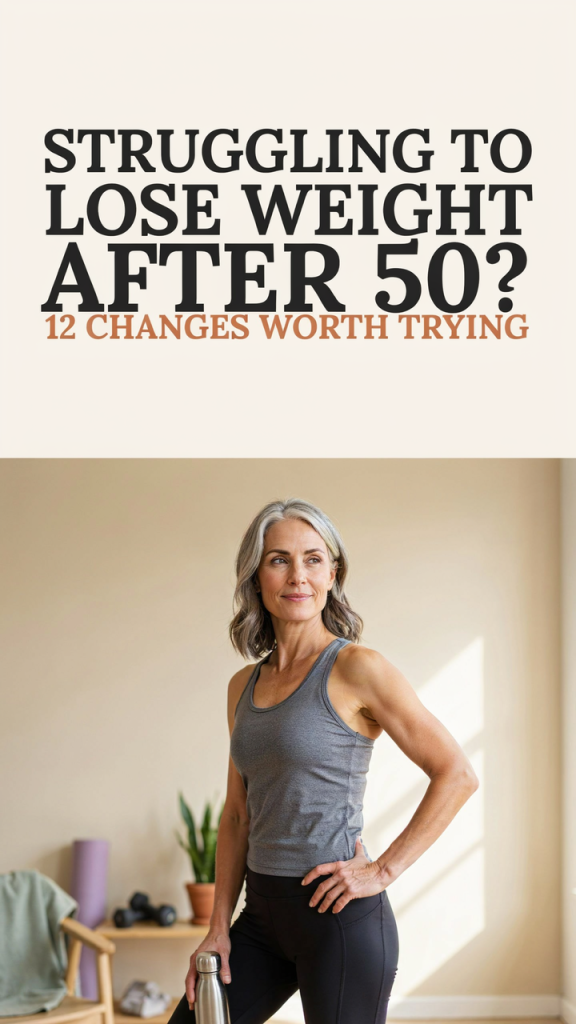
Struggling to Lose Weight After 50? 12 Changes Worth Trying
Introduction
Losing weight after 50 can feel like a different ballgame. Hormones shift, muscle mass declines, metabolism slows, and life rhythms change. If you’ve been faithfully following the same diet and exercise routine that used to work—and the scale won’t budge—you’re not alone. The good news: you can still lose weight and improve health at this stage of life by making targeted, science-backed changes that respect how your body has changed.
This article lays out 12 practical, evidence-based changes worth trying if you’re struggling to lose weight after 50. Each one is written with real-life application in mind: why it works, how to implement it, and small modifications you can use if you have mobility limits or medical conditions. I’ll also include three nutritious, easy recipes to help you start eating in ways that support a healthier metabolism and sustainable weight loss.
Use this as a menu of strategies—pick a few to try consistently for 6–12 weeks and track the results. Weight loss after 50 is often slower but more sustainable when you focus on body composition, energy, and health markers rather than only the number on the scale.
1. Prioritize Strength Training (Not Just Cardio)
Why: After 50, sarcopenia (age-related muscle loss) accelerates. Muscle burns more calories at rest than fat and improves insulin sensitivity, daily function, and balance. Strength training preserves and builds lean mass, helping your metabolism.
How to start:
– Aim for 2–3 sessions per week targeting major muscle groups (legs, back, chest, shoulders, core).
– Use bodyweight, resistance bands, dumbbells, or machines. Begin with 1–2 sets of 8–12 reps and gradually increase.
– Rest 48 hours between sessions for the same muscle groups.
– If balance or joint pain is an issue, work with a trainer or physical therapist to adapt exercises.
Practical session example:
– Squats (or sit-to-stand from a chair) — 2 sets of 8–12
– Push-ups on knees or incline — 2 sets of 8–12
– Bent-over rows with bands — 2 sets of 8–12
– Dead bugs (core) — 2 sets of 10–12 per side
Benefit: Improved strength, higher resting metabolic rate, better daily function, and reduced injury risk.
2. Reassess Your Protein Intake
Why: Protein supports muscle maintenance, increases satiety, and has a higher thermic effect (more calories burned during digestion). Protein needs often increase with age.
How to implement:
– Aim for approximately 1.0–1.2 g/kg body weight daily (some may benefit from up to 1.4 g/kg), or roughly 20–35 grams of protein per meal.
– Prioritize high-quality sources: lean meats, fish, eggs, dairy, Greek yogurt, tofu, tempeh, legumes, and protein-fortified foods.
– Spread protein evenly across meals to maximize muscle protein synthesis.
Meal idea (included as recipe):
High-Protein Greek Yogurt Parfait
Ingredients:
– 1 cup plain Greek yogurt (2% or whole, based on preference)
– 1/2 cup mixed berries (fresh or thawed frozen)
– 2 tbsp chopped nuts (almonds or walnuts)
– 1 tbsp chia seeds or ground flaxseed
– 1 tsp honey or a sprinkle of cinnamon (optional)
Instructions:
1. Spoon Greek yogurt into a bowl or jar.
2. Layer with berries on top.
3. Sprinkle chopped nuts and chia seeds.
4. Drizzle honey or cinnamon if desired; serve immediately.
Why it fits: Quick, portable, and delivers ~20–25 g of protein depending on yogurt choice.
3. Focus on Protein at Breakfast
Why: Many people skimp on breakfast protein, which can lead to overeating later. A protein-rich breakfast improves satiety and supports lean mass.
Tips:
– Choose eggs, Greek yogurt, cottage cheese, smoked salmon, or a protein smoothie with at least 20 g of protein.
– Pair protein with fiber (fruit, oats, whole grains) for extended fullness.
– If appetite is low in the morning, start with a smaller protein-rich snack and build up.
Recipe suggestion integrated with this change: see the Greek Yogurt Parfait above.
4. Move Daily — Prioritize NEAT (Non-Exercise Activity)
Why: After structured exercise, the rest of your daily movement (NEAT) has a huge impact on total energy expenditure. Sedentary behavior increases with age for many people.
How to increase NEAT:
– Aim to stand or move every 30–60 minutes. Use a timer, gentle stretch, or short walk.
– Walk after meals — a 10–15 minute walk helps blood sugar control.
– Household activities count: gardening, cleaning, carrying groceries.
– If you have mobility issues, seated marches, arm circles, and gentle mobility exercises boost movement.
Goal: A realistic step target (e.g., 6,000–8,000 steps/day) if you’re currently very inactive; higher if you tolerate it.
5. Plan Balanced Meals and Use Meal Prep
Why: Planning reduces reliance on convenience foods and helps control portions and nutrient balance—especially vital when calories may need to be lower but nutrient needs (protein, vitamins) remain high.
How to plan:
– Each plate: a palm-sized portion of protein, a fist-sized portion of non-starchy vegetables, a cupped-hand portion of whole grains/starchy carbs, and a thumb-sized portion of healthy fats.
– Batch-cook proteins (grilled chicken, baked fish, lentils) and vegetables for 3–4 days.
– Keep healthy snacks ready: pre-cut veggies, boiled eggs, Greek yogurt.
Recipe that supports this change:
Balanced Salmon Buddha Bowl
Ingredients:
– 4–6 oz cooked salmon (baked or pan-seared)
– 1/2 cup cooked quinoa or brown rice
– 1 cup mixed salad greens or lightly steamed broccoli
– 1/4 cup shredded carrots and cucumber slices
– 1/4 avocado, sliced
– 1 tbsp olive oil + lemon juice or vinaigrette
– Salt, pepper, fresh herbs to taste
Instructions:
1. Place cooked quinoa or rice in a bowl as a base.
2. Add salad greens or steamed vegetables next to the grain.
3. Flake cooked salmon on top of the grains.
4. Arrange carrots, cucumber, and avocado around the salmon.
5. Drizzle olive oil and lemon juice; season and top with herbs.
Why it works: Balanced, satiating, with ample protein and fiber to support weight loss goals.
6. Be Strategic About Calories Without Excess Restriction
Why: Severe calorie restriction is hard to sustain and can accelerate muscle loss and metabolic slowdown. A modest calorie deficit combined with strength training preserves muscle and supports steady weight loss.
How to create a sustainable deficit:
– Aim for 250–500 kcal/day below maintenance for slow, steady weight loss (0.5–1 lb per week).
– Track intake for 1–2 weeks to estimate maintenance, then reduce modestly.
– Prioritize high-protein foods, vegetables, and whole grains to feel full on fewer calories.
– Consider working with a dietitian for tailored calorie and nutrient targets.
Tip: Focus on consistent habits (sleep, stress, movement) that make calorie goals easier to meet rather than yo-yo dieting.
7. Improve Sleep Quality
Why: Poor sleep disrupts hunger hormones (ghrelin and leptin), increases cravings for high-calorie foods, and impairs insulin sensitivity and recovery from workouts.
Sleep-promoting habits:
– Keep a consistent bedtime and wake time.
– Aim for 7–9 hours/night; address medical causes of poor sleep (sleep apnea, restless legs).
– Wind down 60 minutes before bed: dim lights, reduce screens, read or practice relaxation.
– Avoid large meals, alcohol, and caffeine close to bedtime.
If sleep disturbances persist, consult your healthcare provider for evaluation and treatment options.
8. Increase Fiber and Volumetric Eating
Why: Fiber adds bulk and slows digestion, helping you feel full on fewer calories. Vegetables, fruits, legumes, and whole grains are nutrient-dense and low in calorie density.
How to do it:
– Fill half your plate with non-starchy vegetables at meals.
– Choose legumes (beans, lentils) and whole grains for fiber-rich carbs.
– Use broth-based soups and salads to add volume before the main meal.
– Keep snacks like raw veggies, berries, or edamame on hand.
Recipe to try:
Hearty Veggie & White Bean Soup (makes 4 servings)
Ingredients:
– 1 tbsp olive oil
– 1 medium onion, diced
– 2 carrots, diced
– 2 celery stalks, diced
– 3 cloves garlic, minced
– 1 zucchini, chopped
– 1 can (14 oz) diced tomatoes
– 1 can (15 oz) cannellini or navy beans, drained and rinsed
– 4 cups low-sodium vegetable or chicken broth
– 1 tsp dried oregano, salt, and pepper to taste
– Handful of chopped spinach or kale
– Optional: grated parmesan to serve
Instructions:
1. Heat olive oil in a large pot over medium heat. Add onion, carrots, and celery; sauté 5–7 minutes until softened.
2. Add garlic and zucchini; cook 2 minutes more.
3. Stir in diced tomatoes, beans, and broth. Add oregano, salt, and pepper.
4. Bring to a boil, then reduce heat and simmer 15–20 minutes.
5. Stir in spinach or kale until wilted. Adjust seasoning and serve with a sprinkle of parmesan if desired.
Why it helps: High volume, filling, high in fiber and protein from beans—great for meal prep and lower-calorie fullness.
9. Address Stress and Emotional Eating
Why: Chronic stress raises cortisol, which can promote fat storage around the midsection and increase appetite for calorie-dense foods. Emotional eating is a common barrier to weight loss.
Strategies:
– Practice daily stress-management: brisk walks, deep breathing (4-4-4 technique), progressive muscle relaxation, or short meditations.
– Identify triggers for emotional eating: boredom, fatigue, loneliness. Create non-food responses: call a friend, go for a walk, or do a 10-minute hobby.
– Build supportive routines and accountability: a friend, coach, or group can help maintain consistency.
If stress or emotional eating feels overwhelming, consider counseling or CBT-based programs that are effective for behavior change.
10. Check Medications and Medical Conditions
Why: Several medications and medical conditions can make weight loss harder (e.g., hypothyroidism, insulin resistance, certain antidepressants, steroids). It’s important to rule these out or adjust treatment.
What to do:
– Schedule a comprehensive check-up: thyroid function (TSH, free T4), fasting glucose or A1c, lipid panel, and review of medications.
– Discuss concerns with your provider—there may be alternative medications with less weight impact or strategies to mitigate side effects.
– If menopause symptoms are significant, discuss symptom management with your clinician; hormonal changes affect body composition and fat distribution.
Never stop or change medications without medical guidance.
11. Use Mindful Eating and Portion Awareness
Why: Automatic eating, distracted meals, and large portions commonly lead to excess calorie intake. Mindful eating restores awareness of hunger and fullness cues.
How to practice:
– Eat without screens and sit down for meals.
– Chew slowly and put utensils down between bites; aim for a 20-minute meal.
– Before second helpings, wait 10–15 minutes to assess hunger.
– Use smaller plates, pre-portion snacks, and serve food in the kitchen rather than family-style.
Over time, mindful eating helps reduce impulsive eating and supports sustainable portion control.
12. Reframe Goals Toward Strength, Health Markers, and Quality of Life
Why: Focusing only on scale weight can be discouraging, especially when body composition changes (fat loss + muscle gain). Broader goals keep motivation high and encourage sustainable habits.
Alternative goals to track:
– Strength milestones (e.g., number of squats, increase in lifting weight).
– Waist circumference and how clothes fit.
– Energy levels, sleep quality, and mobility.
– Blood pressure, A1c, lipid improvements, and reduced medications if appropriate.
– Consistency: number of workout sessions per week, or days with balanced meals.
Tracking multiple metrics gives a clearer picture of progress and keeps your efforts grounded in health improvements, not only the scale.
Practical Weekly Plan Template (Sample)
- Strength training: 2 full-body sessions (e.g., Monday, Thursday)
- Cardio/NEAT: 20–30 minutes brisk walk after lunch or 10-minute walks after meals daily
- Meal prep: Cook a lean protein and two vegetable sides on Sunday for 3–4 days
- Sleep routine: Lights out by 10:30 PM, wind down at 9:30 PM
- Mindful eating: Eat without screens for all main meals
Customize volume and intensity based on fitness level and health conditions.
Recipes/Meal Ideas Included in This Article
- High-Protein Greek Yogurt Parfait (breakfast)
- Balanced Salmon Buddha Bowl (balanced meal/meal prep)
- Hearty Veggie & White Bean Soup (fiber-forward meal prep)
All three recipes are listed above with ingredients and numbered instructions for easy implementation.
Conclusion
Losing weight after 50 is challenging but entirely achievable with the right combination of strategies tailored to how your body has changed. Start by prioritizing strength training, increasing protein and fiber, improving sleep and stress management, and making small, sustainable adjustments to daily movement and meal structure. Check for medical contributors, practice mindful eating, and set performance- and health-based goals in addition to scale goals.
Pick 3–4 of the changes above to focus on for the next 8–12 weeks—consistency beats intensity. Track non-scale improvements like strength, energy, and how clothes fit. If you’d like, print out the recipes provided and use them as a simple starting point for breakfast, lunch, and dinner. And remember: progress may be slower than in your 20s or 30s, but it’s more meaningful—built on muscle, function, and long-term health.
If you want a personalized 4-week plan (meals + workouts) based on your current fitness level, dietary preferences, and any medical conditions, I can draft one for you—tell me your typical day and goals, and I’ll create it.


