How To Make Stuffed Bell Peppers (Gluten-Free)
Stuffed bell peppers are not only a delightful dish but also a canvas for our culinary creativity. As we embark on our cooking journey today, we’ll explore how to make these colorful, gluten-free delights that are sure to impress family and friends alike. Whether we’re serving them for a weeknight dinner or a festive gathering, these stuffed peppers are versatile, nutritious, and easy to make. Let’s jump into how we can create this flavorful dish from scratch and make it our own.
Choosing The Right Bell Peppers
When it comes to making stuffed bell peppers, the first step is choosing the right peppers. We want our peppers to be vibrant and fresh, opting for those that are firm to the touch and free from blemishes.
Color Matters
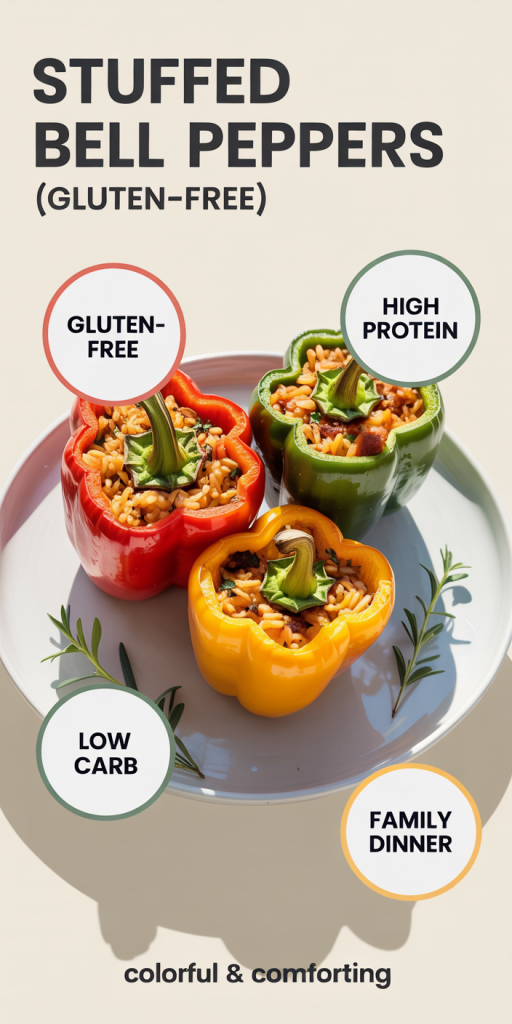
Bell peppers come in a variety of colors, red, yellow, orange, and green, each offering its unique flavor profile.
- Red Peppers: Sweet and slightly fruity, they tend to be the most flavorful choice.
- Yellow and Orange Peppers: These are sweeter than green but less so than red.
- Green Peppers: They are the least sweet and have a more earthy flavor. If we enjoy a bolder taste, these can add a nice zing to our dish.
Size and Shape
Another factor to consider is the size and shape of the peppers. We want peppers that can stand upright for the best presentation, so larger varieties like the bell or cubanelle are ideal. Look for six to eight-ounce peppers that have a wide opening for easy stuffing.
Preparing The Stuffing
Now that we have our bell peppers selected, it’s time to prepare the stuffing. The beauty of stuffed peppers is that we can tailor the stuffing to our liking. Here’s a basic recipe and some tips for preparing a delicious gluten-free stuffing.
Basic Ingredients
We’ll need:
- 1 cup of cooked rice (or quinoa for a protein boost)
- 1 pound of ground meat (beef, turkey, or chicken, depending on preference)
- 1 small onion, diced
- 2 cloves of garlic, minced
- 1 can (14.5 oz) diced tomatoes (with juice)
- 1 teaspoon of dried oregano
- 1 teaspoon of chili powder (optional)
- Salt and pepper to taste
- Fresh herbs like parsley or cilantro for garnish
Cooking The Filling
- Sauté the Aromatics: In a skillet over medium heat, add a drizzle of olive oil and sauté the diced onion until translucent. This usually takes about 5 minutes.
- Add Garlic and Meat: Stir in the minced garlic and ground meat, cooking until the meat is browned. Then drain any excess fat.
- Combine Remaining Ingredients: Add the cooked rice, diced tomatoes, oregano, chili powder, salt, and pepper to the skillet. Stir everything together and let it simmer for 5-10 minutes, allowing all the flavors to meld.
- Taste and Adjust: At this point, we always recommend tasting the filling. Adjust seasoning as necessary before stuffing our peppers.
Cooking The Stuffed Peppers
With our filling ready, it’s time to stuff and cook our bell peppers. This part is incredibly satisfying, as we watch them transform into a beautiful dish.
Stuffing The Peppers
- Preheat the Oven: Start by preheating our oven to 375°F (190°C).
- Prepare the Peppers: Cut the tops off the bell peppers and remove the seeds. We can keep the tops for garnish or chop them and add them to the stuffing if desired.
- Fill the Peppers: Spoon the filling into each bell pepper, packing it gently but not too tightly.
- Arrange for Baking: Place the stuffed peppers upright in a baking dish. If they seem wobbly, we can use crumpled aluminum foil to help stabilize them.
Baking Process
- Add Liquid: Pour a small amount of vegetable broth or water into the bottom of the baking dish. This helps to steam the peppers and keeps them moist.
- Cover and Bake: Cover the dish with aluminum foil and bake for 30 minutes. Remove the foil and bake for an additional 15 minutes, allowing the tops to brown slightly.
- Check for Doneness: The peppers should be tender, and a fork should easily pierce the flesh. If we want, we can sprinkle cheese on top during the last few minutes of baking.
Serving Suggestions
Once our stuffed bell peppers are out of the oven, it’s time to serve. These colorful creations not only taste incredible but also look stunning on the table.
Plating
- Garnish: We can sprinkle freshly chopped herbs on top, such as parsley or cilantro, to add a pop of color and freshness.
- Sauce Options: Consider drizzling with a homemade tomato sauce or a creamy avocado sauce for extra flavor.
Side Dishes
Stuffed peppers are hearty on their own, but pairing them with some sides can create a more rounded meal:
- Salad: A light side salad with a tangy vinaigrette complements the richness of the stuffed peppers.
- Grains: Serving the peppers alongside a grain like quinoa or a gluten-free pasta can be hearty and satisfying.
- Breads: Gluten-free garlic bread can be a delightful addition for those who enjoy a little crunch.
Storing And Reheating Leftovers
We often end up with leftover stuffed peppers, and rightly so, there’s always more on the plate than we can eat in one sitting. Here’s how to store and reheat our delicious creations:
Storing Leftovers
- Cooling: Allow the stuffed peppers to cool completely before storing them.
- Containers: Place them in airtight containers: they’ll keep well in the refrigerator for up to three days.
Reheating
- Oven Method: Preheat the oven to 350°F (175°C). Place the stuffed peppers in a baking dish, cover with foil, and heat for about 20-25 minutes.
- Microwave Method: For a quicker option, we can microwave individual peppers for 1-2 minutes, covered to retain moisture.
Freezing Options
If we want to save some for later, stuffed peppers freeze quite well. Wrap them tightly in plastic wrap and then in foil before placing them in a freezer bag. They can be frozen for up to three months.
Nutritional Benefits Of Stuffed Bell Peppers
Stuffed bell peppers are not just delicious: they also pack a nutritional punch. Here’s a breakdown of the benefits we enjoy when including them in our diet:
High in Vitamins
Bell peppers are rich in vitamins A, C, and K, contributing to improved immune function and skin health. The colorful varieties also provide antioxidants that combat free radicals.
Protein-Packed
When we add lean meats or legumes to our stuffing, we increase the protein content, making these peppers a filling and satisfying meal.
Fiber Rich
Adding grains like quinoa or rice helps boost the fiber content. A diet high in fiber supports digestive health and keeps us feeling fuller for longer.
Low-Calorie Delight
Stuffed bell peppers are generally a low-calorie dish, making them a great choice for those looking to maintain or lose weight while enjoying a hearty meal.
Variations And Customizations
One of the best aspects of stuffed bell peppers is how customizable they are. We can switch up ingredients to suit our tastes or dietary needs:
Vegetarian Options
Instead of meat, we can fill our peppers with a mixture of beans, lentils, and sautéed vegetables. Adding nuts or seeds can enhance texture and nutrition.
Different Grains
Try incorporating different grains like farro, couscous (gluten-free variety), or even cauliflower rice for a low-carb option.
Flavor Profiles
Spice it up with various herbs and spices. If we’re feeling adventurous, we might experiment with Asian flavors by adding soy sauce, sesame oil, and chopped scallions to our stuffing. Alternatively, using taco seasoning could give an exciting southwestern flair.
Conclusion
Stuffed bell peppers are a delightful way to enjoy a nutritious, gluten-free meal. Through our exploration of choosing the right peppers, preparing a flavorful stuffing, and offering up endless variations, we hope we’ve inspired you to give this recipe a try. There’s something magical about how a simple bell pepper can be transformed into a hearty, satisfying meal packed with flavor and color. So let’s roll up our sleeves and make some stuffed peppers that will wow our taste buds and impress those we share them with.