How To Make Gluten-Free Protein Banana Bread
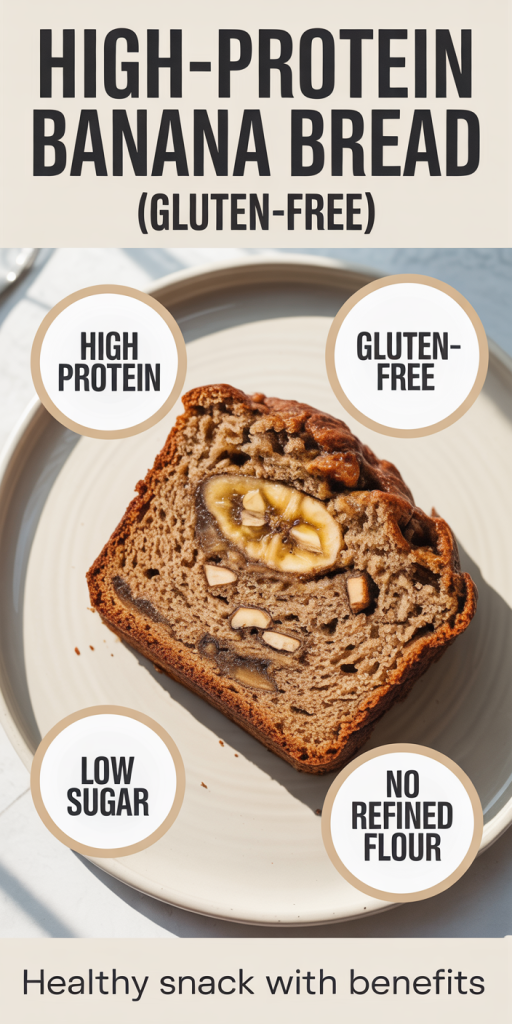
In our quest for wholesome snacks, we often stumble upon recipes that tick all the boxes: delicious, nutritious, and easy to whip up. One such recipe is gluten-free protein banana bread. Not only does it satisfy our sweet tooth, but it also packs a punch with added protein, making it perfect for a post-workout snack or a healthy breakfast. In this guide, we’ll walk you through the ins and outs of gluten-free baking, explore the benefits of banana bread, and provide you with our favorite recipe that’s easy to follow. Let’s get baking.
Understanding Gluten-Free Baking
Gluten-free baking might seem daunting at first, especially if we’re used to traditional flour-based recipes. Gluten is a protein found in wheat and some other grains, providing structure and elasticity to baked goods. When we bake without gluten, we need to understand how to replicate these properties to achieve a similar texture and flavor.
The absence of gluten can lead to baked products that crumble easily or lack the desired density. To combat this, we often turn to a combination of gluten-free flours, starches, and binders. Common gluten-free flours include almond flour, coconut flour, and oat flour, each bringing its unique flavor and texture to our recipes. Starches like tapioca or potato starch can help bind ingredients together and improve the texture.
Also, adding xanthan gum is a popular technique in gluten-free baking. This ingredient mimics the binding properties of gluten, providing that necessary structure to our baked items. Experimenting with different combinations can lead us to our perfect gluten-free protein banana bread.
The Benefits Of Protein Banana Bread
Banana bread itself is a beloved classic, but when we enhance it with protein, it becomes even more beneficial for our health. Here are a few reasons why we might want to indulge in gluten-free protein banana bread:
- Nutritional Powerhouse: Bananas are rich in potassium, which is essential for heart health and muscle function. By adding protein powder, we not only enhance the nutritional value but also help our bodies recover after exercise.
- Satisfying Snack: The combination of fiber from bananas and protein in the bread keeps us fuller for longer. This means less snacking on unhealthy options throughout the day.
- Versatile Recipe: Gluten-free protein banana bread can be enjoyed at any time of the day, whether it’s a quick breakfast, a mid-afternoon snack, or even dessert. The possibilities are endless.
- Easily Customizable: We can tweak the recipe to fit our dietary needs. Whether we prefer plant-based protein or are looking for a nut-free option, this banana bread can adapt to fit our preferences.
Ingredients Needed For Gluten-Free Protein Banana Bread
To make our gluten-free protein banana bread, we need to gather the following ingredients:
- 3 ripe bananas: The riper, the better. This is what will provide natural sweetness and moisture.
- 2 cups of gluten-free flour: A blend of almond flour and coconut flour works wonderfully, but feel free to experiment with other gluten-free flours.
- 1/2 cup of protein powder: Choose your favorite, whey, pea, or hemp protein all work well.
- 1/4 cup of honey or maple syrup: For added sweetness, we can use natural sweeteners.
- 1/2 teaspoon of baking soda: This helps our bread rise.
- 1/2 teaspoon of baking powder: Alongside the baking soda, this enhances the airy texture.
- 1/2 teaspoon of salt: Balances the sweetness and enhances flavor.
- 2 large eggs: Acts as a binder and adds to the overall protein content.
- 1/4 cup of melted coconut oil: Adds moisture and healthy fats.
- 1 teaspoon of vanilla extract: For flavor, of course.
Optional:
- 1/2 cup of nuts or chocolate chips: If we want to enhance our bread further, adding nuts or dairy-free chocolate chips gives it some texture and additional flavor.
Step-By-Step Instructions
Now that we have our ingredients ready, let’s jump into the steps we need to follow to create our gluten-free protein banana bread:
Step 1: Prepare the Oven
Preheat our oven to 350°F (175°C). We can line a loaf pan with parchment paper or grease it lightly to ensure our banana bread doesn’t stick.
Step 2: Mash the Bananas
In a large bowl, we’ll mash our ripe bananas until smooth. A fork works just fine, but we can also use a mixer for a quicker process.
Step 3: Combine Wet Ingredients
Next, we’ll add the melted coconut oil, honey (or maple syrup), eggs, and vanilla extract into the bowl with the mashed bananas. Mix until well combined.
Step 4: Mix Dry Ingredients
In another bowl, we’ll whisk together the gluten-free flour, protein powder, baking soda, baking powder, and salt. This ensures that our leavening agents are evenly distributed throughout the flour mixture.
Step 5: Combine Wet and Dry Mixtures
Gradually add the dry mixture into the wet ingredients, stirring gently until just combined. Over-mixing can lead to a dense bread, so we’ll stop mixing as soon as we don’t see dry flour anymore.
Step 6: Fold in Nuts or Chocolate Chips
If we’re adding nuts or chocolate chips, now is the time to fold them into the batter gently.
Step 7: Pour into Pan and Bake
Pour the batter into the prepared loaf pan and smooth the top. We’ll bake it in the preheated oven for 50-60 minutes, or until a toothpick inserted into the center comes out clean.
Step 8: Cool and Slice
Once baked, we’ll remove the pan from the oven and allow it to cool for about 15 minutes before transferring the bread to a wire rack. This cooling period helps it firm up and makes slicing easier.
Baking Tips For Success
Even though we’re following a solid recipe, sometimes baking can throw us curveballs. Here are some tips to ensure our gluten-free protein banana bread turns out perfectly:
- Use overripe bananas: The more spots on our bananas, the sweeter and more flavorful our bread will be. Ripeness also contributes to the moisture content.
- Experiment with flours: Not all gluten-free flours are created equal. If you find that one type doesn’t work well, don’t hesitate to try a different blend.
- Check for doneness: Since oven temperatures can vary, we should start checking our bread a few minutes before the suggested time. A toothpick inserted should come out clean, without wet batter stuck to it.
- Store properly: To keep our banana bread fresh, we can wrap it well and store it at room temperature for a couple of days or refrigerate it for longer shelf life. It’s also freezable.
Variations And Enhancements
One of the best things about gluten-free protein banana bread is its versatility. Here are some variations and enhancements we can try:
- Add spices: A teaspoon of cinnamon or nutmeg can elevate the flavor, giving it a cozy touch.
- Swap protein sources: If we’re vegan, we can use flax eggs instead of chicken eggs and plant-based protein powder to suit our needs.
- Incorporate fruits: Adding blueberries, strawberries, or even shredded zucchini can introduce new flavors and textures.
- Top it off: For a fun twist, we could spread almond butter, peanut butter, or yogurt on top before enjoying a slice.
- Make muffins instead: If we’re short on time, we can easily adapt the batter into muffin tins and bake for a quicker snack option.
Conclusion
Creating gluten-free protein banana bread is not only straightforward but also incredibly rewarding. With its rich flavor, nutritious ingredients, and versatility, we can cater this recipe to fit our tastes and dietary requirements. Whether we choose to savor a slice at breakfast, during snack time, or even dessert, we can feel good about the ingredients we’re using. So, let’s gather those bananas and get baking, our delicious, guilt-free treat awaits.