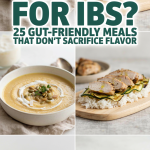
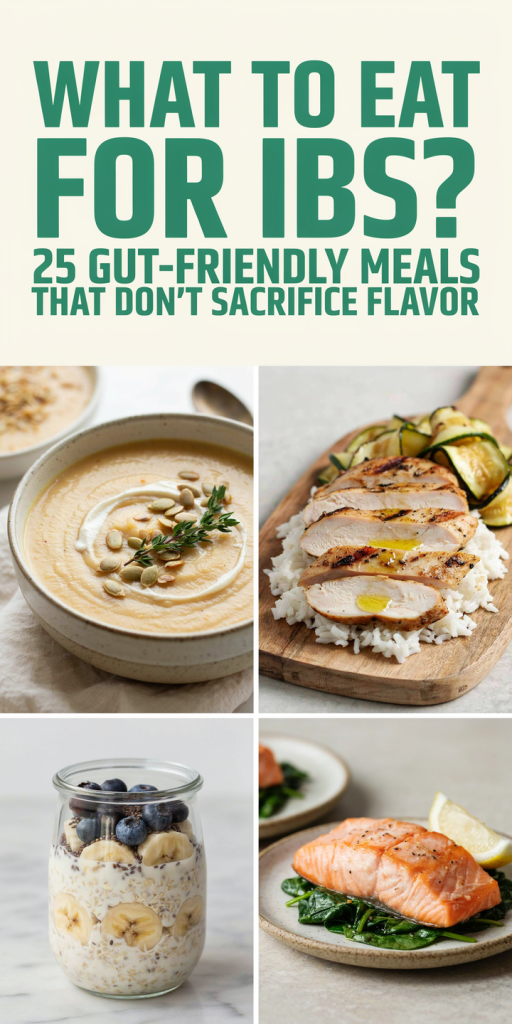
What Should I Eat for IBS? 25 Gut-Friendly Meals That Don’t Sacrifice Flavor
Living with irritable bowel syndrome (IBS) doesn’t mean you must resign yourself to bland, boring food. With thoughtful ingredient choices, attention to portions, and a few flavor techniques (like garlic-infused oil and fresh herbs), you can enjoy satisfying meals that calm your gut and keep your taste buds happy. This guide gives practical tips and 25 delicious, gut-friendly meals — each with ingredients and step-by-step instructions — so you can plan meals confidently.
Note: IBS symptoms and triggers vary. Many people find relief following a low‑FODMAP approach, paying attention to portion sizes, and avoiding personal triggers. Use these recipes as a starting point and consult your healthcare provider or a registered dietitian for personalized advice.
How to Choose IBS-Friendly Foods (Quick Guide)
- Favor low‑FODMAP staples: rice, oats, quinoa, potatoes, carrots, spinach (in moderation), zucchini, bell peppers, cucumbers, tomatoes, berries, unripe banana, and citrus.
- Choose proteins that are easy to digest: eggs, fish, chicken, turkey, firm tofu, tempeh.
- Use lactose‑free dairy or alternatives: lactose‑free yogurt/milk, hard aged cheeses in small amounts, or dairy-free options.
- Avoid obvious triggers: large servings of garlic/onion (use garlic‑infused oil), high‑fructose fruits (mango, apples), high‑lactose dairy, and excessive beans/legumes (unless tested).
- Use herbs, ginger, turmeric, lemon, chives, basil, parsley, and cumin for flavor.
- Watch portion sizes — many foods are low‑FODMAP in small amounts but become triggers in larger portions.
- Keep a symptom-food diary to learn your personal triggers.
25 Gut-Friendly Meals
Each recipe below includes a short ingredients list and numbered instructions. Recipes are intended to be flexible — adapt herbs, proteins, and portion sizes to suit your tolerance.
1. Strawberry Overnight Oats (Low-FODMAP Breakfast)
Ingredients:
– 1/2 cup rolled oats (gluten-free if needed)
– 3/4 cup lactose‑free milk or almond milk
– 1/4 cup lactose‑free plain yogurt
– 1/2 cup sliced strawberries
– 1 tsp chia seeds
– 1 tsp maple syrup (optional)
Instructions:
1. Combine oats, milk, yogurt, chia, and maple syrup in a jar or bowl.
2. Stir well, top with sliced strawberries, cover, and refrigerate overnight.
3. Stir and enjoy cold or warmed gently in the morning.
Why it’s IBS-friendly: Oats are generally well-tolerated and strawberries are a low-FODMAP fruit in standard portions.
2. Spinach & Chive Scrambled Eggs
Ingredients:
– 2 eggs
– 1 cup baby spinach (packed)
– 1 tbsp chopped chives
– 1 tsp olive oil or butter (lactose-free)
– Salt and pepper to taste
Instructions:
1. Whisk eggs with a pinch of salt and pepper.
2. Heat oil in a nonstick skillet over medium heat, add spinach and wilt for 30 seconds.
3. Pour in eggs and cook, stirring gently until softly set.
4. Remove from heat, fold in chives and serve warm.
Why it’s IBS-friendly: Simple protein and cooked greens are easy on the stomach; chives offer onion-like flavor without FODMAPs.
3. Blueberry Banana Smoothie (Low-FODMAP)
Ingredients:
– 1/2 ripe banana (use slightly firm)
– 1/2 cup blueberries
– 1 cup lactose‑free milk or fortified almond milk
– 1 tbsp chia seeds
– 1/2 tsp grated ginger (optional)
Instructions:
1. Add banana, blueberries, milk, chia, and ginger to a blender.
2. Blend until smooth; add a few ice cubes if desired.
3. Pour and drink slowly to monitor tolerance.
Why it’s IBS-friendly: Blueberries and banana in small quantities are typically tolerated; ginger soothes the gut for many people.
4. Lemon-Quinoa Cucumber Salad
Ingredients:
– 1 cup cooked quinoa (cooled)
– 1/2 cup diced cucumber
– 1/2 cup diced tomato (seeded if preferred)
– 2 tbsp chopped parsley
– 1 tbsp olive oil
– 1 tbsp lemon juice
– Salt and pepper
Instructions:
1. Combine cooled quinoa, cucumber, tomato, and parsley in a bowl.
2. Whisk olive oil, lemon juice, salt, and pepper, then toss with quinoa.
3. Chill briefly and serve as a light lunch or side.
Why it’s IBS-friendly: Quinoa is a gentle whole grain and the salad uses low-FODMAP veggies and fresh herbs for flavor.
5. Rosemary Roasted Chicken with Carrots
Ingredients:
– 1 skin-on chicken breast or thigh
– 2 medium carrots, cut into sticks
– 1 tbsp olive oil
– 1 tsp chopped fresh rosemary
– Salt and pepper
Instructions:
1. Preheat oven to 400°F (200°C). Toss carrots in half the oil, salt, and pepper; place on a baking sheet.
2. Rub chicken with remaining oil, rosemary, salt, and pepper; place on the sheet with carrots.
3. Roast 25–30 minutes until chicken reaches safe internal temperature and carrots are tender.
4. Rest chicken 5 minutes before serving.
Why it’s IBS-friendly: Simple roasted proteins and carrots are low-FODMAP and filling.
6. Seared Salmon with Zucchini Ribbons
Ingredients:
– 4–6 oz salmon fillet
– 1 medium zucchini, sliced into thin ribbons
– 1 tbsp lemon juice
– 1 tbsp olive oil
– Salt, pepper, and fresh dill (optional)
Instructions:
1. Season salmon with salt and pepper. Heat half the oil in a skillet over medium-high and sear salmon skin-side down 4–5 minutes, then flip and cook until done.
2. In another pan, heat remaining oil, add zucchini ribbons, and sauté 1–2 minutes until tender.
3. Plate salmon over zucchini, drizzle lemon juice, and sprinkle dill.
Why it’s IBS-friendly: Fish is easy to digest; zucchini is a low-FODMAP vegetable in moderate portions.
7. Turkey & Carrot Lettuce Wraps
Ingredients:
– 4 oz ground turkey
– 1 medium carrot, grated
– 1 tbsp garlic‑infused olive oil (for flavor)
– 1 tbsp tamari (gluten-free soy sauce) or coconut aminos
– Butter lettuce leaves
– Salt and pepper
Instructions:
1. Heat garlic‑infused oil in a skillet, add ground turkey and cook until browned.
2. Stir in grated carrot and tamari; cook another 2–3 minutes.
3. Spoon turkey mixture into lettuce leaves, fold and enjoy.
Why it’s IBS-friendly: Lettuce wraps replace bread and garlic‑infused oil gives flavor without FODMAPs.
8. Baked Sweet Potato with Lactose‑Free Yogurt & Chives
Ingredients:
– 1 medium sweet potato
– 2 tbsp lactose‑free plain yogurt
– 1 tbsp chopped chives
– Salt and pepper
Instructions:
1. Preheat oven to 400°F (200°C). Pierce sweet potato and bake 40–50 minutes until tender.
2. Split potato open, top with yogurt, sprinkle chives, salt, and pepper.
3. Serve warm.
Why it’s IBS-friendly: Sweet potato in moderate portions is often tolerated; lactose‑free yogurt avoids lactose issues.
9. Ginger Tofu Stir‑Fry with Bell Peppers
Ingredients:
– 6 oz firm tofu, cubed and drained
– 1 red bell pepper, sliced
– 1 cup baby spinach
– 1 tbsp garlic‑infused oil
– 1 tsp fresh grated ginger
– 1 tbsp tamari
– 1 tsp sesame oil (optional)
Instructions:
1. Heat garlic‑infused oil in a pan; add tofu and brown on all sides.
2. Add bell pepper and ginger, sauté 2–3 minutes.
3. Stir in spinach and tamari until spinach wilts. Finish with sesame oil if using.
4. Serve with rice or quinoa.
Why it’s IBS-friendly: Firm tofu is generally tolerated, and ginger helps reduce nausea and digestive discomfort.
10. Shrimp & Spinach Gluten‑Free Pasta
Ingredients:
– 4–6 oz gluten‑free pasta (rice or corn-based)
– 8–10 shrimp, peeled and deveined
– 1 cup baby spinach
– 1 tbsp garlic‑infused oil
– Zest and juice of 1 lemon
– Salt and pepper
Instructions:
1. Cook pasta according to package directions and reserve 1/4 cup pasta water.
2. Heat garlic‑infused oil, sauté shrimp until pink (2–3 minutes each side). Remove shrimp.
3. Add spinach and a splash of pasta water to the pan, wilt briefly, return shrimp and toss with lemon zest and juice.
4. Combine with pasta and serve.
Why it’s IBS-friendly: Gluten-free pasta avoids wheat for those sensitive; shrimp and spinach are light proteins and greens.
11. Rice Porridge (Congee) with Poached Egg and Ginger
Ingredients:
– 1/2 cup white rice
– 4 cups water or low-FODMAP broth
– 1 tsp grated ginger
– 1 poached egg
– 1 tbsp sliced scallion greens (green parts only)
– Salt to taste
Instructions:
1. Rinse rice. In a pot, combine rice, water, and ginger. Simmer gently, stirring occasionally, 30–40 minutes until porridge consistency forms (add water to adjust).
2. Season with salt. Poach egg in simmering water and place on top of porridge.
3. Garnish with scallion greens and serve warm.
Why it’s IBS-friendly: Congee is soothing and easy to digest; ginger and egg add gentle flavor and protein.
12. Grilled Eggplant & Quinoa Bowl with Tahini
Ingredients:
– 1 small eggplant, sliced
– 1 cup cooked quinoa
– 1 tbsp olive oil
– 1 tbsp tahini
– 1 tbsp lemon juice
– Salt, pepper, and parsley
Instructions:
1. Brush eggplant slices with oil and grill or broil until tender and slightly charred.
2. Whisk tahini with lemon juice and a splash of warm water to thin; season.
3. Layer quinoa, eggplant, drizzle tahini, and garnish with parsley.
Why it’s IBS-friendly: Eggplant in moderate portions is generally tolerated and tahini provides flavorful fat and richness.
13. Baked Cod with Potatoes & Green Beans
Ingredients:
– 4–6 oz cod fillet
– 1 small potato, sliced thin
– 1/2 cup green beans (trimmed)
– 1 tbsp olive oil
– 1 tsp fresh dill, lemon slices, salt and pepper
Instructions:
1. Preheat oven to 400°F (200°C). Toss potatoes with half the oil, salt, and pepper; arrange on a baking sheet and roast 15 minutes.
2. Add green beans and cod to the sheet, drizzle remaining oil, top cod with dill and lemon slices.
3. Roast another 12–15 minutes until fish flakes and potatoes are tender.
Why it’s IBS-friendly: Mild white fish and starchy potatoes are easy to digest; green beans in moderate portions are low-FODMAP.
14. Tempeh Buddha Bowl with Roasted Veggies
Ingredients:
– 4 oz tempeh, cubed
– 1/2 cup roasted carrots and zucchini
– 1/2 cup cooked brown rice or quinoa
– 1 tbsp garlic‑infused oil
– 1 tbsp tamari or soy-free alternative
– 1 tbsp chopped fresh cilantro
Instructions:
1. Toss tempeh in tamari and sear in garlic‑infused oil until browned.
2. Roast carrots and zucchini at 425°F (220°C) for 15–20 minutes or sauté until tender.
3. Assemble bowl with rice/quinoa, roasted veggies, tempeh, and cilantro.
Why it’s IBS-friendly: Tempeh is fermented and often better tolerated than other legumes; portion control keeps it gentle.
15. Tomato & Cheddar Omelette (Lactose‑Free Options)
Ingredients:
– 2 eggs
– 1/4 cup diced tomato (seeded)
– 1/4 cup shredded lactose‑free cheddar or other tolerated cheese
– 1 tsp olive oil
– Salt and pepper
Instructions:
1. Whisk eggs with salt and pepper. Heat oil in a nonstick skillet.
2. Pour eggs into skillet and cook until nearly set.
3. Add tomatoes and cheese on one half, fold omelette and slide onto plate.
Why it’s IBS-friendly: Eggs are a gentle protein; use lactose‑free cheese to avoid lactose-related symptoms.
16. Zucchini Fritters with Yogurt Dip
Ingredients:
– 1 medium zucchini, grated and squeezed dry
– 1 egg
– 2 tbsp gluten‑free flour or rice flour
– Salt and pepper
– 2 tbsp lactose‑free plain yogurt
– 1 tsp lemon juice
– 1 tsp chopped dill
Instructions:
1. Mix grated zucchini, egg, flour, salt, and pepper. Heat a little oil in a skillet.
2. Spoon batter into pan to form small patties and cook 2–3 minutes per side until golden.
3. Mix yogurt, lemon, and dill for dip. Serve fritters warm with dip.
Why it’s IBS-friendly: Zucchini is low‑FODMAP in reasonable portions; frying lightly adds satisfying texture.
17. Salmon & Potato Cakes with Herbs
Ingredients:
– 4–6 oz cooked salmon, flaked
– 1 small mashed potato
– 1 egg white
– 1 tbsp chopped parsley
– Salt and pepper
– Oil for pan-frying
Instructions:
1. Combine flaked salmon, mashed potato, egg white, parsley, salt, and pepper.
2. Form 2 small cakes and chill briefly to firm up.
3. Pan‑fry in a little oil 3–4 minutes per side until crisp and heated through.
Why it’s IBS-friendly: Combines gentle starch and omega‑3 rich fish for a satisfying, low-irritant meal.
18. Turkey Meatballs with Rice & Carrots
Ingredients:
– 6 oz ground turkey
– 1 tbsp chopped parsley
– 1/4 tsp dried oregano
– 1/2 cup cooked white rice
– 1/2 cup steamed carrots
– 1 tbsp garlic‑infused oil
– Salt and pepper
Instructions:
1. Mix turkey, parsley, oregano, salt and pepper, form into small meatballs.
2. Brown meatballs in a skillet with garlic‑infused oil, then simmer 8–10 minutes until cooked through.
3. Serve with warm rice and steamed carrots.
Why it’s IBS-friendly: Simple, lean protein with soothing rice and carrot sides.
19. Creamy Polenta with Roasted Bell Peppers
Ingredients:
– 1/2 cup quick polenta (cornmeal)
– 2 cups water
– 1/2 cup roasted red bell pepper strips
– 1 tbsp lactose‑free butter or olive oil
– Salt and pepper
– 1 tbsp chopped basil
Instructions:
1. Bring water to a boil, whisk in polenta and reduce heat. Cook 3–5 minutes until thick, stirring frequently.
2. Stir in butter or oil, season with salt and pepper.
3. Top with roasted bell peppers and basil before serving.
Why it’s IBS-friendly: Polenta is a naturally gluten‑free, low‑FODMAP grain substitute.
20. Greek-Style Rice & Cucumber Bowl (Feta optional lactose‑free)
Ingredients:
– 1 cup cooked rice
– 1/2 cup diced cucumber
– 1/4 cup diced tomato
– 2 tbsp chopped olives (optional)
– 2 tbsp crumbled lactose‑free feta or omit
– 1 tbsp olive oil and 1 tbsp lemon juice
– Salt, pepper, and oregano
Instructions:
1. Mix rice, cucumber, tomato, and olives in a bowl.
2. Whisk oil, lemon juice, salt, pepper, and oregano; pour over rice mixture.
3. Top with lactose‑free feta or leave as is.
Why it’s IBS-friendly: Fresh, light ingredients provide balanced carbs and fat without heavy triggers.
21. Grilled Shrimp Skewers with Bell Pepper & Zucchini
Ingredients:
– 8–10 shrimp, peeled and deveined
– 1/2 red bell pepper, cut into chunks
– 1/2 small zucchini, sliced thick
– 1 tbsp olive oil
– 1 tsp lemon zest, salt and pepper
Instructions:
1. Thread shrimp, bell pepper, and zucchini onto skewers.
2. Brush with olive oil, season with lemon zest, salt, and pepper.
3. Grill 2–3 minutes per side until shrimp are opaque and vegetables have char marks.
Why it’s IBS-friendly: Quick-cooked seafood and low-FODMAP veggies make a light, tasty meal.
22. Peanut Butter & Banana on Low-FODMAP Toast
Ingredients:
– 1 slice low-FODMAP bread (sourdough or certified low-FODMAP)
– 1 tbsp natural peanut butter (no added high-FODMAP sweeteners)
– 1/2 banana, sliced (use firmer banana)
Instructions:
1. Toast bread to preference.
2. Spread peanut butter on toast and top with banana slices.
3. Enjoy as a quick snack or light breakfast.
Why it’s IBS-friendly: Simple carbs and a small serving of banana provide energy without heavy fermentation.
23. Berry Chia Pudding (Make-Ahead)
Ingredients:
– 1 cup lactose‑free milk or almond milk
– 3 tbsp chia seeds
– 1/2 cup mixed berries (strawberries, blueberries)
– 1 tsp maple syrup (optional)
Instructions:
1. Whisk milk, chia seeds, and maple syrup. Let sit 5 minutes and whisk again to prevent clumping.
2. Cover and refrigerate at least 2 hours or overnight until pudding sets.
3. Top with mixed berries and serve chilled.
Why it’s IBS-friendly: Chia seeds provide soluble fiber which can be soothing, and berries are low-FODMAP in moderate portions.
24. Millet Porridge with Cinnamon & Kiwi
Ingredients:
– 1/2 cup millet
– 1 1/4 cups water or lactose‑free milk
– 1/2 tsp ground cinnamon
– 1 small kiwi, sliced
– 1 tsp maple syrup (optional)
Instructions:
1. Rinse millet. Bring water to a boil, add millet, reduce heat and simmer 15–20 minutes until soft.
2. Stir in cinnamon and sweetener if using.
3. Top with sliced kiwi and serve warm.
Why it’s IBS-friendly: Millet is an easily digestible grain and kiwi is a low-FODMAP fruit with digestive enzyme properties for some people.
25. Simple Sushi‑Style Bowl with Cucumber & Smoked Salmon
Ingredients:
– 1 cup cooked sushi rice (cooled slightly)
– 2 oz smoked salmon
– 1/4 cup diced cucumber
– 1 sheet nori, torn
– 1/4 small avocado, sliced (keep portion small)
– 1 tsp rice vinegar, salt to taste
Instructions:
1. Season rice with a splash of rice vinegar and a pinch of salt.
2. Arrange rice in a bowl, top with smoked salmon, cucumber, avocado, and torn nori.
3. Eat with chopsticks or fork; keep avocado portion small to stay within low-FODMAP limits.
Why it’s IBS-friendly: Fresh fish, rice, and small amounts of tolerated veggies make a light, gut-friendly meal.
Practical Meal-Planning Tips for IBS
- Rotate foods: Avoid repetitive meals that may trigger sensitivity over time.
- Keep portions moderate: Many foods become high-FODMAP only in larger servings.
- Use flavor hacks: Garlic‑infused oil, lemon zest, fresh herbs, and toasted spices add interest without triggers.
- Pre-cook and portion: Batch-cook quinoa, rice, and proteins so you can assemble meals easily.
- Hydrate and move gently after meals: Sipping warm water or ginger tea and a light walk can aid digestion for some people.
- Seek professional support: If symptoms persist, a dietitian trained in the low‑FODMAP approach can help tailor an elimination and reintroduction plan.
Conclusion
Eating for IBS is about smart, personalized choices — not deprivation. These 25 gut-friendly meals show that variety, flavor, and satisfaction are possible with the right ingredients and portion-minded approach. Start by trying a few recipes that fit your typical triggers, keep notes on how you feel, and adjust ingredients as needed. If symptoms are severe or persistent, reach out to a healthcare provider or a registered dietitian who specializes in gastrointestinal health. With patience and experimentation, you can build a tasty, manageable meal plan that supports both your gut and your lifestyle.