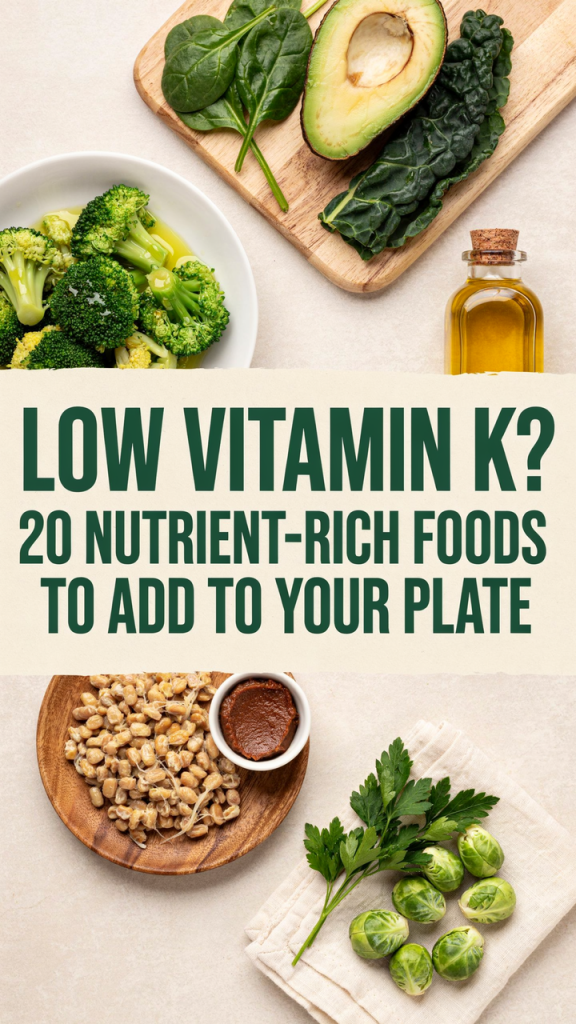
What Should I Eat for Low Vitamin K? 20 Nutrient-Rich Foods to Add to Your Plate
If you’ve been told to watch your vitamin K intake — most commonly because you’re taking a blood thinner like warfarin — you may be wondering what to eat that’s both low in vitamin K and still nutrient-dense. The good news: you don’t have to sacrifice flavor, variety, or important nutrients. This guide provides 20 practical, nutrient-rich foods that are relatively low in vitamin K, plus meal tips and three simple recipes you can try right away.
Important note: this content is informational and not medical advice. If you take anticoagulant medication or have a health condition affected by vitamin K, talk to your doctor or a registered dietitian before making major changes to your diet. Consistency in vitamin K intake is often more important than eliminating it entirely.
Why some people need to limit vitamin K
Vitamin K is a fat-soluble vitamin that helps blood clot and supports bone health. For most people, getting enough vitamin K is desirable. However, people on vitamin K–sensitive blood thinners (like warfarin) need to keep their vitamin K intake consistent so medication dosing remains effective. Abrupt increases or decreases in vitamin K-rich foods can change how well blood thinners work, increasing the risk of clotting or bleeding.
Rather than adopting a “no vitamin K” diet, the usual recommendation is consistent, predictable intake and avoiding large, sudden changes (like starting to eat a lot of kale every day). Below is a list of 20 foods that are generally lower in vitamin K and are nutrient-rich additions to a balanced plate.
How to use this list
- Use these foods as staples for building consistent meals.
- Combine proteins, vegetables, and whole grains from the list for balanced nutrition.
- Prioritize regularity over perfection — it’s safer to keep your intake steady.
- Always check with your clinician or dietitian about portion sizes and individualized recommendations.
20 Low-Vitamin K, Nutrient-Rich Foods
1. Apples
Apples are a convenient, fiber-rich fruit that provide vitamin C and antioxidants. They’re easy to snack on and to add to salads or oatmeal.
2. Bananas
Bananas are a great source of potassium and vitamin B6. They work well in smoothies, cereals, or as a quick on-the-go snack.
3. Oranges (and other citrus)
Oranges provide vitamin C, folate, and hydration. Citrus fruits are low in vitamin K and add bright flavor to meals and dressings.
4. Blueberries
Blueberries are antioxidant powerhouses with minimal vitamin K compared with leafy greens. Add them to yogurt, cereal, or smoothies.
5. Grapes
Grapes are hydrating, sweet, and low in vitamin K. They make a quick snack and pair well with cheese for a balanced mini-meal.
6. Potatoes (white)
White potatoes are a carbohydrate-rich vegetable that supply potassium and vitamin C. Prepared without leafy green toppings, they are low in vitamin K.
7. Sweet potatoes
Sweet potatoes provide vitamin A (beta-carotene), fiber, and complex carbohydrates, while remaining relatively low in vitamin K compared with cruciferous and leafy greens.
8. Carrots
Carrots are rich in beta-carotene and fiber. They’re versatile — raw, roasted, or steamed — and generally low in vitamin K.
9. Tomatoes
Tomatoes bring vitamin C, potassium, and lycopene. They’re great fresh in salsas, roasted, or canned (check sodium).
10. Bell peppers
Bell peppers are colorful, vitamin C–rich vegetables that add crunch and sweetness to meals and are low in vitamin K.
11. Cucumbers
Cucumbers are hydrating, low-calorie vegetables ideal for salads or snacks; their vitamin K content is modest compared with leafy greens.
12. Mushrooms
Mushrooms add umami, B vitamins, and minerals like selenium. Varieties such as button or cremini have relatively low vitamin K.
13. Onions and garlic
Onions and garlic provide flavor, antioxidants, and compounds linked to heart health, while contributing little vitamin K to a meal.
14. Lean chicken breast
Lean poultry is a high-quality, low-vitamin-K source of protein. Grill, bake, or poach for versatile mains.
15. Lean fish (e.g., salmon, cod)
Most fish are low in vitamin K and high in omega-3s (especially fatty fish like salmon). Fish provides protein and essential fatty acids.
16. Eggs
Eggs supply high-quality protein, choline, and vitamin D (in fortified or pasture-raised eggs). They are low in vitamin K and suitable for regular use.
17. Greek yogurt
Greek yogurt provides protein, calcium, and probiotics. Choose plain versions for lower added sugars and to control flavorings.
18. Milk and low-fat dairy
Milk and many cheeses are relatively low in vitamin K and provide calcium and protein. Portion consistency matters if you’re tracking intake.
19. Oats and whole grains (e.g., brown rice, quinoa)
Whole grains supply fiber, B vitamins, and minerals while generally contributing low to moderate vitamin K relative to leafy greens. They’re good staples for balanced meals.
20. Olive oil
Olive oil is a healthy fat source that adds flavor and helps absorb fat-soluble nutrients. It contains negligible vitamin K and is a heart-healthy option.
Practical meal-building tips for a low-vitamin-K approach
- Build balanced plates: protein + starch + low-K vegetables + healthy fat.
- Keep portions and ingredients consistent: sudden big increases in a particular food (even low-K ones) can still be significant when paired with other changes.
- Avoid high-vitamin-K foods if advised: keep track of kale, spinach, collard greens, parsley, broccoli (especially raw), and certain vegetable oils high in vitamin K.
- Read packaged-food labels and ask restaurant staff about ingredients (some prepared sauces and dressings include leafy herbs).
- Consider keeping a food diary for a week to show your clinician what your typical intake looks like; that helps dosing decisions.
- For herbal supplements or teas, check interactions and vitamin K content — many herbal products are not well-regulated.
3 Simple, Low-Vitamin-K Recipes and Meal Ideas
Below are three easy recipes using the foods above. Each recipe lists ingredients (bulleted) and clear, numbered instructions.
Recipe 1: Herbed Grilled Chicken with Roasted Potatoes
Ingredients:
– 2 boneless, skinless chicken breasts
– 1 lb (about 450 g) white potatoes, washed and cut into 1-inch cubes
– 2 tablespoons olive oil
– 1 teaspoon dried oregano or thyme
– 1/2 teaspoon garlic powder
– Salt and black pepper to taste
– 1 lemon (optional, for squeezing)
Instructions:
1. Preheat the oven to 425°F (220°C). Toss the potato cubes with 1 tablespoon olive oil, 1/2 teaspoon salt, and pepper. Spread on a baking sheet and roast for 25–30 minutes, turning once, until golden and tender.
2. While potatoes roast, pat chicken dry and brush with remaining olive oil. Rub with dried oregano or thyme, garlic powder, and a pinch of salt and pepper.
3. Heat a grill pan or skillet over medium-high heat. Grill chicken 5–7 minutes per side, or until internal temperature reaches 165°F (74°C).
4. Let chicken rest 3–5 minutes, then slice. Serve with roasted potatoes and a squeeze of lemon if desired.
Meal idea: Add a side of sliced tomatoes and cucumbers tossed with olive oil and lemon for extra freshness.
Recipe 2: Berry Banana Greek Yogurt Parfait
Ingredients:
– 1 cup plain Greek yogurt
– 1/2 cup blueberries (fresh or thawed frozen)
– 1 small banana, sliced
– 2 tablespoons rolled oats or granola (choose a low-sugar option)
– 1 teaspoon honey or maple syrup (optional)
– Pinch of cinnamon (optional)
Instructions:
1. Spoon half of the Greek yogurt into a bowl or jar.
2. Layer half the blueberries and half the banana slices over the yogurt.
3. Sprinkle 1 tablespoon of oats or granola.
4. Repeat the yogurt and fruit layers with the remaining ingredients.
5. Drizzle honey or maple syrup and a pinch of cinnamon on top if desired. Serve immediately.
This makes a balanced, low-vitamin-K breakfast or snack with protein, fiber, and antioxidants.
Recipe 3: Baked Salmon with Tomato-Cucumber Salsa
Ingredients:
– 2 salmon fillets (4–6 oz each)
– 1 tablespoon olive oil
– Salt and black pepper
– 1 cup diced tomatoes (seeded if preferred)
– 1 cup diced cucumber
– 2 tablespoons finely chopped red onion
– 1 tablespoon lemon juice
– 1 tablespoon olive oil (for salsa)
– Salt and pepper to taste
Instructions:
1. Preheat oven to 400°F (200°C). Line a baking sheet with parchment. Place salmon on the sheet, brush with 1 tablespoon olive oil, and season with salt and pepper.
2. Bake salmon for 10–14 minutes, depending on thickness, until it flakes easily with a fork and reaches a safe internal temperature.
3. While salmon bakes, combine diced tomatoes, cucumber, red onion, lemon juice, 1 tablespoon olive oil, and a pinch of salt and pepper in a bowl. Stir gently to make the salsa.
4. Serve baked salmon topped with the tomato-cucumber salsa. Pair with a side of steamed carrots or roasted sweet potatoes.
This recipe uses low-vitamin-K vegetables and provides healthy fats and protein.
Shopping list ideas (based on the 20 foods)
- Fresh fruits: apples, bananas, oranges, blueberries, grapes
- Vegetables: potatoes, sweet potatoes, carrots, tomatoes, bell peppers, cucumbers, mushrooms, onions
- Proteins: chicken breasts, salmon or white fish, eggs
- Dairy: plain Greek yogurt, milk or cheese
- Pantry: rolled oats, brown rice or quinoa, olive oil, dried herbs/spices, honey or maple syrup
Managing vitamin K while keeping meals enjoyable
- Set a routine: eat regular meals and similar portions of vitamin K–containing foods so your healthcare team can account for your intake.
- Substitute, don’t restrict: replace high-vitamin-K greens in recipes with lower-K vegetables listed here when needed — for example, use bell peppers and tomatoes in a sauté instead of spinach.
- Flavor smartly: use lemon juice, vinegar, garlic, and low-K herbs (like thyme and oregano in small amounts) to boost flavor without adding leafy green vitamin K.
- Balance nutrients: make sure you still get enough calcium, vitamin D, protein, and fiber from permitted foods. Bone and overall health are important, even when managing vitamin K.
When to see your clinician or dietitian
- You start or stop anticoagulant medication.
- Your doctor changes your medication dose.
- You plan to make big dietary changes, such as adopting a new eating pattern (e.g., juice cleanses, heavy green smoothies).
- You’re unsure how to translate “consistent vitamin K” into daily habits — a registered dietitian can make a personalized plan.
Final thoughts
Managing vitamin K doesn’t mean giving up good nutrition or tasty meals. With thoughtful planning, you can enjoy a wide range of nutrient-dense, low-vitamin-K foods — from crisp apples and berries to savory salmon and roasted potatoes — while keeping your intake consistent and safe. Use the 20 foods above as a foundation for meals, try the simple recipes, and communicate with your healthcare team to fine-tune what’s right for you. Small, sustainable changes will help you stay healthy and confident at the table.
If you’d like, I can create a 7-day meal plan using only the items on this list (with portion recommendations) tailored to keeping vitamin K consistent. Would you like that?