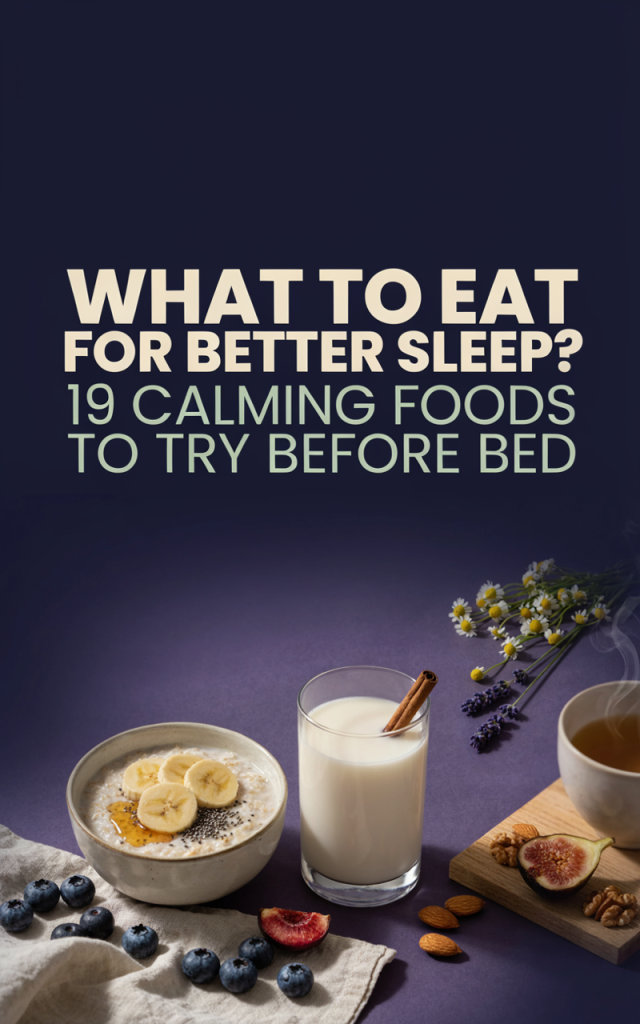
What Should I Eat for Better Sleep? 19 Calming Foods to Try Before Bed
What Should I Eat for Better Sleep? 19 Calming Foods to Try Before Bed
Introduction
If you lie awake at night scrolling through your phone or counting sheep, what you eat (and when) might be part of the problem — or the solution. Food influences sleep through hormones, neurotransmitters and nutrient availability. Choosing the right bedtime snacks or small meals can help you fall asleep faster, sleep more deeply, and wake up feeling refreshed. This guide explains how foods affect sleep and gives you 19 calming foods to try before bed, including practical tips and easy recipes you can prepare tonight.
How food affects sleep — the basics
Food and sleep are tightly connected. Key ways diet influences sleep include:
- Tryptophan and serotonin: Tryptophan is an amino acid used to make serotonin, which can be converted to melatonin — the hormone that helps regulate sleep.
- Melatonin in foods: Some foods (like tart cherries and kiwis) contain melatonin or compounds that support its production.
- Carbohydrates: A small portion of carbohydrate with protein can promote tryptophan entry into the brain.
- Magnesium and calcium: These minerals support muscle relaxation and neurotransmitter balance.
- Blood sugar and digestion: Heavy, fatty, spicy or high-sugar meals close to bedtime can disrupt sleep by causing reflux, trips to the bathroom, or blood-sugar spikes and crashes.
- Hydration timing: Dehydration can wake you up, but excessive fluids before bed can cause nocturnal bathroom trips.
Smart bedtime eating tips
- Keep it small: Aim for snacks around 150–300 kcal if you need something within 1–2 hours of bed.
- Pair carbs + protein: A little whole-grain carbohydrate with protein helps tryptophan reach the brain.
- Watch timing: Finish larger meals 2–3 hours before bed. Light snacks are fine closer to bedtime.
- Avoid stimulants: Skip caffeine and limit alcohol; they fragment sleep.
- Keep it low in spice and fat: Heavy or spicy foods can cause heartburn or indigestion.
19 Calming Foods to Try Before Bed
Below are 19 foods with evidence or strong theoretical reasons they can help promote sleep. Each item includes why it helps and practical ideas for how to use it. Several items include quick recipes you can make tonight — ingredients are bulleted and instructions are numbered.
1. Tart cherries (or tart cherry juice)
Why: Tart cherries are one of the few foods shown to contain melatonin and to modestly improve sleep duration and quality in studies.
How to use: Drink 4–8 ounces of tart cherry juice an hour or two before bed, or have a small bowl of fresh/frozen tart cherries. Combine with yogurt or oats for a sleep-friendly snack.
Tart Cherry Sleep Smoothie (sleep-promoting)
– Ingredients:
– 1/2 cup tart cherry juice (or 1/2 cup frozen tart cherries)
– 1/2 cup plain Greek yogurt
– 1/4 cup rolled oats
– 1/2 banana (optional, for sweetness)
– 1/2 tsp honey (optional)
– Instructions:
1. Add all ingredients to a blender.
2. Blend until smooth.
3. Pour and drink 30–60 minutes before bed.
2. Kiwi
Why: Small clinical trials show kiwi can improve sleep onset, duration and efficiency — possibly due to antioxidants, serotonin and a small melatonin content.
How to use: Eat 1–2 kiwis an hour before bed. They’re ideal as a light dessert or paired with yogurt.
Kiwi Yogurt Parfait
– Ingredients:
– 1 cup plain Greek yogurt
– 1–2 kiwis, peeled and sliced
– 1 tsp honey
– 1 tbsp chia seeds (optional)
– Instructions:
1. Spoon half the yogurt into a bowl or jar.
2. Layer sliced kiwi and chia seeds.
3. Add the remaining yogurt, drizzle honey on top, and enjoy.
3. Almonds
Why: Almonds are a good source of magnesium and contain some melatonin and protein. Magnesium promotes muscle relaxation and supports GABA, a calming neurotransmitter.
How to use: Have a small handful (about 1 ounce, ~23 almonds) as a snack. They’re also great chopped on yogurt or oatmeal.
4. Walnuts
Why: Walnuts contain small amounts of melatonin and healthy fats. Some studies suggest walnuts can improve sleep quality.
How to use: Add a few walnut halves to yogurt, cereal, or eat a small handful as a bedtime nibble.
5. Pumpkin seeds (pepitas)
Why: Pumpkin seeds are rich in magnesium, zinc and tryptophan — all relevant to sleep. They also provide plant-based protein.
How to use: Snack on a tablespoon or two, sprinkle on yogurt or oatmeal, or mix into trail mix.
Pumpkin Seed & Almond Trail Mix
– Ingredients:
– 1/4 cup pumpkin seeds
– 1/4 cup raw almonds
– 2 tbsp dried tart cherries or raisins
– 1 tbsp dark chocolate chips (optional)
– Instructions:
1. Combine all ingredients in a small bowl.
2. Portion into single-serving containers if desired.
3. Enjoy a small handful 30–60 minutes before bed.
6. Chia seeds
Why: Chia seeds provide magnesium and calcium and can be made into a soothing pudding. Their texture and fiber also slow digestion and prevent late-night hunger spikes.
How to use: Make chia pudding with milk and a touch of honey for a calming bedtime treat.
7. Banana
Why: Bananas are rich in magnesium, potassium and vitamin B6 (important for converting tryptophan to serotonin), which may support sleep.
How to use: Eat a banana by itself or slice it into oatmeal or yogurt. Pair with a spoonful of almond butter for protein.
Banana-Almond Night Oats
– Ingredients:
– 1/2 cup rolled oats
– 1 cup milk (dairy or fortified plant milk)
– 1 small ripe banana, mashed
– 1 tbsp almond butter
– Pinch of cinnamon
– Instructions:
1. Combine oats and milk in a small saucepan over low heat; cook until thick (or soak overnight for no-cook).
2. Stir in mashed banana, almond butter and cinnamon.
3. Serve warm 30–60 minutes before bed.
8. Oatmeal
Why: Oats are a good source of melatonin precursors, complex carbohydrates and magnesium. Warm oats can be calming and help raise insulin slightly to aid tryptophan uptake.
How to use: A small warm bowl of oatmeal an hour before bed can be quite soothing — keep portions moderate and avoid lots of added sugar.
9. Yogurt (or kefir)
Why: Dairy contains tryptophan and calcium, which helps the brain use tryptophan to make melatonin. Probiotic-rich kefir or yogurt may also support gut health, which is connected to sleep.
How to use: Try plain Greek yogurt with a sliced kiwi, a few walnuts, or a drizzle of honey.
10. Warm milk
Why: Warm milk has both a psychological calming effect and contains tryptophan and calcium. The warmth itself signals to the body that it’s time to wind down.
How to use: Drink 6–8 ounces of warm milk (dairy or fortified plant milk) before bed for a comforting ritual.
Warm Milk with Honey and Cinnamon
– Ingredients:
– 8 oz milk (dairy or fortified almond/oat milk)
– 1 tsp honey
– Pinch of cinnamon
– Instructions:
1. Gently warm the milk in a small saucepan (do not boil).
2. Pour into a mug, stir in honey and cinnamon.
3. Sip slowly 20–40 minutes before lying down.
11. Turkey (lean poultry)
Why: Turkey is high in tryptophan, the amino acid precursor to serotonin and melatonin. A small portion may support sleep when paired with carbs.
How to use: A small turkey sandwich on whole-grain bread or turkey slices with crackers about 1–2 hours before bed can be helpful. Avoid large, heavy portions.
12. Fatty fish (salmon, tuna, mackerel)
Why: Fatty fish contain vitamin D and omega-3 fatty acids, which may support serotonin production and sleep quality. Some studies suggest higher omega-3s are associated with better sleep.
How to use: Enjoy a modest serving earlier in the evening as part of dinner. For a late-light snack, smoked salmon on whole-grain toast is a great choice.
Smoked Salmon & Spinach Whole-Grain Toast
– Ingredients:
– 1 slice whole-grain bread, toasted
– 1–2 oz smoked salmon
– A small handful fresh baby spinach
– 1 tsp plain cream cheese or mashed avocado
– Fresh lemon or black pepper (optional)
– Instructions:
1. Spread cream cheese or mashed avocado on toast.
2. Layer spinach and smoked salmon.
3. Squeeze a little lemon or add pepper if desired. Eat about 60–90 minutes before bed.
13. Spinach and leafy greens
Why: Leafy greens are rich in magnesium and calcium as well as other micronutrients that support relaxation. They’re low-calorie and light on digestion when eaten in small portions.
How to use: Add a small spinach salad or a handful of greens to your evening meal. Cooking greens lightly makes them easier to digest before bed.
14. Sweet potato
Why: Sweet potatoes provide complex carbs, potassium and magnesium. They’re comforting, relatively low-glycemic and pair well with protein for a sleep-supportive snack.
How to use: Roast a small sweet potato earlier in the evening or microwave one and top with a dollop of Greek yogurt and cinnamon.
15. Whole-grain crackers or bread
Why: A small complex-carbohydrate serving can boost insulin enough to aid tryptophan uptake, especially when combined with a bit of protein.
How to use: Try whole-grain crackers with turkey, cheese or nut butter as a small bedtime snack.
16. Honey (a little)
Why: A small spoonful of honey can slightly raise insulin and encourage tryptophan to enter the brain; it’s commonly paired with warm milk or tea. Keep portions small (1 tsp).
How to use: Drizzle a teaspoon into warm milk or tea, or over yogurt.
17. Chamomile (and other calming herbal teas)
Why: Chamomile contains apigenin, an antioxidant that binds to receptors in the brain that may decrease anxiety and initiate sleep. Other caffeine-free sleep-friendly teas include lemon balm and valerian (use cautiously; valerian has stronger effects).
How to use: Sip a cup 30–60 minutes before bed. If you include honey, measure it as in item 16.
Chamomile Honey Tea
– Ingredients:
– 1 chamomile tea bag (or 1 tbsp dried chamomile)
– 8 oz hot water
– 1 tsp honey (optional)
– Instructions:
1. Steep chamomile in hot water for 5–7 minutes.
2. Remove the tea bag or strain flowers.
3. Stir in honey if using and sip warm as part of your wind-down routine.
18. Dark chocolate (in small amounts)
Why: Dark chocolate contains magnesium and polyphenols; a small piece (70% cocoa or higher) may help relax muscles. Avoid large portions due to caffeine and theobromine content.
How to use: Have one small square (about 10–15 g) no later than 2–3 hours before bed.
19. Avocado
Why: Avocados are rich in magnesium and healthy monounsaturated fat. They provide steady energy and nutrients that support the nervous system.
How to use: Spread a thin layer of mashed avocado on whole-grain toast or enjoy a couple of slices with a sprinkle of salt and lemon as a light evening snack.
Putting it together — sample bedtime snack combos
Here are practical, balanced pairings combining the foods above. Keep portions modest.
- Greek yogurt + sliced kiwi + a few chopped walnuts (protein + fruit + healthy fats)
- Whole-grain toast + smoked salmon + spinach (complex carb + protein + leafy greens)
- Small bowl of oatmeal + sliced banana + sprinkle of almonds
- Tart cherry smoothie (see recipe) with a small handful of pumpkin seeds
- Whole-grain crackers + turkey slice + a dab of avocado
What to avoid before bed
- Large, spicy, or fatty meals that cause indigestion.
- Sugary desserts that spike blood glucose.
- Caffeine after mid-afternoon (tea, coffee, many sodas, chocolate).
- Excessive liquids close to bedtime.
Timing and portion reminders
- If you need a snack right before bed: keep it small (150–200 kcal), low in sugar and easy to digest.
- If you eat dinner late, make the meal lighter and finish it at least 1–2 hours before lying down.
- Consistency helps: pairing a calming snack with a wind-down routine signals your brain it’s time to sleep.
Practical sleep-food routine
- Finish large meals 2–3 hours before bedtime.
- If hungry within an hour of bed, choose from the 19 calming foods above.
- Combine a small portion of carbohydrate (whole grain, fruit) with protein or healthy fat to help tryptophan uptake.
- Keep fluid intake moderate to avoid nighttime awakenings.
- Make the snack part of a relaxing pre-sleep ritual — dim lights, turn off screens, and breathe deeply.
Conclusion
Food won’t magically fix every sleep problem, but choosing the right bedtime snacks can make falling and staying asleep easier. The 19 calming foods above — from tart cherries and kiwi to almonds, warm milk and chamomile tea — offer a mix of melatonin, tryptophan, magnesium and calming ritual potential. Use them thoughtfully: keep portions small, combine carbs with protein, and time snacks so digestion won’t interrupt sleep. Try one or two of the recipes tonight and notice how your body responds. Small, consistent changes to what and when you eat can lead to better nights and brighter mornings.
Sweet dreams — and enjoy experimenting with these sleep-friendly foods.