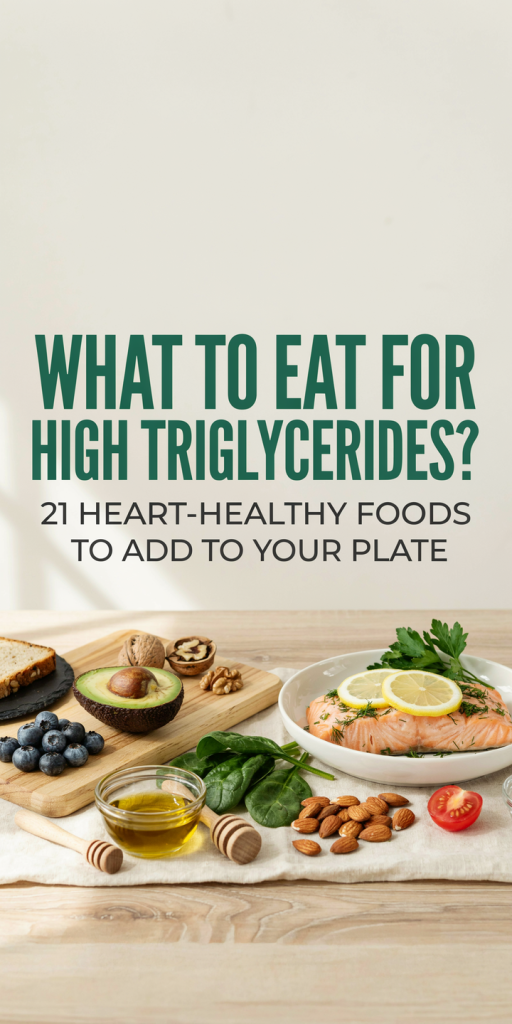
What Should I Eat for High Triglycerides? 21 Heart-Healthy Foods to Add to Your Plate
High triglycerides are a common and modifiable risk factor for heart disease. If your blood test came back with elevated triglycerides, diet is one of the most powerful tools you have to lower them and protect your heart. This article gives an evidence-informed, practical guide: the 21 heart-healthy foods you should consider adding to your plate, why they help, how often to eat them, and simple recipes to get started.
Read on to learn what lowers triglycerides, exact foods to prioritize, and easy meal ideas that actually taste great.
What are triglycerides and why do they matter?
Triglycerides are a type of fat (lipid) found in your blood. After you eat, your body converts excess calories to triglycerides and stores them in fat cells. High levels — typically defined as 150 mg/dL or greater — increase cardiovascular risk, especially when combined with low HDL (“good”) cholesterol or high LDL (“bad”) cholesterol. Extremely high triglycerides (over 500 mg/dL) can also raise the risk of pancreatitis.
Diet, weight, alcohol, genetics, and physical activity all affect triglyceride levels. The good news: many dietary changes produce meaningful improvements.
How diet affects triglycerides (quick principles)
- Reduce refined carbohydrates and added sugar: Sugary drinks, pastries, white bread, and many processed snacks are converted to triglycerides quickly.
- Cut or avoid excessive alcohol: Alcohol raises triglycerides in many people.
- Emphasize unsaturated fats and omega‑3s: Monounsaturated and polyunsaturated fats, especially marine omega‑3 fatty acids (EPA and DHA), can lower triglycerides.
- Add fiber and whole grains: Soluble fiber slows carbohydrate absorption and helps lower triglycerides.
- Choose lean proteins and plant proteins: These help with satiety and reduce reliance on high-sugar or high-saturated-fat choices.
- Maintain a healthy weight and stay active: Both reduce triglyceride levels alongside diet.
Below are 21 foods that fit those principles and are practical to include regularly.
21 Heart-Healthy Foods to Add to Your Plate
- Fatty fish (salmon, mackerel, sardines)
- Why: Rich in EPA and DHA, long-chain omega‑3s that can substantially lower triglycerides.
- How to eat: Aim for 2 servings per week of fatty fish. For very high triglycerides, doctors may recommend higher omega‑3 intake under supervision.
- Flaxseeds
- Why: High in alpha‑linolenic acid (ALA, a plant omega‑3), soluble fiber, and lignans. Ground flaxseed is easier to digest.
- How to eat: Add 1–2 Tbsp ground flaxseed to yogurt, oatmeal, or smoothies daily.
- Chia seeds
- Why: Packed with ALA, fiber, and viscosity that slows digestion — helpful for blood sugar and triglyceride control.
- How to eat: Make a chia pudding or stir into oatmeal or a smoothie (1–2 Tbsp).
- Walnuts
- Why: A rich plant source of omega‑3 ALA and polyunsaturated fats; studies show walnuts can improve lipid profiles.
- How to eat: A small handful (about 1 oz) as a snack or chopped into salads.
- Almonds
- Why: High in monounsaturated fats, vitamin E, and magnesium. Almonds support satiety and better lipid numbers when substituted for carbs or saturated fats.
- How to eat: 1 oz as a snack, or almond butter on whole-grain toast.
- Extra‑virgin olive oil
- Why: High in heart-healthy monounsaturated fats and polyphenols. Replacing saturated fats with olive oil helps lower triglycerides and LDL.
- How to eat: Use as dressing, for low‑heat cooking, or finish vegetables — 1–2 Tbsp per meal as part of a balanced plate.
- Avocado
- Why: Contains monounsaturated fats, fiber, and potassium. Avocado helps reduce triglycerides when used instead of high-sugar or refined-carb side dishes.
- How to eat: Half an avocado with breakfast or added to salads and sandwiches.
- Oats
- Why: Rich in soluble beta‑glucan fiber, which lowers cholesterol and helps stabilize blood sugar and triglycerides.
- How to eat: Start the day with ½–1 cup cooked oats; top with berries, chia, or nuts.
- Barley
- Why: Another excellent source of soluble fiber (beta‑glucan) that reduces lipids and improves glycemic control.
- How to eat: Use pearled or hulled barley in soups, salads, or as a side grain.
- Beans and legumes (lentils, chickpeas, black beans)
- Why: High in soluble fiber and plant protein; substituting legumes for refined carbs or red meat helps lower triglycerides.
- How to eat: Aim for several servings each week — add to soups, salads, or make hummus.
- Soy foods (tofu, edamame)
- Why: Soy protein modestly improves lipid profiles and is a low-saturated-fat protein alternative.
- How to eat: Swap tofu or edamame in place of higher-fat meats a few times per week.
- Berries (blueberries, strawberries, raspberries)
- Why: Low in sugar for fruit, high in fiber and polyphenol antioxidants that support heart health and insulin sensitivity.
- How to eat: Fresh or frozen as toppings for oats, yogurt, or in smoothies.
- Citrus fruits (oranges, grapefruits, lemons)
- Why: Source of soluble fiber and vitamin C; grapefruit (with medications monitored) has compounds that can affect lipids.
- How to eat: Whole citrus fruits, not juice — include as snacks or in salads.
- Leafy greens (spinach, kale, Swiss chard)
- Why: Very low calorie and carbohydrate, high in micronutrients and fiber — excellent for weight management and blood sugar control.
- How to eat: Fill half your plate with nonstarchy vegetables at meals.
- Cruciferous vegetables (broccoli, cauliflower, Brussels sprouts)
- Why: Fiber-rich and nutrient-dense; associated with improved cardiometabolic health.
- How to eat: Roast, steam, or stir-fry as a regular side.
- Sweet potatoes
- Why: Higher in fiber and vitamins than white potatoes and lower on the glycemic index when eaten with the skin.
- How to eat: Roast, mash, or bake as a starchy side in moderation.
- Tomatoes
- Why: High in lycopene and antioxidants; low in calories and sugar, they support overall heart-healthy eating patterns.
- How to eat: Fresh in salads, roasted, or in tomato-based sauces with no added sugar.
- Green tea
- Why: Contains catechins which may modestly improve lipid and glucose metabolism.
- How to drink: 1–3 cups daily; avoid adding a lot of sugar.
- Garlic
- Why: Has compounds that may modestly lower triglycerides and LDL when consumed regularly.
- How to eat: Use fresh garlic in cooking or dressings — aim for multiple times per week.
- Cinnamon
- Why: May help reduce fasting blood sugar and post-meal spikes, which can help lower triglyceride production.
- How to use: Sprinkle on oatmeal, yogurt, or in coffee/tea (1 tsp or to taste).
- Plain low‑fat Greek yogurt or kefir
- Why: Good protein source; probiotics may have favorable effects on metabolism and body weight when part of a healthy diet. Choose plain to avoid added sugars.
- How to eat: Use as a breakfast base, snack, or in sauces and dressings.
How to use this list in real life
These foods are most effective when part of an overall dietary pattern that limits added sugars, refined grains, and excess alcohol; emphasizes whole, minimally processed foods; and keeps overall calories in a healthy range to support weight goals. Swap, don’t just add: replace sugary beverages with water or green tea, replace refined breakfast cereals with oats and berries, and replace high‑fat processed meats with beans, soy or fatty fish.
Below are three practical, heart-healthy recipes that use many of the items above. Each recipe includes ingredients and step-by-step instructions.
3 Heart-Healthy Recipes / Meal Ideas
These recipes are simple, balanced, and designed to be triglyceride-friendly: lower in added sugar and refined carbs, high in fiber, and include healthy fats and/or omega‑3s.
1) Berry Oat Smoothie with Flax and Chia (Breakfast)
Ingredients:
– 1 cup unsweetened plain low‑fat Greek yogurt or kefir
– 1/2 cup frozen mixed berries (blueberries, strawberries, raspberries)
– 1/3 cup rolled oats (or cooked and cooled)
– 1 tablespoon ground flaxseeds
– 1 tablespoon chia seeds
– 1/2 small banana or 1/4 avocado (for creaminess; optional)
– 1/2 teaspoon cinnamon
– 1/2–3/4 cup cold water or unsweetened almond milk
– Ice as desired
Instructions:
1. Add yogurt (or kefir), frozen berries, oats, ground flaxseed, chia seeds, banana or avocado (if using), and cinnamon to a blender.
2. Pour in water or unsweetened almond milk and add a few ice cubes if you like a thicker texture.
3. Blend until smooth. If too thick, add a little more water and blend again.
4. Taste and adjust — if you need extra sweetness, add a few drops of liquid stevia or a small date, but avoid added sugars.
5. Serve immediately. This provides fiber, protein, and plant omega‑3s to start the day.
2) Lentil & Barley Salad with Avocado and Olive Oil (Lunch or Side)
Ingredients:
– 1 cup cooked lentils (green or brown), drained and cooled
– 1/2 cup cooked pearl barley, cooled
– 1 small avocado, diced
– 1 cup chopped cherry tomatoes
– 1/2 cup chopped cucumber
– 2 cups baby spinach or mixed leafy greens
– 2 tablespoons extra‑virgin olive oil
– 1 tablespoon lemon juice
– 1 clove garlic, minced
– Salt and pepper to taste
– 1 tablespoon chopped fresh parsley or cilantro (optional)
Instructions:
1. In a small bowl, whisk together olive oil, lemon juice, minced garlic, salt, and pepper to make the dressing.
2. In a large bowl, combine cooked lentils, barley, chopped tomatoes, cucumber, and greens.
3. Pour the dressing over the salad and toss gently to combine.
4. Fold in diced avocado and chopped herbs just before serving to keep avocado texture.
5. Serve chilled or at room temperature. This salad delivers soluble fiber, plant protein, and healthy fats to help stabilize blood sugar and triglycerides.
3) Garlic & Herb Baked Salmon with Roasted Brussels Sprouts (Dinner)
Ingredients:
– 2 salmon fillets (4–6 oz each)
– 2 tablespoons extra‑virgin olive oil, divided
– 2 cloves garlic, minced
– 1 tablespoon lemon juice
– 1 teaspoon chopped fresh dill or parsley
– Salt and pepper to taste
– 2 cups Brussels sprouts, halved
– 1/2 teaspoon cinnamon (optional, very sparing) or black pepper for sprouts
Instructions:
1. Preheat the oven to 400°F (200°C). Line a baking sheet with parchment paper.
2. Toss halved Brussels sprouts with 1 tablespoon olive oil, salt, and pepper (or a pinch of cinnamon if you like a warm flavor). Spread in a single layer on the baking sheet.
3. Place the Brussels sprouts in the oven and roast for 10 minutes.
4. Meanwhile, mix remaining olive oil, minced garlic, lemon juice, dill or parsley, salt, and pepper in a small bowl. Brush the mixture over the salmon fillets.
5. Remove the baking sheet from the oven after 10 minutes; move the Brussels sprouts to one side and place salmon fillets on the other side.
6. Return to the oven and roast another 10–12 minutes until salmon is cooked through and Brussels sprouts are tender and caramelized.
7. Serve the salmon with roasted Brussels sprouts and a wedge of lemon. This dinner provides marine omega‑3s, fiber, and a healthy fat profile.
Practical tips for incorporating these foods
- Plan swaps: Replace sugary snacks with a small handful of walnuts and a piece of fruit. Replace white rice with barley or quinoa occasionally.
- Batch cook: Prepare a big pot of lentils and barley at the start of the week to add to salads and bowls.
- Read labels: Avoid yogurts and packaged foods with added sugars; choose plain products and add fresh fruit or cinnamon.
- Watch portions of calorie-dense foods: Nuts, seeds, and olive oil are healthy but calorie-dense. A portion is typically 1 ounce of nuts or 1–2 tablespoons of oil.
- Limit alcohol: If your triglycerides are high, consider discussing alcohol reduction with your clinician — even moderate amounts can raise triglycerides in some people.
- Move daily: Aim for at least 150 minutes of moderate aerobic activity weekly; exercise helps lower triglycerides independent of diet.
When to see your healthcare provider
- If triglycerides are very high (above 500 mg/dL), consult your provider promptly — medication may be necessary to reduce risk of pancreatitis.
- If lifestyle changes (diet, weight loss, limiting alcohol, exercise) don’t lower triglycerides after a few months, your clinician may discuss prescription options (fibrates, high-dose omega‑3 formulations, statins depending on your full lipid profile).
- If you have diabetes, metabolic syndrome, or a family history of lipid disorders, coordinate dietary changes with regular medical follow-up.
Quick daily sample menu (uses foods above)
- Breakfast: Berry oat smoothie with flax and chia.
- Lunch: Lentil & barley salad with avocado and olive oil.
- Snack: Plain Greek yogurt with a few walnuts and cinnamon.
- Dinner: Baked salmon with roasted Brussels sprouts and a side of steamed spinach.
- Drinks: Water, green tea. Avoid sugary beverages and limit alcohol.
Conclusion
Lowering high triglycerides doesn’t require deprivation — it’s about smart, targeted swaps and building meals that support steady blood sugar, healthy fats, and plenty of fiber. The 21 foods listed here offer a roadmap: fatty fish and plant omega‑3 sources, nuts and olive oil for healthy fats, oats and barley for soluble fiber, beans and soy for plant protein, and abundant vegetables and berries for micronutrients and fiber. Use the included recipes to get started and personalize portions and flavors to suit your tastes.
Small, consistent changes — replacing refined carbs with whole grains, choosing unsaturated fats, adding fiber- and omega‑3‑rich foods, and limiting alcohol — yield meaningful improvements over weeks to months. Work with your healthcare team to track progress, and remember: these foods are tools to empower healthier blood lipids and a stronger heart. You can do this — one delicious, heart‑healthy plate at a time.