
What Are the Benefits of Turmeric?
Turmeric — a bright yellow-orange spice used for centuries in cooking and traditional medicine — has surged into mainstream wellness conversations for its impressive list of potential health benefits. Whether sprinkled on roasted vegetables, stirred into a warming latte, or taken as a concentrated supplement, turmeric offers a variety of bioactive compounds that may support inflammation control, antioxidant defenses, brain health, and more. This article breaks down what turmeric is, how it works, the evidence-backed benefits, safety considerations, practical tips for use, and several easy, health-forward recipes to get more turmeric into your life.
What is turmeric?
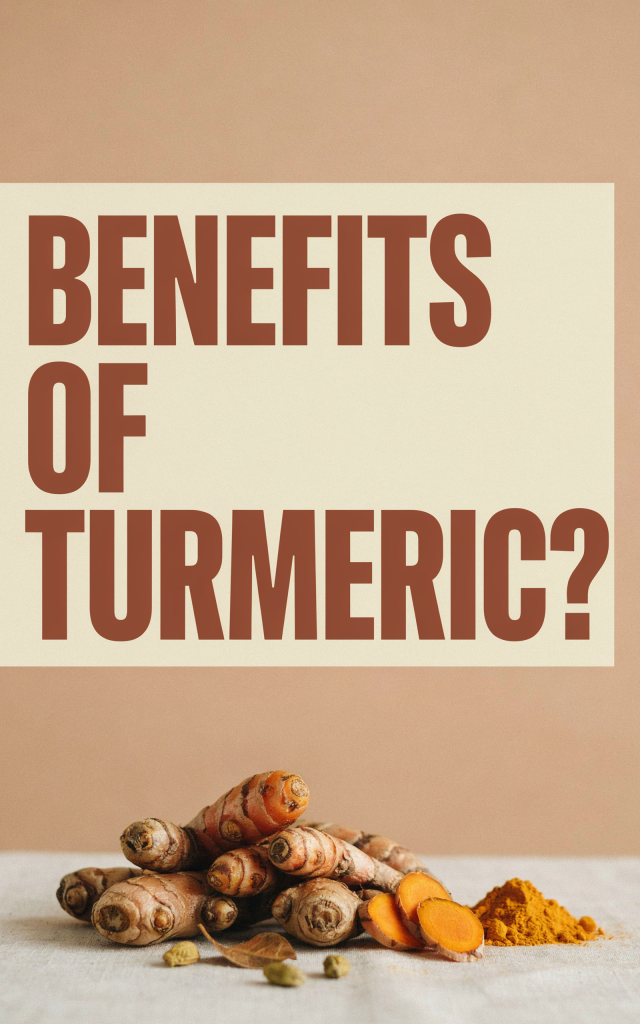
Turmeric (Curcuma longa) is a flowering plant in the ginger family. The orange-yellow root (rhizome) is dried and ground to create the familiar spice widely used in South Asian and Middle Eastern cuisines. The primary active compound thought to drive many of turmeric’s health effects is curcumin — a polyphenol with antioxidant and anti-inflammatory properties.
Key compounds in turmeric
- Curcumin (the most extensively studied)
- Demethoxycurcumin and bisdemethoxycurcumin (other curcuminoids)
- Volatile oils (turmerone, atlantone)
- Polysaccharides and other minor phytochemicals
Curcumin is responsible for the bright color and much of the biological activity researchers study. However, curcumin alone is poorly absorbed when consumed by itself — there are simple dietary tactics (like pairing with black pepper and healthy fats) that greatly improve absorption.
How turmeric works (a simplified view)
Turmeric and curcumin influence numerous molecular pathways involved in inflammation, oxidative stress, and cellular signaling. Key mechanisms include:
– Reducing levels of pro-inflammatory enzymes and cytokines (e.g., COX, LOX, TNF-α, IL-6)
– Scavenging free radicals and boosting the body’s antioxidant enzymes (e.g., SOD, catalase)
– Modulating gut microbiota and gut health
– Affecting signaling pathways linked to cell survival, metabolism, and gene expression (e.g., NF-κB, Nrf2)
Because inflammation and oxidative stress are central to many chronic conditions, these mechanisms help explain why turmeric is investigated for so many health areas.
Evidence-based benefits of turmeric
Below are several benefits supported by clinical studies or strong preclinical evidence. Language like “may” or “can” reflects that effects vary by dose, formulation, and individual characteristics. Always consult a healthcare professional for personalized advice.
1. Powerful anti-inflammatory support
Turmeric for chronic inflammation and joint pain
Chronic, low-level inflammation underlies conditions like osteoarthritis and rheumatoid arthritis. Multiple randomized controlled trials (RCTs) show curcumin extracts can reduce pain and improve function in people with osteoarthritis, sometimes comparable to standard pain medications but with fewer side effects.
2. Strong antioxidant effects
Neutralizing free radicals and protecting cells
Curcumin acts as an antioxidant, neutralizing free radicals and boosting endogenous antioxidant enzymes. This dual effect helps reduce oxidative damage implicated in aging and chronic disease.
3. Supports brain health and cognitive function
Potential benefits for memory and mood
Some studies suggest curcumin can increase brain-derived neurotrophic factor (BDNF), a protein linked to cognitive performance and mood regulation. Early trials indicate promising effects on memory in older adults and potential mood benefits in people with depression, but larger studies are needed.
4. Heart and vascular benefits
Blood vessel function, cholesterol, and blood pressure
Curcumin has been shown to improve endothelial function (how well blood vessels dilate), reduce LDL oxidation, and modestly influence cholesterol and blood pressure markers, all of which support cardiovascular health.
5. Digestive health and gut support
Turmeric for the gut
Turmeric can support digestion by stimulating bile production and reducing inflammatory processes in the gut. Some people with inflammatory bowel conditions report symptom improvement when curcumin is added to conventional therapy.
6. Immune modulation
Helping the immune system respond appropriately
Curcumin modulates immune responses, potentially enhancing innate defenses while decreasing excessive inflammation. This balancing effect is why turmeric is often suggested as part of an overall immune-supportive lifestyle.
7. May support metabolic health and blood sugar control
Effects on insulin sensitivity and weight-related inflammation
Preliminary studies indicate curcumin may improve insulin sensitivity and reduce markers of metabolic syndrome. It may also assist in reducing fat-related inflammation, which can help metabolic health over time.
8. Potential anti-cancer properties (ongoing research)
Laboratory and clinical research
Curcumin affects many pathways involved in tumor formation and growth in laboratory settings. Early clinical trials explore its role as an adjunct to conventional cancer treatments. While promising, curcumin should not replace standard cancer therapies.
9. Skin health and wound healing
Topical and internal benefits
Topical turmeric formulations have been used to help wound healing and reduce inflammation in certain skin conditions. Internal anti-inflammatory and antioxidant effects may also benefit skin health.
10. Mood and mental health support
Depression and mood-related symptoms
Several small RCTs suggest curcumin can improve depressive symptoms, particularly when used alongside standard treatments. Again, results are encouraging but not conclusive.
How to get the most out of turmeric
Tips to increase turmeric’s absorption and effectiveness
- Combine with black pepper (piperine) — piperine can increase curcumin absorption by up to 2,000%.
- Consume with healthy fats — curcumin is fat-soluble, so pairing with oils, avocado, nuts, or dairy improves uptake.
- Use concentrated curcumin supplements when targeting therapeutic doses — whole turmeric root provides lower curcumin amounts than extracts.
- Choose formulations designed for improved bioavailability (e.g., nanoparticle curcumin, curcumin-phospholipid complexes).
Typical dosages and forms
Culinary turmeric
– Turmeric spice: commonly used at 1–3 grams per day in cooking (about 1/2 to 1 teaspoon).
Supplements
– Curcumin extract supplements: commonly 500–2,000 mg/day of standardized curcumin (often divided into two doses). Many clinical trials use 500–1,500 mg/day of curcumin extract.
– Look for products combined with piperine or with a bioavailability-enhancing delivery system.
Always start low and increase gradually. If you’re taking medications or have chronic conditions, consult your clinician before starting supplements.
Safety, side effects, and interactions
Turmeric and curcumin are generally well tolerated, but there are important cautions:
– Gastrointestinal upset (nausea, diarrhea) can occur at high doses.
– May increase bleeding risk — caution with blood thinners (warfarin, aspirin) or prior to surgery.
– May lower blood sugar and blood pressure — monitor if you take medications for diabetes or hypertension.
– Can interact with certain drugs (e.g., some chemotherapy agents, anticoagulants).
– Pregnant and breastfeeding people: high-dose curcumin supplements are not recommended; culinary turmeric in food amounts is generally considered safe.
– Kidney stone risk: turmeric contains oxalates; if you have a history of oxalate kidney stones, discuss with a clinician.
If in doubt, check with your healthcare provider, particularly when combining turmeric or curcumin supplements with prescription medications.
How to choose a high-quality turmeric supplement
- Look for standardized curcumin content (e.g., 95% curcuminoids) and clear dosing instructions.
- Choose products third-party tested for purity and contaminants (USP, NSF, ConsumerLab).
- If absorption is a priority, opt for formulas containing piperine or patented bioavailability technologies.
- Avoid mega-doses unless under medical supervision.
Practical culinary tips: how to cook with turmeric
- Add to soups, stews, curries, and rice dishes.
- Blend into smoothies with a fat source (yogurt, nut butter, avocado) and a pinch of black pepper.
- Make a golden milk (latte) or soothing turmeric tea.
- Roast vegetables with turmeric, olive oil, and black pepper for better absorption.
- Use fresh turmeric root grated into dressings or marinades for a brighter flavor.
Recipes: Easy, health-forward turmeric ideas
Below are five practical recipes you can make at home. Each recipe lists ingredients (bulleted) and instructions (numbered) so you can follow along easily.
Recipe 1 — Golden Milk (Turmeric Latte)
Ingredients:
– 1 cup unsweetened almond milk (or milk of choice)
– 1/2 teaspoon ground turmeric
– 1/4 teaspoon ground cinnamon
– 1/8 teaspoon ground ginger (or 1/2 teaspoon fresh grated ginger)
– Pinch of black pepper
– 1 teaspoon honey or maple syrup (optional)
– 1/2 teaspoon coconut oil (optional—for absorption)
Instructions:
1. Heat the milk in a small saucepan over medium-low heat until warm (do not boil).
2. Whisk in turmeric, cinnamon, ginger, black pepper, and coconut oil.
3. Simmer gently for 3–5 minutes, whisking to combine and froth slightly.
4. Remove from heat, stir in sweetener if using, and pour into a mug.
5. Enjoy warm. Stir in additional black pepper if desired.
Recipe 2 — Turmeric-Ginger Smoothie
Ingredients:
– 1 banana (frozen for creaminess)
– 1 cup spinach or kale (optional)
– 1 cup unsweetened almond milk
– 1/2 teaspoon ground turmeric (or 1 teaspoon fresh grated turmeric)
– 1/2 teaspoon fresh grated ginger (or 1/4 teaspoon ground ginger)
– 1 tablespoon almond or peanut butter
– Pinch of black pepper
– 1 teaspoon chia seeds (optional)
Instructions:
1. Add all ingredients to a blender in the order listed.
2. Blend until smooth, adding water or ice to reach desired consistency.
3. Taste and adjust sweetness or spices as needed.
4. Pour into a glass and enjoy immediately.
Recipe 3 — Turmeric Roasted Cauliflower
Ingredients:
– 1 medium head cauliflower, cut into florets
– 2 tablespoons olive oil
– 1 teaspoon ground turmeric
– 1/2 teaspoon ground cumin
– 1/2 teaspoon smoked paprika
– Salt and black pepper to taste
– Lemon wedges for serving
Instructions:
1. Preheat oven to 425°F (220°C). Line a baking sheet with parchment paper.
2. In a large bowl, toss cauliflower florets with olive oil, turmeric, cumin, smoked paprika, salt, and black pepper until evenly coated.
3. Spread cauliflower in a single layer on the baking sheet.
4. Roast for 20–25 minutes, stirring halfway through, until tender and golden brown on the edges.
5. Squeeze fresh lemon over the top and serve warm.
Recipe 4 — Quick Turmeric Chicken Bowl
Ingredients:
– 2 boneless, skinless chicken breasts, sliced
– 1 tablespoon olive oil
– 1 teaspoon ground turmeric
– 1/2 teaspoon ground cumin
– 1/2 teaspoon garlic powder
– Salt and black pepper
– 2 cups cooked quinoa or brown rice
– 1 cup steamed broccoli
– 1/2 avocado, sliced
– Fresh cilantro and lemon wedges for garnish
Instructions:
1. In a bowl, toss sliced chicken with olive oil, turmeric, cumin, garlic powder, salt, and pepper.
2. Heat a skillet over medium-high heat and cook chicken for 4–6 minutes per side, until cooked through.
3. Divide quinoa or rice into bowls. Top with cooked chicken, steamed broccoli, and avocado slices.
4. Garnish with cilantro and a squeeze of lemon. Serve warm.
Recipe 5 — Simple Turmeric Tea (Tisane)
Ingredients:
– 2 cups water
– 1/2 teaspoon ground turmeric (or 1 teaspoon grated fresh turmeric)
– 1/4 teaspoon grated fresh ginger (optional)
– Pinch of black pepper
– 1 teaspoon honey or lemon to taste (optional)
Instructions:
1. Bring water, turmeric, ginger, and black pepper to a gentle boil in a small pot.
2. Reduce heat and simmer for 5–10 minutes to infuse.
3. Strain into a cup and sweeten with honey or lemon if desired.
4. Sip warm, up to twice daily.
All five of these recipes explicitly use turmeric in approachable formats that combine with fats and black pepper to improve absorption.
Frequently asked questions (SEO-friendly mini-FAQ)
Is turmeric the same as curcumin?
No. Turmeric is the whole spice containing several compounds; curcumin is the main active curcuminoid within turmeric. Supplements often concentrate curcumin to reach therapeutic doses.
How much turmeric should I take daily?
For culinary use, 1–3 grams of ground turmeric daily is common. For therapeutic effects, curcumin supplement doses typically range from 500–2,000 mg/day of standardized extract. Discuss dosing with a healthcare professional.
Can turmeric stain?
Yes — turmeric’s pigment is strong and can stain skin, clothing, and surfaces. Use caution when handling and clean spills promptly.
How quickly will I see benefits?
This varies. For acute pain relief, some people notice changes within days to weeks. For long-term benefits (e.g., metabolic or cognitive), sustained use for weeks to months is often necessary in clinical studies.
Final practical tips and best practices
- Start with culinary turmeric in foods and beverages; add a pinch of black pepper and a fat source for better absorption.
- If considering supplements, choose third-party-tested products and consult a clinician, especially if you take medications.
- Use fresh turmeric root for brighter flavor and higher antioxidant content when available.
- Rotate forms (food-based turmeric + occasional supplement if needed) rather than relying solely on high-dose supplements long-term.
Conclusion
Turmeric is more than a vibrant kitchen staple — it’s a compound-rich plant with a robust body of research showing anti-inflammatory, antioxidant, and potentially protective effects for the brain, heart, joints, and metabolic health. While curcumin — turmeric’s principal bioactive — holds most of the research spotlight, simple culinary practices (like combining turmeric with black pepper and healthy fats) make it easy to reap benefits through everyday meals. Whether you try a warming golden milk, a bright turmeric smoothie, or add a dash of the spice to roasted vegetables, there are many delicious, science-informed ways to include turmeric in a healthful lifestyle. As with any supplement or dietary change, individual needs vary, so check with a healthcare professional when in doubt. Embrace turmeric as one helpful tool among many for supporting long-term wellness.

