The Truth About Seed Oils: What Science Really Says About Health, Cooking, And Sustainability (2026 Guide)
Seed oils are everywhere, in our kitchens, snack foods, and ingredient lists, yet they remain one of the most controversial topics in nutrition and food policy. In this 2026 guide we’ll separate hype from evidence, explain how seed oils are made, examine the latest health research, and give practical advice for cooking and storage. Whether you’re trying to optimize heart health, reduce inflammation, or choose sustainable fats, we’ll give a clear, science-forward look at seed oils so you can make informed choices in your kitchen.
What Are Seed Oils And How Are They Made?
Seed oils are vegetable-derived fats extracted from the seeds of plants such as soybean, sunflower, canola (rapeseed), safflower, corn, and cottonseed. Unlike oils from fruits (olive, avocado) or animal fats, seed oils typically come from industrial-scale processing of seeds that contain relatively little free oil compared with olives or avocados.
Extraction methods fall into two broad categories: mechanical and chemical. Cold-pressed or expeller-pressed oils are produced by mechanically squeezing seeds under controlled temperatures: these processes preserve more flavor and micronutrients but yield less oil. Most commercial seed oils, but, are produced using solvent extraction (commonly hexane) followed by refining steps. The solvent loosens oil from seed solids, then the solvent is evaporated and recovered. Refining then typically includes degumming (removing phospholipids), neutralization (removing free fatty acids), bleaching (removing pigments), and deodorization (steam distillation to remove volatile compounds).
Refined seed oils are high in neutral triglycerides and have a light flavor and long shelf life, features that make them attractive for industrial food production. Cold-pressed or unrefined versions retain more minor compounds like tocopherols (vitamin E) and phytosterols but are more perishable and sometimes more expensive.
The production route matters because extraction and refining can change the oil’s minor components and susceptibility to oxidation. When we talk about “seed oils” in public debates, we’re often lumping together very different products: cold-pressed sunflower oil differs chemically and culinarily from highly refined, deodorized industrial sunflower oil. Recognizing that variety helps us interpret health studies and practical cooking advice later in this guide.
Common Types Of Seed Oils And Their Nutritional Profiles
Here are the seed oils you’ll most commonly encounter and a snapshot of their macronutrient and micronutrient profiles (per typical serving):
- Soybean oil: High in polyunsaturated fatty acids (PUFAs), particularly linoleic acid (omega-6). Contains some alpha-linolenic acid (ALA, omega-3) but in modest amounts. Commercially abundant and inexpensive.
- Corn oil: Rich in linoleic acid (omega-6), relatively low in omega-3s. Often used in processed foods and frying due to high smoke point.
- Sunflower oil: Varieties vary, conventional high-linoleic sunflower oil is PUFA-heavy (omega-6), while high-oleic sunflower oil is bred to be richer in monounsaturated fat (MUFA) like oleic acid.
- Canola oil (rapeseed): Lower in saturated fat, relatively high in MUFA and contains some ALA (omega-3). Its fatty acid profile is often considered heart-friendly by guideline committees.
- Safflower oil: Like sunflower, exists in high-linoleic and high-oleic varieties. High-oleic types mimic olive oil’s MUFA content.
- Cottonseed oil: High in PUFAs and commonly used in industrial frying: concerns have been raised historically about pesticide residues and gossypol, though modern refining largely mitigates these issues.
Nutritionally, seed oils are primarily sources of fatty acids, saturated fat (SFA), MUFA, and PUFA, plus small amounts of vitamin E (tocopherols) and plant sterols. They are low in vitamins A and D and contain almost no protein or carbohydrates. The major nutritional debate centers on the balance of PUFAs (particularly omega-6 linoleic acid) relative to other fats and the presence or absence of beneficial minor compounds found in less-refined oils.
It’s also important to note genetic and processing-driven differences: high-oleic cultivars (sunflower, safflower) have been developed to offer more MUFA, improving oxidative stability and shifting nutritional comparisons closer to olive oil. When assessing a seed oil’s profile, look for the fatty acid breakdown on technical sheets or labels and whether the oil is high-oleic, cold-pressed, or refined, these descriptors change both function and health implications.
Health Evidence: Cardiovascular, Inflammation, And Metabolic Outcomes
The most consequential question about seed oils is their effect on long-term health. Over the past decades, large bodies of evidence, randomized trials, prospective cohort studies, and meta-analyses, have examined how replacing saturated fat with unsaturated fats (including seed oils) affects cardiovascular disease (CVD) and metabolic outcomes.
At the population level, replacing saturated fats with polyunsaturated or monounsaturated fats is associated with lower LDL cholesterol and reduced risk of coronary heart disease events. Landmark randomized trials from the mid-20th century and pooled analyses suggest a modest but clinically meaningful reduction in CVD when PUFAs replace SFAs. Contemporary guideline bodies (AHA, ESC) continue to recommend unsaturated fats over saturated fats partly on this evidence base.
Inflammation is a more contested area. Seed oils are high in linoleic acid (LA), an omega-6 fatty acid. Critics argue high LA intake could promote inflammation via arachidonic acid pathways: but, controlled trials and observational data generally show no consistent association between dietary LA and inflammatory biomarkers. In fact, LA intake does not reliably increase circulating markers of inflammation in humans, and higher LA within typical dietary ranges often links to better cardiometabolic markers.
Metabolic outcomes (insulin sensitivity, diabetes risk) also show neutral-to-beneficial signals when replacing SFAs with unsaturated fats. Several cohort studies report that higher PUFA intake correlates with lower incidence of type 2 diabetes compared with higher saturated fat intake, though confounding by overall diet quality is possible.
A key nuance: much of the favorable evidence addresses replacing saturated fat with PUFAs overall, not specifically refined versus unrefined seed oils. Many trials used partially hydrogenated or specially prepared oils different from today’s industrial seed oils. Nevertheless, the physiologic effects of linoleic acid on cholesterol are consistent across many contexts.
We should also emphasize dose and dietary patterns. Small amounts of seed oil used as part of a Mediterranean-like eating pattern (vegetables, whole grains, legumes, nuts, fish) contribute to cardiovascular benefit, while high intake of ultra-processed foods cooked in cheap refined seed oils likely confounds outcomes. So, the health evidence supports replacing saturated fats with unsaturated fats, but context, what foods and patterns accompany the oils, matters.
Oxidation, Refining, And Cooking Safety
A frequent concern is that PUFAs in seed oils are chemically fragile and prone to oxidation, producing aldehydes and other harmful compounds under heat. It’s true that oils high in polyunsaturated fatty acids oxidize more readily than saturated or monounsaturated fats. Oxidation risk depends on three main factors: fatty acid composition (more double bonds = more reactive), presence of antioxidants (natural tocopherols or added preservatives), and exposure to pro-oxidant conditions (high temperature, oxygen, light, or metal catalysts).
Refining reduces certain minor compounds (free fatty acids, pigments, and free sterols) that can catalyze off-flavors and instability: it also removes antioxidants, which paradoxically can make refined oils more prone to oxidation during storage unless tocopherols or synthetic antioxidants are added. Deodorization at high temperatures also strips volatiles and some oxidation products, yielding a neutral-tasting oil suitable for manufacturing.
About cooking safety: research shows that all oils generate thermal degradation products when heated above their smoke point. But, the level and toxicity of these products depend on temperature, duration, and whether food buffers the oil. Deep-frying at high temperatures repeatedly (as in commercial fryers) creates more oxidation products than occasional home pan-frying. Experimental studies have detected aldehydes and polymerized triglycerides in overheated oils, and some of these compounds are toxic in high doses in animal models. The human exposure context, dose and frequency, is critical.
We should avoid blanket statements: high-oleic seed oils and refined oils are more heat-stable than conventional high-linoleic seed oils. Cooking at moderate temperatures, avoiding prolonged reuse of oil, and choosing appropriate oils for the cooking method markedly reduces oxidation risk. Overall, while oxidation products are a legitimate concern, typical home cooking practices don’t usually produce the same exposure levels seen in toxicology studies.
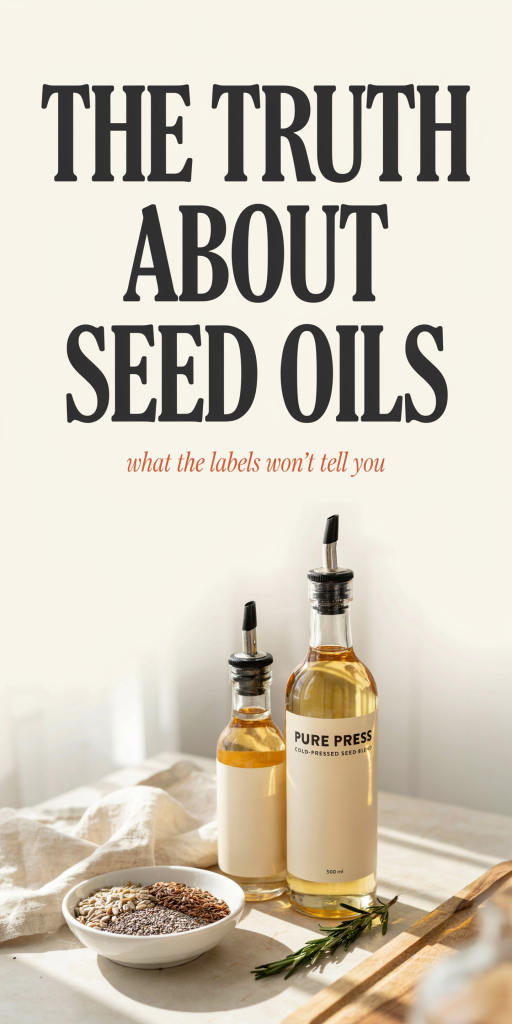
How Seed Oils Compare To Other Cooking Fats (Olive Oil, Butter, Animal Fats)
Comparing seed oils with olive oil, butter, and animal fats involves nutrition, flavor, stability, and culinary fit.
Nutritionally: Olive oil (especially extra-virgin) is rich in MUFAs and contains polyphenols and antioxidants linked to cardiovascular benefits in randomized and observational research. Butter and many animal fats are higher in saturated fats and cholesterol: they raise LDL cholesterol relative to unsaturated fats but also deliver fat-soluble vitamins and unique flavor compounds. Seed oils tend to be lower in saturated fat and higher in PUFAs: when we substitute seed oils for butter or lard, we typically lower LDL cholesterol.
Oxidation and stability: Butter and lard, being more saturated, are more heat-stable and less prone to oxidative breakdown than high-PUFA seed oils. Olive oil, rich in MUFA and antioxidants (in less-refined forms), strikes a good balance: reasonably heat-stable and healthful. High-oleic seed oils approach olive oil’s stability and are suitable for high-heat applications.
Culinary considerations: Butter and animal fats lend savory depth and browning qualities (Maillard reactions) that many chefs value. Extra-virgin olive oil offers complex flavor and is ideal for dressings, finishing, and moderate-heat cooking. Neutral refined seed oils are prized in baking and frying for their unobtrusive taste and long shelf life.
Sustainability and cost: Plant-derived seed oils generally have lower direct greenhouse gas emissions per calorie than animal fats, but land use, monocropping, and fertilizer inputs complicate the picture. Olive oil has a different ecological profile, often associated with Mediterranean agroecosystems that can be biodiverse when managed well.
In practice, we recommend a toolbox approach: use extra-virgin olive oil and high-oleic seed oils as primary liquid fats, reserve butter or animal fats when flavor or high-heat stability is required, and avoid over-relying on any single fat. That diversity balances taste, nutrition, and culinary performance.
Choosing, Storing, And Using Seed Oils: Practical Recommendations For Home Cooks
We want to give clear, practical guidance you can use today.
Selecting oils:
- Read labels: Look for “high-oleic” if you plan to use an oil for high-heat cooking. “Cold-pressed” or “expeller-pressed” indicates mechanical extraction and less refining but check the intended use (some cold-pressed oils aren’t suitable for frying).
- Favor reputable brands with clear sourcing and freshness dates. If sustainability matters to you, seek certifications or direct sourcing information.
- Use variety: keep a neutral refined seed oil for frying, extra-virgin olive oil for dressings/finishing, and a butter or animal fat for occasional flavor-rich applications.
Storage and shelf life:
- Store oils in a cool, dark pantry away from the stove. Use smaller bottles if you don’t cook often.
- Check “best by” dates and prefer fresher oil. Once opened, many refined seed oils remain stable for several months: unrefined oils tend to have shorter shelf lives.
- Refrigerate oils like flaxseed or walnut to slow rancidity: allow them to return to room temperature before use if they cloud.
Using oils safely in cooking:
- Match oil smoke point with cooking method while recognizing smoke points are lab measures, not absolute safety thresholds.
- For deep-frying, choose refined, heat-stable oils and avoid repeatedly reusing the same oil, strain and discard after multiple uses.
- Use oils sparingly in dressings to control calorie density: pair with acidic ingredients (vinegar, lemon) to improve flavor and nutrient absorption.
Budget and sustainability tips:
- Bulk seed oils are cost-effective for household frying, but prioritize quality for frequent use.
- Rotate oils by flavor and function so you don’t waste specialty oils on tasks better suited to neutral oils.
Eventually, our approach is pragmatic: pick oils that fit the cooking task, store them to preserve quality, and include them within an overall diet focused on whole foods. That way we get culinary benefits without unnecessary risk or expense.
Conclusion
The truth about seed oils is nuanced. Broadly speaking, replacing saturated fats with unsaturated fats, many of which come from seed oils, is supported by decades of evidence for cardiovascular benefit. Concerns about oxidation, refining, and inflammatory effects are valid but often overstated when taken out of culinary and dose context. We recommend a balanced, practical strategy: prefer high-oleic or stable refined seed oils for high-heat cooking, use extra-virgin olive oil and unrefined oils where flavor and antioxidants matter, store oils properly, and prioritize whole-food dietary patterns. By doing so, we can harness the affordability and functionality of seed oils while minimizing potential downsides, and align our choices with both personal health and culinary goals.