Top 10 Weight-Loss Foods To Buy At Costco: Smart Picks For Faster Results In 2026
Shopping at Costco can be a game-changer for anyone pursuing weight loss, bulk value, higher-quality ingredients, and convenience make it easier to stick with a plan. But not every oversized package helps our goals. In this guide we’ll walk through the top 10 weight-loss foods to buy at Costco in 2026, explain what to look for on labels, and show how to use these items in real meals and snacks. We’re focusing on high-protein, high-fiber, nutrient-dense choices that keep us full longer, minimize added sugars and refined carbs, and give us the flexibility to meal-prep for a week. Whether you’re cooking for one or feeding a family, these picks reduce decision fatigue and improve results. Read on for practical shopping, portioning, and pairing tips so your Costco haul works with, not against, your weight-loss plan.
What To Look For When Choosing Weight-Loss Foods At Costco
Costco’s bulk packaging is brilliant for saving money, but when we’re buying for weight loss we need a slightly different filter than “biggest size, best price.” Here are the criteria we use every time we shop:
- Prioritize protein and fiber: Foods higher in protein and fiber help us feel full on fewer calories. Look for lean meats, dairy with at least 15–20 grams of protein per serving, beans, lentils, oats, and whole grains.
- Check added sugars and sodium: Packaged items can hide added sugars (in dressings, sauces, flavored yogurts) and high sodium levels. We scan the ingredient lists and go for minimal added sugar and <400 mg sodium per serving when possible.
- Favor whole-food ingredients: The shorter the ingredient list, the better. Whole foods like frozen vegetables, plain Greek yogurt, canned tuna, and dry lentils are versatile and less processed.
- Watch portion-friendly formats: Bulk doesn’t mean we have to eat more. Costco offers individually portioned options, single-serve Greek yogurts, snack packs of nuts, and pre-sliced cooked chicken, that reduce overeating.
- Consider convenience and prep time: Weight-loss plans fail when convenience is low. Prepped veggies, frozen fruit, and rotisserie or pre-cooked proteins reduce friction and help us make the right choice under time pressure.
We’ll apply these principles as we walk through our top 10 picks, giving brand-agnostic guidance and practical serving ideas so your Costco cart supports sustained results.
Lean Proteins To Prioritize (Chicken Breast, Canned Tuna, Turkey Breast)
Lean protein is the foundation of most effective weight-loss plans because it preserves lean mass, raises satiety, and modestly increases calorie burn through the thermic effect of food. At Costco we consistently choose three easy staples: boneless skinless chicken breast, canned tuna (or salmon), and thin-sliced turkey breast.
- Chicken breast: Costco’s large frozen or fresh packs of boneless skinless chicken are economical and versatile. We portion, freeze in meal-sized bags, and use them for stir-fries, sheet-pan dinners, salads, or grilled sandwiches. A 4–6 oz serving provides ~25–35 g protein with minimal fat when skin is removed. Cooking tips: batch-bake with simple seasonings (smoked paprika, garlic powder, salt) and shred for salads or wraps.
- Canned tuna & salmon: Canned seafood is shelf-stable, high in protein, and portable. We look for tuna packed in water (lower calories than oil) or wild salmon in its own juices. Two-thirds of a can typically yields 20–30 g protein, perfect for salads, tuna-stuffed bell peppers, or a quick tuna-and-whole-grain-cracker snack. Canned salmon also contributes calcium when bones are included.
- Turkey breast (deli or pre-sliced): Costco’s thin-sliced turkey breast offers a no-cook protein option for sandwiches and wraps. It’s helpful for lower-effort lunches where we’d otherwise reach for carbs. Note sodium: deli meats can be high in salt, so we rinse slices or choose lower-sodium varieties when available.
Practical serving idea: Build a 400–500 calorie plate with 4–6 oz lean protein, 1–1.5 cups non-starchy vegetables, and ¼–½ cup whole grains or starchy veg. That combination balances fullness and nutrition while keeping calories reasonable.
High-Fiber Grains And Legumes That Keep You Full (Oats, Lentils, Quinoa)
Fiber is a weight-loss MVP: it slows digestion, stabilizes blood sugar, and prolongs satiety. Costco’s bulk bins and large bags are ideal for stocking oats, lentils, and quinoa, three staples we rely on for filling breakfasts, sides, and plant-based meals.
- Oats: Rolled oats or old-fashioned oats are a low-cost, nutrient-rich breakfast staple. A ½-cup dry portion yields roughly 4–5 g fiber and keeps us satisfied for hours when paired with protein (Greek yogurt) or healthy fat (nuts). Overnight oats, stovetop bowls, or blended into smoothies, oats are flexible and inexpensive.
- Lentils: Dry lentils cook quickly (20–30 minutes for most varieties) and deliver about 8–9 g fiber and 18 g protein per cooked cup. Red or green lentils become hearty soups, lentil salads, or meat-substitute tacos. We often batch-cook a couple of cups and portion them for the week, great for adding bulk to salads without many calories.
- Quinoa: Quinoa is a complete plant protein with about 5 g protein and 3 g fiber per cooked ½-cup. It’s an excellent base for grain bowls and pairs well with roasted vegetables and a lean protein. Costco often sells tri-color or bulk quinoa, buy once, store in a cool place, and use it to switch up texture and flavor.
Shopping tips: For each bag, label with an estimated number of servings to avoid overeating. Use measuring scoops and pre-portion grains into one-cup pouches for quick reheating. Combine these fiber-rich grains and legumes with lean proteins and vegetables to create low-calorie, high-satiety meals that support weight loss.
Greek Yogurt And Cottage Cheese: High-Protein Dairy Staples
Greek yogurt and cottage cheese are among the best dairy buys at Costco because they pack high protein into a modest calorie package and work for both savory and sweet preparations. We favor plain, full-flavor options to control added sugars.
- Greek yogurt: Costco typically carries large tubs of plain Greek yogurt with 15–20+ g protein per 6–8 oz serving. It’s perfect for breakfasts (with berries and oats), sauces (tzatziki or yogurt-based dressings), or as a sour cream substitute in recipes. For weight loss, we mix a small serving of fruit and a tablespoon of nut butter to keep blood sugar stable and appetite in check.
- Cottage cheese: Cottage cheese offers a slightly different texture and is often underused. One cup of low-fat cottage cheese gives roughly 25 g protein and pairs nicely with chopped cucumber and tomato for a savory snack, or with pineapple/berries for a quick sweet treat. High-protein cottage cheese is particularly helpful post-workout or as an evening snack that curbs late-night cravings.
Serving strategies: We pre-portion single servings into small containers for grab-and-go breakfasts. When substituting for higher-calorie ingredients (mayonnaise, sour cream, cream cheese), Greek yogurt and cottage cheese reduce calories while delivering more protein.
Flavor note: If plain dairy feels dull, add cinnamon, vanilla, a squeeze of lemon, and a small drizzle of honey or maple (1 tsp) to keep sugar low but tastes satisfying.
Frozen Vegetables And Fruit: Low-Calorie, Nutrient-Dense Options
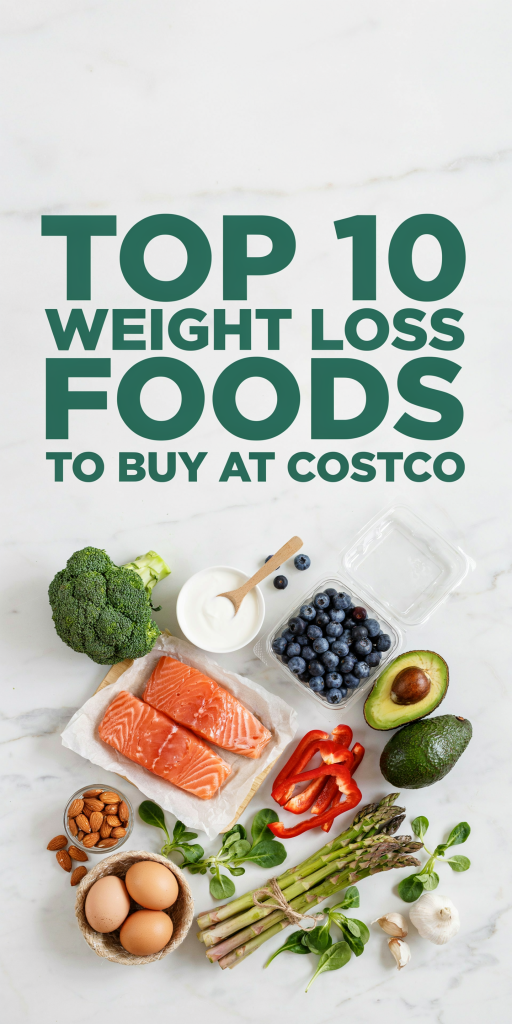
Frozen produce is one of Costco’s best weight-loss values: it’s preserved at peak ripeness, available year-round, and dramatically reduces waste. Keeping a variety of frozen vegetables and fruits on hand removes barriers that lead to less healthy convenience choices.
- Frozen vegetables: Costco sells large bags of mixed vegetables, broccoli florets, spinach, cauliflower rice, and more. These are low-calorie, high-volume foods that we use to bulk up meals without adding many calories. For example, a sheet-pan meal can include a modest protein and an extra two cups of mixed veggies for negligible calories but significant satiety and micronutrients.
- Frozen fruit: Berries, mango, and mixed fruit bags are perfect for smoothies, breakfasts, or portioned dessert alternatives. Blended with a scoop of protein powder or a half-cup of Greek yogurt, frozen fruit makes a filling, nutrient-dense beverage that’s satisfying but light.
Practical advantages: Frozen produce saves prep time, no washing or chopping, and stores longer than fresh, which helps reduce spoilage-related food waste. Frozen vegetables also fit our meal-prep rhythm: steam, season, and portion into containers for the week.
Recipe idea: Stir-fry 6 oz chicken, 3 cups mixed frozen vegetables, 1 cup cooked quinoa, and a simple sauce made from 1 tbsp soy sauce, a splash of rice vinegar, and chili flakes. That’s a high-volume, balanced meal under 600 calories with excellent macro balance for fat loss.
Nuts, Seeds, And Nut Butters: Smart Portions For Satiety
Nuts, seeds, and nut butters are calorically dense but highly satiating, meaning they can support weight loss when we control portions. Costco’s bulk packages are cost-effective: our job is to portion them so we reap the benefits without excess calories.
- Nuts: Almonds, walnuts, and pistachios are common Costco offerings. A one-ounce serving (about 23 almonds or a small handful) is calorie-dense (~160–200 kcal) but fills us up. We pre-portion handfuls into small bags or use a kitchen scale to ensure accuracy. Pistachios have the advantage of shells, which slow eating and help moderate portions.
- Seeds: Chia, hemp, and flax seeds are small but pack fiber, omega-3s (especially flax), and protein. A tablespoon sprinkled on yogurt or oatmeal adds texture and nutrition without a big calorie hit. Chia can also thicken overnight oats or puddings, adding bulk that supports fullness.
- Nut butters: Costco often sells large jars of almond or peanut butter. Choose minimally processed versions with only nuts (and maybe salt). We measure out 1–2 tablespoons per serving and pair with fruit or whole-grain toast. If we crave a spoonful straight from the jar, we keep single-serve packets on hand to avoid overdoing it.
Pairing tip: Combining a small portion of nuts or nut butter with fruit or yogurt turns a snack into a balanced mini-meal with protein, healthy fat, and fiber, exactly what we want to control appetite between meals.
Healthy Snacks And Convenience Options To Curb Cravings (Hummus, Prepped Veggies, Jerky)
Snacking can derail progress when options are high-calorie and low-nutrient. Costco’s selection includes several convenience items that help us stay on track when hunger hits between meals. We focus on snacks that combine protein, fiber, or healthy fat to stabilize appetite.
- Hummus: Large tubs of hummus at Costco are economical, pair with prepped carrot sticks, bell pepper slices, or whole-grain crackers. Hummus provides plant protein and fiber: a 2-tablespoon serving is around 50–70 calories. We pre-portion single-serve cups for workdays to avoid overeating straight from the container.
- Prepped vegetables: Costco sells ready-to-eat chopped vegetables and salads. These are low-calorie, high-volume snacks that we use to fill plates for minimal calories. Add a lean protein or hummus to make a snack that truly curbs cravings.
- Jerky and meat sticks: High-quality beef, turkey, or salmon jerky packs protein in a portable form. We choose brands with minimal sugar and moderate sodium. Jerky is ideal for travel, post-gym protein, or times when we can’t cook.
- Popcorn and rice cakes (light options): Air-popped or low-fat popcorn can be a satisfying crunchy snack with much lower calories than chips. Rice cakes topped with cottage cheese or avocado are another quick pairing.
Behavioral tip: Keep these snacks visible and within reach. Out of sight tends to equal out of mind, so if our kitchen is stocked with on-plan snacks, we’re far less likely to reach for impulse choices.
Conclusion
Costco can be a powerful ally for weight loss if we shop with intent. Choosing lean proteins, fiber-rich grains and legumes, high-protein dairy, frozen produce, and portion-controlled nuts and snacks makes it easier to stay full, reduce calorie-dense impulse choices, and save money. Our approach is simple: favor whole ingredients, control portions, and prioritize convenience that supports consistency. With these top 10 picks and the practical serving strategies we’ve outlined, you’ll leave Costco with a cart that fuels results rather than temptations. Let’s plan our next trip with a list, stick to the perimeter, and prepare a few grab-and-go portions so healthy choices are the easy choices all week long.