10 Warning Signs Your Nervous System Is Overstressed — What To Notice And What To Do In 2026
Our nervous system quietly coordinates everything we do: breathing, thinking, moving, digesting, and reacting to stress. But when it’s overburdened, signals get noisy, patterns shift, and everyday symptoms can start to cascade. In 2026 more people are juggling hybrid work, constant connectivity, and lingering pandemic stressors, factors that make nervous-system overload more common than most of us realize.
In this text we walk through 10 clear symptoms that often point to an overstressed nervous system. For each sign we explain what’s happening physiologically, how to tell when it’s cause for concern, and practical steps we can take to rebalance, immediate actions and longer-term strategies. We’ll also highlight when to seek medical evaluation so you don’t ignore a treatable condition. Read on to learn what to notice, why it matters, and what to do next.
Why The Nervous System Gets Overstressed And Who’s At Risk
The nervous system, central (brain and spinal cord) plus peripheral nerves, responds to internal and external demands. When stressors exceed our ability to adapt, the system shifts into a high-alert state: sympathetic activity (fight-or-flight) rises, parasympathetic recovery weakens, and inflammatory and hormonal cascades can alter how nerves and organs work.
Who’s at higher risk? People with chronic stress exposure (caregivers, high-pressure jobs), disrupted sleep, unresolved trauma, chronic illness (autoimmune disease, diabetes), or multiple lifestyle stressors (poor diet, sedentary habits) are more likely to experience dysregulation. Genetics and age matter too: older adults and those with family histories of anxiety or neuropathy may tip into dysfunction more easily.
We should also watch for cumulative load, not a single event but repeated small stressors. Digital overstimulation, irregular routines, and persistent low-level pain are subtle contributors. Recognizing risk early helps us intervene with lifestyle, behavioral, and medical strategies before transient symptoms become chronic problems.
Rapid Heartbeat And Palpitations That Come Without Exertion
A racing heart or palpitations when we haven’t been physically active often reflect heightened sympathetic drive or abnormal autonomic balance. Stress hormones like adrenaline speed heart rate and can produce sensations of fluttering, skipped beats, or pounding in the chest. In many cases these are benign, especially if short-lived and linked to a clear trigger like caffeine, panic, or poor sleep.
We should take note when palpitations are persistent, prolonged, accompanied by chest pain, fainting, or breathlessness, or when they appear suddenly in people with known heart disease. Simple steps to help include paced breathing (6 breaths per minute), grounding techniques, reducing stimulants (caffeine, nicotine), and hydration. For recurrent episodes we recommend ambulatory monitoring (Holter) and a cardiac evaluation to rule out arrhythmia.
Treating underlying anxiety, improving sleep, and regular aerobic exercise usually reduce episodes over time. Medications are sometimes necessary but pairing them with nervous-system calming habits gives the best outcomes.
Dizziness, Lightheadedness, And Episodes Of Near Fainting
Feeling faint, dizzy, or unusually lightheaded can be an autonomic nervous system signal. When autonomic regulation falters, blood pressure and heart rate may not adapt quickly enough to posture changes (orthostatic intolerance), causing cerebral underperfusion and a near-fainting sensation. Anxiety and hyperventilation can also alter CO2 levels, producing lightheadedness.
We should differentiate positional dizziness (worse when standing) from vestibular causes (spinning sensation) or medication side effects. Practical checks: measure blood pressure sitting and standing, note whether symptoms follow long standing, dehydration, or prolonged screens, and observe any associated heart palpitations.
Interventions include increasing fluid and salt intake (if not contraindicated), gradual positional changes, compression stockings for some patients, and breathing retraining to correct hyperventilation. If episodes are frequent or involve loss of consciousness, we must pursue medical testing, ECG, tilt-table testing, and a neurologic exam can clarify whether autonomic dysfunction or another condition is present.
Frequent Or Worsening Headaches And Migraines
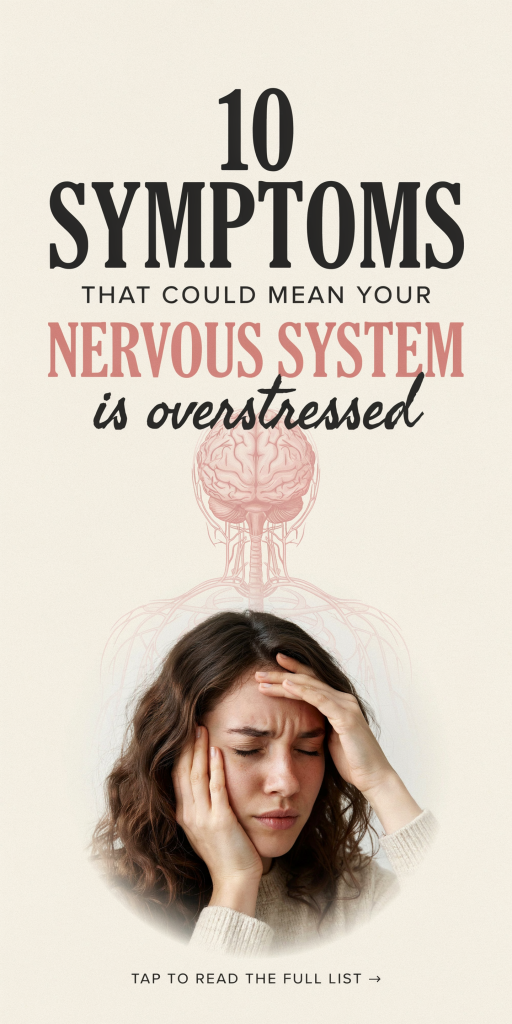
Headaches and migraines often correlate with nervous-system stress. Chronic sympathetic activation increases muscle tension in the neck and scalp, amplifies sensory pathways, and alters pain modulation in the brainstem. For migraine sufferers, stress is a top trigger, both escalation and withdrawal (let-down) of stress can provoke attacks.
We should pay attention to pattern changes: headaches that become more frequent, last longer, or respond poorly to usual medications suggest worsening dysregulation. New headache types after age 50 or headaches with neurologic changes (vision loss, weakness, sudden severe onset) require immediate evaluation.
Management works best with a multimodal approach: identify and reduce triggers (sleep irregularities, skipping meals, caffeine), adopt consistent sleep and hydration habits, use progressive muscle relaxation and biofeedback, and consider preventive therapies if attacks are frequent. For chronic daily headache, structured programs combining medication review, physical therapy, and behavioral interventions often restore control.
Numbness, Tingling, And New Muscle Weakness
Numbness, pins-and-needles sensations, or new muscle weakness can indicate peripheral nerve involvement, central nervous system issues, or severe autonomic imbalance. Stress alone can amplify perception of paresthesia, but persistent or progressive sensory loss and objective weakness need prompt evaluation because they may reflect conditions like neuropathy, radiculopathy, or inflammatory neurologic disease.
We should note distribution (one limb, both sides, hands versus feet), progression, and associated symptoms (balance problems, bowel/bladder changes). Stress-related hypervigilance can make minor nerve symptoms feel worse, but true neurologic deficits, reflex changes, atrophy, or clear weakness, are red flags.
Initial steps include stopping offending medications, improving glycemic control if diabetic, reducing alcohol intake, and addressing vitamin deficiencies (B12). For unexplained or worsening symptoms we recommend seeing neurology for nerve conduction studies, imaging, or autoimmune testing. Early diagnosis improves recovery chances and helps us target both physiologic and stress-related contributors.
Brain Fog, Memory Lapses, And Trouble Concentrating
Brain fog, that sluggish, fuzzy thinking, is a common complaint when our nervous system is taxed. Chronic stress alters prefrontal cortex functioning, reduces working memory, and impairs attention networks. Sleep disruption, mood disturbances, medication side effects, and metabolic issues (thyroid, anemia) also contribute.
We should evaluate the impact: are we forgetting appointments, struggling with simple tasks, or finding it hard to follow conversations? If cognitive issues appear suddenly, progress quickly, or accompany neurologic signs, urgent medical assessment is required. Otherwise, lifestyle interventions often yield substantial improvement.
Practical steps include sleep optimization, structured work blocks (Pomodoro technique), reducing multitasking, and targeted nutrition (omega-3s, consistent protein intake). Cognitive training, mindfulness meditation, and regular physical activity strengthen attentional control. When needed, we screen for reversible medical causes and consider occupational strategies or workplace accommodations while recovery occurs.
Heightened Anxiety, Irritability, And Sudden Mood Swings
When our nervous system is on edge, emotional regulation becomes harder. Heightened baseline anxiety, easy irritability, and abrupt mood swings reflect a brain increasingly biased toward threat detection. Neurotransmitter shifts, sleep loss, and inflammation all play roles.
We must distinguish between expected stress responses and psychiatric conditions that need specialized care. If anxiety interferes with daily functioning, relationships, or work, or if mood swings include depressive episodes or suicidal thoughts, immediate professional support is essential.
Self-help measures are effective for many: establish predictable routines, limit news and social-media exposure, practice daily grounding and breathing, and build micro-recoveries into the day (short walks, brief social connection). For persistent or severe symptoms, evidence-based therapies like cognitive-behavioral therapy (CBT), acceptance and commitment therapy (ACT), and certain medications help rebalance neurochemistry and restore coping capacity.
Sleep Disturbances And Unrelenting Daytime Fatigue
Poor sleep is both a cause and consequence of nervous-system overload. Hyperarousal makes it hard to fall or stay asleep: fragmented sleep reduces restorative slow-wave and REM phases, leaving us chronically fatigued. Daytime exhaustion worsens cognitive function, mood, and autonomic balance, creating a vicious cycle.
We should look for classic signs: difficulty initiating sleep, frequent nighttime awakenings, non-restorative sleep, or excessive daytime sleepiness even though adequate hours. Rule out sleep disorders (sleep apnea, restless legs) with a sleep study when indicated.
Practical remedies include a wind-down routine, limiting screen light and stimulants before bed, consistent sleep-wake times, and optimizing bedroom environment for darkness and cool temperature. Short daytime naps (20–30 minutes) can help but avoid long naps that disrupt night sleep. If fatigue persists even though sleep hygiene, we evaluate for medical causes, thyroid dysfunction, anemia, chronic infection, and consider behavioral sleep medicine interventions.
Digestive Changes, Appetite Loss, Or Gut Sensitivity Linked To Stress
The gut and brain communicate constantly via the vagus nerve and hormonal pathways. When our nervous system is overstressed, gut motility, secretion, and sensitivity change, producing nausea, diarrhea, constipation, appetite shifts, or increased bloating. Stress can also exacerbate conditions like irritable bowel syndrome (IBS) and functional dyspepsia.
We should note timing and triggers: are symptoms tied to stressful periods, certain foods, or irregular eating patterns? Sudden weight loss, blood in stool, or persistent severe pain require urgent medical assessment to exclude organic disease.
Management combines dietary strategies (regular meals, low-FODMAP trial if appropriate), mindful eating, and stress reduction techniques (diaphragmatic breathing stimulates the vagus nerve). Probiotics and targeted fiber adjustments help some people, while CBT for IBS and gut-directed hypnotherapy have strong evidence for reducing symptom burden by changing gut–brain interactions.
Conclusion: When To Seek Help And Practical Steps To Rebalance Your Nervous System
Nervous-system overload shows up in many ways, heart racing, dizziness, headaches, numbness, brain fog, mood swings, sleep loss, and gut changes. We can often reduce symptoms by addressing sleep, movement, nutrition, stimulants, and stress-reduction practices. Small, consistent habits (regular sleep, paced breathing, short daily walks, and screen boundaries) build resilience.
Seek medical evaluation when symptoms are new, progressive, or accompanied by red flags: fainting, focal weakness, vision changes, chest pain, sudden severe headache, bloody stool, or thoughts of harming yourself. A primary-care provider can coordinate appropriate testing and referrals (cardiology, neurology, sleep medicine, mental-health professionals).
In our experience, combining medical assessment with behavioral tools, breathing techniques, CBT or trauma-informed therapy, graded exercise, and lifestyle optimization, restores balance for most people. If you’re noticing several of the signs we described, start with one manageable change today (for example, a 10-minute evening wind-down) and schedule a medical checkup so we can get both symptoms and causes addressed.