Lymph Vs Water Retention: How To Tell The Difference, Treat It, And Know When To See a Doctor (2026 Guide)
Swelling is common, ankles puff up after a long flight, your fingers look thicker after a salty dinner, or one limb seems larger after surgery. But not all swelling is the same. When we talk about “lymph vs water retention,” we’re distinguishing two different physiologic problems that look similar on the surface but have different causes, diagnostic paths, and treatments. Understanding which one you (or a loved one) have matters: it changes the therapy we choose and when we need a specialist.
In this guide we’ll walk through the lymphatic system and lymphedema (what people mean by lymph retention), the many causes of edema (water retention), how to tell them apart, diagnostic tests to expect, and practical treatment options, from self-care to advanced therapies. We’ll also be clear about red flags that should prompt urgent medical attention. Our goal is to give you a practical, evidence-informed roadmap so you can act confidently and get the right care faster.
Lymphatic System Basics And What Is Lymphedema (Lymph Retention)
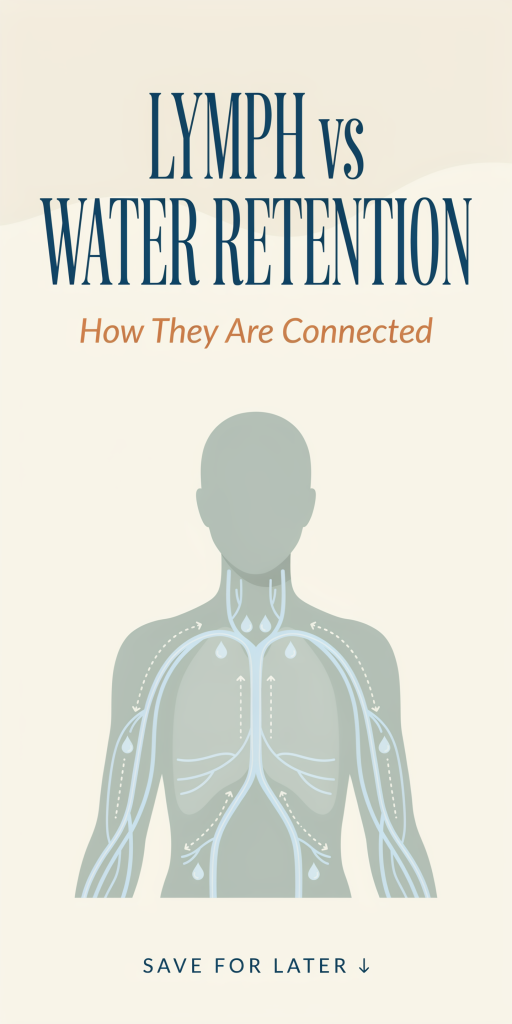
The lymphatic system is one of the body’s silent maintenance teams. It runs parallel to the circulatory system and is responsible for returning excess interstitial fluid, proteins, fats, and immune cells back to the bloodstream. Lymphatic vessels collect fluid from tissues, pass it through lymph nodes (which filter and mount immune responses), and eventually empty into large veins near the collarbone.
Lymphedema, often called lymph retention, occurs when that transport system is disrupted or overwhelmed. Fluid and protein accumulate in the interstitial spaces, causing persistent swelling, skin changes, and a higher risk of infection. There are two broad categories:
- Primary lymphedema: A congenital or developmental problem with lymphatic vessels or nodes. It can present at birth, during adolescence, or later in life depending on the defect.
- Secondary lymphedema: Acquired damage to the lymphatic system. Common causes include cancer surgery (particularly lymph node removal), radiation therapy, severe infections (like cellulitis or filariasis in endemic regions), trauma, or chronic venous insufficiency exacerbating lymphatic load.
Key clinical features that point toward lymphedema include:
- Asymmetry: One limb (arm or leg) is often noticeably larger than the other.
- Non-pitting or minimal pitting on early stages: Unlike simple fluid, protein-rich lymph can make the swelling firmer.
- Stemmer sign: Inability to pinch the skin at the base of the second toe or finger is a classic sign of lymphedema.
- Skin changes: Over time, chronic lymphedema may lead to thickened skin, papillomatosis, or hyperkeratosis.
- Recurrent infections: Because lymph stagnation impairs local immunity, people with lymphedema get cellulitis or lymphangitis more often.
Staging helps guide management. Early (Stage 0–I) lymphedema may be reversible with measures that enhance lymph flow: late (Stage II–III) shows persistent swelling, fibrosis, and more complex skin changes that need intensive therapy. Importantly, lymphedema is not just cosmetic, it can limit mobility, cause discomfort, and reduce quality of life. Recognizing it early improves outcomes.
What Is Water Retention (Edema): Causes, Types, And Symptoms
Edema, or water retention, refers to excess fluid accumulating in the interstitial spaces. It’s one of the most common complaints in clinical practice and has many potential origins. Unlike lymphatic protein-rich swelling, edema often reflects systemic or local fluid balance problems.
Common causes and types of edema
- Dependent edema: Gravity-driven swelling seen in the ankles or lower legs after standing or sitting for long periods. It typically improves with leg elevation and overnight.
- Cardiac edema: Heart failure leads to low effective arterial blood volume, activating neurohormonal pathways that cause sodium and water retention. Edema here is usually bilateral, often accompanied by breathlessness and fatigue.
- Renal edema: Conditions like nephrotic syndrome cause protein loss in the urine, lowering plasma oncotic pressure and allowing fluid to shift into tissues.
- Hepatic edema: Cirrhosis and portal hypertension produce low albumin and increased hydrostatic pressures, contributing to peripheral edema and ascites.
- Medication-induced edema: Calcium channel blockers (e.g., amlodipine), NSAIDs, certain diabetic drugs (thiazolidinediones), and some hormones can cause fluid retention.
- Inflammatory and allergic edema: Localized swelling from injury, venous thrombosis, allergic reactions, or cellulitis is common and often painful.
Symptoms and clinical clues for edema
- Bilateral, symmetrical swelling that fluctuates during the day often indicates systemic causes (heart, kidneys, liver) or dependent edema.
- Pitting: Pressing on the swollen area with a finger often leaves an indentation in pure fluid edema because the fluid is mobile within the interstitium. The depth and duration of pitting can provide clues to severity.
- Rapid onset: Sudden generalized swelling (anasarca) or acute unilateral swelling suggests emergency causes, anaphylaxis, deep vein thrombosis (DVT), or severe heart or kidney failure.
- Associated symptoms: Shortness of breath, low urine output, increased weight, orthopnea (difficulty breathing when flat), or decreased exercise tolerance should prompt investigation for systemic disease.
Edema is a sign, not a diagnosis. Our job is to identify the underlying mechanism, whether it’s excess salt and water, cardiac pump failure, protein loss, venous obstruction, or inflammatory injury, and tailor management accordingly.
Key Differences Between Lymph Retention And Water Retention
Distinguishing lymph retention (lymphedema) from water retention (edema) changes the clinical approach. Below we compare the two across presentation, physical exam, causes, and response to simple measures.
Presentation and laterality
- Lymphedema: Often unilateral or markedly asymmetric. Onset can be gradual after surgery, radiation, or infection. The affected limb may feel heavy, tight, and progressively harder.
- Edema: Tends to be bilateral when systemic (heart, kidney, liver). Dependent edema from prolonged standing is usually symmetrical and fluctuates during the day.
Physical exam differences
- Pitting: Edema often pits readily: lymphedema may be non-pitting or show limited pitting as protein and fibrotic tissue accumulates. Early lymphedema might pit, but the stemmer sign helps distinguish it.
- Stemmer sign: Positive in many lymphedema cases, inability to pinch a fold of skin at the base of the second toe or finger.
- Texture and skin changes: Lymphedema causes skin thickening, papillomas, and hyperkeratosis over time: edema usually leaves the skin stretched and shiny without the chronic skin remodeling seen in longstanding lymph problems.
Response to elevation and diuretics
- Lymphedema: Elevation alone gives limited relief because the lymphatic architecture is impaired. Diuretics generally do not reduce protein-rich lymphatic swelling effectively.
- Edema: Often improves with limb elevation and responds to diuretics when the underlying cause involves excess circulating fluid.
Common causes and risk factors
- Lymphedema: Surgery (lymph node dissection), radiation, filarial infection (in endemic areas), trauma, or congenital malformations.
- Edema: Heart failure, kidney disease, liver cirrhosis, medication effects, venous insufficiency, hypoalbuminemia, or acute inflammation.
Functional and infection risks
- Lymphedema: Persistent lymph stasis increases infection risk (cellulitis, lymphangitis) and can cause progressive functional impairment.
- Edema: While edema can predispose to skin breakdown, the specific immunologic compromise seen in lymphedema is less typical in pure fluid overload.
Putting it together: If swelling is asymmetric, firm, associated with skin thickening or a positive Stemmer sign, and does not respond to elevation or diuretics, lymphedema is more likely. If swelling is bilateral, pitting, fluctuates with activity, and improves with diuretics or elevation, water retention is the leading culprit.
Diagnostic Tests And When To See a Doctor
We recommend getting medical evaluation whenever swelling is new, unexplained, rapidly progressive, painful, or accompanied by systemic symptoms (fever, breathlessness, chest pain, reduced urine output). Diagnostic steps often include:
- Clinical exam: A skilled history and physical often narrow the possibilities significantly, we’ll ask about surgeries, cancer treatment, medications, travel, infection history, and heart/kidney/liver disease.
- Blood tests: CBC, electrolytes, kidney and liver panels, albumin, BNP (for heart failure) and urine tests may reveal systemic causes.
- Imaging:
- Doppler ultrasound: First-line for suspected DVT or venous insufficiency.
- Lymphoscintigraphy: A nuclear medicine test that maps lymphatic function and flow, useful when lymphedema is suspected.
- MRI or CT: Helpful for anatomical detail, identifying masses or venous obstruction.
- Bioimpedance spectroscopy: Emerging as a tool to detect early extracellular fluid changes and monitor response to therapy.
- Microbiology: If infection is suspected, swabs, cultures, and sometimes blood cultures are indicated.
When to refer:
- Immediate or emergency care: Signs of DVT (sudden unilateral painful swelling), anaphylaxis, severe shortness of breath, chest pain, or hypotension.
- Urgent outpatient referral: Recurrent cellulitis, progressive asymmetrical swelling, suspected lymphedema after cancer treatment, or edema unresponsive to initial therapy.
- Specialist referral: Vascular medicine, lymphology, nephrology, cardiology, or hepatology depending on suspected cause.
Early diagnosis matters because many lymphatic changes are progressive but can be slowed or improved with timely intervention. Similarly, identifying systemic causes of edema allows us to treat life-threatening conditions like heart or kidney failure promptly.
Treatment Options: Lymph‑Specific Versus Fluid‑Based Strategies
Treatment differs because the underlying problems are different. When we identify lymph retention, our target is to restore or compensate for lymph transport. For water retention, we focus on correcting the fluid balance and the upstream cause.
Lymph‑specific interventions
- Complex Decongestive Therapy (CDT): The cornerstone for lymphedema. CDT has two phases: intensive (manual lymphatic drainage, multi-layer bandaging, skin care, exercise) and maintenance (compression garments, continued skin care, home exercise). Studies consistently show CDT reduces limb volume, improves symptoms, and lowers infection rates when applied by trained therapists.
- Manual Lymphatic Drainage (MLD): A gentle, specialized massage technique that directs lymph toward functioning nodes and vessels. It’s most effective when combined with compression.
- Compression therapy: Short-stretch bandages during the intensive phase and custom-fitted compression garments for maintenance. Compression prevents re-accumulation and supports tissue remodeling.
- Pneumatic compression devices: Intermittent pneumatic pumps can help in select patients as adjuncts to CDT, especially when manual therapy access is limited.
- Surgical options: When conservative measures fail or in advanced disease, surgical approaches can help. Physiologic procedures (lymphovenous anastomosis, vascularized lymph node transfer) aim to restore lymph flow. Reductive procedures (liposuction, excisional surgeries) remove fibrotic or fatty tissue to reduce limb volume. Surgery is tailored to patient goals and disease stage and typically requires experienced centers.
Fluid‑based (edema) interventions
- Address the underlying cause: Treat heart failure, optimize renal function, manage liver disease, correct hypoalbuminemia, and stop or change offending medications.
- Diuretics: Loop diuretics (furosemide) and other classes reduce total body fluid when appropriate. They’re effective for cardiogenic or renal edema but won’t help true lymphatic obstruction.
- Salt restriction and weight management: Dietary sodium reduction reduces the propensity to retain fluid: weight loss improves dependent edema and venous insufficiency.
- Treat venous disease: For edema due to chronic venous insufficiency, compression stockings, venous ablation, or phlebectomy can improve symptoms.
- Anti-inflammatory and infection control: Inflammation drives local vascular permeability: treating cellulitis or acute inflammatory states reduces localized edema.
Overlap and integrated care
Some patients have mixed causes, for example, venous disease plus lymphedema (phlebolymphedema). In those cases, we combine strategies: manage venous hypertension while implementing lymph-directed therapy. That’s why a multidisciplinary approach (vascular surgery, lymphology, physical therapy, cardiology, nephrology) often yields the best results.
We emphasize realistic goals: Reduce swelling where possible, prevent progression, minimize infection risk, improve function, and enhance quality of life. Long-term adherence to compression and skin care is often the difference between stable control and recurrent flare-ups.
Self‑Care, Compression, And Lifestyle Measures
Self-care is the backbone of both prevention and long-term control. Small daily habits translate into fewer flares and better outcomes.
Practical self-care steps
- Skin hygiene and infection prevention: Keep the skin clean and moisturized, treat cuts promptly, and seek early medical attention for signs of infection (redness, warmth, fever). People with lymphedema should be particularly vigilant.
- Compression adherence: Wear prescribed compression garments daily as instructed. A properly fitted stocking or sleeve supports lymph return and venous flow. Replace garments every 6–12 months as elasticity wears out.
- Elevation and movement: Elevate legs above heart level several times a day for dependent edema. Regular walking and ankle pumps improve calf muscle pumping and venous return.
- Exercise: Low-impact resistance training and aerobic activity are safe and beneficial. Exercise increases lymphatic flow via muscle contractions: we recommend supervised programs initially if swelling is severe.
- Weight management: Excess weight increases lymphatic load and venous pressure. Modest weight loss often reduces swelling and improves mobility.
- Avoid constriction and heat: Tight clothing or jewelry can impede lymph flow. Prolonged heat exposure (hot baths, saunas) may worsen swelling.
When to use compression vs elevation vs diuretics
- For suspected lymphedema, compression and physical therapies (CDT) are primary. Diuretics rarely help and can sometimes give a false sense of improvement while leaving protein-rich lymph and infection risk unchanged.
- For dependent or systemic edema, elevation and diuretics can give rapid symptomatic relief while we treat the underlying disease.
Practical tips for daily life
- Travel: During long flights, wear compression, move every 30–60 minutes, and hydrate. For at-risk patients following cancer surgery, consult a specialist before flying.
- Footwear: Comfortable, non-constricting shoes reduce local venous pressure and friction wounds.
- Skin protection: Use insect repellents and gloves for gardening: avoid injections or blood draws in a limb with known lymphedema when possible.
Our message is: consistent, proactive self-care matters. The therapies we prescribe work best when patients incorporate these habits into daily life.
Prevention, Long‑Term Outlook, And When To Seek Specialist Care
Prevention strategies differ depending on risk. For patients at risk of secondary lymphedema (for example after cancer treatment), we can take steps to reduce incidence and catch problems early.
Prevention tips for at‑risk individuals
- Early education and surveillance: Patients undergoing lymph node dissection or radiation should receive education about signs of lymphedema and have routine monitoring. Early detection (subclinical swelling) allows earlier intervention.
- Limb care and infection prevention: Prompt treatment of skin breaks and infections prevents lymphatic damage and flare-ups.
- Gradual return to activity: Progressive, supervised exercise after surgery can actually lower risk by improving lymph flow without overloading the system.
- Surgical planning: When possible, techniques that spare lymph nodes or perform immediate lymphatic reconstruction at the time of cancer surgery can reduce later lymphedema risk. Discuss options with your surgical team.
Long‑term outlook
- Lymphedema: It is often a chronic condition requiring lifelong management. With early, consistent therapy, many people maintain good limb function and control swelling. Advanced untreated lymphedema can lead to significant morbidity, recurrent infections, reduced mobility, and psychosocial impact.
- Edema from systemic disease: Prognosis depends on the underlying disease. Proper management of heart, kidney, or liver disease can significantly reduce edema and improve outcomes. Medication-induced edema often resolves when the offending drug is adjusted.
When to see a specialist
- Persistent or progressive swelling even though initial measures.
- Recurrent infections (two or more episodes of cellulitis in a year) in the same limb.
- New asymmetric swelling following surgery, radiation, or infection.
- Rapid onset unilateral swelling with pain, suspect DVT and seek emergency care.
- Functional impairment: If swelling limits daily activities or occupational tasks, specialist rehabilitation and possible surgical options should be considered.
Specialists who may be involved include lymphologists, vascular surgeons, plastic surgeons with expertise in lymphatic microsurgery, dermatologists, cardiologists, nephrologists, and physical therapists certified in lymphedema management. Multidisciplinary clinics often provide the best coordinated care.
Finally, psychosocial support is important. Chronic swelling affects body image and activity. Support groups, counseling, and rehabilitation services help people adapt and stay engaged in life.
Conclusion
Distinguishing lymph vs water retention matters because it changes what we do next. Lymphedema is a lymph transport problem, often asymmetric, slowly progressive, and best treated with lymph‑directed therapies like CDT and compression, while edema from cardiac, renal, hepatic, or inflammatory causes is usually bilateral, pitting, and responsive to elevation and diuretics when appropriate.
If you notice new, unexplained, or rapidly worsening swelling, we recommend prompt evaluation. Early diagnosis lets us apply the right combination of self-care, medical therapy, and specialist interventions to reduce complications and preserve quality of life. With the right plan and a motivated care team, most people can control swelling and get back to the activities they value.