10 Signs Your Blood Sugar Is Spiking More Than You Realize — What To Watch For
We often think of high blood sugar as something obvious, extreme thirst, obvious fatigue, or a diabetes diagnosis in the chart. But spikes in blood glucose can be sneakier than that. They can show up as mood swings, subtle vision changes, slow-healing skin issues, or even unexplained weight shifts. If we miss those signals, we lose valuable time to change habits, improve glucose control, and reduce long-term risks.
In this text we’ll walk through ten signs your blood sugar is spiking more than you realize. We’ll explain the physiology briefly, highlight clear physical and cognitive cues to watch for, and point out the less obvious symptoms that often fly under the radar. Throughout, our aim is practical: help you notice patterns, decide when to test, and know when to seek medical advice. Whether you’re managing prediabetes, living with diabetes, or just curious about metabolic health, these signs can help us catch problems early and act with confidence.
How Blood Sugar Spikes Work (Quick Overview)
Blood sugar (glucose) rises after we eat carbohydrates, then falls as insulin and other hormones move glucose into cells. In people with normal insulin sensitivity, that rise and fall is relatively smooth. But when insulin response is delayed, insufficient, or cells become resistant, post-meal spikes can be larger and linger longer.
A few key points to understand why spikes matter:
- Magnitude and duration both count. A brief, modest rise is different from a sustained high that lasts hours. Longer exposure to elevated glucose increases oxidative stress and inflammation.
- Spikes don’t only come from obvious sugary foods. Refined carbs, white bread, pastries, many snack foods, and even a large portion of starchy vegetables or rice can cause big surges.
- Hormones and lifestyle amplify effects. Stress hormones (cortisol, adrenaline), poor sleep, inactivity, and certain medications can make spikes worse.
Physiologically, repeated large spikes trigger adaptive changes: beta-cell stress in the pancreas, increased insulin resistance in tissues, and changes in lipid metabolism. Clinically, we often look at A1c to capture average glucose, but that metric can miss frequent postprandial surges. That’s why recognizing day-to-day signs matters: they’re the real-time clues that continuous glucose monitoring or targeted testing would confirm.
Throughout the rest of the article we’ll tie specific symptoms to the underlying mechanisms so we can understand not just what to watch for, but why those signs appear.
Physical Signs To Notice
When blood sugar spikes, the body reacts in ways that often manifest physically first. These cues are frequently the most noticeable because they interfere directly with daily comfort and function. Below we break down the two most common and reliable physical signs we see in practice: increased thirst with frequent urination, and fatigue with energy slumps. Both stem from how excess glucose influences fluid balance and cellular energy use.
We’ll explore how to spot these signs early and what simple checks or actions we can take to confirm whether blood sugar may be the cause.
Cognitive And Mood Signals
Blood sugar doesn’t just affect muscles and energy, it has a direct line to brain function. The brain relies on a steady supply of glucose: both surges and drops disrupt neurotransmitter balance, blood flow, and inflammation, and that shows up as cognitive and mood changes. We often overlook these signs because they can be intermittent and misattributed to stress, poor sleep, or busy schedules.
Below we cover two clusters of symptoms: visual and headache disturbances, and appetite and weight-related signals that often accompany glucose instability. Recognizing these as possible metabolic cues helps us treat the cause rather than just the symptom.
Hidden Or Less Obvious Signs
Some effects of repeated blood sugar spikes are subtle or emerge slowly, so we often miss them until they become more serious. These hidden signs involve vascular and immune responses that develop over time: slow-healing wounds, frequent infections, and neuropathic sensations like numbness or tingling. They’re less flashy than thirst or fatigue, but they’re clinically important because they point to tissue-level consequences of glucose dysregulation.
Below we unpack how these signs develop, how to spot them earlier, and when they indicate the need for thorough medical assessment.
When To Get Tested Or Seek Medical Advice
Knowing when to test and when to seek professional care is crucial. Many of the signs we’ve described can be checked at home initially, but patterns and combinations of symptoms raise the urgency.
When to test at home or use objective measures:
- Recurrent post-meal symptoms (thirst, urination, fatigue, blurred vision) merit glucose checks after meals and fasting checks in the morning. If readings are consistently elevated, we should see a clinician.
- If we have a glucose meter or continuous glucose monitor (CGM), track levels for several days with different meal types to identify patterns. CGMs are especially helpful for catching postprandial spikes that a single fasting test might miss.
- Use A1c testing to understand average glucose exposure over the past 2–3 months. A1c doesn’t capture variability perfectly, so combine it with spot checks when symptoms suggest spikes.
When to seek immediate medical attention:
- Severe symptoms such as sudden severe blurred vision, chest pain, confusion, or difficulty breathing require emergency evaluation.
- Signs of diabetic ketoacidosis (DKA) in type 1 diabetes, nausea, vomiting, abdominal pain, fruity breath, rapid breathing, extreme lethargy, need urgent care.
- Marked weight loss, recurrent infections, or wounds that aren’t healing even though basic home care should prompt prompt outpatient evaluation.
Routine medical steps we should expect and request:
- Comprehensive metabolic panel, fasting glucose, and A1c.
- Lipid profile and kidney function tests (creatinine, urine albumin) because glucose spikes impact cardiovascular and renal risk.
- Referral to diabetes education, nutrition counseling, and, when appropriate, an endocrinologist.
Lifestyle and treatment considerations:
- Dietary adjustments are often the first line: consistent meal timing, portion control, and emphasizing protein, fiber, and healthy fats to blunt spikes.
- Physical activity after meals, even short walks, reliably reduces postprandial glucose.
- Medication adjustments or initiation may be necessary if lifestyle changes aren’t enough: many modern medications target postprandial glucose specifically.
Final practical benchmarks:
- If spot glucose readings after meals exceed recommended targets repeatedly (commonly >180 mg/dL two hours after eating for many adults: targets vary by individual), consult a clinician.
- If A1c is elevated or if we experience multiple signs described here, don’t delay. Early intervention reduces complications and often restores more stable glucose patterns.
Conclusion, What We Take Away and Next Steps
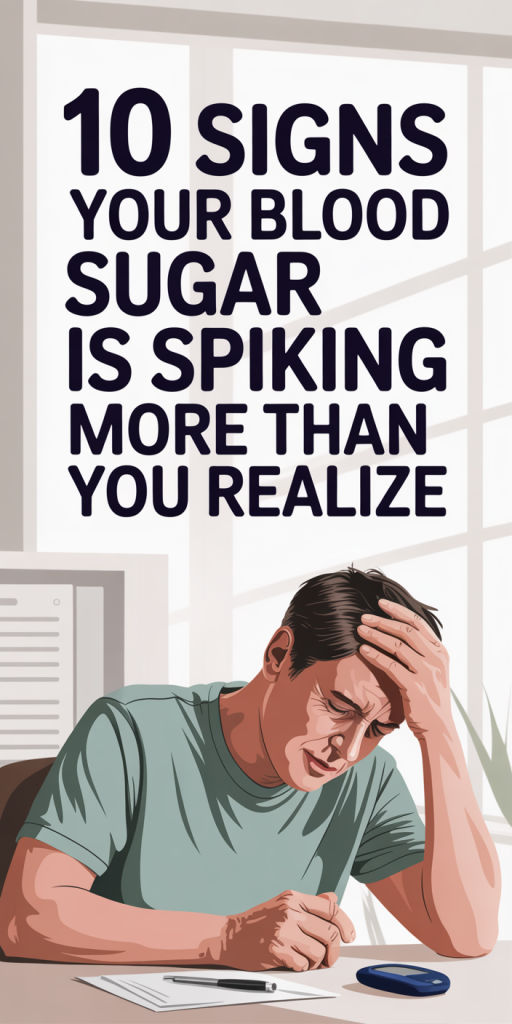
Blood sugar spikes are more than a lab value: they’re a pattern that shows up in how we feel, function, and heal. By watching for the ten signs outlined, from thirst and fatigue to blurred vision, appetite shifts, slow-healing wounds, and neuropathic sensations, we give ourselves a head start at detecting problems early.
Our next steps should be practical and measured: track symptoms and meals for a week, check glucose when possible, carry out small diet and activity changes, and reach out for medical testing if patterns persist. Catching spikes early gives us options: lifestyle strategies, targeted medications, and education that reduce risk and improve daily life. Let’s pay attention to these signals, they often tell us exactly what to fix.