Beach-Ready Meals: 25 Easy, Kid-Friendly Recipes And Plans For Large Families (Summer 2026)
We love the beach, but feeding a large family on sand, sun, and salt air can feel like its own Olympic event. That’s why we developed a simple, repeatable approach to easy beach vacation recipes for large families: make as much as possible ahead, pack smart, and choose kid-friendly flavors that travel well. This guide gives us everything we need for a week of meals, from breakfast jars and no-cook lunches to one-pot dinners and foil-packet evenings, plus realistic packing lists, safety tips, and cleanup hacks. Whether we’re cooking in a tiny rental kitchen or relying on a Coleman cooler and a grill, these plans minimize stress and maximize time in the surf. Read on and let’s make our next beach trip delicious, manageable, and (mostly) sand-free.
How To Plan Beach Meals For Large Families
Planning is the difference between a vacation that fuels memories and one that fuels frustration. We start by mapping the trip: number of days, meal occasions, and the kitchen setup at our rental or campsite. For a typical long weekend (3 full days), we plan for 3 breakfasts, 3 lunches, 3 dinners, and plenty of snacks. For a week, scale up quantities and add variety with interchangeable proteins and sides.
Portion math is our friend: assume 1.25–1.5 adult portions per adult (kids vary: younger kids often eat half portions) and always round up. Make a master shopping list grouped by perishables, pantry items, and cold-stored goods so grocery trips are fast. We prioritize recipes that share ingredients, for example, cherry tomatoes, cucumbers, and basil can appear in salads, sandwiches, and pasta, which reduces waste and packing complexity.
We also decide which meals are make-ahead, which require minimal onsite assembly, and which will be cooked at the beach (grill or camp stove). For large families, stovetop dinners that reheat well and foil packet meals for the grill are lifesavers. Finally, build in a “leftover night” or beach picnic where sandwiches and tossed salads become an easy win. This framework helps us cover 25 simple recipes that scale cleanly and keep cooking time minimal so we spend more time in the water.
Essential Gear, Packing Lists, And Food Safety On The Sand
The right gear makes feeding a crowd outdoors straightforward. Our core kit includes: a heavy-duty cooler (or two), ice packs and frozen water bottles, stackable food containers, a portable camp stove or small charcoal grill, a large cutting board, a chef’s knife, reusable plates/cutlery, a manual can opener, and a set of long-handled tongs. We also bring a collapsible sink and biodegradable soap for quick rinses.
Packing lists should be meal organized. We pack breakfasts together, lunches together, etc., labeling containers with a Sharpie and masking tape, this saves time and confusion when everyone’s hungry after the beach. Bring separate coolers for drinks and perishables if space allows: opening the drinks cooler shouldn’t warm the food.
Food safety is non-negotiable: maintain cold foods at 40°F or below and hot foods at 140°F or above. Use quality ice and refill it often: frozen water bottles double as ice and later provide chilled drinking water. When transporting to the sand, keep perishable items shaded and return them to the cooler between uses. For outdoor cooking, keep raw meats in sealed containers, use separate cutting boards for raw and ready-to-eat foods, and pack disposable or easily washable gloves. Finally, carry a thermometer to check cooked meats and a small first-aid kit for minor cuts or burns, being prepared keeps everyone safe and keeps the trip fun.
Make-Ahead Breakfasts That Feed A Crowd
Breakfast sets the tone for the day: make it easy and satisfying so the whole family can get out to the beach quickly. We focus on breakfasts that travel, require minimal onsite heating, and can be portioned easily.
Overnight oats, egg muffins, cold-brew coffee, and fruit parfaits are our staples. For egg-based options, we bake large sheet-pan frittatas or mini muffin tin quiches that reheat on a skillet or eat at room temperature. Baked French toast casserole can be assembled in advance, refrigerated, and warmed in a rental oven or eaten cold with yogurt and syrup for kids who prefer it that way.
We also employ grab-and-go bags: sliced fruit, pre-wrapped granola bars, and single-serve cream cheese packets paired with bagels. To save time, pre-cut fruit and store in airtight containers lined with paper towels to absorb extra moisture. Label containers with the day of use, it’s simple but prevents the “what day is this?” scramble after a sun-soaked morning.
No-Cook Lunches And Build-Your-Own Sandwich Boards
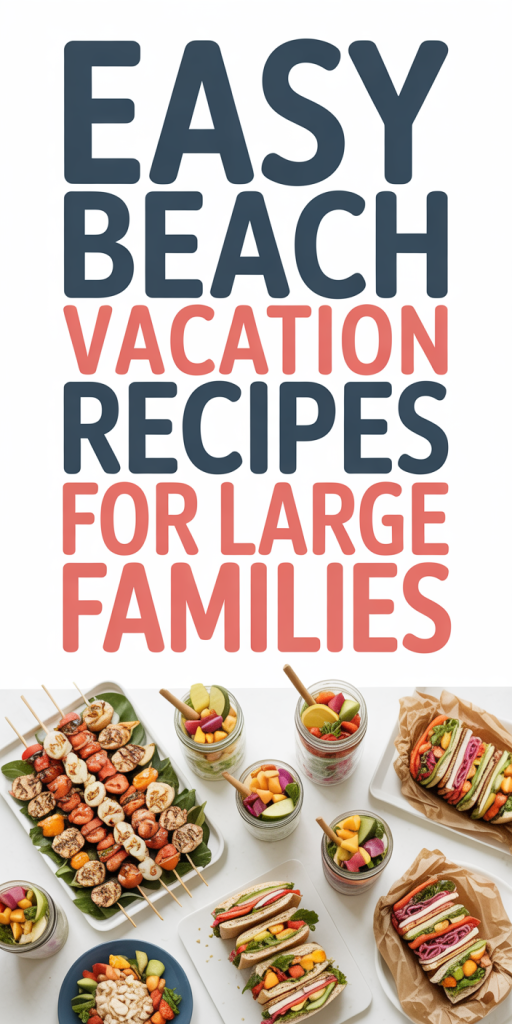
Lunches on the sand should be fast, portable, and able to withstand a little heat. No-cook options and sandwich boards tick all those boxes. We assemble DIY sandwich boards with sturdy bread, sliced proteins (rotisserie chicken, deli turkey, canned tuna), cheese, pickles, and sturdy veggies like cucumbers and bell peppers. Wrap individual sandwiches in parchment and plastic wrap for easy distribution.
Salad jars are another favorite: layered mason jars keep wet ingredients away from greens until we’re ready to eat. Start with dressing at the bottom, then sturdier veg, protein, grains (like farro), and finish with greens. Shake before serving.
Finger-food packs, rice cake stacks, hummus cups with veggie sticks, and cold pasta salads, make satisfying lunches without needing plates. Pack plenty of napkins, hand sanitizer, and resealable bags for sandy hands. We also keep a few insulated lunch bags with ice packs separate for the kids’ lunches to make sure everyone gets a chilled meal after a long swim.
Easy One-Pot Dinners And Foil Packet Meals For Evening Beach Nights
After a full day of ocean play, dinners should require minimal hands-on time. We favor one-pot meals that can simmer on a stove or be finished in a rental oven: seafood cioppino, one-pot jambalaya, skillet mac and cheese with ham, and large pans of baked ziti. These dishes scale up easily and are great for picky eaters because portions can be served with a side salad or garlic bread.
Foil packet meals are the easiest way to cook at the beach: individual packets of seasoned fish or chicken with sliced potatoes, carrots, and onions roast on the grill for 20–30 minutes. For a crowd, we preassemble packets at home or the rental kitchen, label them by protein, and keep them chilled until we’re ready to grill. They require almost no cleanup and deliver juicy results.
For vegetarian options, foil packets with corn, cherry tomatoes, bell peppers, and a slice of halloumi or tofu are hearty and satisfying. Bring a sheet pan to the grill to hold finished packets and keep sauces separated for kids who prefer plain sides. One-pot and foil dinners get us fed quickly and back to the bonfire or beach blanket for evening games.
Simple Desserts, Portable Snacks, And Fast Cleanup Tips
Dessert on the beach should be sweet, portable, and ideally not melty in the sun. We bring sturdy treats like blondie bars, granola clusters, and trail mix. For a nostalgic and beach-appropriate dessert, make s’mores using heatproof silicone cups: pre-toast marshmallows over the grill briefly and assemble with chocolate squares and graham pieces in cups for less mess.
Snacks are critical to keep energy up: mixed nuts, dried fruit, cheese sticks, pretzel bags, and single-serve hummus with pita chips travel well. Freeze grapes or juice boxes for chilled treats that double as ice packs. For kids, pack a small selection of individually wrapped snacks to minimize squabbles over portions.
Fast cleanup relies on a plan: we use a bin for trash, an airtight wet bag for sandy towels, and biodegradable wipes for quick hands-and-face cleaning. Bring a garbage grabber or tongs to collect litter and a foldable broom or brush for rental kitchens. Reusable silicone bags reduce waste and speed packing up. Finally, assign cleanup roles, someone handles trash, someone rinses dishes, and someone packs coolers, so we’re off the beach quickly and with minimal fuss.
Conclusion
Feeding a large family at the beach doesn’t have to be chaotic. By planning meals that scale, packing smart gear, leaning on make-ahead breakfasts, no-cook lunches, and easy one-pot or foil dinners, we keep food simple and stress low. The key is overlapping ingredients, clear labeling, and realistic safety measures so we spend less time cooking and more time making memories. Use these recipes and strategies as a base, adapt for your family’s flavors, and enjoy a summer where meals are easy, satisfying, and sand-resistant.