10 Fat-Fighting Foods After 40: What To Eat To Lose Belly Fat And Keep It Off In 2026
After 40, many of us notice the scale creeping up and the mirror changing, especially around the midsection. Belly fat becomes tougher to lose because of shifting hormones, gradual muscle loss, and a slowing metabolism. The good news: small, strategic changes to what we eat can make a big difference. In this guide we’ll cover ten evidence-backed foods and food groups that help fight belly fat after 40, explain why they work, and give practical tips for fitting them into everyday meals. This isn’t about fad diets or deprivation: it’s about using real food to preserve lean mass, reduce inflammation, stabilize blood sugar, and keep appetite in check. Read on and you’ll have a clear, science-friendly roadmap to help lose belly fat, and keep it off, in 2026 and beyond.
Why Belly Fat Often Increases After 40 (Hormones, Muscle Loss, And Metabolism)
As we move past 40, a few predictable biological shifts make abdominal fat easier to gain and harder to lose. First, hormonal changes, declining estrogen in women and falling testosterone in men, rearrange where our bodies store fat, favoring visceral (deep belly) fat that’s metabolically active and linked to health risks. Second, sarcopenia, the gradual loss of muscle mass, lowers resting metabolic rate. Less muscle means we burn fewer calories at rest, so the same eating patterns lead to weight gain.
Third, insulin sensitivity often declines with age, so carbohydrates can raise blood sugar and insulin more, promoting fat storage if we don’t stabilize intake with protein and fiber. Sleep disturbances and rising stress also shift cortisol rhythms: chronically elevated cortisol favors abdominal fat. Finally, lifestyle factors, less physical activity, more sedentary time, and busy schedules, amplify these biological trends.
Understanding these drivers helps us choose foods that counteract them: nutrient-dense protein to preserve muscle, fiber-rich carbs to stabilize blood sugar, healthy fats to support hormones and satiety, and anti-inflammatory foods to curb metabolic dysfunction. The strategies we discuss are practical for daily life and focused on sustainable results rather than quick fixes.
Lean Protein Sources That Preserve Muscle And Reduce Cravings (Salmon, Eggs, Greek Yogurt)
Preserving muscle after 40 is non-negotiable if we want a faster metabolism and a trimmer waistline. Protein is the tool: it stimulates muscle protein synthesis, increases satiety, and has a higher thermic effect than carbs or fats (we burn more calories digesting it). Prioritize lean, nutrient-dense sources that also supply other benefits.
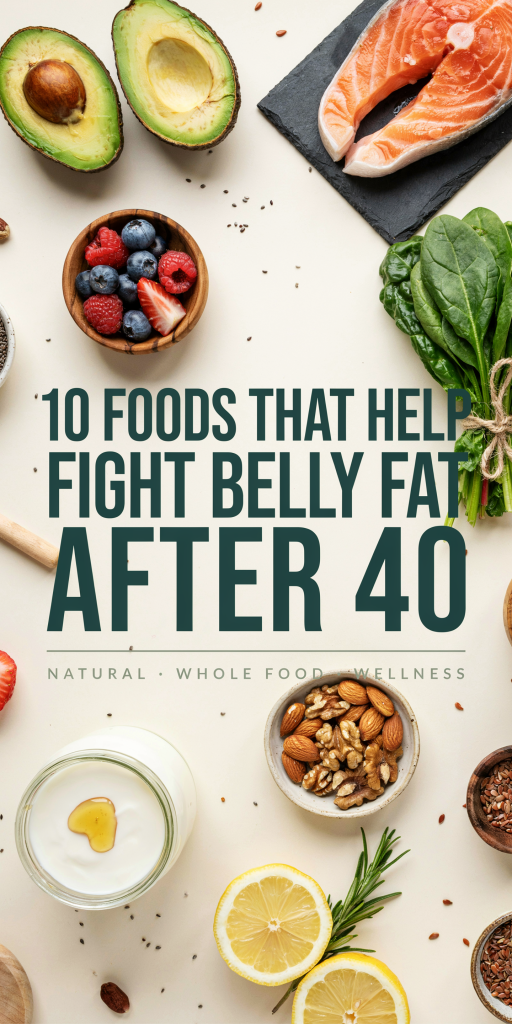
Salmon: A top pick. It’s rich in high-quality protein and provides omega-3s, which reduce inflammation and may improve insulin sensitivity. Aim for two 3–4 ounce servings a week, or swap in other fatty fish like mackerel or sardines.
Eggs: Economical, versatile, and loaded with complete protein and choline, important for metabolism and liver health. Eating whole eggs in reasonable amounts supports muscle maintenance and keeps us full for hours.
Greek yogurt: Particularly the plain, low-fat or whole-milk varieties, delivers protein and live cultures (beneficial for gut health). Stir in berries or nuts for extra fiber and healthy fat.
Other lean options: Skinless poultry, low-fat cottage cheese, tofu, tempeh, and lean cuts of beef. For protein timing, we recommend distributing protein evenly across meals, 20–40g per meal, so the body has a steady supply for muscle repair. That habit also reduces late-day cravings that often lead to high-calorie snacking.
High-Fiber Whole Grains And Legumes That Stabilize Blood Sugar (Oats, Beans, Lentils)
After 40, keeping blood sugar steady helps prevent insulin-driven fat storage and energy crashes that lead to overeating. High-fiber whole grains and legumes are excellent choices: they slow digestion, blunt post-meal glucose spikes, and feed beneficial gut bacteria.
Oats: A bowl of steel-cut or old-fashioned oats in the morning provides soluble fiber (beta-glucan) that slows carbohydrate absorption and improves cholesterol. We can boost their staying power by adding protein (yogurt, a scoop of protein powder) and healthy fat (nuts, seeds).
Beans and lentils: These legumes combine fiber with plant-based protein, making them particularly effective for satiety and blood sugar control. A half-cup of cooked lentils or black beans delivers around 7–9 grams of fiber and 8–9 grams of protein. Use them in salads, stews, or as a protein base for bowls.
Whole grains to prefer: Quinoa, barley, farro, and brown rice. Keep portions mindful, about 1/2 to 1 cup cooked per serving, and pair grains with protein and veggies to form balanced meals. For people with insulin resistance, prioritizing legumes and lower-glycemic whole grains over refined options yields better long-term results. Small swaps, white rice to quinoa, chips to roasted chickpeas, add up to meaningful improvements around the midsection.
Antioxidant-Rich Berries And Cruciferous Vegetables For Inflammation Control (Berries, Broccoli)
Inflammation is a silent contributor to belly fat. It interferes with insulin signaling and encourages fat to accumulate centrally. Antioxidant-rich berries and cruciferous vegetables are two accessible groups that help dial down inflammation while providing vitamins, fiber, and phytochemicals.
Berries: Blueberries, raspberries, strawberries, and blackberries are low in calories but high in anthocyanins and polyphenols, compounds linked to improved metabolic markers and reduced visceral fat in several studies. We recommend a half- to one-cup serving daily: mix into yogurt, oats, or a salad for a natural sweetness that won’t spike blood sugar.
Cruciferous vegetables: Broccoli, Brussels sprouts, cauliflower, and kale contain glucosinolates and sulforaphane, which have anti-inflammatory and detoxifying properties. Broccoli is especially useful, roast or steam it, toss into stir-fries, or blend into soups. These veggies are also high in fiber and micronutrients that support overall metabolic health.
Quick tips: Aim to fill half the plate with non-starchy vegetables at most meals. Combine berries with protein (Greek yogurt) to optimize blood sugar response. A weekly rotation of different colored vegetables ensures we’re getting diverse antioxidants that collectively protect metabolic function and help reduce belly fat over time.
Healthy Fats And Nuts That Improve Satiety And Hormone Balance (Avocado, Almonds)
Healthy fats aren’t the enemy, especially after 40 when hormones and satiety cues shift. Monounsaturated and polyunsaturated fats support hormone production, improve the feeling of fullness, and can reduce the need for high-carb snacks that drive belly fat.
Avocado: A versatile source of monounsaturated fat, fiber, and potassium. Adding a quarter to half an avocado to a meal slows digestion and keeps us satisfied, which often translates to fewer overall calories consumed. Use it as a spread, in salads, or blended into dressings.
Almonds and other nuts: Nuts provide a compact, nutrient-dense source of healthy fats, protein, and fiber. A small handful (about 1 ounce) is a practical snack that curbs hunger. Research shows that nut eaters often have better weight control, partly because nuts enhance satiety and partly because the body doesn’t absorb every calorie from nuts.
Other sources: Olive oil, walnuts (for omega-3 ALA), chia and flax seeds. We recommend focusing on whole-food sources and keeping portions mindful, healthy fats are calorie-rich. A general guideline: include a serving of healthy fat at each meal to support hormones and reduce cravings, but stick to recommended portions to avoid caloric excess.
Fermented Foods And Probiotics To Support Gut Health And Fat Loss
Gut health matters for weight management. Emerging research suggests that the composition of our gut microbiome influences energy extraction from food, inflammation, and fat distribution. Fermented foods and targeted probiotics can support a healthier microbiome and, indirectly, belly fat reduction.
Fermented foods to include: Yogurt with live cultures, kefir, sauerkraut, kimchi, miso, and tempeh. These foods introduce beneficial bacteria and can improve gut barrier function. For those who tolerate dairy poorly, kefir and certain yogurts are often easier to digest because fermentation reduces lactose.
Probiotic supplements: Not all strains are equal. Strains like Lactobacillus and Bifidobacterium have shown promise for metabolic health in some studies, but effects vary by individual. We suggest trying dietary fermented foods first: if choosing a supplement, select one with documented strains and a clear CFU count, and consult our healthcare provider when in doubt.
Prebiotic fiber: Don’t forget that fermented foods work best when paired with prebiotics, fibers that feed beneficial microbes. Foods like onions, garlic, asparagus, bananas, oats, and legumes provide that fuel. Over time, cultivating a diverse microbiome can help reduce low-grade inflammation and support healthier body composition as we age.
Metabolism-Boosting Drinks And Small Habits (Green Tea, Protein Timing, Portion Strategies)
We don’t need gimmicks to boost metabolism, simple drinks and habits can shift energy balance in our favor. These small changes are especially useful after 40 when every calorie counts.
Green tea and matcha: Both contain caffeine and catechins (EGCG), which modestly increase energy expenditure and fat oxidation. Drinking 1–3 cups of green tea spread through the day can complement other strategies: matcha provides a more concentrated dose if we want a single serving with a bigger effect.
Protein timing: Eating protein soon after waking and spreading it across meals helps preserve lean mass and controls appetite. A protein-rich breakfast, eggs, Greek yogurt with seeds, or a smoothie with protein powder, reduces mid-morning snacking that often results in poor choices.
Portion strategies: Use smaller plates, pause before seconds, and practice a 10–15 minute “taste test” when we feel the urge to graze, often the hunger signal will subside. Mindful eating (slowing down, chewing thoroughly) improves satiety cues and prevents overeating.
Other helpful drinks: Water, staying hydrated supports metabolism and often reduces false hunger signals. Black coffee in moderation can raise metabolic rate and improve workout energy: just avoid calorie-laden additives. Combine these habits with resistance training and regular movement for the biggest payoff in reducing belly fat after 40.
Conclusion
Losing belly fat after 40 isn’t about drastic measures: it’s about strategic food choices and small habits that support hormones, muscle, and metabolic health. By prioritizing lean protein, fiber-rich whole grains and legumes, antioxidant-packed berries and cruciferous vegetables, healthy fats and nuts, fermented foods, and metabolism-friendly drinks and habits, we create a dietary environment that favors fat loss and long-term maintenance.
Start simple: add a serving of salmon or Greek yogurt, swap refined carbs for lentils or oats, include a daily handful of nuts, and drink a cup of green tea. Pair these changes with strength training and consistent sleep, and we’ll be stacking the odds in our favor. These are realistic, sustainable steps that help us lose belly fat, and keep it off, in 2026 and beyond.