10 Foods That Lower Cortisol Naturally: Evidence-Based Choices To Reduce Stress in 2026
Cortisol, the body’s primary stress hormone, shapes how we feel, think, sleep, and store fat. In an era where chronic stress is common, finding everyday, sustainable ways to keep cortisol in check matters more than ever. We’re not advocating miracle cures, but a growing body of evidence shows that certain whole foods and simple dietary patterns can blunt cortisol spikes, support adrenal health, and improve mood and recovery. In this guide we’ll explain what cortisol does, why modest reductions matter for long-term health, and walk through ten evidence-backed foods and food groups you can add to meals starting today. We’ll close with practical meal strategies to make these choices doable on busy days. Our tone is practical and evidence-focused, expect studies, plausible mechanisms, and simple swaps rather than hype.
What Cortisol Is And Why Lowering It Matters For Health
Cortisol is a steroid hormone produced by the adrenal glands in response to stress and low blood-glucose levels. It plays essential roles: mobilizing energy (glucose), regulating inflammation, and maintaining blood pressure and immune function. Short-term cortisol surges help us handle threats, the classic fight-or-flight response. But when cortisol remains elevated chronically, the effects become maladaptive. High long-term cortisol is associated with disrupted sleep, impaired memory and attention, abdominal fat accumulation, insulin resistance, hypertension, and a higher risk of mood disorders.
Why focus on modest dietary changes? Because food influences the hormonal and inflammatory milieu that shapes cortisol production and clearance. For example, meals high in refined carbohydrates and sugar can provoke rapid blood-glucose swings and insulin responses, which interact with the hypothalamic-pituitary-adrenal (HPA) axis. Conversely, nutrients like omega-3 fatty acids, certain polyphenols, probiotics, magnesium, and fiber appear to support a calmer HPA axis through anti-inflammatory and gut-brain pathways.
We should be clear: diet is one piece of a larger puzzle that includes sleep, physical activity, social support, and stress management. Still, incorporating specific foods that help lower cortisol naturally is a low-risk, high-value strategy. Over weeks to months, consistent dietary patterns can reduce baseline cortisol reactivity, improve sleep quality, and support metabolic health, outcomes that compound over time.
Fatty Fish And Other Omega-3 Sources (Salmon, Mackerel)
Fatty fish like salmon, mackerel, sardines, and trout are among the most studied foods for stress-related biology because they’re rich in omega-3 long-chain fatty acids (EPA and DHA). Randomized trials have linked omega-3 supplementation to lower salivary and serum cortisol responses to psychological stressors. One plausible mechanism: EPA and DHA reduce systemic inflammation and modulate cellular signaling in brain regions that regulate the HPA axis.
Including fatty fish twice weekly delivers both high-quality protein and anti-inflammatory fats that support mood regulation and recovery from stress. For people who don’t eat fish, algae-based DHA supplements or high-EPA formulas provide similar benefits. We should also note plant sources: flaxseed and chia supply ALA (a shorter-chain omega-3) but conversion to EPA/DHA is limited: they’re still useful for overall diet quality and anti-inflammatory effects.
Practical tips: grill or bake salmon with lemon and a sprinkle of herbs twice a week. For on-the-go meals, canned wild sardines or mackerel are convenient and shelf-stable. If taking supplements, look for third-party testing and aim for a combined EPA+DHA dose consistent with clinical studies (often 1,000–2,000 mg/day for mood/cortisol effects), but check with your clinician before starting high-dose oils.
Leafy Greens And Cruciferous Vegetables (Spinach, Kale, Broccoli)
Leafy greens and cruciferous vegetables deliver a mix of micronutrients and phytochemicals that support stress resilience. Spinach, kale, arugula, and Swiss chard are high in magnesium, a mineral that modulates stress reactivity and is inversely associated with cortisol in some observational studies. Cruciferous veggies like broccoli, cauliflower, and Brussels sprouts supply glucosinolates and sulforaphane precursors, compounds linked to antioxidant defenses and reduced inflammation.
Magnesium is particularly important because it influences neurotransmitters and HPA-axis feedback: inadequate magnesium can make us more reactive to stressors. A diet rich in leafy greens is an easy way to raise daily magnesium without supplements. Sulforaphane from broccoli sprouts has shown neuroprotective and anti-inflammatory effects in preclinical and early human research, which could indirectly calm cortisol rhythms by lowering systemic inflammatory stimuli.
How we’d add these foods: blend a handful of spinach into morning smoothies, sauté kale with garlic as a side, and aim to include at least one cruciferous vegetable at lunch or dinner. Light steaming preserves nutrients and sulforaphane potential better than prolonged boiling. Frozen vegetables are a practical option that retain most nutrients and make it simple to add greens to meals when life gets busy.
Fermented Foods And Probiotic-Rich Choices (Yogurt, Kefir, Sauerkraut)
The gut-brain axis is a central route linking diet to stress and cortisol. Fermented foods, yogurt, kefir, kimchi, sauerkraut, and certain fermented soy products, provide live microbes and fermentation metabolites that can modify gut microbiota composition and activity. Several randomized controlled trials show that specific probiotic strains reduce perceived stress and lower salivary cortisol in healthy adults and in people with mild anxiety symptoms.
Mechanisms likely include modulation of systemic inflammation, regulation of vagal signaling, and production of neuroactive compounds like short-chain fatty acids and GABA. Not all fermented foods are equal: look for products labeled with live active cultures and minimal added sugar. Strain specificity matters in research (for instance Lactobacillus and Bifidobacterium species often appear in cortisol-related studies), but regular consumption of mixed fermented foods supports microbial diversity.
Practical guidance: add plain yogurt or kefir to breakfasts and smoothies, use sauerkraut or kimchi as a condiment for savory meals, and try cultured vegetable pickles. For those who prefer supplements, choose clinically studied probiotic strains and follow manufacturer dosing. As with any change, start gradually to allow your digestive system to adapt.
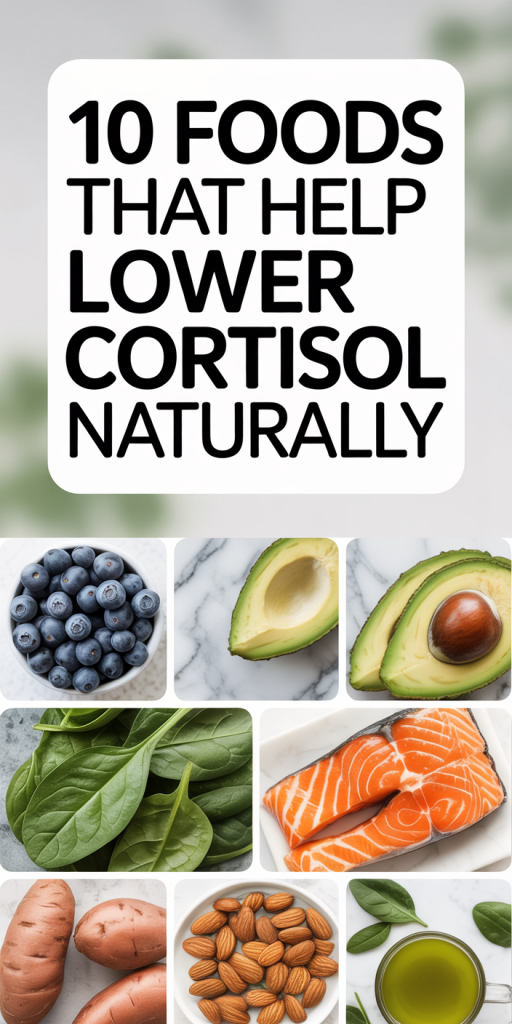
Nuts, Seeds, Dark Chocolate, And Berries (Almonds, Walnuts, Flaxseed, Blueberries, Dark Chocolate)
This group of snack-friendly foods packs nutrient-dense compounds tied to lower cortisol or improved stress responses. Nuts and seeds, almonds, walnuts, flaxseed, chia, supply healthy fats, magnesium, zinc, and plant protein, all of which help stabilize blood sugar and support neurotransmitter synthesis. Walnuts are particularly rich in ALA and may support mood through anti-inflammatory pathways.
Berries such as blueberries and strawberries are high in polyphenols and anthocyanins. Human trials suggest polyphenol-rich foods can attenuate cortisol responses to acute stress, likely by reducing oxidative stress and modulating signaling in the brain. Dark chocolate (70% cacao or higher) contains flavanols and may lower stress markers and perceived stress when consumed in small, controlled amounts, think an ounce or two, not a candy bar. Dark chocolate also promotes pleasurable, calming sensations that can itself reduce cortisol spikes.
Practical swaps: keep a small bag of mixed nuts for afternoon hunger, sprinkle ground flaxseed on yogurt or oatmeal, and choose a square of dark chocolate with a handful of blueberries as a dessert. Portion control matters, nuts are calorie-dense, but their satiety value helps prevent blood-sugar dips that can trigger cortisol release.
Citrus Fruits, Whole Grains, And Calming Teas (Oranges, Oats, Green Tea, Chamomile)
Citrus fruits, whole grains, and certain teas offer complementary cortisol-lowering benefits through vitamin C, steady glucose release, and calming phytochemicals. Vitamin C, abundant in oranges, grapefruits, and bell peppers, has been linked to lower cortisol responses after acute stress in clinical studies. Researchers speculate vitamin C supports adrenal function and buffers oxidative damage during stress.
Whole grains like oats, brown rice, and barley provide slow-digesting carbohydrates and fiber that promote steady blood sugar and may reduce cortisol-reactive glucose swings. Oats also contain avenanthramides, compounds with anti-inflammatory and anxiolytic-like effects in animal studies.
Teas: green tea delivers L-theanine, an amino acid that promotes relaxation without sedation and modulates the stress response: studies show L-theanine reduces both subjective stress and cortisol in some contexts. Chamomile and lemon balm are herbal options with calming properties and modest evidence for anxiety reduction. We recommend replacing high-sugar beverages with these drinks to lower glycemic stressors and gain calming phytochemicals.
Practical routine ideas: start the morning with oatmeal and sliced orange, swap sugary coffees for green tea mid-morning, and end the day with a chamomile infusion to support winding down and a healthier cortisol rhythm.
Practical Meal Strategies To Reduce Cortisol Daily
Adding cortisol-lowering foods is most effective when combined with meal timing and composition strategies that stabilize blood sugar, reduce inflammation, and support sleep. Here are actionable habits we recommend:
- Prioritize balanced meals: combine protein, healthy fats, fiber-rich carbohydrates, and colorful vegetables to blunt post-meal glucose spikes that can interact with cortisol. Example: a grain bowl with salmon, kale, quinoa, and a drizzle of olive oil.
- Don’t skip breakfast consistently: prolonged fasting can elevate morning cortisol for some people. A modest breakfast with protein and fiber, Greek yogurt with flaxseed and berries or oats with nuts and banana, tends to promote steadier morning cortisol.
- Limit refined sugar and ultra-processed snacks: these drive rapid glucose swings and inflammatory states that worsen HPA-axis reactivity.
- Hydrate smartly: dehydration itself is a physiological stressor that can raise cortisol. Aim for regular water intake and include mineral-rich fluids such as herbal teas or broths when appropriate.
- Time caffeine and alcohol: caffeine can transiently increase cortisol, particularly when consumed on an empty stomach: alcohol disrupts sleep and may elevate evening cortisol. We suggest limiting high-caffeine intake to earlier in the day and moderating alcohol, especially close to bedtime.
- Prioritize sleep-supporting foods: magnesium- and tryptophan-containing foods (pumpkin seeds, turkey, oats) in evening snacks can support serotonin and melatonin pathways and improve sleep, a powerful lever for cortisol normalization.
- Batch-cook and plan: preparing jars of overnight oats with chia and berries, or grilled fish and steamed greens for two dinners, reduces decision fatigue and makes healthy choices automatic on stressful days.
When we carry out these strategies across the week, the small hormonal benefits compound. The goal isn’t perfection but consistency: small, repeatable changes win in the long run.
Conclusion
We’ve outlined ten food-focused approaches, from fatty fish and leafy greens to fermented foods, nuts, berries, citrus, whole grains, and calming teas, that research suggests can lower cortisol or buffer its harmful effects when used consistently. These options work through complementary mechanisms: lowering inflammation, stabilizing blood sugar, nourishing the gut-brain axis, and supplying micronutrients critical for adrenal and brain function. We recommend adopting a few swaps at a time (for example, adding two weekly servings of fatty fish, a daily serving of leafy greens, and a nightly chamomile tea) and tracking sleep and energy as practical markers of progress. Remember, diet is only one pillar. Combine these food choices with good sleep, movement, and stress-management techniques for the strongest results. Over weeks and months, these modest changes can reduce cortisol reactivity and translate into better mood, sleep, and metabolic health, outcomes that make daily life feel less stressful and more resilient.