The 1 Anti-Inflammatory Change That Fixes Low Energy: A Practical Mediterranean Approach
Low energy is one of the most common complaints we hear in clinics and in our communities, foggy mornings, late-afternoon crashes, and that general lack of zip that makes life feel harder than it should. While many factors contribute to fatigue, chronic low-grade inflammation is a major, often overlooked driver. In this text we’ll show you the single most effective anti-inflammatory change you can make in 2026 to boost steady energy: adopting a Mediterranean‑style whole‑food diet. We’ll explain why inflammation drains energy, what to eat (and avoid), a realistic 4‑week starter plan, the evidence behind the approach, lifestyle pairings that amplify results, practical supplements and useful labs, and how to track progress so you know whether it’s working for you. This is practical, evidence-based guidance, no fad cleanses, no extreme restrictions, just a sustainable way to reclaim energy by treating inflammation at its roots.
Why Inflammation Sabotages Energy Levels
Inflammation is our body’s defense response, and when it’s short-lived it helps us heal. The problem comes when low-level systemic inflammation becomes chronic, think persistent immune signaling rather than an acute alarm. We should picture chronic inflammation as a background hum that forces the body to divert resources. That diversion affects mitochondrial function (our cellular ATP factories), disrupts insulin signaling, alters neurotransmitter balance, and increases oxidative stress, all key mechanisms that reduce subjective energy and increase fatigue.
From a practical standpoint, chronic inflammatory cytokines like IL-6 and TNF-α interfere with how cells produce and use energy. They promote insulin resistance, which flickers energy supply to our muscles and brain. They also affect the hypothalamic‑pituitary‑adrenal axis, changing cortisol rhythms and making sleep less restorative. In short, inflammation makes our engines less efficient, and we feel it as low stamina, poor focus, and slower recovery after activity.
Importantly, everyday exposures, ultra‑processed foods, excess sugar, sedentary time, poor sleep, and unmanaged stress, add up to this low‑grade inflammation. The good news: these drivers are modifiable. By changing what we eat and pairing it with targeted lifestyle shifts, we can bring inflammation down and restore steadier energy across the day.
The 1 Change: Adopt A Mediterranean‑Style Whole‑Food Diet
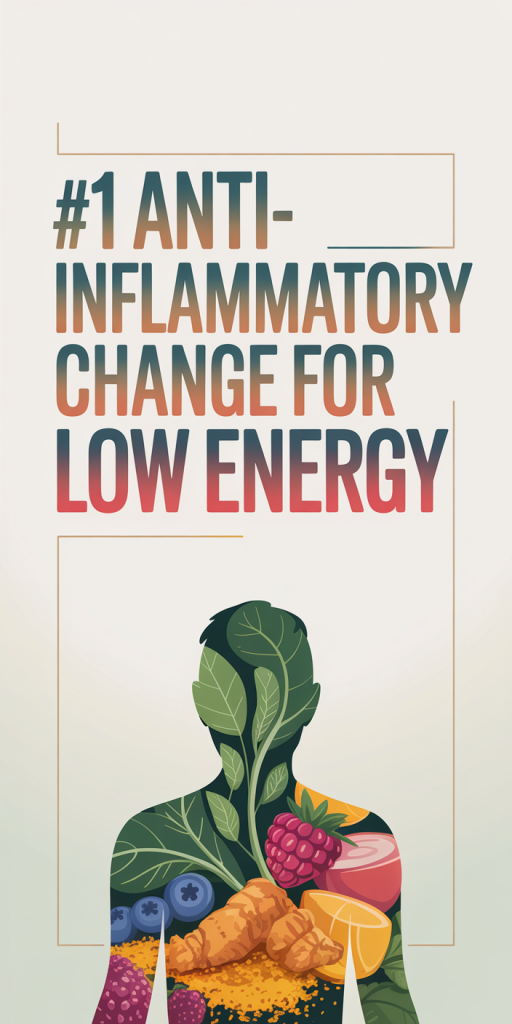
If we had to name one evidence-backed intervention that consistently lowers inflammation and improves energy, it’s a Mediterranean‑style whole‑food diet. This pattern emphasizes vegetables, fruits, whole grains, legumes, nuts, seeds, olive oil, moderate fish and poultry, and minimal ultra‑processed foods and red/processed meats. Why it works: it supplies anti‑inflammatory fats (monounsaturated and omega‑3s), fiber to support gut health, polyphenols that modulate inflammatory pathways, and a favorable glycemic load that stabilizes blood sugar.
Adopting this diet doesn’t mean a strict prescription: it’s a set of principles we can apply to our usual meals. Prioritizing minimally processed ingredients, colorful plant foods, and healthy fats gives our cells the building blocks they need to produce energy efficiently. The Mediterranean pattern also supports a diverse gut microbiome, which plays a central role in the immune system and systemic inflammation. Over time, these dietary changes reduce inflammatory markers, improve metabolic flexibility, and help us feel more energetic and resilient.
Below we give specific foods to include, sample meals, and easy swaps to make the transition painless and sustainable.
Foods To Include And Simple Sample Meals
We want to make anti‑inflammatory eating as practical as possible. Focus on whole foods that are minimally processed and nutrient dense.
Key foods to include:
- Vegetables: leafy greens, cruciferous vegetables, peppers, tomatoes. Aim for variety and color.
- Fruits: berries, citrus, apples, figs, prioritize lower‑glycemic fruits for steady energy.
- Whole grains: oats, farro, barley, brown rice, and quinoa for fiber and slow glucose release.
- Legumes: lentils, chickpeas, beans, excellent for sustained energy and gut health.
- Healthy fats: extra virgin olive oil, olives, avocados, nuts (walnuts, almonds), seeds (chia, flax for omega‑3 ALA).
- Fatty fish: salmon, sardines, mackerel, rich in EPA/DHA anti‑inflammatory omega‑3s.
- Herbs and spices: turmeric, ginger, garlic, oregano, rosemary, polyphenol powerhouses.
Simple sample meals:
- Breakfast: Greek yogurt or plant yogurt with mixed berries, a tablespoon of ground flaxseed, and a sprinkle of chopped walnuts.
- Lunch: Farro salad with chickpeas, cherry tomatoes, cucumber, parsley, feta, and olive oil‑lemon dressing.
- Snack: Apple slices with almond butter or a small handful of raw nuts.
- Dinner: Baked salmon with roasted Brussels sprouts and a side of quinoa tossed with olive oil and lemon.
- Quick plant meal: Lentil and vegetable stew with turmeric and fresh spinach served over brown rice.
These meals balance macronutrients to avoid glucose spikes while packing antioxidants and anti‑inflammatory fats.
Foods To Avoid And Easy Healthy Swaps
To cut inflammation efficiently, we don’t need to aim for perfection, small, consistent swaps do the heavy lifting.
Foods to minimize or avoid:
- Ultra‑processed foods: packaged snacks, sugary cereals, many ready meals.
- Added sugars and sweetened beverages: sodas, energy drinks, and sugary coffee drinks.
- Excess refined grains: pastries, white bread, many commercial baked goods.
- Processed and red meats: sausages, hot dogs, deli meats, and large amounts of beef or pork.
- Trans fats and some industrial seed oils: often found in fast food and fried snacks.
Easy swaps to make today:
- Swap soda for sparkling water with a squeeze of lemon or herbs.
- Replace white bread with whole‑grain or sprouted grain options.
- Choose grilled or baked fish/chicken instead of fried fast food.
- Swap packaged cookies for a small portion of dark chocolate (70%+ cacao) and nuts.
- Use extra virgin olive oil instead of vegetable oil for cooking and dressings.
Each swap reduces inflammatory load and stabilizes blood sugar, two fast routes to better daily energy.
How To Start Gradually: A 4‑Week Action Plan
We recommend a stepwise 4‑week plan that prioritizes sustainability over speed. Small wins build momentum and reduce resistance.
Week 1, Clear the basics (habit foundation, ~20% change):
- Remove or hide obvious ultra‑processed temptations (sugary drinks, packaged snacks).
- Add one extra vegetable serving to two meals per day.
- Replace one refined grain with a whole grain (e.g., swap white rice for brown rice or farro).
Week 2, Upgrade proteins and fats (behavioral consolidation, ~35% change):
- Include fatty fish twice this week (canned sardines or salmon if fresh isn’t available).
- Use extra virgin olive oil for dressings and light cooking.
- Start each day with a protein source (eggs, Greek yogurt, or a plant protein) to reduce energy swings.
Week 3, Increase plant diversity and fiber (metabolic impact, ~60% change):
- Add a daily legume serving (lentils, beans, or chickpeas).
- Aim for at least 4 different colors of plant foods across the day.
- Replace one snack with a fruit + nut combo or hummus + veg sticks.
Week 4, Tune and personalize (sustainability focus, ~80–90% change):
- Experiment with reducing red and processed meat to once weekly or less.
- Introduce anti‑inflammatory spices (turmeric with black pepper, ginger) into two meals per week.
- Plan and prep two meals in advance to prevent reliance on convenience options.
Throughout the month we suggest tracking energy and sleep in a simple daily journal. If food access, budget, or cooking time are barriers, we’ll suggest swap lists and convenience ideas (canned beans, frozen vegetables, pre‑washed greens) to keep this approach realistic.
The Evidence: How Diet Lowers Inflammation And Boosts Energy
There’s robust and growing evidence linking Mediterranean dietary patterns to reduced systemic inflammation and improved markers of metabolic health, both tightly connected to energy. Randomized controlled trials and cohort studies have shown reductions in high‑sensitivity C‑reactive protein (hs‑CRP), IL‑6, and other inflammatory markers after adopting Mediterranean diets. For example, trials comparing Mediterranean diets to standard Western diets often find improved insulin sensitivity, lower fasting glucose, and reduced inflammatory biomarkers within weeks to months.
Mechanisms that matter for energy:
- Improved mitochondrial function: Nutrients and polyphenols in this diet support mitochondrial biogenesis and reduce oxidative damage, improving ATP production.
- Stabilized blood glucose: High fiber and moderate glycemic load reduce glucose swings that cause energy crashes.
- Gut microbiome modulation: Fiber and polyphenols promote beneficial gut bacteria that produce short‑chain fatty acids (like butyrate), which dampen inflammation and support metabolism.
- Reduced adipose inflammation: Weight loss or improved fat distribution associated with this eating pattern decreases inflammatory cytokine release from adipose tissue.
Clinically, we see patients report better daytime alertness, faster recovery after exertion, and more consistent cognitive focus after several weeks of dietary change. While individual responses vary, the overall evidence supports the Mediterranean‑style whole‑food approach as a reliable anti‑inflammatory strategy for improving energy.
Lifestyle Pairings That Amplify Anti‑Inflammatory Benefits
Diet is powerful, but its anti‑inflammatory effects multiply when combined with targeted lifestyle habits. We recommend integrating these pairings to accelerate and sustain energy improvements.
Regular physical activity: Both aerobic activity and resistance training reduce inflammatory markers and improve mitochondrial efficiency. Aim for at least 150 minutes of moderate aerobic exercise weekly and two sessions of strength work. Short daily walks after meals help glucose control and reduce postprandial inflammation.
Sleep optimization: Poor sleep promotes inflammation and undermines energy. Prioritize 7–9 hours of consistent, restorative sleep by keeping a regular bedtime, reducing late‑night screens, and creating a cool, dark sleep environment.
Stress management: Chronic psychological stress elevates inflammatory signaling. Practices like brief daily mindfulness, deep‑breathing exercises, or 10–20 minutes of low‑intensity yoga can lower cortisol and inflammatory cytokines.
Alcohol moderation: Heavy or frequent alcohol intake is inflammatory. If we drink, keeping it moderate (e.g., one serving per day for women, up to two for men) or choosing wine in moderation with meals aligns with Mediterranean principles and mitigates inflammation.
Social connection and purpose: Social isolation and loneliness are linked to higher inflammatory markers. Engaging in community, shared meals, or group activities supports mental well‑being and indirectly reduces inflammatory burden.
When we pair the Mediterranean diet with movement, sleep, stress reduction, and social supports, we create a synergistic environment where energy returns more reliably and sustainably.
Quick Daily Practices To Maximize Results (Sleep, Movement, Stress)
Practical daily habits that are easy to adopt often deliver outsized benefits.
Sleep: Keep a consistent wake time, even on weekends. If falling asleep is hard, try a wind‑down routine, dim lights 60 minutes before bed, avoid caffeine after mid‑afternoon, and limit screens in the last hour. A short pre‑sleep breathing exercise (4‑7‑8 pattern) can help lower bedtime arousal.
Movement: Integrate non‑exercise activity into the day, stand up every 45–60 minutes, take 10‑minute walks after meals, and do two short resistance sessions per week (bodyweight squats, push‑ups, resistance bands). These micro‑habits reduce post‑meal inflammation and support glucose control.
Stress: Start with 5 minutes of deliberate breathing or a body scan in the morning or during a mid‑day break. Use cue‑based anchoring, breathe for one minute before each meal or after checking email, to make stress reduction automatic. Over time, increasing to 10–20 minutes daily yields larger anti‑inflammatory effects.
These small, consistent practices make dietary changes stickier and produce faster, more noticeable boosts in daily energy.
Supplements And Lab Tests Worth Considering
While food should be the foundation, certain supplements and tests can be useful adjuncts, especially when we suspect nutrient gaps or underlying conditions.
Supplements to consider (discuss with a clinician):
- Omega‑3 (EPA/DHA): 1,000–2,000 mg combined daily can reduce inflammatory markers, particularly if our diet is low in fatty fish.
- Vitamin D: Many people have suboptimal levels: repletion to a mid‑range (30–60 ng/mL) can support immune regulation and energy. Dose individualized after testing.
- Magnesium: 200–400 mg nightly can help sleep and muscle recovery if intake is low.
- Probiotics / prebiotic fiber: May support gut diversity and anti‑inflammatory metabolites: choose evidence‑based strains for specific symptoms.
Lab tests that often inform a plan:
- High‑sensitivity C‑reactive protein (hs‑CRP): A general marker of systemic inflammation.
- Fasting glucose, HbA1c, and fasting insulin: To assess glucose control and insulin resistance.
- Lipid panel and liver enzymes: Metabolic health indicators often linked to inflammation.
- Vitamin D (25‑OH), ferritin, thyroid panel: To rule out common contributors to fatigue.
- Advanced testing (when indicated): Omega‑3 index, cytokine panels, or stool microbiome testing, use selectively when initial steps don’t clarify causes.
We emphasize testing to personalize care rather than to chase numbers. Working with a clinician ensures safe dosing, avoids interactions, and interprets results in context.
How To Track Progress And When To Seek Professional Help
Tracking progress keeps us motivated and helps identify what’s working. We recommend a simple combination of objective and subjective measures.
What to track:
- Daily energy score: Rate energy on a 1–10 scale each morning and late afternoon to capture patterns.
- Sleep quality: Note sleep duration and a brief sleep quality rating (restorative, okay, poor).
- Food log highlights: Track key changes (fish twice this week, 4 vegetable servings, no sugary drinks) rather than every bite. Simplicity increases adherence.
- Weekly metrics: Weight (if relevant), waist circumference, and one short functional test (e.g., how we feel after a 20‑minute walk).
- Lab rechecks: Reassess hs‑CRP, fasting glucose, and vitamin D after 8–12 weeks if they were abnormal initially.
When to seek professional help:
- Persistent severe fatigue: If energy remains severely low even though 6–8 weeks of consistent dietary and lifestyle change, pursue medical evaluation to rule out anemia, thyroid disease, sleep apnea, major depression, or chronic infection.
- New or worsening symptoms: Unintentional weight loss, fever, significant mood changes, or cognitive decline warrant prompt clinical attention.
- Complex lab abnormalities: High HbA1c, abnormal liver tests, or markedly elevated inflammatory markers should be managed with a clinician.
A collaborative approach, using tracking to inform conversations with our healthcare provider, keeps us safe and accelerates progress. Remember: diet is often a powerful first step, but it’s one part of a comprehensive strategy to restore energy.
Conclusion: The Mediterranean‑style whole‑food change is a practical, evidence‑based, and sustainable way to lower inflammation and reclaim steady energy. By prioritizing colorful plants, healthy fats, whole grains, legumes, and fatty fish, paired with better sleep, movement, and stress habits, we create an environment where our cells can produce energy reliably. Start with the 4‑week plan, track simple metrics, consider targeted tests or supplements if needed, and involve a clinician when progress stalls. With consistent effort, many of us will notice clearer mornings, fewer energy crashes, and a steadier capacity to do the things we care about.