
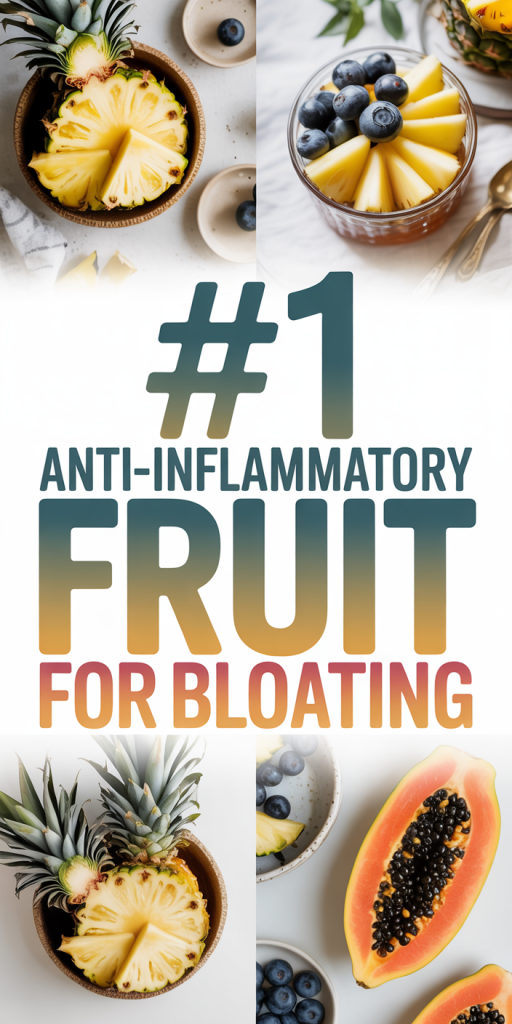
The 1 Anti-Inflammatory Fruit For Bloating: Why Pineapple Works And How To Use It
Bloating is one of those day-ruining symptoms that can feel mysterious and stubborn: we eat normally, and yet our stomach feels heavy, stretched, or noisy. Over the years we’ve seen countless quick fixes and one-off tips, some useful, many not. What consistently rises to the top in both clinical and traditional literature is the role of inflammation in bloating and, importantly, how certain foods can help calm that process. In this guide we focus on the #1 anti-inflammatory fruit for bloating: pineapple. We’ll explain the science behind bloating, the bioactive compounds that make a fruit anti-inflammatory, why pineapple stands out, and practical, tasty ways to use pineapple so it actually helps, plus safety notes and when to see a doctor. By the end you’ll have evidence-based, kitchen-ready strategies to reduce bloating without gimmicks.
How Bloating Works And Why Anti-Inflammatory Foods Help
Bloating is not a single disease, it’s a symptom with a few different mechanisms. Broadly, bloating arises from excess gas production, fluid retention, slowed intestinal transit, or visceral hypersensitivity (when the gut perceives normal amounts of gas as painful or uncomfortable). Common triggers include fiber-rich meals that ferment rapidly, swallowing air, high-sodium foods that cause water retention, and low-grade inflammation in the gut lining.
Inflammation plays multiple roles. When the gut lining is inflamed, whether from an infection, food intolerance, or dysbiosis (microbial imbalance), its permeability and motility can change. That can slow movement through the intestines, promote gas formation, or amplify sensory signals so we notice normal distention more acutely. Inflammatory mediators like cytokines also affect blood flow and fluid balance locally, which can contribute to that tight, puffy feeling.
Anti-inflammatory foods help by reducing the activity of those mediators, supporting healthy gut barrier function, and sometimes by providing enzymes or other compounds that ease digestion. In practice, that means choosing foods that contain antioxidants, polyphenols, beneficial fatty acids, and digestive enzymes, plus foods that support a diverse microbiome. When we systematically include anti-inflammatory items in our meals, we often see fewer bloating episodes and less intensity when they do occur.
It’s not a magic bullet, if bloating stems from an anatomical issue or a severe condition like bowel obstruction, food won’t fix it. But for the majority of diet-related and functional bloating, shifting toward anti-inflammatory choices can make a measurable difference within days to weeks.
What Makes A Fruit Anti-Inflammatory: Key Compounds To Look For
Not all fruits are created equal when it comes to inflammation. Several chemical families are central to a fruit’s anti-inflammatory profile:
- Bromelains and digestive enzymes: Proteolytic enzymes (they break down proteins) can reduce inflammation and help digest protein-rich meals more efficiently. Enzymes are relatively rare in fruits and often degrade with processing.
- Polyphenols and flavonoids: Compounds like quercetin, kaempferol, and anthocyanins act as antioxidants and modulate inflammatory pathways at the cellular level.
- Vitamin C and carotenoids: These nutrients scavenge free radicals and support collagen and tissue repair, indirectly calming inflammatory responses.
- Insoluble and soluble fibers: Fiber feeds beneficial bacteria that produce short-chain fatty acids (SCFAs): SCFAs like butyrate strengthen the gut barrier and lower inflammation.
- Minerals like potassium and magnesium: They help regulate fluid balance and muscle contraction, which influences bloating driven by spasms or water retention.
When we evaluate a fruit for anti-inflammatory potential, we look for a mix of these elements. A fruit rich in polyphenols but lacking enzymes may still help as an antioxidant, but it won’t directly assist protein digestion. Conversely, a fruit with active enzymes can support digestion acutely, which is valuable if bloating follows heavy protein meals. Processing matters: fresh or minimally processed forms typically retain more enzymes and volatile phytochemicals than canned, heavily heated, or shelf-stable preparations.
Finally, bioavailability, the degree to which our bodies absorb and use these compounds, varies. Pairing fruits with a bit of healthy fat, for instance, can increase absorption of carotenoids. That’s why combining foods cleverly in meals amplifies an anti-inflammatory strategy rather than relying on single items in isolation.
The 1 Anti-Inflammatory Fruit For Bloating: Pineapple — An Overview
Pineapple earns the top spot for bloating for several practical and biochemical reasons. It’s rich in bromelain, a group of proteolytic enzymes that have been studied for anti-inflammatory effects and digestive support. Pineapple also supplies vitamin C, manganese, several flavonoids, and both soluble and insoluble fiber, so it combines enzymatic, antioxidant, and microbiome-supporting actions in a single, delicious package.
From traditional medicine to modern trials, pineapple (Ananas comosus) has a long history of use for digestive discomfort, swelling, and post-operative inflammation. While some clinical trials focus on isolated bromelain supplements, eating fresh pineapple offers the enzyme together with complementary nutrients that improve absorption and reduce the likelihood of side effects. For bloating specifically, pineapple works on three fronts: improving protein digestion (reducing fermentation and gas), dampening local inflammatory signals, and feeding gut bacteria that produce anti-inflammatory metabolites.
It’s worth noting that canned pineapple or heavily heated preparations may have lower bromelain activity because the enzyme is heat-sensitive. That doesn’t mean canned pineapple is useless, many nutrients remain, but for enzyme-driven benefits we prefer fresh or minimally processed options. Also, pineapple’s natural sugars and fiber make it a good post-meal option without the heavy calorie load.
Next, we’ll look closer at how pineapple’s specific components reduce bloating and inflammation.
How Pineapple’s Enzymes And Nutrients Reduce Bloating And Inflammation
Bromelain is the headline ingredient. This enzyme complex breaks down protein into smaller peptides and amino acids, which helps the stomach and small intestine digest protein-rich meals more efficiently. When proteins linger undigested, they’re more likely to be fermented by bacteria in the gut, producing gas and bloating. By improving protein breakdown, bromelain reduces the substrate available for gas-producing microbes.
Beyond digestion, bromelain appears to modulate inflammatory pathways. Research indicates it can reduce certain pro-inflammatory cytokines and decrease neutrophil migration to inflamed tissues. While many human studies use higher-dose bromelain supplements, dietary bromelain from fresh pineapple can still contribute meaningfully, especially when consumed regularly around meals.
Pineapple’s vitamin C and flavonoids act as antioxidants, neutralizing reactive species that perpetuate inflammation. Its fiber content supports the gut microbiome, soluble fibers are fermented into SCFAs like butyrate, which strengthen the gut barrier and suppress low-grade inflammation. Potassium in pineapple also helps counteract sodium-driven water retention, which in some people manifests as abdominal puffiness.
Mechanistically, then, pineapple addresses both the cause (excess fermentation, slowed transit) and the inflammatory consequences (tissue signaling, permeability). That dual action is why we often see faster symptom relief compared with fruits that only offer antioxidants or fiber alone.
Choosing And Preparing Pineapple For Maximum Anti-Bloating Benefit
To get the most anti-bloating benefit from pineapple, we recommend a few practical selection and preparation strategies:
- Choose ripe but firm fruit. A pineapple should have a sweet aroma at the base and yield slightly to gentle pressure. Overripe pineapples can be overly sweet, lose enzyme activity, and may ferment on their own.
- Prefer fresh over canned for enzyme content. Bromelain is heat-sensitive: canned pineapple is typically pasteurized and has much lower enzyme activity. If fresh isn’t available, frozen pineapple without added sugar is a reasonable alternative, freezing preserves much of the enzyme activity better than canning.
- Cut and serve soon after slicing. Enzymes are more active in fresh tissue. Letting cut pineapple sit at room temperature for extended periods can reduce bromelain activity and increase microbial growth.
- Pair pineapple with protein-containing dishes. Because bromelain aids protein digestion, we get the most anti-bloating payoff when pineapple is eaten alongside or shortly after protein-heavy meals (think grilled chicken, fish, or plant-based legume dishes).
- Avoid adding excess sugar or high-sodium accompaniments. Added sugars can worsen fermentation in sensitive individuals: salty sauces can promote water retention.
When we pick pineapples, we also check the leaves: they should be green and fresh-looking. A quick tug test, if an inner leaf pulls easily, often indicates ripeness without overripeness. If you’re buying pre-cut pineapple from a store, check the sell-by date, smell, and texture. Fresh-cut pineapple can be a convenient option when we need immediate digestion support.
Quick Prep Methods, Serving Sizes, And Storage Tips
Quick prep methods:
- Simple wedge: Trim top and bottom, slice off the rind, then cut into wedges or rings. Eat fresh within a few hours for best enzyme activity.
- Pineapple salsa: Dice pineapple with red onion, cilantro, lime juice, and a pinch of salt. Serve with grilled fish or chicken, this pairs bromelain with protein for digestive benefit.
- Quick torch: Lightly char slices on a grill or stovetop for 30–60 seconds per side. Take care: overcooking destroys bromelain, so use only a quick sear to add flavor while retaining some enzymes.
Serving sizes:
- For digestive support we typically recommend 1/2 to 1 cup of fresh pineapple (about 75–150 grams) served with or shortly after a protein-rich meal. That provides a meaningful dose of bromelain and vitamin C without excess calories or sugar.
- If using pineapple therapeutically (for post-exercise swelling or inflammation), some studies on bromelain equivalents look at higher intakes. But, consuming large amounts of pineapple can irritate the mouth (bromelain can make oral tissue feel tender) and add significant sugar, so we prefer moderate, meal-centered serving sizes.
Storage tips:
- Whole pineapples can sit at room temperature for 2–3 days to ripen, then transfer to the fridge to slow further ripening.
- Pre-cut pineapple keeps well in an airtight container in the refrigerator for up to 3–4 days. To preserve freshness, store with a paper towel to absorb excess moisture.
- Frozen pineapple chunks are excellent for smoothies and retain most nutrients: freeze on a tray first to keep pieces separate, then transfer to a sealed bag or container.
We find that planning portions, keeping a bowl of cut pineapple in the fridge, makes it easy to add it to meals and reap the anti-bloating benefits consistently.
Practical Ways To Use Pineapple In Meals And Snacks To Prevent Bloating
Incorporating pineapple strategically across meals turns a single fruit into a consistent anti-bloating tool. Here are pragmatic approaches that fit different parts of the day:
- Around protein-heavy meals: Add pineapple salsa to grilled chicken, shrimp, or tofu. The bromelain helps protein breakdown and reduces post-meal gas.
- As a light dessert: Swap a heavy, cream-based dessert for a bowl of pineapple with a sprinkle of toasted coconut or a few chopped nuts. The fiber and enzymes give sweetness without lingering heaviness.
- Mid-afternoon snack: A small container of pineapple chunks with plain yogurt provides enzymes, probiotics, and a satisfying mix of textures that supports regular bowel habits.
- Breakfast boost: Stir diced pineapple into overnight oats or cottage cheese. Avoid combining with too many fermentable carbs (like large amounts of high-FODMAP fruit) if you’re sensitive to gas.
- In savory stews or stir-fries: Add pineapple toward the end of cooking to preserve some enzyme activity and to introduce a sweet note that balances spices and fats.
Timing matters. We often recommend eating pineapple either during a meal containing protein or within 20–60 minutes after eating. That window maximizes bromelain’s role in assisting digestion. Also, pairing pineapple with a small amount of fat (nuts, avocado, or yogurt) can increase absorption of fat-soluble nutrients and make the snack more satiating, which helps prevent overeating that can exacerbate bloating.
We also encourage experimenting with portion size and timing, some people find pineapple most helpful after a large dinner, others use it proactively before a known trigger meal (like a barbecue). Tracking how you feel after different uses helps tailor the approach to your digestion.
Three Easy Anti-Bloating Pineapple Recipes (Smoothie, Salad, Light Dessert)
- Pineapple-Protein Smoothie (post-workout or after a big meal)
- Ingredients: 3/4 cup frozen pineapple chunks, 1/2 cup plain Greek yogurt (or dairy-free yogurt), 1/2 banana (optional), 1 tbsp chia seeds, 1/2 cup water or unsweetened almond milk.
- Method: Blend until smooth. Drink within 15 minutes. Why it helps: Bromelain from pineapple supports protein digestion from the yogurt: chia adds fiber to feed gut bacteria and slow absorption.
- Tropical Anti-Bloat Salad
- Ingredients: 1 cup fresh pineapple cubes, 2 cups mixed greens, 1/2 cup grilled shrimp or grilled tempeh, 1/4 cup cucumber slices, 1 tbsp chopped mint, juice of 1/2 lime, 1 tsp olive oil, pinch of salt.
- Method: Toss ingredients together and serve chilled. Why it helps: Combines bromelain with lean protein and hydrating veg: mint soothes the stomach, and lime adds vitamin C.
- Warm Pineapple & Coconut Parfait (light dessert)
- Ingredients: 1/2 cup fresh pineapple slices, 1 tsp coconut oil, 2 tbsp shredded toasted coconut, 1/3 cup plain kefir or probiotic yogurt.
- Method: Warm pineapple briefly in a skillet with coconut oil for 30–60 seconds, top with kefir and coconut. Serve warm. Why it helps: Minimal cooking preserves some enzymatic activity: kefir provides probiotics that support SCFA production and gut barrier health.
These recipes are designed to be simple, fast, and focused on pairing pineapple with proteins, probiotics, or fiber to maximize anti-bloating effects. They’re flexible, swap in plant-based proteins or adjust portions to match appetite and tolerance.
Safety, Interactions, And When To See A Doctor
Pineapple is generally safe for most people when consumed as food, but there are a few considerations we should keep in mind:
- Oral irritation: Eating large amounts of fresh pineapple sometimes causes a tingling or soreness in the mouth and on the tongue. This is a direct effect of bromelain on mucous membranes and usually resolves quickly. Cooking or combining pineapple with dairy can reduce this sensation.
- Allergies: Some people allergic to latex, papaya, or certain pollens may react to pineapple. Symptoms can range from mild oral itching to more severe reactions. If you have known fruit allergies, introduce pineapple cautiously.
- Medication interactions: Bromelain can interact with blood-thinning medications (like warfarin or some antiplatelet agents) and with certain antibiotics. While a single serving of pineapple is unlikely to cause a clinically meaningful interaction, if we’re taking anticoagulants or have scheduled surgery, we advise consulting a clinician before using bromelain supplements or increasing intake substantially.
- Gastroesophageal reflux: For some people with reflux disease, pineapple’s acidity can aggravate heartburn. If pineapple triggers reflux for you, eat smaller portions and pair it with non-acidic foods, or avoid it around bedtime.
- Excess sugar and caloric load: Though pineapple is nutrient-dense, it contains natural sugars. People managing blood glucose should account for servings within their meal plan.
When to see a doctor:
- If bloating is severe, persistent, or accompanied by red flags, unexplained weight loss, blood in stool, persistent vomiting, high fever, or severe abdominal pain, we should seek immediate medical evaluation.
- If bloating is new and doesn’t respond to dietary changes over a few weeks, medical assessment for conditions like small intestinal bacterial overgrowth (SIBO), celiac disease, or inflammatory bowel disease may be warranted.
In short, pineapple is a helpful dietary tool for many, but it’s not a replacement for medical care when symptoms are severe or atypical. For those on medications or with chronic conditions, checking with a healthcare provider ensures safety.
Conclusion
Pineapple stands out in 2026 as our top, evidence-backed anti-inflammatory fruit for bloating because it combines active digestive enzymes (bromelain), antioxidants, fiber, and essential nutrients in a single, versatile food. When we choose fresh or minimally processed pineapple, pair it thoughtfully with protein or probiotics, and use moderate serving sizes, we get both immediate digestive support and long-term anti-inflammatory benefits. That said, pineapple is an adjunct, not a cure, for severe or structural causes of bloating. If symptoms are intense or persistent, medical evaluation is essential. For everyday bloating related to meals and mild inflammation, incorporating pineapple into routine meals is a practical, tasty, and research-aligned step that many of us will notice makes a real difference.

