How To Make Anti-Inflammatory Smoothies
Inflammation is a common factor in many health issues, impacting our overall well-being. Whether we’re dealing with chronic pain, digestive problems, or simply feeling sluggish, incorporating anti-inflammatory foods into our diet can be an effective strategy. One of the simplest and most delicious ways to do this is through smoothies. In this guide, we’ll explore how to make anti-inflammatory smoothies that not only taste great but also pack a powerful nutritional punch.
Understanding Inflammation and Its Impacts
Inflammation is the body’s natural response to injury or infection, but chronic inflammation can lead to serious health concerns. It is linked to conditions such as arthritis, heart disease, and even certain cancers. When we consume foods that promote inflammation, we may experience increased pain, fatigue, and other unwanted health issues. Hence, it’s crucial for us to understand how to incorporate anti-inflammatory ingredients into our diets to combat these effects.
Chronic inflammation can arise due to an unhealthy lifestyle, including poor diet, lack of exercise, and high-stress levels. By focusing on nutrient-dense foods, we can support our bodies’ natural healing processes. Anti-inflammatory smoothies are an excellent way to supercharge our nutritional intake and help reduce inflammation throughout our bodies.
Key Ingredients for Anti-Inflammatory Smoothies
To create effective anti-inflammatory smoothies, we should prioritize ingredients that are known for their healing properties. Here are some key components to consider:
1. Leafy Greens
Leafy greens like spinach and kale are rich in antioxidants and phytonutrients that help combat inflammation. These greens are also low in calories, making them perfect for any smoothie.
2. Berries
Berries, including blueberries, strawberries, and raspberries, are packed with antioxidants known as flavonoids, which have been shown to reduce inflammation. They also add natural sweetness to our smoothies.
3. Healthy Fats
Avocados and nuts, such as walnuts and almonds, provide healthy fats that are essential for reducing inflammation and improving heart health. Adding these to our smoothies can create a creamy texture while boosting nutritional value.
4. Spices and Herbs
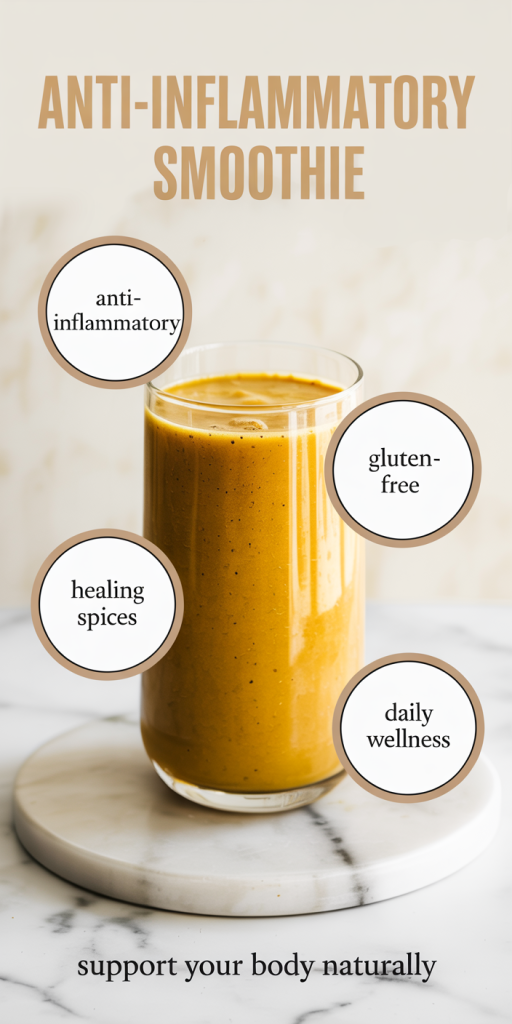
Turmeric and ginger are two potent anti-inflammatory spices. Turmeric contains curcumin, a compound known for its anti-inflammatory properties, while ginger can help alleviate pain and reduce inflammation.
5. Plant-Based Milk
Using almond, oat, or coconut milk as a base can introduce additional nutrients while keeping the smoothie dairy-free. These options are often rich in vitamins and can help soothe inflammation in the digestive system.
Step-by-Step Guide To Making Anti-Inflammatory Smoothies
Now that we understand the essential ingredients, let’s walk through the process of creating our own anti-inflammatory smoothie:
Step 1: Choose Your Base
Start with a liquid base. We can choose between dairy-free options like almond milk, coconut water, or simply water. Aim for about one cup.
Flavors and Variations for Your Smoothies
While the foundation of our anti-inflammatory smoothies should consist of healthy ingredients, we can get creative with flavors and combinations. Here are some delicious variations:
1. Green Power Smoothie
Combine spinach, banana, avocado, almond milk, and a teaspoon of spirulina for an extra nutrient boost.
2. Berry Delight
Blend different berries, a scoop of Greek yogurt, and coconut water for a refreshing and fruity drink.
3. Tropical Turmeric
Mix pineapple, ginger, turmeric, and coconut milk for a sunny, tropical treat that’s also a powerful anti-inflammatory.
Tips for Maximizing Nutritional Benefits
To get the most out of our anti-inflammatory smoothies, we can follow these practical tips:
1. Use Fresh Ingredients
Whenever possible, opt for fresh fruits and vegetables as they retain more nutrients than their frozen counterparts. But, frozen can be a good backup option when fresh produce is not available.
2. Adjust Sweetness Naturally
Instead of adding sugar or artificial sweeteners, we can use natural sweeteners like honey or maple syrup in moderation, or simply let the natural sweetness of the fruits shine.
Conclusion
Incorporating anti-inflammatory smoothies into our daily routine can be an enjoyable and effective way to enhance our health. With the right ingredients and a bit of creativity, we can craft delicious beverages that not only taste great but also enrich our bodies. So let’s raise a glass to good health and the power of nutrition, here’s to our journey of exploring the world of smoothies.