21-Day Low-FODMAP Diet For Beginners
Embarking on a new dietary journey can be a challenging yet rewarding experience, especially when it promises relief from chronic digestive discomfort. The low-FODMAP diet has emerged as a leading, evidence-based approach for managing symptoms of irritable bowel syndrome (IBS) and other functional gastrointestinal disorders. This comprehensive guide is designed for beginners, offering a clear path to understanding and implementing the low-FODMAP diet over a 21-day period. By following this structured plan, you can identify personal food triggers, reduce uncomfortable symptoms like bloating, gas, and abdominal pain, and take a significant step toward long-term digestive wellness.
This article will walk you through the science behind the low-FODMAP diet, help you determine if it’s the right approach for you, and provide a detailed, step-by-step plan for the initial 21-day elimination phase. We will explore comprehensive food lists, offer practical meal planning tips, and present a sample meal plan to guide you through the first three weeks. Our goal is to empower you with the knowledge and tools necessary to navigate this dietary change with confidence and achieve a calmer, happier gut.
What is the Low-FODMAP Diet?
The term FODMAP is an acronym for Fermentable Oligosaccharides, Disaccharides, Monosaccharides, and Polyols. These are specific types of short-chain carbohydrates that are poorly absorbed in the small intestine. For some individuals, particularly those with Irritable Bowel Syndrome (IBS), these undigested sugars travel to the large intestine where they are fermented by gut bacteria. This fermentation process can lead to the production of gas, bloating, abdominal pain, and other uncomfortable digestive symptoms [1].
The low-FODMAP diet is a diagnostic tool and a short-term eating plan designed to identify which of these carbohydrates trigger an individual’s symptoms. It is not a lifetime diet but rather a systematic process of elimination and reintroduction. The primary goal is to provide symptom relief and, over time, to develop a personalized and sustainable eating plan that is as varied as possible while still managing digestive health.
According to researchers at Monash University, who developed the low-FODMAP diet, approximately 75% of people with IBS experience significant symptom improvement after following this dietary approach [2].
This diet is also sometimes recommended for individuals with other gastrointestinal conditions, such as Small Intestinal Bacterial Overgrowth (SIBO), after consultation with a healthcare professional. It is crucial to undertake this diet under the guidance of a registered dietitian or a doctor to ensure nutritional adequacy and to navigate the process correctly.
The Three Phases of the Low-FODMAP Diet
The low-FODMAP diet is a structured, three-phase process. It is essential to follow these phases in order to correctly identify trigger foods and establish a long-term, personalized eating plan.
Phase 1: The Elimination Phase (2-6 Weeks)
The first phase, and the focus of this 21-day guide, is the elimination phase. During this period, all high-FODMAP foods are removed from the diet and replaced with low-FODMAP alternatives. The goal of this phase is to achieve a baseline of symptom relief. It is important to be strict during this phase, as even small amounts of high-FODMAP foods can trigger symptoms and interfere with the diagnostic process. This phase typically lasts between two and six weeks. If your symptoms improve significantly during this time, it is a strong indication that you are sensitive to FODMAPs.
Phase 2: The Reintroduction Phase (8-12 Weeks)
Once you have completed the elimination phase and have experienced a reduction in symptoms, you can move on to the reintroduction phase. In this phase, you will systematically reintroduce high-FODMAP foods, one at a time, to determine which specific FODMAPs you are sensitive to and in what quantities. This is a crucial step in personalizing your diet and expanding the variety of foods you can eat. It is recommended to test one FODMAP group at a time over a period of three days, while still maintaining a low-FODMAP diet overall. This phase can take several weeks to complete.
Phase 3: The Personalization Phase (Long-Term)
The final phase is the personalization phase. Armed with the knowledge of which FODMAPs trigger your symptoms, you can now create a long-term, personalized eating plan. This plan will include all the low-FODMAP foods you enjoy, as well as any high-FODMAP foods that you have found you can tolerate. The goal is to have a diet that is as varied and enjoyable as possible, while still effectively managing your digestive symptoms. It is also recommended to re-challenge your trigger foods periodically, as your tolerance levels may change over time.
Foods to Eat and Avoid: A Guide for Beginners
Navigating the low-FODMAP diet can be challenging at first, but with a clear understanding of which foods to include and which to limit, the process becomes much more manageable. The following tables provide a comprehensive, though not exhaustive, list of common high-FODMAP and low-FODMAP foods, categorized for your convenience. For a complete and regularly updated list, we recommend the Monash University FODMAP Diet App [2].
| Food Category | High-FODMAP Foods (Avoid) | Low-FODMAP Foods (Enjoy) |
|---|---|---|
| Vegetables | Artichoke, asparagus, onions, garlic, leeks, cauliflower, mushrooms, snow peas | Eggplant, bell peppers (capsicum), carrots, cucumber, lettuce, potatoes, tomatoes, zucchini, green beans |
| Fruits | Apples, pears, mangoes, cherries, watermelon, peaches, plums, dried fruits | Bananas (unripe), blueberries, cantaloupe, grapes, kiwi, oranges, pineapple, strawberries |
| Grains & Cereals | Wheat, rye, barley, and products made from them (e.g., most breads, pastas, and cereals) | Gluten-free bread and pasta, oats, quinoa, rice, corn, spelt sourdough bread |
| Protein Sources | Most legumes and pulses (e.g., baked beans, kidney beans, lentils), some processed meats with high-FODMAP ingredients (e.g., garlic, onion) | Plain cooked meats, poultry, and fish; eggs; firm tofu; tempeh |
| Dairy & Alternatives | Cow’s milk, yogurt, soft cheeses (e.g., cottage cheese, ricotta), ice cream, soy milk (made from whole soybeans) | Lactose-free milk and yogurt, hard cheeses (e.g., cheddar, feta, parmesan), almond milk, rice milk, soy milk (made from soy protein) |
| Nuts & Seeds | Cashews, pistachios | Almonds (in small quantities), macadamias, peanuts, pumpkin seeds, sesame seeds, walnuts |
| Sweeteners | High-fructose corn syrup, honey, agave nectar, sugar alcohols (e.g., sorbitol, mannitol, xylitol) | Maple syrup, rice malt syrup, table sugar (sucrose), stevia |
It is important to pay close attention to portion sizes, as some low-FODMAP foods can become high-FODMAP in larger quantities. The Monash University FODMAP Diet App provides detailed information on appropriate serving sizes for a wide variety of foods.
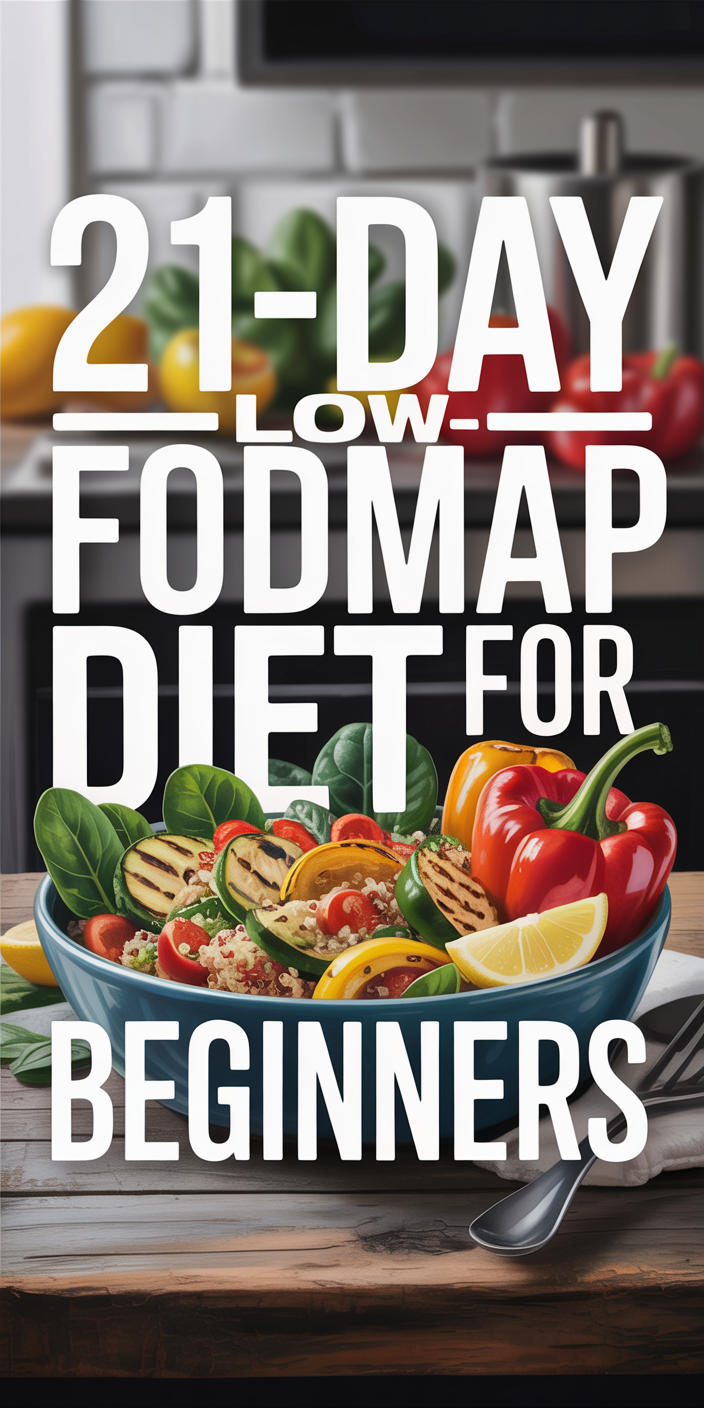
Your Complete 21-Day Meal Plan for Beginners
To help you get started on your low-FODMAP journey, here is a comprehensive 21-day meal plan. This plan is designed to be simple, delicious, and fully compliant with the elimination phase of the diet. Each week offers variety while maintaining strict adherence to low-FODMAP guidelines.
Week 1: Days 1-7
| Day | Breakfast | Lunch | Dinner |
|---|---|---|---|
| Day 1 | Scrambled eggs with spinach and gluten-free toast | Quinoa salad with cucumber, tomatoes, and lemon-herb dressing | Grilled chicken breast with roasted carrots and potatoes |
| Day 2 | Oatmeal with lactose-free milk, blueberries, and maple syrup | Leftover grilled chicken with mixed greens | Baked salmon with steamed green beans and brown rice |
| Day 3 | Lactose-free yogurt with strawberries and pumpkin seeds | Tuna salad on gluten-free crackers | Beef stir-fry with bell peppers, bok choy, and rice noodles |
| Day 4 | Smoothie with unripe banana, spinach, almond milk, and protein powder | Leftover beef stir-fry | Pork chops with mashed potatoes and green salad |
| Day 5 | Gluten-free toast with peanut butter and sliced banana | Chicken and vegetable skewers (bell peppers, zucchini, tomatoes) | Gluten-free pasta with tomato sauce and ground turkey |
| Day 6 | Omelette with bell peppers and cheddar cheese | Leftover pasta with side salad | Shrimp and vegetable stir-fry with quinoa |
| Day 7 | Porridge with raspberries and cinnamon | Grilled salmon salad with vinaigrette | Roasted chicken with root vegetables (carrots, parsnips, potatoes) |
Week 2: Days 8-14
| Day | Breakfast | Lunch | Dinner |
|---|---|---|---|
| Day 8 | Rice cakes with almond butter and sliced kiwi | Egg salad sandwich on gluten-free bread | Grilled turkey breast with roasted zucchini and rice |
| Day 9 | Lactose-free Greek yogurt with blueberries | Leftover turkey with steamed broccoli | Baked cod with lemon, carrots, and quinoa |
| Day 10 | Spinach and feta omelette with gluten-free toast | Chicken Caesar salad (no croutons, parmesan cheese) | Beef and vegetable kebabs with rice pilaf |
| Day 11 | Smoothie bowl with banana, strawberries, and granola (gluten-free) | Leftover beef kebabs with mixed greens | Pan-seared salmon with roasted eggplant and potatoes |
| Day 12 | Scrambled eggs with tomatoes and herbs | Quinoa bowl with grilled chicken and vegetables | Pork tenderloin with green beans and sweet potato |
| Day 13 | Oatmeal with sliced orange and walnuts | Tuna and avocado salad with rice crackers | Stir-fried tofu with bok choy and brown rice |
| Day 14 | Gluten-free pancakes with maple syrup and berries | Leftover tofu stir-fry | Roasted lamb with rosemary potatoes and steamed carrots |
Week 3: Days 15-21
| Day | Breakfast | Lunch | Dinner |
|---|---|---|---|
| Day 15 | Chia pudding made with almond milk and topped with kiwi | Grilled chicken wrap in gluten-free tortilla | Baked halibut with roasted vegetables and rice |
| Day 16 | Poached eggs on gluten-free toast with spinach | Leftover halibut with quinoa salad | Beef stew with carrots, potatoes, and green beans |
| Day 17 | Lactose-free yogurt parfait with granola and berries | Turkey and lettuce roll-ups with cucumber | Grilled pork chops with mashed turnips and broccoli |
| Day 18 | Smoothie with pineapple, spinach, and coconut milk | Leftover pork with mixed vegetable salad | Shrimp scampi with gluten-free pasta and zucchini |
| Day 19 | Omelette with herbs and goat cheese | Chicken and vegetable soup (homemade, low-FODMAP) | Baked chicken thighs with roasted root vegetables |
| Day 20 | Rice porridge with cinnamon and sliced banana | Leftover chicken with steamed vegetables | Grilled salmon with quinoa and sautéed spinach |
| Day 21 | Celebration breakfast: Gluten-free waffles with berries and maple syrup | Festive salad with grilled protein of choice | Special dinner: Herb-crusted beef with roasted vegetables and rice |
Low-FODMAP Snack Ideas
When hunger strikes between meals, there are plenty of delicious and satisfying low-FODMAP snack options to choose from. A handful of almonds (no more than 10) provides healthy fats and protein, while a small bowl of blueberries or strawberries offers natural sweetness and antioxidants. Hard-boiled eggs are an excellent protein-rich option that can be prepared in advance. Lactose-free yogurt provides probiotics and calcium, and rice cakes with a thin layer of peanut butter offer a satisfying crunch with healthy fats. A small, unripe banana is perfect for a quick energy boost, and a few squares of dark chocolate can satisfy sweet cravings while remaining low in FODMAPs.
Practical Tips for Success on the Low-FODMAP Diet
Starting a new diet can be challenging, but with the right strategies, you can set yourself up for success. Meal planning is your best friend on the low-FODMAP diet. Taking some time each week to plan your meals and snacks, and creating a detailed grocery list, will help you stay on track and avoid last-minute decisions that could lead to high-FODMAP choices.
Reading labels carefully is another crucial skill to develop. FODMAPs can be hidden in many processed foods, so get into the habit of reading ingredient labels carefully. Look out for high-FODMAP ingredients like high-fructose corn syrup, honey, garlic powder, and onion powder. Cooking at home gives you complete control over the ingredients and is the easiest way to ensure your meals are low in FODMAPs. Experiment with low-FODMAP recipes and find new favorites.
Staying hydrated by drinking plenty of water throughout the day can help with digestion and may alleviate some of the symptoms of IBS. Keeping a food and symptom diary is incredibly helpful in identifying your trigger foods. Note the time you eat, the foods you consume, and any symptoms you experience.
Seeking professional guidance from a registered dietitian who specializes in the low-FODMAP diet is highly recommended. They can provide personalized guidance, ensure you are meeting your nutritional needs, and help you navigate the reintroduction phase successfully. Finally, be patient and persistent. It can take some time to see results on the low-FODMAP diet. Be patient with yourself and the process. If you have a slip-up, don’t get discouraged. Simply get back on track with your next meal.
Conclusion
The 21-day low-FODMAP diet for beginners is a powerful tool for taking control of your digestive health. By systematically eliminating and then reintroducing high-FODMAP foods, you can identify your personal triggers and create a long-term eating plan that brings you relief and allows you to enjoy a wide variety of foods. Remember that this is a journey of discovery, and patience and consistency are key. With careful planning, a positive mindset, and the support of healthcare professionals, you can successfully navigate the low-FODMAP diet and achieve lasting digestive wellness.
References
[1] Cleveland Clinic. (n.d.). Low FODMAP Diet: What it Is, Uses & How to Follow. Retrieved from https://my.clevelandclinic.org/health/treatments/22466-low-fodmap-diet
[2] Monash University. (n.d.). Starting the Low FODMAP Diet. Retrieved from https://www.monashfodmap.com/ibs-central/i-have-ibs/starting-the-low-fodmap-diet/
Meal Planning Notes
This 21-day meal plan provides structure while allowing flexibility in your low-FODMAP journey. Each week introduces new combinations of approved foods to prevent monotony and ensure nutritional variety. The plan emphasizes fresh, whole foods and includes strategic use of leftovers to simplify meal preparation.
Key Features of This Plan:
- Progressive Variety: Each week introduces new meal combinations while maintaining familiar favorites
- Balanced Nutrition: Includes adequate protein, healthy fats, and complex carbohydrates
- Practical Leftovers: Strategic use of previous day’s proteins to reduce cooking time
- Celebration Moments: Day 21 includes special meals to mark your achievement
Customization Tips:
- Swap proteins based on your preferences (chicken for turkey, salmon for cod, etc.)
- Adjust portion sizes according to your individual needs
- Substitute vegetables within the low-FODMAP category based on seasonal availability
- Replace any foods you dislike with equivalent low-FODMAP alternatives
Remember that this meal plan serves as a foundation. As you become more comfortable with the diet, feel free to experiment with new low-FODMAP recipes and ingredients while maintaining the elimination phase guidelines.