
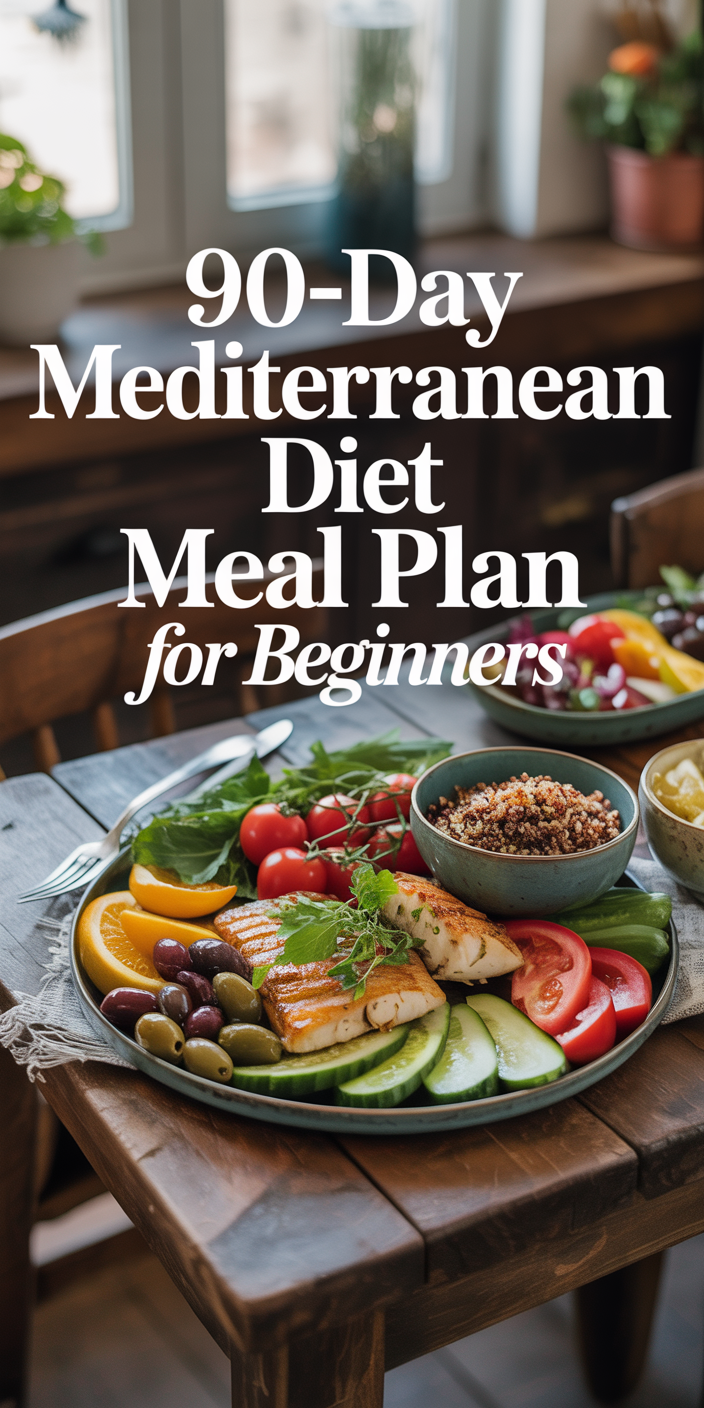
90-Day Mediterranean Diet Meal Plan For Beginners
Embarking on a new dietary journey can feel overwhelming, but the Mediterranean diet offers a refreshing and sustainable approach to healthy eating that has been celebrated for centuries. Unlike restrictive fad diets, the Mediterranean way of eating is a lifestyle rich in delicious, whole foods that nourish your body and delight your taste buds. This comprehensive 90-day meal plan is designed specifically for beginners, providing you with a clear roadmap to embrace this heart-healthy lifestyle, one delicious meal at a time. Whether your goal is to improve your cardiovascular health, manage your weight, or simply cultivate a healthier relationship with food, this guide will provide you with the knowledge, tools, and confidence to succeed.
The Mediterranean diet is not just about what you eat, but also how you eat. It emphasizes fresh, seasonal ingredients, mindful eating, and the joy of sharing meals with others. Backed by decades of scientific research, this dietary pattern has been shown to reduce the risk of heart disease, type 2 diabetes, and certain types of cancer, while also promoting brain health and longevity [1]. In this article, we will delve into the core principles of the Mediterranean diet, explore its numerous health benefits, and provide you with a detailed 90-day meal plan complete with recipes and shopping lists. We will also share practical tips for meal planning and preparation, and guide you on how to avoid common mistakes that beginners often make. By the end of this guide, you will be well-equipped to make the Mediterranean diet a delicious and enduring part of your life.
What is the Mediterranean Diet? A Foundation of Flavor and Health
The Mediterranean diet is more than just a set of rules; it’s a celebration of fresh, flavorful foods that have sustained vibrant cultures for generations. At its core, this dietary pattern mirrors the traditional eating habits of people living in countries bordering the Mediterranean Sea, such as Greece, Italy, and Spain. It is a predominantly plant-based diet, emphasizing a rich variety of fruits, vegetables, whole grains, legumes, nuts, and seeds. These foods, often enjoyed fresh and in season, form the foundation of every meal, providing a wealth of vitamins, minerals, fiber, and antioxidants.
One of the defining features of the Mediterranean diet is its liberal use of extra virgin olive oil as the primary source of fat. This healthy monounsaturated fat is used for everything from sautéing and roasting to dressing salads and dipping bread. It replaces less healthy fats like butter and margarine, contributing to the diet’s heart-protective benefits. Dairy products, such as cheese and yogurt, are consumed in moderation, while fish and poultry are enjoyed a few times a week. Red meat, on the other hand, is reserved for occasional consumption, often in small portions and as part of a larger, vegetable-rich dish.
This way of eating is beautifully illustrated by the Mediterranean Diet Pyramid, a visual guide that prioritizes foods to be enjoyed daily, weekly, and on special occasions. At the base of the pyramid, you’ll find the foods that should be consumed in abundance: fruits, vegetables, whole grains, olive oil, beans, nuts, legumes, and seeds. Moving up the pyramid, you’ll find fish and seafood, which are recommended several times a week. Poultry, eggs, cheese, and yogurt are to be consumed in moderate portions daily to weekly. At the very top of the pyramid are meats and sweets, which should be eaten less often. This structure encourages a balanced and varied diet that is both satisfying and incredibly nutritious.
The Science-Backed Benefits of the Mediterranean Diet
The enduring popularity of the Mediterranean diet is not just due to its delicious flavors, but also its remarkable and well-documented health benefits. Decades of scientific research have consistently shown that this way of eating can significantly improve health and reduce the risk of numerous chronic diseases. The diet’s emphasis on whole, nutrient-dense foods and healthy fats creates a powerful synergy that supports overall well-being.
One of the most significant benefits of the Mediterranean diet is its profound impact on cardiovascular health. Numerous studies have demonstrated its ability to lower the risk of heart disease, heart attacks, and strokes. A landmark study published in the New England Journal of Medicine found that a Mediterranean diet supplemented with extra virgin olive oil or nuts reduced the incidence of major cardiovascular events by approximately 30% [2]. The diet’s high content of monounsaturated fats from olive oil, omega-3 fatty acids from fish, and fiber from plant-based foods all contribute to lowering bad cholesterol (LDL), increasing good cholesterol (HDL), and reducing inflammation, all of which are crucial for a healthy heart.
Beyond heart health, the Mediterranean diet has been shown to be highly effective in preventing and managing type 2 diabetes. By focusing on complex carbohydrates, fiber, and healthy fats, the diet helps to regulate blood sugar levels and improve insulin sensitivity. Research has shown that adherence to a Mediterranean diet can significantly reduce the risk of developing type 2 diabetes and can also be an effective dietary approach for those who have already been diagnosed. The diet’s emphasis on whole foods and limited intake of processed foods and sugary drinks plays a key role in its ability to support healthy blood sugar control.
Furthermore, the Mediterranean diet is associated with a reduced risk of certain types of cancer. The abundance of antioxidants and anti-inflammatory compounds found in the diet’s plant-based foods, such as fruits, vegetables, and whole grains, helps to protect cells from damage that can lead to cancer. The high fiber content of the diet also supports a healthy digestive system, which is important for reducing the risk of colorectal cancer. While no diet can guarantee cancer prevention, the Mediterranean diet offers a powerful and delicious way to reduce your risk.
In addition to these major health benefits, the Mediterranean diet has also been linked to improved brain health and a reduced risk of cognitive decline. The diet’s rich supply of antioxidants and healthy fats helps to protect the brain from oxidative stress and inflammation, which are contributing factors to age-related memory loss and neurodegenerative diseases like Alzheimer’s. The social and cultural aspects of the Mediterranean lifestyle, which often involve shared meals and an active social life, may also contribute to its positive effects on mental well-being.
Getting Started: A Beginner’s Guide to the Mediterranean Diet
Transitioning to a new way of eating can be an exciting and rewarding experience. The Mediterranean diet, with its focus on fresh, flavorful foods, is a particularly enjoyable lifestyle to adopt. To help you get started on the right foot, this section provides practical tips, a guide to stocking your pantry, and a clear overview of which foods to embrace and which to limit. The key to success is to make gradual, sustainable changes that you can enjoy for the long term.
Stocking Your Mediterranean Pantry
A well-stocked pantry is the foundation of a successful Mediterranean kitchen. Having the right ingredients on hand makes it easy to whip up delicious and healthy meals without having to make last-minute trips to the grocery store. Here are some essentials to keep in your pantry, refrigerator, and freezer:
- Extra Virgin Olive Oil: This is the cornerstone of the Mediterranean diet. Choose a high-quality extra virgin olive oil for its rich flavor and health benefits. Use it for cooking, dressings, and as a finishing oil.
- Whole Grains: Stock up on a variety of whole grains such as quinoa, farro, barley, brown rice, and whole-wheat pasta and bread. These provide sustained energy and are rich in fiber.
- Legumes: Canned or dried beans, lentils, and chickpeas are incredibly versatile and packed with protein and fiber. They are perfect for soups, stews, salads, and dips like hummus.
- Nuts and Seeds: Almonds, walnuts, pistachios, chia seeds, and flaxseeds are great for snacking and adding to salads, yogurt, and oatmeal. They are a good source of healthy fats, protein, and fiber.
- Canned Fish: Canned tuna, salmon, and sardines are convenient and affordable sources of omega-3 fatty acids. They are perfect for quick lunches and salads.
- Herbs and Spices: A well-stocked spice rack is essential for adding flavor to your meals without relying on salt. Oregano, basil, rosemary, thyme, cumin, and paprika are all staples in Mediterranean cooking.
- Vinegars: Red wine vinegar, balsamic vinegar, and apple cider vinegar are great for making salad dressings and adding a tangy flavor to dishes.
- Fresh Produce: Your refrigerator should be filled with a colorful array of fresh fruits and vegetables. Aim to eat a variety of seasonal produce to get a wide range of nutrients.
- Dairy: Keep plain Greek yogurt and a selection of cheeses like feta and Parmesan on hand. These can be used in moderation to add flavor and creaminess to your meals.
- Frozen Foods: Frozen fruits and vegetables are a great backup to have on hand. They are just as nutritious as fresh and can be used in smoothies, soups, and stir-fries.
Foods to Enjoy and Foods to Limit
The Mediterranean diet is not about deprivation, but rather about making smart choices. Here is a simple guide to the foods you should be eating regularly and those you should limit:
Foods to Enjoy:
- Vegetables: A wide variety of vegetables, including leafy greens, tomatoes, cucumbers, bell peppers, broccoli, and zucchini.
- Fruits: A variety of fresh fruits, such as berries, citrus fruits, apples, and pears.
- Whole Grains: Quinoa, brown rice, oats, barley, and whole-wheat bread and pasta.
- Legumes: Beans, lentils, chickpeas, and peas.
- Nuts and Seeds: Almonds, walnuts, chia seeds, and flaxseeds.
- Healthy Fats: Extra virgin olive oil, avocados, and olives.
- Fish and Seafood: Salmon, tuna, sardines, and other fatty fish.
- Poultry: Chicken and turkey in moderation.
- Dairy: Greek yogurt and cheese in moderation.
- Herbs and Spices: A wide variety of fresh and dried herbs and spices.
Foods to Limit:
- Red Meat: Beef, pork, and lamb should be consumed in small portions and only occasionally.
- Processed Meats: Sausages, hot dogs, and other processed meats should be avoided.
- Refined Grains: White bread, white pasta, and white rice should be replaced with whole-grain alternatives.
- Sugary Drinks: Sodas, sweetened teas, and fruit juices should be avoided.
- Sweets and Desserts: Cakes, cookies, and other sweets should be reserved for special occasions.
- Processed Foods: Packaged snacks, frozen dinners, and other highly processed foods should be limited.
Common Beginner Mistakes and How to Avoid Them
Adopting a new lifestyle, even one as enjoyable as the Mediterranean diet, can come with a learning curve. Being aware of common pitfalls can help you navigate the transition smoothly and ensure you reap the full benefits of this healthy way of eating. Here are some of the most frequent mistakes beginners make and how you can avoid them:
1. Overdoing the Olive Oil and Healthy Fats
While extra virgin olive oil is a cornerstone of the Mediterranean diet, it is still a calorie-dense food. A common mistake is to use it too liberally, which can lead to unintentional weight gain. Similarly, nuts, seeds, and avocados, while incredibly nutritious, should be consumed in moderation.
How to Avoid It: Be mindful of portion sizes. A serving of olive oil is typically one tablespoon, and a serving of nuts is about a handful. Use olive oil as your primary fat source, but be conscious of how much you are using in cooking and dressings.
2. Forgetting That It’s a Lifestyle, Not Just a Diet
The Mediterranean way of eating is intrinsically linked to a lifestyle that includes regular physical activity, shared meals with loved ones, and a mindful approach to eating. Focusing solely on the food and ignoring these other components can diminish the overall benefits.
How to Avoid It: Embrace the social and cultural aspects of the Mediterranean lifestyle. Whenever possible, share meals with family and friends. Practice mindful eating by savoring your food and paying attention to your body’s hunger and fullness cues. Incorporate regular physical activity into your routine, such as walking, swimming, or cycling.
3. Not Eating Enough Vegetables
While the diet is plant-based, it’s easy to fall short of the recommended vegetable intake. Vegetables should be the star of your meals, not just a side dish.
How to Avoid It: Aim to fill half of your plate with vegetables at every meal. Experiment with new vegetables and cooking methods to keep things interesting. Add vegetables to omelets, and salads, and even blend them into smoothies.
4. Over-consuming Refined Grains
While the Mediterranean diet includes grains, the emphasis is on whole grains. It can be easy to fall back on familiar refined grains like white bread, pasta, and rice.
How to Avoid It: Make a conscious effort to choose whole-grain options. Look for bread and pasta that list “whole wheat” or another whole grain as the first ingredient. Experiment with other whole grains like quinoa, farro, and barley.
5. Drinking Too Much Wine
While moderate wine consumption is a part of the traditional Mediterranean lifestyle, it’s important to remember that “moderate” is key. Over-consuming alcohol can have negative health consequences and contribute to weight gain.
How to Avoid It: If you choose to drink wine, limit your intake to one 5-ounce glass per day for women and up to two glasses for men. If you don’t already drink, there’s no need to start.
By being mindful of these common mistakes, you can set yourself up for long-term success and fully embrace the delicious and healthful Mediterranean lifestyle.
Your 90-Day Mediterranean Diet Meal Plan
This 90-day meal plan is designed to guide you through your first three months on the Mediterranean diet. It is structured to be simple, delicious, and easy to follow. Each week includes a variety of meals that are rich in flavor and nutrients. To make your journey even easier, a weekly shopping list is provided. This plan is a guide, so feel free to swap meals based on your preferences and seasonal availability of produce.
Month 1: Building a Strong Foundation
The first month is all about building healthy habits and getting comfortable with the Mediterranean way of eating. We will focus on simple recipes and meal prep strategies to help you stay on track.
Week 1: A Taste of the Mediterranean
This week is designed to introduce you to the delicious flavors of the Mediterranean. The meals are simple to prepare and will help you get into the rhythm of this new way of eating.
| Day | Breakfast | Lunch | Dinner |
|---|---|---|---|
| 1 | Greek yogurt with berries and a drizzle of honey | Lentil soup with a side of whole-wheat bread | Baked salmon with roasted asparagus and quinoa |
| 2 | Oatmeal with sliced almonds and a sprinkle of cinnamon | Leftover baked salmon salad with mixed greens | Chicken and vegetable skewers with a side of brown rice |
| 3 | Scrambled eggs with spinach and feta cheese | Hummus and vegetable wrap with whole-wheat tortilla | Whole-wheat pasta with a simple tomato and basil sauce |
| 4 | Smoothie with spinach, banana, and almond milk | Leftover whole-wheat pasta salad | Grilled fish with a Greek salad |
| 5 | Whole-wheat toast with avocado and a sprinkle of red pepper flakes | Quinoa salad with chickpeas, cucumber, and tomatoes | Roasted chicken with lemon and herbs, served with roasted potatoes |
| 6 | Greek yogurt with sliced peaches and a handful of walnuts | Leftover roasted chicken salad sandwich on whole-wheat bread | Vegetarian pizza on whole-wheat crust with plenty of veggies |
| 7 | Pancakes made with whole-wheat flour, topped with fresh fruit | Large salad with grilled chicken, mixed greens, and a light vinaigrette | Leftover vegetarian pizza |
Week 1 Shopping List:
- Produce: Berries, bananas, spinach, asparagus, lemons, garlic, onions, tomatoes, cucumbers, bell peppers, mixed greens, peaches, potatoes, avocado
- Protein: Salmon, chicken breasts, lentils, chickpeas, eggs, hummus
- Dairy: Greek yogurt, feta cheese
- Pantry: Honey, oatmeal, almonds, cinnamon, whole-wheat bread, quinoa, brown rice, whole-wheat pasta, whole-wheat tortillas, canned tomatoes, olive oil, red pepper flakes, walnuts, whole-wheat flour
Day 1
Greek Yogurt with Berries & Honey
Ingredients
- 1 cup plain Greek yogurt
- ½ cup mixed berries
- 1–2 tsp honey
Instructions
Add yogurt to a bowl. Top with berries. Drizzle with honey and serve.
Lentil Soup + Whole-Wheat Bread
Ingredients
- 1 cup dried lentils (rinsed)
- 1 carrot, diced
- 1 celery stalk, diced
- 2 cloves garlic, minced
- 4 cups broth
- 1 tsp cumin
- Salt & pepper
- Olive oil
Instructions
- Sauté carrot, celery, garlic in olive oil (5 min).
- Add lentils, broth, cumin.
- Simmer 25–30 min until tender.
- Season to taste. Serve with whole-wheat bread.
Baked Salmon, Roasted Asparagus & Quinoa
Ingredients
- 2 salmon fillets
- 1 bunch asparagus
- 1 cup quinoa
- Olive oil, salt, pepper, lemon
Instructions
- Cook quinoa (1 cup quinoa + 2 cups water, simmer 15 min).
- Roast asparagus at 400°F with olive oil & salt (12–15 min).
- Bake salmon at 400°F with salt, pepper, lemon (12–15 min).
Serve together.
Day 2
Oatmeal with Almonds & Cinnamon
Cook ½ cup oats with 1 cup milk or water. Top with sliced almonds and cinnamon.
Leftover Salmon Salad
Flake leftover salmon over mixed greens. Add cucumber, tomato, olive oil, lemon, salt.
Chicken & Vegetable Skewers + Brown Rice
Ingredients
- Chicken breast cubes
- Bell pepper, onion, zucchini chunks
- Olive oil, salt, pepper
- Brown rice
Instructions
- Thread chicken & veggies on skewers.
- Brush with oil, season.
- Grill or roast 12–15 min.
- Serve with cooked brown rice.
Day 3
Scrambled Eggs with Spinach & Feta
Cook spinach in pan until wilted. Add beaten eggs. Scramble. Top with feta.
Hummus Veggie Wrap
Spread hummus on whole-wheat tortilla. Add cucumber, carrot, spinach, peppers. Roll.
Whole-Wheat Pasta with Tomato Basil
Cook whole-wheat pasta. Warm tomato sauce with garlic & olive oil. Toss with pasta and fresh basil.
Day 4
Spinach Banana Smoothie
Blend:
- 1 banana
- 1 handful spinach
- 1 cup almond milk
- Optional: ice
Leftover Pasta Salad
Toss leftover pasta with olive oil, tomatoes, cucumber, herbs.
Grilled Fish + Greek Salad
Season fish with olive oil, salt, pepper, lemon. Grill or pan-sear 3–4 min per side.
Serve with salad (tomato, cucumber, olives, feta, olive oil).
Day 5
Avocado Whole-Wheat Toast
Toast bread. Mash avocado with salt & lemon. Spread. Sprinkle red pepper flakes.
Quinoa Chickpea Salad
Mix cooked quinoa + chickpeas + cucumber + tomato + parsley + olive oil + lemon.
Lemon Herb Roasted Chicken + Potatoes
Season chicken with olive oil, garlic, lemon, herbs.
Roast at 400°F with potatoes 35–45 min until cooked.
Day 6
Greek Yogurt with Peaches & Walnuts
Top yogurt with sliced peaches and chopped walnuts.
Leftover Chicken Salad Sandwich
Mix chopped leftover chicken with yogurt or mayo, celery, salt.
Serve on whole-wheat bread with lettuce.
Whole-Wheat Veggie Pizza
Top whole-wheat crust with tomato sauce, mozzarella, peppers, mushrooms, onion.
Bake per crust directions (usually 425°F ~12–15 min).
Day 7
Whole-Wheat Pancakes + Fruit
Ingredients
- 1 cup whole-wheat flour
- 1 egg
- 1 cup milk
- 1 tsp baking powder
Instructions
Mix batter. Cook pancakes in skillet. Top with fruit.
Grilled Chicken Salad
Top mixed greens with grilled chicken, tomato, cucumber.
Dress with olive oil + vinegar.
Leftover Veggie Pizza
Reheat slices in oven or skillet until crisp.
Week 2: Exploring New Flavors
This week, we will introduce some new recipes and flavors to expand your Mediterranean palate. We will also continue to focus on meal prep and using leftovers to make your week easier.
| Day | Breakfast | Lunch | Dinner |
|---|---|---|---|
| 8 | Oatmeal with chopped walnuts and a drizzle of maple syrup | Leftover vegetarian chili | Baked cod with a side of roasted broccoli and sweet potatoes |
| 9 | Greek yogurt with granola and mixed berries | Quinoa salad with black beans, corn, and a lime-cilantro dressing | Leftover baked cod with a side salad |
| 10 | Scrambled eggs with bell peppers and onions | Leftover quinoa salad | Shrimp scampi with whole-wheat pasta and a side of steamed green beans |
| 11 | Smoothie with kale, pineapple, and coconut water | Leftover shrimp scampi | Chicken and vegetable stir-fry with brown rice |
| 12 | Whole-wheat toast with almond butter and sliced banana | Leftover chicken and vegetable stir-fry | Black bean burgers on whole-wheat buns with a side of sweet potato fries |
| 13 | Greek yogurt with a sprinkle of chia seeds and a handful of almonds | Leftover black bean burgers | Grilled salmon with a lemon-dill sauce, served with roasted Brussels sprouts |
| 14 | Whole-wheat pancakes with fresh fruit and a dollop of Greek yogurt | Large salad with grilled shrimp, mixed greens, and a lemon-tahini dressing | Leftover grilled salmon over a bed of mixed greens |
Week 2 Shopping List:
- Produce: Onions, garlic, bell peppers, broccoli, sweet potatoes, kale, pineapple, cilantro, lime, green beans, Brussels sprouts, bananas, mixed berries
- Protein: Cod, shrimp, chicken breasts, black beans, salmon
- Dairy: Greek yogurt
- Pantry: Maple syrup, granola, quinoa, canned corn, whole-wheat pasta, coconut water, almond butter, whole-wheat buns, chia seeds, almonds, tahini, dill
Day 8
Oatmeal with Walnuts & Maple Syrup
Ingredients
- ½ cup rolled oats
- 1 cup milk or water
- 2 tbsp chopped walnuts
- 1–2 tsp maple syrup
Instructions
Cook oats with liquid over medium heat 5 minutes.
Top with walnuts and drizzle maple syrup.
Leftover Vegetarian Chili
Reheat prepared chili on stove or microwave until hot.
Optional: top with avocado, yogurt, or cilantro.
Baked Cod + Roasted Broccoli & Sweet Potatoes
Ingredients
- 2 cod fillets
- 1 head broccoli, florets
- 1 large sweet potato, cubes
- Olive oil, salt, pepper, lemon
Instructions
- Toss broccoli & sweet potato with oil, salt.
- Roast at 400°F for 20–25 min.
- Season cod with oil, salt, lemon.
- Bake 12–15 min at 400°F.
Serve together.
Day 9
Greek Yogurt with Granola & Berries
Top 1 cup yogurt with ¼ cup granola and ½ cup berries.
Quinoa Black Bean Corn Salad
Ingredients
- 1 cup cooked quinoa
- ½ cup black beans
- ½ cup corn
- 2 tbsp cilantro
- Juice of ½ lime
- Olive oil, salt
Instructions
Mix all ingredients. Chill or serve room temp.
Leftover Baked Cod + Side Salad
Reheat cod gently.
Serve with mixed greens + olive oil + lemon.
Day 10
Scrambled Eggs with Peppers & Onions
Sauté diced peppers & onions in oil 3–4 min.
Add beaten eggs. Scramble until set.
Leftover Quinoa Salad
Serve chilled or room temp.
Shrimp Scampi + Whole-Wheat Pasta + Green Beans
Ingredients
- 8 oz shrimp
- 2 cloves garlic
- 2 tbsp olive oil
- Juice ½ lemon
- Parsley
- Whole-wheat pasta
- Green beans
Instructions
- Cook pasta. Steam green beans 5 min.
- Sauté garlic in oil. Add shrimp 2–3 min/side.
- Add lemon & parsley.
- Toss with pasta. Serve with beans.
Day 11
Kale Pineapple Smoothie
Blend:
- 1 handful kale
- 1 cup pineapple
- 1 cup coconut water
- Ice optional
Leftover Shrimp Scampi
Reheat gently in skillet with splash water or oil.
Chicken Vegetable Stir-Fry + Brown Rice
Ingredients
- Chicken strips
- Broccoli, carrots, peppers
- 2 tbsp soy sauce
- 1 tsp ginger
- Brown rice
Instructions
- Cook rice.
- Stir-fry chicken until done.
- Add veggies 4–5 min.
- Add soy & ginger. Serve over rice.
Day 12
Almond Butter Banana Toast
Spread almond butter on whole-wheat toast.
Top with sliced banana.
Leftover Chicken Stir-Fry
Reheat in skillet or microwave.
Black Bean Burgers + Sweet Potato Fries
Ingredients
- 1 can black beans, mashed
- ¼ cup breadcrumbs
- 2 tbsp onion
- 1 tsp cumin
- Whole-wheat buns
- Sweet potato fries
Instructions
- Mix burger ingredients. Form patties.
- Pan-cook 4–5 min/side.
- Bake fries at 425°F ~25 min.
Serve on buns.
Day 13
Greek Yogurt with Chia & Almonds
Top yogurt with 1 tsp chia seeds + chopped almonds.
Leftover Black Bean Burgers
Reheat patty. Serve in bun or over salad.
Grilled Salmon + Lemon Dill + Brussels Sprouts
Ingredients
- Salmon fillets
- Brussels sprouts halves
- Olive oil, salt
- 2 tbsp yogurt
- Dill, lemon
Instructions
- Roast sprouts 400°F 20–25 min.
- Grill or bake salmon 10–12 min.
- Mix yogurt + dill + lemon for sauce.
Serve together.
Day 14
Whole-Wheat Pancakes + Fruit + Yogurt
Prepare pancakes (see earlier recipe).
Top with fruit + dollop yogurt.
Grilled Shrimp Salad + Lemon Tahini
Ingredients
- Shrimp
- Mixed greens
- Cucumber, tomato
- 1 tbsp tahini
- Lemon juice
- Water
Instructions
- Grill or sauté shrimp 2–3 min/side.
- Whisk tahini + lemon + water to thin.
- Toss salad + shrimp + dressing.
Leftover Salmon over Greens
Flake leftover salmon over mixed greens.
Add olive oil + lemon or leftover dill sauce.
Week 3: Mastering Meal Prep
By week three, you should be getting into a good rhythm with your meal planning and preparation. This week, we will focus on recipes that are easy to make in batches, saving you time and effort during the week.
| Day | Breakfast | Lunch | Dinner |
|---|---|---|---|
| 15 | Greek yogurt with sliced apples and a sprinkle of cinnamon | Leftover chicken and white bean soup | Sheet pan lemon-herb chicken with roasted vegetables (broccoli, carrots, and bell peppers) |
| 16 | Oatmeal with raisins and a handful of pecans | Leftover sheet pan chicken and vegetables | Whole-wheat pasta with a creamy avocado sauce and cherry tomatoes |
| 17 | Scrambled eggs with mushrooms and a side of whole-wheat toast | Leftover whole-wheat pasta with avocado sauce | Baked tilapia with a side of steamed asparagus and brown rice |
| 18 | Smoothie with mixed berries, spinach, and a scoop of protein powder | Leftover baked tilapia over a bed of mixed greens | Turkey meatballs with whole-wheat spaghetti and a simple marinara sauce |
| 19 | Whole-wheat toast with peanut butter and sliced strawberries | Leftover turkey meatballs and spaghetti | Lentil and vegetable stew |
| 20 | Greek yogurt with a drizzle of honey and a handful of walnuts | Leftover lentil and vegetable stew | Grilled chicken Caesar salad with a homemade yogurt-based dressing |
| 21 | Whole-wheat waffles with fresh fruit and a dollop of Greek yogurt | Large salad with canned tuna, mixed greens, and a light vinaigrette | Leftover grilled chicken Caesar salad |
Week 3 Shopping List:
- Produce: Apples, onions, garlic, broccoli, carrots, bell peppers, mushrooms, spinach, cherry tomatoes, asparagus, strawberries, mixed greens
- Protein: Chicken breasts, tilapia, ground turkey, lentils, canned tuna
- Dairy: Greek yogurt, Parmesan cheese
- Pantry: Cinnamon, raisins, pecans, whole-wheat pasta, avocado, whole-wheat toast, protein powder, whole-wheat spaghetti, canned tomatoes, peanut butter, walnuts, whole-wheat waffles
Day 15
Greek Yogurt with Apples & Cinnamon
Top 1 cup Greek yogurt with thin apple slices and a sprinkle of cinnamon.
Leftover Chicken & White Bean Soup
Reheat gently on stovetop or microwave until hot.
Sheet Pan Lemon-Herb Chicken & Roasted Vegetables
Ingredients
- Chicken thighs or breasts
- Broccoli florets
- Carrots, sliced
- Bell peppers, strips
- 2 tbsp olive oil
- Juice of 1 lemon
- 1 tsp dried oregano or Italian herbs
- Salt & pepper
Instructions
- Toss chicken & vegetables with oil, lemon, herbs, salt.
- Spread on sheet pan.
- Roast at 400°F for 25–30 min until chicken cooked.
Day 16
Oatmeal with Raisins & Pecans
Cook ½ cup oats with 1 cup liquid.
Top with raisins and chopped pecans.
Leftover Sheet Pan Chicken & Veggies
Reheat in oven or skillet until warm.
Whole-Wheat Pasta with Creamy Avocado Sauce
Ingredients
- Whole-wheat pasta
- 1 ripe avocado
- 1 tbsp olive oil
- Juice ½ lemon
- 1 small garlic clove
- Cherry tomatoes
Instructions
- Cook pasta.
- Blend avocado, oil, lemon, garlic, salt into sauce.
- Toss with pasta + halved tomatoes.
Day 17
Scrambled Eggs with Mushrooms & Toast
Sauté sliced mushrooms in oil.
Add beaten eggs. Scramble.
Serve with whole-wheat toast.
Leftover Avocado Pasta
Serve cold or gently warmed.
Baked Tilapia + Asparagus + Brown Rice
Ingredients
- Tilapia fillets
- Asparagus
- Brown rice
- Olive oil, lemon, salt
Instructions
- Cook rice.
- Bake tilapia at 400°F 10–12 min with oil & lemon.
- Steam asparagus 5 min.
Serve together.
Day 18
Berry Spinach Protein Smoothie
Blend:
- 1 cup mixed berries
- 1 handful spinach
- 1 scoop protein powder
- 1 cup milk or almond milk
Leftover Tilapia Salad
Flake tilapia over mixed greens.
Add cucumber, olive oil, lemon.
Turkey Meatballs + Whole-Wheat Spaghetti
Ingredients
- 1 lb ground turkey
- ¼ cup breadcrumbs
- 1 egg
- 2 tbsp onion
- Marinara sauce
- Whole-wheat spaghetti
Instructions
- Mix turkey, crumbs, egg, onion, salt.
- Form balls. Bake 400°F 15–18 min.
- Simmer in marinara.
- Serve over cooked spaghetti.
Day 19
Peanut Butter Strawberry Toast
Spread peanut butter on toast.
Top with sliced strawberries.
Leftover Turkey Meatballs & Spaghetti
Reheat gently with sauce.
Lentil Vegetable Stew
Ingredients
- 1 cup lentils
- Carrot, celery, onion
- 4 cups broth
- 1 tsp thyme
- Olive oil
Instructions
- Sauté vegetables in oil 5 min.
- Add lentils, broth, thyme.
- Simmer 30 min until tender.
Day 20
Greek Yogurt with Honey & Walnuts
Top yogurt with honey drizzle and walnuts.
Leftover Lentil Stew
Reheat until hot.
Grilled Chicken Caesar (Yogurt Dressing)
Ingredients
- Grilled chicken breast
- Romaine
- Parmesan
- Whole-wheat croutons
Dressing
- 2 tbsp Greek yogurt
- 1 tsp lemon
- 1 tsp olive oil
- ½ tsp Dijon
- Garlic pinch
Instructions
Whisk dressing.
Toss lettuce + chicken + parmesan + croutons + dressing.
Day 21
Whole-Wheat Waffles + Fruit + Yogurt
Prepare waffles (whole-wheat mix or batter).
Top with fruit and yogurt.
Tuna Salad Greens
Ingredients
- 1 can tuna
- Mixed greens
- Cucumber, tomato
- Olive oil & vinegar
Instructions
Flake tuna over greens with vegetables.
Drizzle dressing.
Leftover Chicken Caesar Salad
Serve chilled or room temp.
Week 4: Building Confidence
As you wrap up your first month, you should be feeling more confident in your ability to follow the Mediterranean diet. This week, we will focus on trying some new recipes and continuing to build on the healthy habits you have established.
| Day | Breakfast | Lunch | Dinner |
|---|---|---|---|
| 22 | Oatmeal with sliced banana and a tablespoon of chia seeds | Leftover shepherd’s pie with a side salad | Shrimp and vegetable skewers with a side of couscous |
| 23 | Greek yogurt with a handful of mixed nuts and a drizzle of honey | Leftover shrimp and vegetable skewers over a bed of mixed greens | Baked chicken parmesan with a side of whole-wheat spaghetti and a simple marinara sauce |
| 24 | Scrambled eggs with a side of whole-wheat toast and a slice of avocado | Leftover baked chicken parmesan | Salmon burgers on whole-wheat buns with a side of roasted sweet potato wedges |
| 25 | Smoothie with mango, pineapple, and a scoop of protein powder | Leftover salmon burgers | Vegetarian chili with a dollop of Greek yogurt and a sprinkle of cilantro |
| 26 | Whole-wheat toast with hummus and sliced cucumber | Leftover vegetarian chili | Grilled chicken with a Mediterranean-style salsa (tomatoes, cucumbers, olives, and feta cheese) and a side of quinoa |
| 27 | Greek yogurt with a sprinkle of granola and a handful of berries | Leftover grilled chicken and salsa over a bed of mixed greens | Stuffed bell peppers with a mixture of ground turkey, brown rice, and vegetables |
| 28 | Whole-wheat pancakes with a side of fresh fruit and a dollop of Greek yogurt | Large salad with hard-boiled eggs, mixed greens, and a light vinaigrette | Leftover stuffed bell peppers |
Week 4 Shopping List:
- Produce: Bananas, onions, garlic, mixed vegetables for shepherd’s pie, mixed greens, mango, pineapple, cilantro, cucumbers, tomatoes, olives, bell peppers
- Protein: Ground lamb or beef, shrimp, chicken breasts, salmon, ground turkey, eggs
- Dairy: Greek yogurt, Parmesan cheese, feta cheese
- Pantry: Chia seeds, couscous, whole-wheat spaghetti, canned tomatoes, whole-wheat buns, canned beans for chili, quinoa, brown rice, granola
Day 22
Oatmeal with Banana & Chia
Cook ½ cup oats with 1 cup liquid.
Top with sliced banana and 1 tbsp chia seeds.
Leftover Shepherd’s Pie + Side Salad
Reheat shepherd’s pie.
Serve with mixed greens + olive oil + vinegar.
Shrimp & Vegetable Skewers + Couscous
Ingredients
- Shrimp
- Bell pepper, zucchini, red onion chunks
- Olive oil, salt, pepper
- Couscous
Instructions
- Thread shrimp & vegetables on skewers.
- Brush with oil, season.
- Grill or roast 8–10 min.
- Prepare couscous (pour 1 cup boiling water over 1 cup couscous, cover 5 min).
Serve together.
Day 23
Greek Yogurt with Nuts & Honey
Top yogurt with mixed nuts and honey.
Leftover Shrimp Skewer Salad
Remove shrimp & vegetables from skewers.
Serve over mixed greens with olive oil & lemon.
Baked Chicken Parmesan + Whole-Wheat Spaghetti
Ingredients
- Chicken breast cutlets
- Whole-wheat spaghetti
- Marinara
- Mozzarella & parmesan
- Breadcrumbs
Instructions
- Coat chicken in crumbs.
- Bake 400°F 20 min.
- Top with marinara & cheese; bake 5 more min.
- Serve with cooked spaghetti + marinara.
Day 24
Scrambled Eggs, Toast & Avocado
Scramble eggs.
Serve with whole-wheat toast and avocado slices.
Leftover Chicken Parmesan
Reheat in oven or skillet.
Salmon Burgers + Sweet Potato Wedges
Ingredients
- Cooked or canned salmon
- Egg
- Breadcrumbs
- Dijon
- Whole-wheat buns
- Sweet potato wedges
Instructions
- Mix salmon, egg, crumbs, Dijon. Form patties.
- Pan-cook 4–5 min/side.
- Roast wedges 425°F 25–30 min.
Serve on buns.
Day 25
Mango Pineapple Protein Smoothie
Blend:
- 1 cup mango
- ½ cup pineapple
- 1 scoop protein powder
- 1 cup milk or coconut milk
Leftover Salmon Burgers
Reheat patty. Serve on bun or over salad.
Vegetarian Chili
Ingredients
- 1 can black beans
- 1 can kidney beans
- 1 can diced tomatoes
- Onion, bell pepper
- 1 tbsp chili powder
- 1 tsp cumin
Instructions
- Sauté onion & pepper.
- Add beans, tomatoes, spices.
- Simmer 20–30 min.
Serve with yogurt & cilantro.
Day 26
Hummus Cucumber Toast
Spread hummus on toast.
Top with cucumber slices.
Leftover Vegetarian Chili
Reheat until hot.
Grilled Chicken + Mediterranean Salsa + Quinoa
Ingredients
- Grilled chicken breast
- Tomato, cucumber, olives, feta
- Olive oil & lemon
- Quinoa
Instructions
- Cook quinoa.
- Mix chopped salsa ingredients with oil & lemon.
- Serve chicken topped with salsa + quinoa.
Day 27
Greek Yogurt with Granola & Berries
Top yogurt with granola and berries.
Leftover Mediterranean Chicken Salad
Slice leftover chicken & salsa over greens.
Turkey & Rice Stuffed Peppers
Ingredients
- Bell peppers
- Ground turkey
- Cooked brown rice
- Onion, tomato sauce
Instructions
- Sauté turkey & onion.
- Mix with rice & sauce.
- Stuff peppers.
- Bake 375°F 30–35 min.
Day 28
Whole-Wheat Pancakes + Fruit + Yogurt
Prepare pancakes.
Serve with fruit and yogurt.
Salad with Hard-Boiled Eggs
Top mixed greens with sliced eggs, cucumber, tomato.
Dress with olive oil & vinegar.
Leftover Stuffed Peppers
Reheat until hot.
Month 2: Expanding Your Culinary Horizons
In the second month, we will continue to explore new recipes and ingredients, while also focusing on making the Mediterranean diet a sustainable and enjoyable part of your daily life. You will be encouraged to experiment with different herbs and spices to enhance the flavor of your meals.
Week 5: Embracing Variety
This week is all about embracing the variety that the Mediterranean diet has to offer. We will incorporate a wider range of vegetables, grains, and proteins into your meals.
| Day | Breakfast | Lunch | Dinner |
|---|---|---|---|
| 29 | Oatmeal with chopped dates and a sprinkle of cardamom | Leftover lentil soup | Grilled swordfish with a lemon-caper sauce, served with a side of roasted fennel |
| 30 | Greek yogurt with a handful of pistachios and a drizzle of honey | Leftover grilled swordfish over a bed of arugula | Chicken and vegetable curry with brown rice |
| 31 | Scrambled eggs with sun-dried tomatoes and a side of whole-wheat toast | Leftover chicken and vegetable curry | Whole-wheat pasta with a pesto sauce, cherry tomatoes, and grilled shrimp |
| 32 | Smoothie with spinach, pear, and ginger | Leftover whole-wheat pasta with pesto and shrimp | Baked falafel with a side of quinoa and a tahini-yogurt sauce |
| 33 | Whole-wheat toast with ricotta cheese and a sprinkle of cinnamon | Leftover baked falafel in a whole-wheat pita with lettuce and tomato | Turkey and vegetable skewers with a side of couscous |
| 34 | Greek yogurt with a handful of walnuts and a sliced fig | Leftover turkey and vegetable skewers over a bed of mixed greens | Mussels steamed in a white wine and garlic broth, served with a side of crusty whole-wheat bread |
| 35 | Whole-wheat pancakes with a side of fresh berries and a dollop of Greek yogurt | Large salad with chickpeas, mixed greens, and a lemon-herb vinaigrette | Leftover mussels and broth over whole-wheat pasta |
Week 5 Shopping List:
- Produce: Dates, fennel, arugula, sun-dried tomatoes, pear, ginger, cherry tomatoes, lettuce, fig, berries, onions, garlic, mixed vegetables for curry
- Protein: Swordfish, chicken breasts, shrimp, falafel mix, ground turkey, mussels, chickpeas
- Dairy: Greek yogurt, ricotta cheese
- Pantry: Cardamom, pistachios, honey, brown rice, whole-wheat pasta, pesto, quinoa, tahini, whole-wheat pitas, couscous, white wine, whole-wheat bread
Week 6: Simple and Satisfying
This week focuses on simple, satisfying meals that are easy to prepare on busy weeknights. We will also continue to incorporate a variety of nutrient-dense foods to keep you feeling your best.
| Day | Breakfast | Lunch | Dinner |
|---|---|---|---|
| 36 | Oatmeal with a spoonful of almond butter and a sliced apple | Leftover ratatouille | Grilled chicken with a side of roasted sweet potatoes and a green salad |
| 37 | Greek yogurt with a handful of almonds and a drizzle of honey | Leftover grilled chicken salad | Baked salmon with a lemon-dill sauce, served with a side of steamed green beans and quinoa |
| 38 | Scrambled eggs with a handful of spinach and a side of whole-wheat toast | Leftover baked salmon over a bed of mixed greens | Lentil and vegetable soup with a side of crusty whole-wheat bread |
| 39 | Smoothie with mixed berries, a scoop of protein powder, and a splash of almond milk | Leftover lentil and vegetable soup | Shrimp and vegetable stir-fry with brown rice |
| 40 | Whole-wheat toast with avocado and a sprinkle of everything bagel seasoning | Leftover shrimp and vegetable stir-fry | Turkey burgers on whole-wheat buns with a side of a cucumber and tomato salad |
| 41 | Greek yogurt with a sprinkle of granola and a handful of fresh raspberries | Leftover turkey burgers | Whole-wheat pasta with a simple marinara sauce and a side of roasted broccoli |
| 42 | Whole-wheat pancakes with a side of fresh fruit and a dollop of Greek yogurt | Large salad with hard-boiled eggs, mixed greens, and a light vinaigrette | Leftover whole-wheat pasta with marinara sauce |
Week 6 Shopping List:
- Produce: Eggplant, zucchini, bell peppers, onions, garlic, tomatoes, sweet potatoes, green beans, spinach, mixed berries, apples, avocado, cucumber, raspberries, broccoli
- Protein: Chicken breasts, salmon, lentils, shrimp, ground turkey, eggs
- Dairy: Greek yogurt
- Pantry: Almond butter, almonds, honey, quinoa, whole-wheat toast, protein powder, almond milk, brown rice, everything bagel seasoning, whole-wheat buns, granola, whole-wheat pasta, canned tomatoes
Week 7: A Culinary Adventure
This week, we will embark on a culinary adventure, exploring some more complex flavors and recipes. Don’t be intimidated – these recipes are still easy to follow and will help you expand your cooking skills.
| Day | Breakfast | Lunch | Dinner |
|---|---|---|---|
| 43 | Oatmeal with a sprinkle of cinnamon and a handful of walnuts | Leftover Moroccan chicken | Grilled lamb chops with a side of couscous and a cucumber-yogurt sauce |
| 44 | Greek yogurt with a drizzle of honey and a handful of pomegranate seeds | Leftover grilled lamb chops over a bed of mixed greens | Baked cod with a tomato and olive tapenade, served with a side of roasted potatoes |
| 45 | Scrambled eggs with a side of whole-wheat toast and a slice of avocado | Leftover baked cod | Stuffed zucchini boats with a mixture of ground turkey, quinoa, and vegetables |
| 46 | Smoothie with kale, a green apple, and a squeeze of lemon juice | Leftover stuffed zucchini boats | Chicken and mushroom risotto |
| 47 | Whole-wheat toast with a spread of goat cheese and a sprinkle of fresh herbs | Leftover chicken and mushroom risotto | Shrimp and grits with a Mediterranean twist (using polenta instead of grits) |
| 48 | Greek yogurt with a handful of mixed berries and a sprinkle of flax seeds | Leftover shrimp and polenta | Beef and vegetable skewers with a side of a whole-wheat pita and hummus |
| 49 | Whole-wheat pancakes with a side of fresh fruit and a dollop of Greek yogurt | Large salad with chickpeas, mixed greens, and a lemon-tahini dressing | Leftover beef and vegetable skewers |
Week 7 Shopping List:
- Produce: Onions, garlic, lemons, cucumbers, pomegranate seeds, tomatoes, olives, potatoes, zucchini, kale, green apple, mushrooms, mixed berries
- Protein: Chicken thighs, lamb chops, cod, ground turkey, shrimp, beef, chickpeas
- Dairy: Greek yogurt, goat cheese
- Pantry: Cinnamon, walnuts, couscous, olive tapenade, quinoa, arborio rice, polenta, flax seeds, whole-wheat pitas, hummus, tahini
Week 8: Keeping It Simple and Delicious
As you approach the end of your second month, this week is all about keeping things simple and delicious. We will focus on easy-to-prepare meals that are packed with flavor and nutrients.
| Day | Breakfast | Lunch | Dinner |
|---|---|---|---|
| 50 | Oatmeal with a handful of blueberries and a sprinkle of chia seeds | Leftover shakshuka | Grilled chicken with a side of roasted vegetables (bell peppers, zucchini, and eggplant) and a dollop of tzatziki sauce |
| 51 | Greek yogurt with a handful of almonds and a drizzle of honey | Leftover grilled chicken and vegetables | Baked salmon with a lemon-herb crust, served with a side of steamed asparagus and quinoa |
| 52 | Scrambled eggs with a side of whole-wheat toast and a slice of avocado | Leftover baked salmon over a bed of mixed greens | Lentil shepherd’s pie with a sweet potato topping |
| 53 | Smoothie with spinach, a banana, and a scoop of protein powder | Leftover lentil shepherd’s pie | Shrimp and vegetable paella |
| 54 | Whole-wheat toast with a spread of hummus and a sprinkle of paprika | Leftover shrimp and vegetable paella | Turkey and black bean burgers on whole-wheat buns with a side of a corn and tomato salad |
| 55 | Greek yogurt with a handful of walnuts and a sliced pear | Leftover turkey and black bean burgers | Whole-wheat pasta with a creamy tomato sauce and a side of roasted cauliflower |
| 56 | Whole-wheat pancakes with a side of fresh fruit and a dollop of Greek yogurt | Large salad with canned salmon, mixed greens, and a light vinaigrette | Leftover whole-wheat pasta with creamy tomato sauce |
Week 8 Shopping List:
- Produce: Onions, garlic, tomatoes, bell peppers, zucchini, eggplant, blueberries, spinach, banana, asparagus, sweet potatoes, corn, pear, cauliflower
- Protein: Eggs, chicken breasts, salmon, lentils, shrimp, ground turkey, canned salmon
- Dairy: Greek yogurt, feta cheese
- Pantry: Chia seeds, almonds, honey, quinoa, whole-wheat toast, protein powder, hummus, paprika, whole-wheat buns, canned black beans, whole-wheat pasta, canned tomatoes
Month 3: Living the Mediterranean Lifestyle
By the third month, you will have developed a solid understanding of the Mediterranean diet and a repertoire of delicious and healthy recipes. This month is all about solidifying your habits and truly living the Mediterranean lifestyle. You will be encouraged to get creative in the kitchen and to continue exploring new foods and flavors.
Week 9: Creative Cooking
This week, we will get creative in the kitchen, experimenting with new flavor combinations and cooking techniques. You will be encouraged to put your own spin on the recipes and to have fun with your food.
| Day | Breakfast | Lunch | Dinner |
|---|---|---|---|
| 57 | Oatmeal with a sprinkle of turmeric and a handful of cashews | Leftover chicken and vegetable soup | Grilled halloumi with a watermelon and mint salad |
| 58 | Greek yogurt with a handful of almonds and a drizzle of honey | Leftover grilled halloumi salad | Baked cod with a lemon and herb crust, served with a side of roasted cherry tomatoes and quinoa |
| 59 | Scrambled eggs with a side of whole-wheat toast and a slice of avocado | Leftover baked cod over a bed of mixed greens | Stuffed bell peppers with a mixture of lentils, brown rice, and vegetables |
| 60 | Smoothie with spinach, a pear, and a scoop of protein powder | Leftover stuffed bell peppers | Chicken and broccoli stir-fry with a ginger-soy sauce and a side of brown rice |
| 61 | Whole-wheat toast with a spread of almond butter and a sliced banana | Leftover chicken and broccoli stir-fry | Salmon and asparagus sheet pan dinner with a lemon-dill sauce |
| 62 | Greek yogurt with a handful of walnuts and a sliced peach | Leftover salmon and asparagus | Turkey and vegetable skewers with a side of a whole-wheat pita and a dollop of hummus |
| 63 | Whole-wheat pancakes with a side of fresh fruit and a dollop of Greek yogurt | Large salad with chickpeas, mixed greens, and a lemon-tahini dressing | Leftover turkey and vegetable skewers |
Week 9 Shopping List:
- Produce: Onions, garlic, watermelon, mint, cherry tomatoes, bell peppers, spinach, pear, broccoli, ginger, asparagus, banana, peach
- Protein: Chicken breasts, halloumi cheese, cod, lentils, salmon, turkey, chickpeas
- Dairy: Greek yogurt
- Pantry: Turmeric, cashews, honey, quinoa, whole-wheat toast, protein powder, brown rice, almond butter, whole-wheat pitas, hummus, tahini
Week 10: Eating with the Seasons
This week, we will focus on eating with the seasons, incorporating fresh, seasonal produce into your meals. This is a great way to support local farmers and to enjoy the most flavorful and nutritious foods.
| Day | Breakfast | Lunch | Dinner |
|---|---|---|---|
| 64 | Oatmeal with a handful of fresh berries and a sprinkle of chia seeds | Leftover minestrone soup | Grilled chicken with a side of roasted seasonal vegetables (such as Brussels sprouts, butternut squash, and carrots) and a dollop of Greek yogurt |
| 65 | Greek yogurt with a handful of walnuts and a drizzle of honey | Leftover grilled chicken and roasted vegetables | Baked haddock with a lemon-caper sauce, served with a side of steamed green beans and quinoa |
| 66 | Scrambled eggs with a side of whole-wheat toast and a slice of avocado | Leftover baked haddock over a bed of mixed greens | Whole-wheat pasta with a creamy pumpkin sauce and a sprinkle of toasted sage |
| 67 | Smoothie with spinach, an apple, and a scoop of protein powder | Leftover whole-wheat pasta with pumpkin sauce | Turkey and cranberry meatballs with a side of mashed sweet potatoes and a green salad |
| 68 | Whole-wheat toast with a spread of apple butter and a sprinkle of cinnamon | Leftover turkey and cranberry meatballs | Lentil and mushroom burgers on whole-wheat buns with a side of a beet and carrot slaw |
| 69 | Greek yogurt with a handful of pecans and a sliced pear | Leftover lentil and mushroom burgers | Shrimp and vegetable skewers with a side of a wild rice pilaf |
| 70 | Whole-wheat pancakes with a side of fresh fruit and a dollop of Greek yogurt | Large salad with canned tuna, mixed greens, and a light vinaigrette | Leftover shrimp and vegetable skewers |
Week 10 Shopping List:
- Produce: Berries, onions, garlic, celery, carrots, zucchini, canned tomatoes, Brussels sprouts, butternut squash, green beans, spinach, apple, pumpkin puree, sage, sweet potatoes, beets, mushrooms, pear
- Protein: Chicken breasts, haddock, ground turkey, lentils, shrimp, canned tuna
- Dairy: Greek yogurt, Parmesan cheese
- Pantry: Chia seeds, walnuts, honey, quinoa, whole-wheat toast, protein powder, whole-wheat pasta, apple butter, cinnamon, pecans, wild rice, canned cranberries
Week 11: Healthy and Hearty
This week, we will focus on healthy and hearty meals that are perfect for cooler weather. These recipes are packed with flavor and nutrients to keep you feeling satisfied and energized.
| Day | Breakfast | Lunch | Dinner |
|---|---|---|---|
| 71 | Oatmeal with a sprinkle of cinnamon and a handful of chopped apples | Leftover beef and barley soup | Roasted chicken with a side of roasted root vegetables (carrots, parsnips, and sweet potatoes) and a green salad |
| 72 | Greek yogurt with a handful of almonds and a drizzle of honey | Leftover roasted chicken and root vegetables | Baked cod with a lemon-dill sauce, served with a side of steamed asparagus and quinoa |
| 73 | Scrambled eggs with a side of whole-wheat toast and a slice of avocado | Leftover baked cod over a bed of mixed greens | Whole-wheat pasta with a hearty vegetable and lentil bolognese sauce |
| 74 | Smoothie with kale, a banana, and a scoop of protein powder | Leftover whole-wheat pasta with lentil bolognese | Turkey and vegetable chili with a dollop of Greek yogurt and a sprinkle of cilantro |
| 75 | Whole-wheat toast with a spread of peanut butter and a sliced pear | Leftover turkey and vegetable chili | Salmon cakes with a side of a cucumber and tomato salad and a dollop of tzatziki sauce |
| 76 | Greek yogurt with a handful of walnuts and a sliced apple | Leftover salmon cakes | Stuffed acorn squash with a mixture of quinoa, cranberries, and pecans |
| 77 | Whole-wheat pancakes with a side of fresh fruit and a dollop of Greek yogurt | Large salad with hard-boiled eggs, mixed greens, and a light vinaigrette | Leftover stuffed acorn squash |
Week 11 Shopping List:
- Produce: Apples, onions, garlic, celery, carrots, parsnips, sweet potatoes, asparagus, kale, banana, pear, cucumber, tomato, acorn squash, cranberries
- Protein: Beef stew meat, chicken breasts, cod, lentils, ground turkey, salmon, eggs
- Dairy: Greek yogurt
- Pantry: Cinnamon, barley, almonds, honey, quinoa, whole-wheat toast, protein powder, whole-wheat pasta, canned tomatoes, canned beans, peanut butter, walnuts, pecans
Week 12: Celebrating Your Success
Congratulations on completing your 90-day Mediterranean diet journey! This week is all about celebrating your success and reflecting on how far you have come. We will enjoy some delicious and festive meals to mark this special occasion.
| Day | Breakfast | Lunch | Dinner |
|---|---|---|---|
| 78 | Oatmeal with a handful of mixed berries and a sprinkle of flax seeds | Leftover seafood stew | Grilled steak with a side of roasted asparagus and a baked sweet potato |
| 79 | Greek yogurt with a handful of pistachios and a drizzle of honey | Leftover grilled steak salad | Baked chicken with a lemon-herb sauce, served with a side of wild rice and a green salad |
| 80 | Scrambled eggs with a side of whole-wheat toast and a slice of avocado | Leftover baked chicken over a bed of mixed greens | Whole-wheat pasta with a creamy mushroom and truffle oil sauce |
| 81 | Smoothie with spinach, a mango, and a scoop of protein powder | Leftover whole-wheat pasta with mushroom sauce | Shrimp and vegetable skewers with a side of a quinoa and black bean salad |
| 82 | Whole-wheat toast with a spread of goat cheese and a sprinkle of fresh herbs | Leftover shrimp and vegetable skewers | Lamb chops with a mint-yogurt sauce, served with a side of roasted potatoes and a cucumber and tomato salad |
| 83 | Greek yogurt with a handful of walnuts and a sliced pear | Leftover lamb chops | Seared scallops with a lemon-butter sauce, served with a side of a creamy polenta and steamed green beans |
| 84 | Whole-wheat pancakes with a side of fresh fruit and a dollop of Greek yogurt | Large salad with grilled halloumi, mixed greens, and a light vinaigrette | A celebratory dinner of your choice! |
Week 12 Shopping List:
- Produce: Mixed berries, onions, garlic, celery, carrots, asparagus, sweet potatoes, spinach, mango, mushrooms, cucumber, tomato, pear, green beans
- Protein: Mixed seafood (shrimp, mussels, and white fish), steak, chicken breasts, shrimp, lamb chops, scallops, halloumi cheese
- Dairy: Greek yogurt, goat cheese
- Pantry: Flax seeds, pistachios, honey, wild rice, whole-wheat toast, protein powder, whole-wheat pasta, truffle oil, quinoa, canned black beans, polenta

Conclusion: Your Journey to a Healthier Lifestyle
Congratulations on completing your 90-day Mediterranean diet journey! Over the past three months, you have not only transformed your eating habits but also embraced a lifestyle that prioritizes health, flavor, and enjoyment. The Mediterranean diet is more than just a way of eating; it is a celebration of fresh, wholesome foods and the joy of sharing meals with loved ones.
As you move forward, remember that the Mediterranean diet is a flexible and sustainable way of eating that can be adapted to your personal preferences and lifestyle. The key is to continue focusing on whole, nutrient-dense foods, while also allowing yourself the flexibility to enjoy special occasions and treats in moderation. The habits you have developed over the past 90 days will serve as a strong foundation for a lifetime of healthy eating.
Tips for Long-Term Success
To maintain your success on the Mediterranean diet, consider these important strategies. First, continue to prioritize meal planning and preparation. Having a plan and preparing meals in advance will help you stay on track, even during busy weeks. Second, keep experimenting with new recipes and ingredients to prevent boredom and to continue expanding your culinary skills. The Mediterranean region offers a wealth of flavors and cooking techniques to explore.
Third, remember that the Mediterranean lifestyle extends beyond food. Regular physical activity, adequate sleep, and stress management are all important components of a healthy lifestyle. Finally, don’t be too hard on yourself if you have an occasional slip-up. The Mediterranean diet is about balance and enjoyment, not perfection. Focus on making healthy choices most of the time, and allow yourself to enjoy life’s pleasures in moderation.
The Lasting Impact of Your Journey
The benefits of the Mediterranean diet extend far beyond the 90 days you have just completed. By adopting this way of eating, you have taken a significant step toward reducing your risk of chronic diseases, improving your energy levels, and enhancing your overall quality of life. The anti-inflammatory properties of the foods you have been eating, combined with the emphasis on healthy fats and fiber, will continue to support your health for years to come.
Moreover, the Mediterranean diet has likely changed your relationship with food in positive ways. You have learned to appreciate the natural flavors of fresh, seasonal ingredients and to find joy in the process of cooking and sharing meals. These are valuable life skills that will serve you well in all aspects of your life.
As you continue on your health journey, remember that small, consistent changes can lead to significant long-term benefits. The Mediterranean diet is not a quick fix, but rather a sustainable lifestyle that can be enjoyed for a lifetime. By continuing to prioritize whole, nutrient-dense foods and maintaining an active lifestyle, you are investing in your long-term health and well-being.
Thank you for taking this journey with us. We hope that the Mediterranean diet becomes a delicious and enduring part of your life, bringing you health, happiness, and countless memorable meals shared with those you love.


