25 Vegetarian Mediterranean Recipes Everyone Will Love for Healthy and Delicious Eating
When I think of Mediterranean cuisine, vibrant flavors and fresh ingredients come to mind. It’s a culinary paradise that celebrates vegetables, grains, and herbs, making it perfect for anyone looking to enjoy delicious vegetarian meals. Whether you’re a lifelong vegetarian or just trying to incorporate more plant-based dishes into your diet, these recipes are sure to delight.
Overview of Mediterranean Cuisine
Mediterranean cuisine stands as a vibrant and flavorful culinary style emphasizing fresh ingredients. Vegetables, grains, legumes, fruits, and herbs form the core of this cuisine. The warm climate of the Mediterranean regions fosters an abundance of fresh produce, impacting the rich variety of dishes prepared.
Health benefits characterize Mediterranean cuisine, often linked to the Mediterranean diet. This diet boasts high levels of healthy fats from olive oil, omega-3 fatty acids from fish, and antioxidants from fruits and vegetables. Research indicates that following this diet can reduce the risk of heart disease and improve overall health.
Culinary traditions across countries like Italy, Greece, and Spain enrich Mediterranean cuisine. Each region contributes unique spices, cooking techniques, and flavor profiles. For example, the use of garlic and lemon in Greek dishes contrasts with the tomato-based sauces prevalent in Italian cooking.
Seasonality plays a significant role in this culinary style. Chefs prioritize using seasonal ingredients, enhancing flavor and sustainability. Dishes reflect the seasons, featuring fresh tomatoes in summer and hearty root vegetables in winter.
Mediterranean cuisine also promotes communal dining. Meals often consist of shared dishes, fostering connection and collaboration at the table. This aspect enhances the mealtime experience, making it enjoyable for families and friends alike.
Key Ingredients in Mediterranean Cooking
Mediterranean cuisine relies heavily on fresh, wholesome ingredients. Highlighting key aspects of this vibrant culinary style enriches every recipe.
Fresh Vegetables and Herbs
Fresh vegetables and herbs form the backbone of Mediterranean dishes. Common vegetables include tomatoes, eggplants, bell peppers, zucchini, and cucumbers. I often use herbs like basil, oregano, parsley, and mint to elevate flavors. Seasonal availability plays a significant role in ingredient selection, making dishes not only tasty but also sustainable. The freshness of these vegetables enhances both the nutritional value and the overall enjoyment of each meal.
Grains and Legumes
Grains and legumes provide essential nutrients and dietary fiber in Mediterranean cooking. Popular grains include couscous, quinoa, barley, and whole grain pasta. Legumes like chickpeas, lentils, and beans deliver protein and add texture. I incorporate these ingredients into salads, stews, and side dishes, enriching meals with additional flavors and health benefits. Their versatility allows for endless culinary creativity, adapting to various dishes and preferences.
Olive Oil and Fats
Olive oil stands as the cornerstone of fats in Mediterranean cuisine. Extra virgin olive oil offers robust flavor and healthy monounsaturated fats. I use it for sautéing, drizzling on salads, or as a dip for bread. Other beneficial fats include nuts and seeds, which provide crunch and enhance the nutritional profile. The inclusion of these fats not only contributes to the overall taste but also aligns with the health-focused principles of the Mediterranean diet.
Appetizers and Small Dishes
Mediterranean appetizers and small dishes offer vibrant flavors and foster communal dining. These recipes showcase fresh ingredients, perfect for sharing.
Tasty Tapas Ideas
- Patatas Bravas
Combine diced potatoes, deep-fry until golden, and toss with spicy tomato sauce for a satisfying bite. - Garlic Mushrooms
Sauté mushrooms with garlic and olive oil. Add fresh parsley for enhanced flavor. - Marinated Olives
Mix olives with lemon zest, rosemary, and garlic. Let them marinate for several hours for a burst of flavor. - Stuffed Mini Peppers
Stuff mini bell peppers with a mixture of cheese, herbs, and spices. Bake until tender. - Spanakopita
Layer phyllo pastry with a filling of spinach and feta cheese. Bake until crispy and golden.
Flavorful Dips and Spreads:
- Hummus
Blend chickpeas, tahini, lemon juice, and garlic. Serve with pita or fresh veggies. - Baba Ganoush
Roast eggplants until soft, then blend with tahini and garlic. The smoky flavor adds depth. - Tzatziki
Combine Greek yogurt, cucumbers, garlic, and dill. This refreshing dip complements various dishes. - Muhammara
Blend roasted red peppers, walnuts, garlic, and spices. This dip offers a nutty and spicy flavor. - Olive Tapenade
Chop olives, capers, and garlic together. Mix with olive oil for a savory spread.
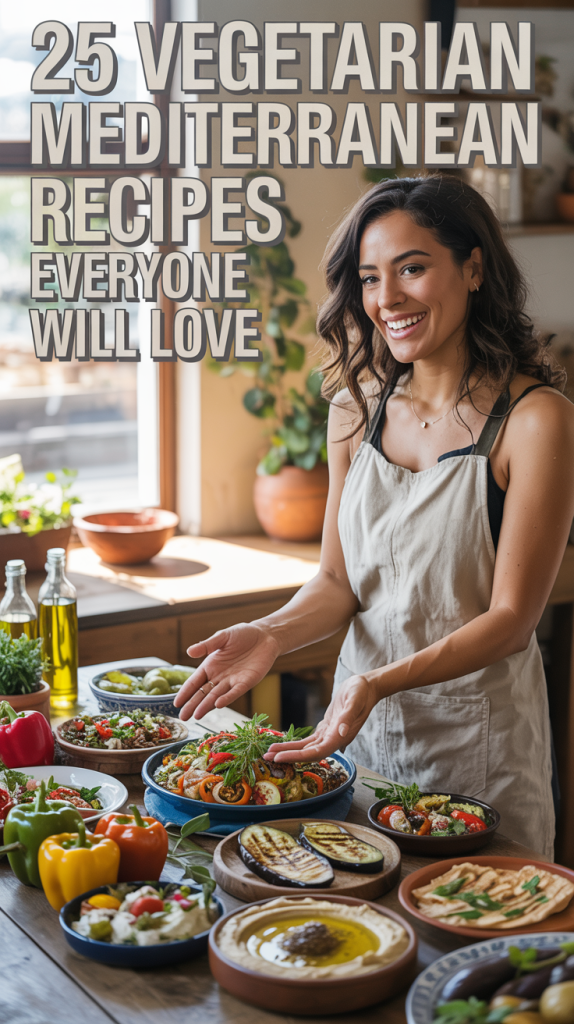
Each of these appetizers and dips provides a unique taste of Mediterranean cuisine, perfect for sharing and enjoying with friends.
Main Courses
Mediterranean main courses shine with rich flavors and wholesome ingredients. These dishes provide satisfying options that elevate any meal.
Hearty Vegetable Stews
Hearty vegetable stews form a cornerstone of Mediterranean cuisine, combining seasonal vegetables with robust spices. I love using ingredients like zucchini, bell peppers, and carrots, simmered in a flavorful broth. Each bowl often features staples such as chickpeas or lentils, adding protein and texture. Popular options include:
- Ratatouille: A classic French dish that blends eggplant, tomatoes, zucchini, and bell peppers, seasoned with herbs de Provence.
- Caponata: A Sicilian stew with eggplant, tomatoes, olives, and capers, offering a sweet and sour flavor profile.
- Harira: A Moroccan soup filled with lentils, chickpeas, and fresh herbs, often served during Ramadan.
These stews are not only satisfying but also packed with nutrients and vibrant flavors.
Flavorful Grain Bowls
Flavorful grain bowls provide a nutritious base for creativity. Common grains like quinoa, farro, or bulgur serve as a foundation for various toppings. My favorite combinations include:
- Mediterranean Quinoa Bowl: Quinoa mixed with cherry tomatoes, cucumber, parsley, and feta, drizzled with olive oil and lemon juice.
- Farro Salad: Cooked farro paired with roasted vegetables, such as sweet potatoes and Brussels sprouts, tossed in a balsamic vinaigrette.
- Bulgur Tabbouleh: A refreshing mix of bulgur, chopped parsley, mint, tomatoes, and a lemony dressing.
These grain bowls are versatile, allowing for seasonal variations and personal preferences while remaining healthy and delicious.
Salads and Sides
Mediterranean salads and side dishes offer a vibrant mix of flavors and textures, making them perfect for any meal. These dishes showcase fresh ingredients and complement main courses beautifully.
- Greek Salad
Ingredients include cucumbers, tomatoes, red onions, Kalamata olives, and feta cheese, dressed with olive oil and oregano. This classic combination highlights the Mediterranean’s crisp vegetables and tangy cheese. - Mediterranean Chickpea Salad
Ingredients incorporate chickpeas, bell peppers, red onion, and parsley, tossed in a lemony dressing. This protein-packed salad delivers nutrition alongside a refreshing taste. - Tabbouleh
Ingredients consist of parsley, mint, tomatoes, and bulgur wheat, mixed with olive oil and lemon juice. This dish provides a zesty herb flavor that complements heavier meals. - Fattoush
Ingredients include mixed greens, tomatoes, radishes, and crispy pita chips, dressed in a tangy sumac vinaigrette. This salad adds crunch and brightness to any dining experience. - Roasted Beet and Arugula Salad
Ingredients feature roasted beets, baby arugula, goat cheese, and walnuts, drizzled with balsamic glaze. This combination balances earthy flavors with creamy textures.
Refreshing Salad Combinations
- Greek Salad
Ingredients include cucumbers, tomatoes, red onions, Kalamata olives, and feta cheese, dressed with olive oil and oregano. This classic combination highlights the Mediterranean’s crisp vegetables and tangy cheese. - Mediterranean Chickpea Salad
Ingredients incorporate chickpeas, bell peppers, red onion, and parsley, tossed in a lemony dressing. This protein-packed salad delivers nutrition alongside a refreshing taste. - Tabbouleh
Ingredients consist of parsley, mint, tomatoes, and bulgur wheat, mixed with olive oil and lemon juice. This dish provides a zesty herb flavor that complements heavier meals. - Fattoush
Ingredients include mixed greens, tomatoes, radishes, and crispy pita chips, dressed in a tangy sumac vinaigrette. This salad adds crunch and brightness to any dining experience. - Roasted Beet and Arugula Salad
Ingredients feature roasted beets, baby arugula, goat cheese, and walnuts, drizzled with balsamic glaze. This combination balances earthy flavors with creamy textures.
Perfect Side Dishes
- Spanakopita
Ingredients involve phyllo pastry filled with spinach and feta cheese. This flaky treat serves as a delightful side that enhances any Mediterranean meal. - Grilled Vegetable Platter
Ingredients comprise eggplant, zucchini, bell peppers, and asparagus, drizzled with olive oil and herbs. Grilling brings out natural flavors, adding a smoky element to your table. - Stuffed Grape Leaves (Dolmas)
Ingredients combine rice, pine nuts, and herbs wrapped in grape leaves. This stuffed dish acts as a savory companion that adds depth to your meal. - Ratatouille
Ingredients include zucchini, bell peppers, eggplant, and tomatoes, stewed with fresh herbs. This hearty vegetable medley showcases the season’s best produce. - Mediterranean Couscous
Ingredients feature couscous mixed with roasted vegetables, olives, and lemon zest. This light, fluffy side serves as an excellent base, pairing well with flavorful mains.
Desserts
Mediterranean desserts offer a delightful end to any meal, highlighting fresh ingredients and rich flavors. These sweet treats are sure to please everyone.
Sweet Treats to End the Meal
- Baklava: Baklava consists of layers of phyllo pastry filled with chopped nuts and sweetened with honey or syrup. It’s a perfect blend of sweetness and texture.
- Pistachio Halva: Pistachio halva is a dense, sweet confection made primarily from ground pistachios and tahini. Its nutty flavor and crumbly texture make it irresistible.
- Ricotta Cheesecake: Crafted with creamy ricotta cheese, eggs, and sugar, ricotta cheesecake boasts a light texture. Topped with fresh berries, it’s a refreshing dessert option.
- Orange Olive Oil Cake: This moist cake combines the aroma of fresh oranges with the richness of olive oil. Served with a dusting of powdered sugar, it offers a unique Mediterranean twist.
- Fruit Salad with Honey and Mint: A vibrant fruit salad featuring seasonal fruits drizzled with honey and sprinkled with fresh mint delivers lightness and freshness. It highlights the natural sweetness of the fruit.
- Chocolate Covered Figs: Chocolate covered figs combine the sweetness of dried figs with rich chocolate. The combination makes for an elegant and simple treat.
- Mastihashop Mastiha Ice Cream: This unique ice cream uses mastiha, a resin from the mastic tree, offering a distinct flavor. Its creamy texture and aromatic profile provide a refreshing end to any Mediterranean meal.
- Semolina Cake: Semolina cake incorporates semolina flour, yogurt, and a sweet syrup. It’s a soft and moist dessert that pairs well with tea or coffee.
- Date and Almond Truffles: These energy-boosting truffles mix dates, almonds, and coconut for a sweet, nutritious bite-sized treat. They’re naturally sweetened and packed with flavor.
- Gulab Jamun: Although originally Indian, Mediterranean variations of gulab jamun consist of deep-fried dough balls soaked in syrup. Their sweet, fragrant syrup and soft texture create an indulgent experience.
Conclusion
Exploring the rich tapestry of Mediterranean cuisine has been a delightful journey. I hope these 25 vegetarian recipes inspire you to embrace the vibrant flavors and wholesome ingredients that define this culinary tradition. Whether you’re hosting a gathering or enjoying a quiet meal at home, these dishes offer something for everyone.
The emphasis on fresh, seasonal ingredients not only enhances taste but also promotes a healthier lifestyle. I encourage you to share these meals with family and friends to create memorable dining experiences. Dive into the world of Mediterranean cooking and savor the joy it brings to your table. Happy cooking!