
10 High-Fiber Foods for a Balanced Thyroid-Friendly Plate
Maintaining thyroid health is about more than medication and labs — it’s about building a balanced plate that supports metabolic health, steady energy, and a resilient gut. Fiber plays a central role in that balance: it helps stabilize blood sugar, supports healthy weight, feeds beneficial gut bacteria, and can even influence how your body responds to thyroid hormones. But if you have thyroid disease or take levothyroxine, it’s important to choose fiber sources and meal timing thoughtfully.
This guide lists 10 high-fiber foods that are both nutrient-dense and thyroid-friendly, explains how they help, and offers practical meal ideas you can use right away. I’ll also cover medication timing, goitrogen considerations, and simple recipes that combine several of these foods for satisfying, thyroid-supportive meals.
Why fiber matters for thyroid health (brief)
- Blood sugar control: Stable blood sugar reduces stress on metabolism and appetite regulation — helpful when thyroid function affects energy and weight.
- Gut health: Fiber feeds beneficial gut bacteria, which support immune regulation and nutrient absorption (including minerals relevant to thyroid function).
- Weight management: High-fiber foods tend to be more filling per calorie, which helps with portion control and sustainable weight goals.
- Bowel regularity: A common complaint with hypothyroidism is constipation; soluble and insoluble fiber can help normalize transit time.
Important caveats:
– Fiber can affect absorption of thyroid replacement medication (e.g., levothyroxine). Take medication on an empty stomach and separate it from high-fiber meals (see tips below).
– Some cruciferous vegetables (e.g., raw broccoli, kale, Brussels sprouts) contain goitrogens that can interfere with thyroid function if eaten in very large amounts raw. Cooking deactivates most of these compounds.
– Always coordinate diet changes with your endocrinologist or healthcare provider.
How to use this list
Below are 10 high-fiber foods chosen for their nutrient density and compatibility with thyroid-supportive diets. For each item you’ll find typical fiber content per serving, why it’s helpful, and practical tips for including it in meals.
The List — 10 High-Fiber, Thyroid-Friendly Foods
1. Lentils
- Fiber: ~15.6 g per cooked cup (198 g)
- Why they’re thyroid-friendly: Lentils are a plant-based protein and fiber powerhouse, offering soluble and insoluble fiber that supports blood sugar control and satiety. They’re also low in iodine-disrupting compounds and pair well with selenium-rich ingredients (e.g., Brazil nuts) to support thyroid function.
- How to use: Add cooked lentils to salads, soups, stews, or grain bowls. Rinse canned lentils to reduce sodium.
2. Chickpeas
- Fiber: ~12.5 g per cooked cup (164 g)
- Why they’re thyroid-friendly: Chickpeas provide fiber and resistant starch for gut health, plant protein for metabolic support, and are versatile in both hot and cold dishes. Roasting or sautéing reduces lectins while preserving fiber.
- How to use: Make hummus (use in small amounts if you’re spacing meds), roast chickpeas for snacks, or toss into salads.
3. Black beans
- Fiber: ~15 g per cooked cup (172 g)
- Why they’re thyroid-friendly: Black beans are rich in fiber and iron — useful if hypothyroidism coincides with anemia. They help stabilize blood sugar and improve fullness between meals.
- How to use: Puree into dips, add to grain bowls, soups, or quick tacos.
4. Oats
- Fiber: ~4 g per 1/2 cup dry (40 g); higher if you include toppings
- Why they’re thyroid-friendly: Oats contain soluble beta-glucan, which supports cholesterol regulation and a healthy microbiome. They’re naturally low in goitrogens and gentle on the stomach.
- How to use: Overnight oats, hot porridge, or savory oat bowls. Combine with seeds and fruit for a fiber boost.
5. Quinoa
- Fiber: ~5.2 g per cooked cup (185 g)
- Why they’re thyroid-friendly: Quinoa is a complete plant protein with more fiber than many refined grains. It’s gluten-free, nutrient-dense, and makes a satisfying base for bowls and salads.
- How to use: Use as a base for warm bowls with roasted veggies, or cold tabbouleh-style salads.
6. Chia seeds
- Fiber: ~10 g per tablespoon (12 g) — note: chia soaks up liquid and expands
- Why they’re thyroid-friendly: Chia seeds provide soluble fiber and omega-3 ALA that supports inflammation balance. They’re easy to add to smoothies, yogurt alternatives, and puddings.
- How to use: Make chia pudding, sprinkle on oats or salads, or blend into smoothies. Drink plenty of water with chia for best digestion.
7. Flaxseeds (ground)
- Fiber: ~3 g per tablespoon (7 g) ground
- Why they’re thyroid-friendly: Ground flax provides soluble and insoluble fiber, lignans (plant phytoestrogens), and omega-3 ALA. Ground seeds are best for absorption. Small amounts of phytoestrogens are usually fine, but discuss high-dose supplements with your provider.
- How to use: Stir into yogurt, smoothies, oatmeal, or use as an egg replacer in baking.
8. Raspberries
- Fiber: ~8 g per cup (123 g)
- Why they’re thyroid-friendly: Raspberries are a delicious high-fiber fruit with antioxidants and relatively low sugar. Eating whole fruit supplies fiber that moderates blood sugar impact compared with juices.
- How to use: Add to oatmeal, yogurt, or salads. Use as a fresh topping on chia pudding or baked goods.
9. Brussels sprouts (cooked)
- Fiber: ~4 g per cooked cup (156 g)
- Why they’re thyroid-friendly: Brussels sprouts are a cruciferous vegetable rich in fiber, vitamin C, and K. Cooking reduces goitrogenic activity substantially, making them an excellent thyroid-friendly choice when consumed cooked rather than raw in very large quantities.
- How to use: Roast with olive oil and lemon, sauté with garlic, or toss into grain bowls.
10. Sweet potatoes (with skin)
- Fiber: ~6.6 g per medium sweet potato (with skin, ~130 g)
- Why they’re thyroid-friendly: Sweet potatoes provide both soluble and insoluble fiber, beta-carotene (a vitamin A precursor), and complex carbs for steady energy. They are naturally low in goitrogens and pair well with protein-rich toppings.
- How to use: Bake, mash, or roast as a side or base for bowls. Keep the skin on for maximum fiber.
Practical thyroid-specific tips for fiber intake
- Timing with medication: Levothyroxine should be taken on an empty stomach, typically 30–60 minutes before breakfast or at least 3–4 hours after a high-fiber meal. Fiber can bind medication or slow absorption. Speak with your clinician to set a consistent schedule and to recheck TSH if you significantly change fiber intake.
- Hydration matters: When increasing fiber, drink more water. Fiber without adequate fluids may cause bloating or constipation.
- Introduce fiber gradually: To minimize gas and bloating, increase fiber over 1–2 weeks and diversify sources (soluble and insoluble).
- Food, not pills: Whole food sources offer vitamins, minerals, phytochemicals, and more gradual effects than fiber supplements. If you use a fiber supplement, discuss timing relative to medication.
- Cook cruciferous veggies: If you’re concerned about goitrogens, cook broccoli, cauliflower, kale, and Brussels sprouts; cooking reduces goitrogenic compounds substantially.
- Pair fiber with selenium and iodine awareness: Selenium (e.g., Brazil nuts, turkey) supports thyroid hormone conversion. Iodine is essential but excessive iodine (often from supplements or overuse of seaweed) can be harmful. Prioritize balanced, food-based sources and check labs with your provider.
Thyroid-friendly recipes and meal ideas
Below are three ready-to-use recipes that combine several of the high-fiber foods above. Each recipe lists ingredients and step-by-step instructions.
Recipe 1 — Lentil & Quinoa Thyroid-Friendly Bowl
A warm, protein- and fiber-rich bowl that’s satisfying for lunch or dinner. Uses lentils, quinoa, Brussels sprouts (cooked), and sweet potato.
Ingredients:
– 1 cup cooked lentils (or 1/2 cup dried, cooked)
– 1 cup cooked quinoa
– 1 medium sweet potato, cubed and roasted
– 2 cups Brussels sprouts, halved and roasted
– 2 tablespoons extra-virgin olive oil (divided)
– 1 tablespoon lemon juice
– 1/4 cup chopped fresh parsley
– Salt and black pepper to taste
– Optional: 2 tablespoons toasted pumpkin seeds or chopped walnuts
Instructions:
1. Preheat oven to 425°F (220°C). Toss cubed sweet potato with 1 tablespoon olive oil, salt, and pepper. Spread on a baking sheet and roast for 20–25 minutes until tender.
2. On a second baking sheet, toss halved Brussels sprouts with remaining olive oil and a pinch of salt. Roast for 18–22 minutes, turning once, until caramelized and cooked through.
3. While veggies roast, cook quinoa and lentils according to package directions, then season lightly.
4. In a large bowl, combine cooked quinoa, lentils, roasted sweet potato, and Brussels sprouts. Add lemon juice and parsley; toss to combine.
5. Top with pumpkin seeds or walnuts if using. Adjust seasoning and serve warm.
Notes: This bowl provides a balanced mix of fiber, plant protein, and nutrients. Add a small sprinkle of crumbled feta or a drizzle of tahini for extra flavor if you tolerate dairy or seeds.
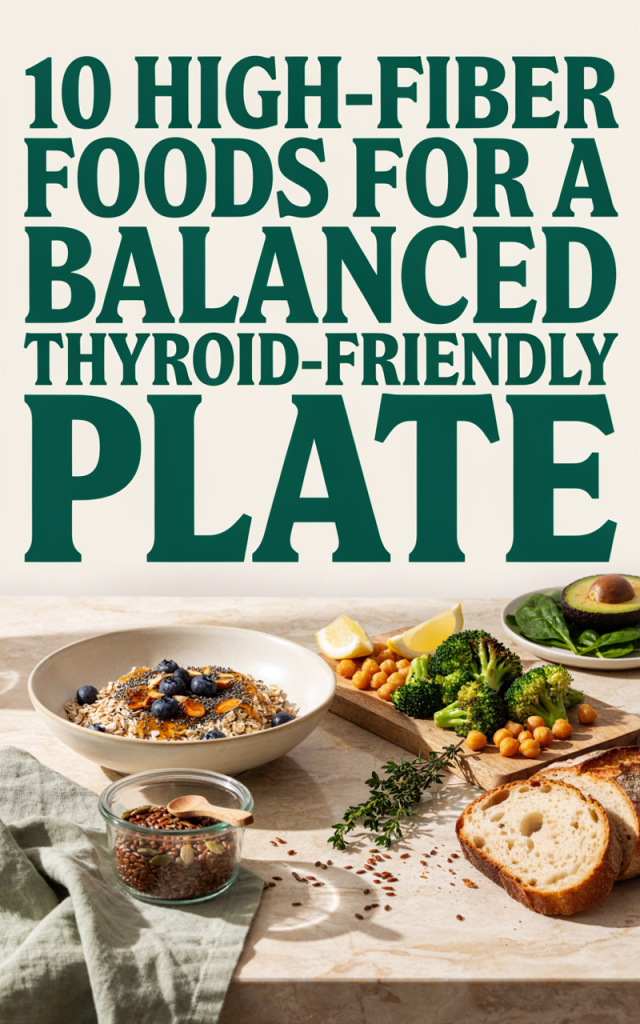
Recipe 2 — Overnight Oats with Chia & Flax (Thyroid-Friendly Breakfast)
A make-ahead, high-fiber breakfast that includes oats, chia, flax, and raspberries for a portable, steady-energy start.
Ingredients:
– 1/2 cup rolled oats
– 1 tablespoon chia seeds
– 1 tablespoon ground flaxseeds
– 1/2 to 3/4 cup unsweetened milk (dairy or plant-based)
– 1/2 cup raspberries (fresh or frozen)
– 1 teaspoon maple syrup or honey (optional)
– Pinch of cinnamon
– Optional toppings: sliced banana, nuts, or a spoonful of Greek yogurt (if tolerated)
Instructions:
1. In a jar or bowl, combine rolled oats, chia seeds, ground flax, and cinnamon.
2. Pour in milk and stir to combine. Add maple syrup if using.
3. Gently fold in half the raspberries; reserve the rest for topping.
4. Cover and refrigerate overnight (or at least 4 hours) for chia seeds and oats to soften.
5. In the morning, stir the oats, add additional milk if needed, top with remaining raspberries and optional toppings, and enjoy.
Notes: If you take levothyroxine, eat this meal at least 30–60 minutes after taking medication or as directed by your provider.
Recipe 3 — Roasted Chickpea & Black Bean Sweet Potato Salad
A hearty plate using sweet potato, chickpeas, black beans, and leafy greens for a filling fiber-forward meal.
Ingredients:
– 2 medium sweet potatoes, scrubbed and cubed
– 1 can chickpeas, rinsed and drained
– 1 can black beans, rinsed and drained
– 2 tablespoons olive oil
– 1 teaspoon smoked paprika
– 1/2 teaspoon cumin
– Salt and pepper to taste
– 4 cups mixed salad greens
– 1/4 cup chopped cilantro
– Juice of 1 lime
– Optional: 1/4 avocado sliced
Instructions:
1. Preheat oven to 425°F (220°C). Toss cubed sweet potato with 1 tablespoon olive oil, smoked paprika, cumin, salt, and pepper. Spread on a baking sheet and roast for 20–25 minutes until tender.
2. On a separate baking sheet, toss chickpeas with remaining olive oil, a pinch of salt, and pepper; roast for 12–15 minutes until crisp.
3. In a large bowl, combine roasted sweet potato, roasted chickpeas, black beans, mixed greens, and cilantro.
4. Squeeze lime juice over the salad, toss to combine, and top with sliced avocado if using.
5. Serve immediately while sweet potatoes are warm.
Notes: This is a flexible meal — add quinoa or a dollop of hummus for extra protein and creaminess.
Snack and meal-building ideas using the 10 foods
- Mid-morning snack: Apple or pear slices with 1 tablespoon ground flax and a tablespoon of almond butter (fiber + healthy fat).
- Smoothie: Unsweetened milk, a handful of raspberries, 1 tablespoon chia, 1 tablespoon ground flax, and a scoop of protein powder.
- Salad topper: Add 2 tablespoons roasted chickpeas + 1/4 cup cooked quinoa to a leafy salad for fiber and texture.
- Soup boost: Stir cooked lentils or black beans into vegetable soups to increase fiber and fullness.
- Porridge variation: Make savory oats with spinach, a soft-cooked egg, and a sprinkle of roasted Brussels sprouts for a non-sweet option.
(Each of the snack and meal ideas above maps to the fiber foods in the main list.)
Monitoring and adjusting — what to watch for
- Symptoms to track: energy levels, bowel regularity, bloating, weight trends, and any changes in thyroid symptoms (fatigue, hair changes, intolerance to cold). If you add significant fiber and later see changes in TSH or symptoms, speak with your clinician — medication dosing might need adjustment.
- Labs: If you change your fiber intake dramatically or start new supplements, consider rechecking thyroid function tests after a stable period to ensure optimal dosing.
- Supplement caution: Avoid high-dose fiber supplements immediately around your medication and discuss probiotic use with your provider if you have autoimmune thyroid disease.
Quick FAQs
Q: Will increasing fiber worsen my hypothyroidism?
A: Fiber itself doesn’t cause hypothyroidism, but it can interfere with absorption of oral thyroid medication if not timed properly. With appropriate timing and hydration, most people benefit from higher-fiber diets without problems.
Q: Should I avoid cruciferous vegetables?
A: No — cooked cruciferous vegetables are fine and nutritious. Avoid consuming very large amounts raw if you have iodine deficiency or unstable thyroid disease, and discuss dietary patterns with your clinician.
Q: How quickly should I increase fiber?
A: Gradually: add 5–10 grams per day over 1–2 weeks, and drink more water to reduce discomfort.
Conclusion
A thyroid-friendly plate can — and should — be high in fiber. The 10 foods listed here (lentils, chickpeas, black beans, oats, quinoa, chia seeds, flaxseeds, raspberries, cooked Brussels sprouts, and sweet potatoes) provide a mix of soluble and insoluble fiber, plant protein, micronutrients, and versatility. Combined thoughtfully, they support steady energy, gut health, and weight management — all important pieces when caring for your thyroid.
Small changes add up. Start by adding one high-fiber swap per day: toss lentils into a salad, sprinkle ground flax on your yogurt, or roast a sweet potato for dinner. Remember to time your thyroid medication properly, hydrate, and introduce fiber gradually. If you’re ever unsure about how dietary changes affect your thyroid labs or symptoms, your healthcare provider can help tailor a plan that fits your life and health goals.
You don’t need perfection — just progress. Build meals that make you feel good, honor your medication schedule, and enjoy the steady benefits that a fiber-forward, thyroid-aware diet can bring.


