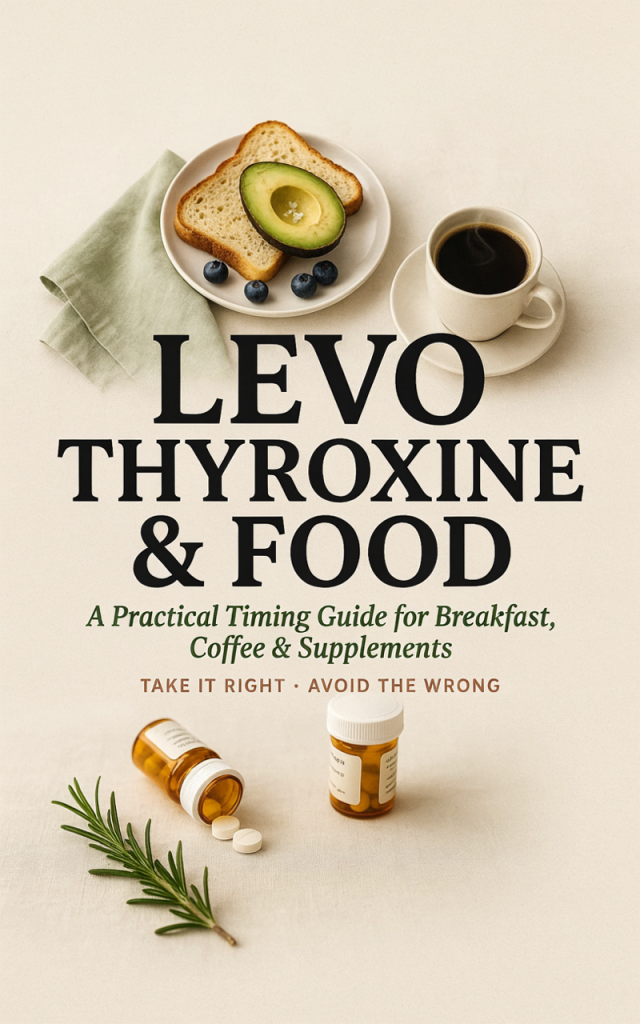
Levothyroxine and Food: A Practical Timing Guide for Breakfast, Coffee, and Supplements
Taking levothyroxine correctly can make a big difference in how well your thyroid replacement works. Small changes in timing and what you eat or drink around your dose can alter absorption and affect your thyroid-stimulating hormone (TSH) levels. This guide is a practical, evidence-based, and friendly walkthrough to help you time your levothyroxine with breakfast, coffee, and common supplements — plus breakfast ideas and recipes that fit real life.
You’ll learn:
– Why timing matters for levothyroxine absorption
– Clear rules for morning vs. bedtime dosing
– How soon you can have coffee or breakfast
– Which supplements and foods interfere, and how long to separate them
– Sample morning schedules and travel tips
– Breakfast ideas and simple recipes you can adopt easily
Whether you’re newly diagnosed, switching brands, or just want to optimize your routine, this guide will give you clear, actionable steps.
How levothyroxine is absorbed — the essentials
Levothyroxine (synthetic T4) is absorbed in the small intestine. Several factors influence how much gets into your bloodstream:
– Gastric acidity: an acidic stomach helps dissolve the tablet and release the active hormone.
– Intestinal contact time: food, fiber, and certain minerals can bind the drug or speed transit, reducing absorption.
– Interacting substances: calcium, iron, magnesium, antacids, soy, and some supplements and foods can significantly decrease how much levothyroxine is absorbed.
Because absorption can vary, consistent timing and a steady routine are critical for keeping your TSH stable and your symptoms controlled.
General timing rules (simple and practical)
- Take levothyroxine on an empty stomach with a full glass of water.
- Wait at least 30–60 minutes before eating breakfast. For most people, 60 minutes is the safer recommendation to maximize absorption.
- Wait at least 60 minutes before drinking coffee or tea (caffeinated or decaf). Coffee taken too soon can reduce absorption.
- If you take calcium, iron, magnesium, or antacid-containing products, separate them from levothyroxine by at least 4 hours.
- If you prefer to take levothyroxine at bedtime, take it at least 3 hours after your last meal and at least 2 hours before lying down (night dosing can be an effective alternative for some people).
- Keep your timing consistent every day — small routine changes can affect TSH labs.
Morning dosing vs. bedtime dosing — pros and cons
Morning dosing (most common)
– Pros: Fits many daily routines; easiest to remember if part of a morning routine.
– Cons: Requires waiting 30–60 minutes before breakfast/coffee — inconvenient for some.
Bedtime dosing (good alternative)
– Pros: Effective for people who can’t wait after taking medication or who regularly eat soon after waking. Studies show bedtime dosing may have similar or slightly improved absorption for some.
– Cons: Requires taking the pill at least 3 hours after the last meal and 2 hours before lying down. Sleep disruptions or late-night meals can interfere.
Discuss switching to bedtime dosing with your clinician and check TSH after a few weeks (4–6 weeks) after any change.
Coffee, tea, and beverages — timing specifics
- Coffee: Studies show taking levothyroxine and coffee at the same time reduces absorption significantly. Wait at least 60 minutes after levothyroxine before drinking coffee to minimize interaction.
- Tea: Tea (including black and green) contains tannins and may interfere—treat like coffee and wait 60 minutes.
- Milk: Milk contains calcium and may reduce absorption. Avoid milk within 60–120 minutes after levothyroxine; better to separate by 4 hours if you take calcium supplements frequently.
- Smoothies and protein shakes: Many contain soy, high amounts of fiber, or added minerals (calcium/iron) — avoid within 4 hours of your dose.
- Water: Use plain water to take levothyroxine (a full 8 oz / ~240 ml). Water does not interfere.
Quick strategy: if you’re not willing to wait for coffee, switch levothyroxine to bedtime or prepare a make-ahead breakfast to eat after the wait.
Supplements and foods that interfere (and separation times)
Certain supplements and foods are known to decrease levothyroxine absorption. Here’s the practical list and how long to separate them:
- Calcium supplements and calcium-rich antacids (e.g., Tums): separate by 4 hours.
- Iron supplements (ferrous sulfate, prenatal vitamins containing iron): separate by 4 hours.
- Magnesium supplements and antacids containing magnesium: separate by 4 hours.
- Aluminum-containing antacids and sucralfate: separate by 4 hours.
- Cholestyramine and sevelamer (prescription agents that bind bile acids): separate by at least 4–6 hours and discuss with your provider.
- Soy protein and soy-based foods/drinks: can reduce absorption; separate by several hours and aim for consistent timing.
- High-fiber meals and bran: can reduce absorption if eaten immediately after a dose — keep fiber consistent and consider waiting 60–120 minutes; heavy fiber supplements? Separate by 4 hours.
- Iron in multivitamins or in certain foods (e.g., fortified cereals): treat like supplemental iron — separate by 4 hours if possible.
- Fermented or very high-fiber plant foods (in large quantities): can have variable effects — consistency is key.
Important: Many people eat dairy (yogurt, milk) for breakfast. While dietary calcium is generally less disruptive than concentrated supplements, it can still reduce absorption if taken soon after levothyroxine. When in doubt, keep a 60–120 minute buffer, and separate supplements by 4 hours.
Biotin and lab interference (a special note)
Biotin (vitamin B7), commonly found in hair/nail supplements, doesn’t change levothyroxine absorption — but it can interfere with many thyroid lab assays, producing falsely high or low thyroid function tests. If you take biotin:
– Stop biotin at least 48–72 hours before thyroid blood tests if possible (some assays may require longer).
– Tell your clinician about biotin use so they can interpret labs correctly.
Practical morning schedules (choose one that fits you)
Here are real-world schedules you can try. Pick the one you’re most likely to stick with.
Early riser who wants coffee first
– 6:30 AM: Wake up, take levothyroxine with a glass of water.
– 7:30 AM: Coffee and breakfast (wait ~60 minutes).
– 11:30 AM: If you take calcium or iron supplements, take them mid-day (separated by 4 hours).
Busy parent who must eat immediately
– Option A: Take levothyroxine at bedtime (at least 3 hours after dinner) to avoid morning wait.
– Option B: Take medication right after waking, then prepare a grab-and-go breakfast you’ll eat after 60 minutes (or after you’ve had coffee).
Shift worker or irregular schedule
– Keep levothyroxine consistent relative to one of your main sleep/wake episodes: either always take in the morning after waking or always take at bedtime (3 hours after last meal). Consistency beats absolute time of day.
Travel tips
– Keep taking levothyroxine at your usual local time relative to sleep/wake rather than changing schedule with time zones. If flying east or west, use your phone alarm and local time to maintain consistent spacing from meals.
Breakfast ideas and meal planning — what to eat (and when)
The best approach is: take levothyroxine first with water, wait 60 minutes, then eat. If you take levothyroxine at bedtime, eat normally in the morning.
Here are breakfast ideas that work well once the appropriate waiting time has passed (or if you dose at bedtime). These are practical, thyroid-friendly choices; they’re not all recipes, but each idea is explicitly listed so you can pick what suits you.
Breakfast ideas:
1. Hard-boiled eggs with whole grain toast
2. Avocado and smoked salmon on whole grain or rye crispbread
3. Scrambled eggs with sautéed spinach and tomatoes
4. Overnight chia pudding (prepared the night before)
5. Greek yogurt parfait with berries and unsweetened granola (eat after wait if concerned about calcium)
6. Savory oatmeal with spinach, mushrooms, and a soft-boiled egg
7. Cottage cheese with fruit and a sprinkle of seeds (wait if worried about calcium)
8. Smoothie bowl made without iron-rich powders or soy (wait 4 hours if it contains iron or soy)
9. Quinoa breakfast bowl with nuts, berries, and a drizzle of honey
10. Peanut butter and banana on whole grain toast
11. Low-calorie fruit salad with a side of turkey or chicken slices
12. Make-ahead egg muffins (vegetable and egg cups)
13. Buckwheat pancakes (made ahead) with fresh fruit
14. Tofu scramble (if you consume soy, keep consistent and separate from dose)
15. Cottage-vegetable frittata (baked, sliced, and reheated)
Note: If you are taking calcium or iron supplements in the morning, move those to a different time (lunch or evening) and keep at least 4 hours separation.
Recipes — make-ahead and easy (ingredients + numbered instructions)
Below are four recipes designed to be convenient, nutritious, and easy to fit into a levothyroxine routine. Ingredients are bulleted and instructions are numbered, as requested.
Make-Ahead Vegetable Egg Muffins (makes 8–10 muffins)
Ingredients:
– 8 large eggs
– 1/3 cup milk or dairy-free milk (optional)
– 1 cup chopped spinach (fresh or frozen, squeezed dry)
– 1/2 cup diced bell pepper
– 1/2 cup diced onion
– 1/2 cup grated zucchini, squeezed dry
– 1/2 cup shredded cheddar or a dairy-free alternative (optional)
– 1/2 teaspoon salt
– 1/4 teaspoon black pepper
– Olive oil or nonstick spray for muffin tin
Instructions:
1. Preheat oven to 375°F (190°C). Lightly oil or spray a 12-cup muffin tin.
2. In a large bowl, whisk the eggs with milk, salt, and pepper.
3. Stir in the spinach, bell pepper, onion, zucchini, and cheese (if using).
4. Divide the mixture evenly into the muffin cups (about 3/4 full).
5. Bake 18–22 minutes, until set and slightly golden on top.
6. Cool, then store in an airtight container in the fridge for up to 5 days or freeze for longer storage. Reheat briefly to serve.
Tip: Take levothyroxine with water, wait 60 minutes, then reheat and eat a couple of muffins for a protein-rich breakfast.
Overnight Chia Pudding (single serving)
Ingredients:
– 3 tablespoons chia seeds
– 1 cup unsweetened almond milk (or preferred milk)
– 1/2 teaspoon vanilla extract
– 1 teaspoon maple syrup or honey (optional)
– 1/4 cup fresh berries or sliced banana for topping
Instructions:
1. In a jar or bowl, combine chia seeds, almond milk, vanilla, and sweetener.
2. Stir thoroughly to break up clumps and cover.
3. Refrigerate overnight (or at least 4 hours) until thickened.
4. Stir again in the morning and add fresh berries on top.
Tip: Because chia seed pudding is plant-based and usually low in calcium, it’s a convenient breakfast after the levothyroxine waiting period.
Savory Oatmeal with Spinach and Egg (single serving)
Ingredients:
– 1/2 cup rolled oats
– 1 cup water or low-sodium broth
– 1 cup fresh spinach, roughly chopped
– 1 large egg (fried, poached, or soft-boiled)
– 1 tablespoon grated Parmesan (optional)
– Salt and pepper to taste
– Chili flakes or hot sauce (optional)
Instructions:
1. In a small saucepan, bring water or broth to a simmer. Add oats and stir.
2. Cook for 5–7 minutes until creamy, stirring occasionally.
3. Stir in the chopped spinach and cook until wilted (1–2 minutes).
4. Season with salt and pepper. Transfer to a bowl.
5. Top with the egg and sprinkle with Parmesan or chili flakes as desired.
Tip: Oats are high in fiber, so ensure you’ve allowed the recommended wait after levothyroxine (60–120 minutes) or dose at bedtime if you prefer breakfast immediately.
Avocado & Smoked Salmon Toast (single serving)
Ingredients:
– 1 slice whole grain or sourdough bread, toasted
– 1/2 ripe avocado, mashed
– 2–3 slices smoked salmon
– Juice of 1/4 lemon
– Salt and pepper to taste
– Optional: thinly sliced red onion, capers, or fresh dill
Instructions:
1. Toast the bread to your liking.
2. Mash the avocado with lemon juice, salt, and pepper.
3. Spread the mashed avocado on the toast.
4. Top with smoked salmon and optional garnishes.
Tip: This savory breakfast is quick and lower in calcium than dairy-based options; still remember the 60-minute post-dose wait.
What to do when you miss a dose
- If you remember within a few hours and haven’t eaten, take it with water and continue your routine.
- If you’ve already eaten breakfast, wait until your next scheduled dose (do not double the dose to catch up).
- If you miss multiple doses or are unsure what to do, contact your clinician or pharmacist for guidance.
Switching brands, generics, or dosage changes
- Variability between brands and generic formulations can affect absorption for some people. If your pharmacy switches brands, or your clinician changes your dose, check TSH 6–8 weeks after the change.
- Keep your pharmacy informed that levothyroxine consistency matters — some people request the same manufacturer each refill.
Frequently asked questions
Can I take levothyroxine with juice?
– Avoid taking the pill with fruit juices (especially grapefruit) because juices can alter stomach pH or interact with absorption. Use water.
Can I take supplements with levothyroxine?
– Generally no. Separate calcium, iron, magnesium, and multivitamins by at least 4 hours. If you must take supplements in the morning, consider moving levothyroxine to bedtime.
Does food type matter if I take levothyroxine at bedtime?
– Yes. Bedtime dosing still requires that your last meal be at least 3 hours before the pill and be consistent. Very heavy or fatty late-night meals could alter absorption.
How soon should I check my TSH after changing my levothyroxine routine?
– Wait 6–8 weeks after a dose or timing change, then have TSH checked. Small adjustments take time to reflect on labs.
When to call your clinician
Contact your clinician if:
– You have persistent symptoms of hypo- or hyperthyroidism after being on a stable dose and consistent routine.
– You started or stopped calcium, iron, or other interacting medications/supplements.
– You were switched to a different levothyroxine brand or generic.
– You’re pregnant or planning pregnancy (thyroid needs change during pregnancy).
– You have sudden gastrointestinal illness or new medications that might affect absorption.
Final practical tips — make it easier
- Use a pillbox and set a phone alarm to keep timing consistent.
- Keep a water bottle by the bedside if you dose right after waking.
- Prepare breakfasts the night before (overnight chia, egg muffins, or pre-made grain bowls) so you can respect the waiting window.
- Log your brand, dose, and timing so your clinician can troubleshoot if labs drift.
- If coffee is essential first thing, consider bedtime dosing (after discussing with your clinician).
Conclusion
Levothyroxine works best when taken consistently on an empty stomach and separated from coffee, tea, and mineral-containing supplements. The simplest daily routines are:
– Take levothyroxine with water first thing, then wait 60 minutes for coffee and breakfast; or
– Take levothyroxine at bedtime at least 3 hours after dinner.
Separate calcium, iron, magnesium, and certain antacids by 4 hours. Keep your routine consistent, and check TSH 6–8 weeks after any change to dosing, brand, or timing. Use make-ahead breakfasts and realistic schedules to make adherence manageable. With small adjustments to timing and a few practical strategies, you can maximize absorption and help your thyroid replacement do its job — keeping you feeling your best.
If you have persistent symptoms or concerns about interactions with other medications or supplements, reach out to your clinician or pharmacist for personalized advice. You don’t have to do this perfectly; steady, consistent habits are what matter most.