What Should I Eat for Low Vitamin C? 18 Foods with More Vitamin C Than You Think
Vitamin C is one of those nutrients people know by name — but not everyone realizes how essential it is, how quickly stores can become depleted, or how many delicious foods supply it. If you’ve been told your vitamin C is low, or you suspect a deficiency because of fatigue, slow wound healing, or frequent colds, the good news is that dietary changes can often help quickly. This article walks through 18 foods that pack more vitamin C than you might expect, explains how much you need, offers practical tips to retain the vitamin during cooking, and includes simple, tasty recipes that make meeting your needs easy.
Whether you’re a time-pressed parent, a busy professional, or someone who just wants to feel better and prevent deficiencies, these approachable food ideas and meal tips will help. Read on for the list, serving suggestions, and three ready-to-make recipes that use high-vitamin C ingredients.
How much vitamin C do you need?
The Recommended Dietary Allowance (RDA) varies by age and life stage. Typical adult guidance:
– Adult men: about 90 mg/day
– Adult women: about 75 mg/day
– Pregnant people: about 85 mg/day
– Breastfeeding: about 120 mg/day
– Smokers: add about 35 mg/day (smoking increases oxidative stress and vitamin C turnover)
Upper intake: the tolerable upper intake level (UL) for adults is about 2,000 mg/day — higher intakes can cause gastrointestinal upset in some people. For most people, getting vitamin C from food is safe and effective.
Why vitamin C matters (and how deficiency looks)
Vitamin C (ascorbic acid) is vital for:
– Collagen synthesis (skin, blood vessels, bones)
– Immune function and antioxidant protection
– Iron absorption from plant foods
– Wound healing and tissue repair
Symptoms of low vitamin C can include fatigue, irritability, bruising easily, slow wound healing, dry skin, and in severe, prolonged cases, scurvy (gum bleeding, loosening teeth, joint pain). Mild deficiency can often be corrected with diet alone.
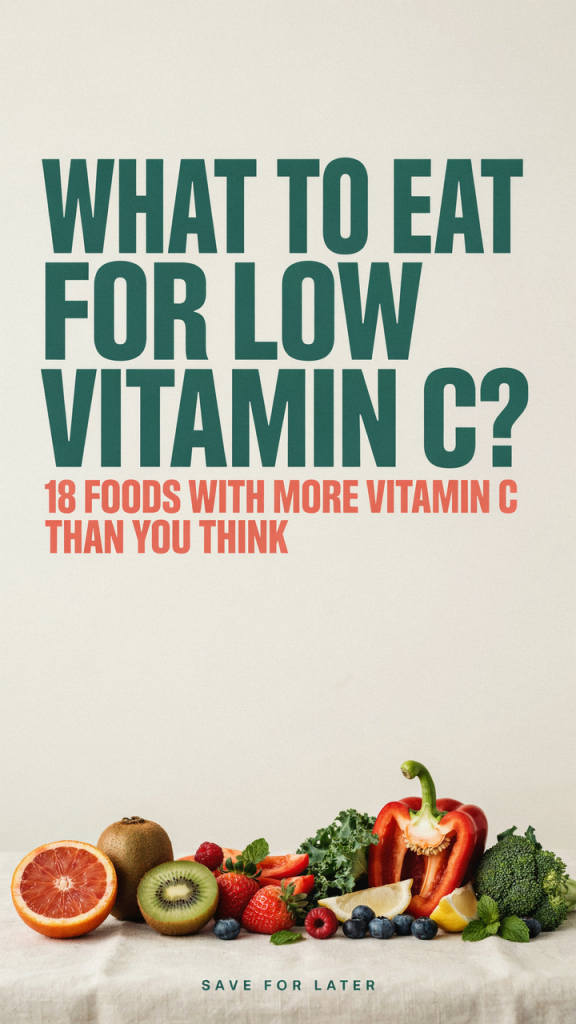
18 Foods with More Vitamin C Than You Think
Below are 18 foods — many commonly available — that contain substantial vitamin C. I’ve included approximate vitamin C content and practical tips for enjoying each one in ways that preserve the nutrient.
1) Red bell pepper
Approx. vitamin C: ~120–150 mg per cup, chopped (raw)
Why it’s one of the best: Red bell peppers are richer in vitamin C than most citrus fruits. Eat them raw in salads, as crunchy snacks, or lightly sauté to keep vitamin C loss minimal.
Serving idea: Slice into sticks with hummus or add raw to grain bowls.
2) Guava
Approx. vitamin C: ~200–250 mg per cup (raw, cubed)
Why it’s surprising: A single guava can contain more vitamin C than an orange. It’s sweet, tart, and great in smoothies or salsas.
Serving idea: Chop into fruit salads or blend into a smoothie.
3) Kiwi
Approx. vitamin C: ~60–90 mg per medium kiwi
Why it’s a winner: Small but mighty — kiwis provide a concentrated vitamin C boost and add tang to yogurt and salads.
Serving idea: Slice over oatmeal or eat whole for a portable snack.
4) Strawberries
Approx. vitamin C: ~85–90 mg per cup, halved
Why it’s smart: Strawberries are familiar and versatile. Use them in breakfast bowls or as a fresh dessert to help reach your daily vitamin C goal.
Serving idea: Fold into yogurt or blend into smoothies.
5) Orange (and other citrus)
Approx. vitamin C: ~70–90 mg per medium orange
Why it’s classic: Oranges, grapefruits, lemons, and limes are well-known sources — great for juices, dressings, and flavoring salads. Whole fruit is preferable to juice for added fiber.
Serving idea: Add orange segments to salads or snack on a whole orange.
6) Papaya
Approx. vitamin C: ~80–90 mg per cup, cubed
Why it’s excellent: Papaya is tropical, aromatic, and rich in vitamin C and digestive enzymes. It’s great in fruit salads, salsas, or smoothies.
Serving idea: Make a papaya-lime salsa for fish or chicken.
7) Brussels sprouts
Approx. vitamin C: ~75–100 mg per cup, raw (cooked varies)
Why it’s notable: Brussels sprouts are often thought of for fiber and vitamin K, but they also provide vitamin C. Roast or steam briefly to retain nutrients.
Serving idea: Roast with a touch of olive oil and finish with lemon zest.
8) Broccoli
Approx. vitamin C: ~80–90 mg per cup, raw (cooking reduces some)
Why it’s reliable: A cruciferous staple, raw or lightly steamed broccoli preserves vitamin C best. Add to salads, stir-fries, or soups.
Serving idea: Blanch and toss with a vinaigrette.
9) Kale
Approx. vitamin C: ~60–120 mg per cup, chopped (varies with type and measurement)
Why it’s surprising: Kale is commonly celebrated for vitamin K and A, but it also supplies vitamin C — especially when eaten raw in salads or smoothies.
Serving idea: Massage raw kale with lemon juice and olive oil for a nutrient-dense salad.
10) Pineapple
Approx. vitamin C: ~50–60 mg per cup, chunks
Why it’s tasty: Pineapple adds tropical sweetness and vitamin C to salsas, marinades, and desserts. Use fresh rather than canned to maximize vitamin content.
Serving idea: Grill pineapple rings and serve with yogurt or on tacos.
11) Mango
Approx. vitamin C: ~45–60 mg per cup, sliced
Why it’s sweet: Mangoes are a delicious way to add vitamin C to breakfast bowls, salads, or smoothies.
Serving idea: Dice into salsas for grilled fish or chicken.
12) Acerola cherries (Barbados cherries)
Approx. vitamin C: extremely high — hundreds to thousands of mg per 100 g (varies), often used in small amounts or supplements
Why it’s a powerhouse: Acerola is one of the richest natural sources of vitamin C. Fresh or as a powder/extract, small servings provide a big boost. Use carefully — they are tart and perishable.
Serving idea: Use acerola powder sparingly in smoothies or juices.
13) Camu camu (powder)
Approx. vitamin C: extremely high — often >1,000 mg per 100 g in the fresh fruit; powdered forms are concentrated
Why it’s a superfood: Camu camu powder (an Amazonian berry) is a concentrated vitamin C source. A small teaspoon can add a significant dose to a smoothie.
Serving idea: Stir a small amount into smoothies or yogurt.
14) Baked potato (with skin)
Approx. vitamin C: ~15–20 mg for a medium potato (skin on; cooked)
Why it’s underrated: Potatoes contain vitamin C, especially near the skin. Baking with the skin on preserves more vitamin C than peeling and boiling.
Serving idea: Roast or bake with herbs and enjoy with a side of raw salad.
15) Cauliflower
Approx. vitamin C: ~45–50 mg per cup, raw
Why it’s adaptable: Raw cauliflower is crunchy and vitamin-C rich; lightly steaming preserves more of the vitamin than prolonged boiling.
Serving idea: Use raw in salads or quickly roast for a warm side.
16) Tomato (and tomato juice)
Approx. vitamin C: ~15–25 mg per medium tomato; juice can concentrate vitamin C depending on preparation
Why it’s familiar: Tomatoes and tomato products provide moderate vitamin C and are easy to incorporate into everyday meals.
Serving idea: Eat fresh tomato slices on sandwiches or include in sauces (shorter cooking times preserve more vitamin C).
17) Parsley
Approx. vitamin C: ~130–180 mg per 100 g (herbs are dense in vitamin C but consumed in smaller amounts)
Why it’s surprising: Fresh herbs like parsley are nutritional powerhouses — a small sprinkle adds flavor and a vitamin C boost.
Serving idea: Chop generously into salads, salsas, or as a finishing herb for cooked dishes.
18) Snap peas (sugar snap peas)
Approx. vitamin C: ~60 mg per cup, raw
Why it’s crisp and vitamin-rich: Snap peas are crunchy, sweet, and perfect raw or quickly sautéed. They’re great in salads, bowls, and as snacks.
Serving idea: Snack on raw with hummus or add to stir-fries at the end.
How to get the most vitamin C from these foods
- Eat them raw when possible: Vitamin C is water-soluble and heat-sensitive. Raw fruits and vegetables preserve the most.
- Favor quick, gentle cooking: Steaming, microwaving, or quick sautéing retains more vitamin C than boiling.
- Cut just before eating: Vitamin C degrades when exposed to air and light. Chop produce shortly before consuming.
- Store properly: Keep most fruits and vegetables refrigerated; some (like bananas and potatoes) are best kept cool and dark.
- Combine with iron-rich plant foods: Vitamin C enhances non-heme iron absorption — pair a spinach salad with strawberries or bell peppers for better iron uptake.
Quick recipes and meal ideas
Below are three simple recipes that combine several of the foods above into tasty, vitamin-C-rich meals. Each recipe lists ingredients as bullets and preparation steps as numbered instructions so you can get cooking quickly.
Recipe 1 — Vitamin C Boost Smoothie
Ingredients:
– 1 cup fresh or frozen strawberries
– 1 kiwi, peeled and sliced
– 1/2 cup chopped papaya or mango
– 1/2 cup spinach or kale (packed)
– 1/2 cup plain yogurt or a plant-based alternative
– 1/2 cup water or coconut water
– 1 teaspoon camu camu or acerola powder (optional, for an extra boost)
– Ice as desired
Instructions:
1. Add the strawberries, kiwi, papaya or mango, and greens to a blender.
2. Pour in the yogurt and water (or coconut water).
3. Add the optional camu camu or acerola powder if using.
4. Blend until smooth, adding ice to reach your desired consistency.
5. Serve immediately to maximize vitamin C retention.
This smoothie uses several high-vitamin-C foods and is ideal for breakfast or a snack.
Recipe 2 — Roasted Brussels, Red Pepper & Potato Bowl
Ingredients:
– 2 cups Brussels sprouts, halved
– 1 red bell pepper, sliced
– 1 medium baking potato, cut into 1-inch cubes (skin on)
– 2 tablespoons olive oil
– Salt and pepper to taste
– 1 tablespoon lemon juice
– 1 tablespoon chopped fresh parsley
– Optional: cooked quinoa or brown rice to serve
Instructions:
1. Preheat oven to 425°F (220°C).
2. Toss Brussels sprouts, red bell pepper, and potato cubes with olive oil, salt, and pepper.
3. Spread on a rimmed baking sheet in a single layer.
4. Roast for 25–30 minutes, stirring once or twice, until vegetables are tender and lightly browned.
5. Remove from oven, drizzle with lemon juice, and sprinkle with chopped parsley.
6. Serve on a bed of quinoa or brown rice if desired.
Tip: Roast until just tender to preserve vitamin C; overcooking reduces content.
Recipe 3 — Citrus, Tomato & Parsley Salad
Ingredients:
– 2 medium oranges, segmented (or 1 orange + 1/2 grapefruit)
– 1 large ripe tomato, chopped
– 1/4 cup chopped fresh parsley
– 1/4 small red onion, thinly sliced
– 1 tablespoon extra-virgin olive oil
– 1 teaspoon lemon or lime juice
– Salt and pepper to taste
Instructions:
1. Segment the oranges and place in a mixing bowl with chopped tomato and sliced red onion.
2. Add chopped parsley.
3. Drizzle olive oil and lemon or lime juice over the salad.
4. Gently toss to combine and season with salt and pepper.
5. Serve immediately as a bright, vitamin-C-rich side.
This salad is fast, packable, and pairs well with grilled fish or poultry.
Meal-planning tips to correct low vitamin C quickly
- Start each day with fruit: A citrus fruit, kiwi, or a smoothie sets a vitamin C-rich tone.
- Add raw chopped peppers to sandwiches and salads daily.
- Use herbs like parsley liberally as a finishing touch to increase intake without much volume.
- Include a cup of raw berries or diced papaya with breakfast or as a snack.
- Keep easy-to-eat options ready: pre-washed strawberries, chopped bell peppers, or washed snap peas in the fridge make snacking simple.
Practical considerations and safety
- Supplements can be useful when diet alone isn’t enough, but food-first is ideal. If you have a clinically low level, your healthcare provider may recommend a short course of supplementation.
- If you take iron supplements or have conditions that affect absorption, discuss vitamin C strategies with your clinician — vitamin C can enhance iron uptake, which is usually beneficial, but individualized advice is best.
- People with certain kidney conditions or a history of kidney stones should consult a healthcare provider before taking high-dose vitamin C supplements.
When to see a healthcare professional
If you have persistent symptoms such as unexplained bruising, gum bleeding, or poor wound healing, or if blood tests show low vitamin C levels, see your healthcare provider. Severe deficiency (scurvy) requires prompt medical treatment. Also check with your provider before using concentrated powders like camu camu or acerola supplements, especially if you take medications or have underlying health conditions.
Conclusion
Low vitamin C is correctable — and deliciously so. Many everyday fruits, vegetables, and even herbs contain more vitamin C than people expect. Red bell peppers, guava, kiwi, strawberries, broccoli, parsley, and some concentrated superfoods like acerola and camu camu provide fast, effective ways to raise intake. Focus on raw or gently cooked preparations, combine vitamin-C-rich foods with iron sources when needed, and use the simple recipes above to make getting vitamin C easy and enjoyable.
Start small: swap a snack for a kiwi, add some raw bell pepper to lunch, or blend a vitamin C smoothie for breakfast. Within days to weeks you may notice improvements in energy and immune resilience. If symptoms are severe or you’re unsure about the right plan for you, reach out to a healthcare professional — and keep enjoying fresh, colorful foods along the way.