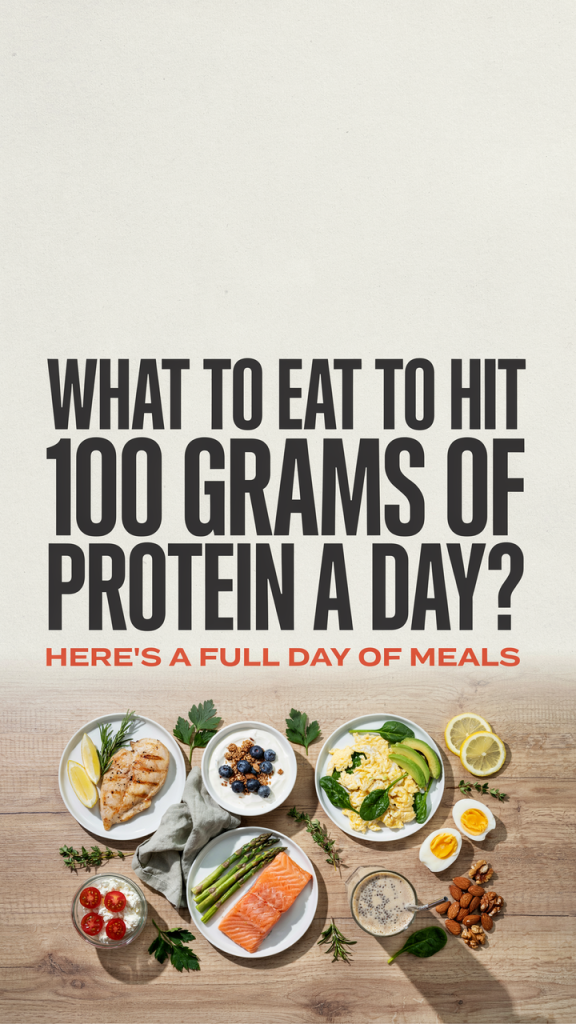
What Should I Eat to Hit 100 Grams of Protein a Day? Here’s a Full Day of Meals
Protein is one of the most talked-about nutrients in fitness, weight loss, and general health circles — and for good reason. It supports muscle repair and growth, keeps you feeling full longer, helps maintain metabolic health, and supports immune function. If your target is 100 grams of protein per day, this full-day meal plan lays out a realistic, tasty, and flexible approach to hit (or exceed) that target with whole foods and simple recipes.
In this article you’ll find:
– A quick explanation of why 100 g might be a target for you
– A full day of meals with protein counts for each item
– Simple recipes with ingredient lists and step-by-step instructions
– Tips and substitutions so you can scale protein up or down
– Practical advice on timing, snacks, and tracking
Let’s dig in.
Why aim for 100 grams of protein a day?
Hitting a round number like 100 g makes planning easier. Whether you’re trying to build muscle, keep lean mass while losing weight, or simply make sure you meet daily needs, 100 g is a solid middle ground for many active adults. How much protein you actually need depends on body weight, activity level, age, and goals:
- Sedentary adults: ~0.36 g per lb (0.8 g/kg)
- Active or strength-training adults: 0.6–1.0 g per lb (1.3–2.2 g/kg) often recommended
- Older adults: higher intakes help preserve muscle
A 100 g/day target suits many people who exercise regularly, weigh roughly 150–180 lb, or want a straightforward daily goal. If you weigh less or don’t exercise much, you can scale portions down. If you weigh more or train hard, you may need more.
Full day of meals to hit ~100 g protein (flexible and realistic)
Below is a full day of meals that together provide roughly 100–125 g of protein depending on exact portions and brands. I include approximate protein amounts next to each item so you can see the math. If you want to exactly hit 100 g, follow the adjustment tips at the end.
Protein math summary (approximate)
- Breakfast: Greek yogurt protein bowl — ~30 g
- Mid-morning snack: Whey protein smoothie — ~24 g
- Lunch: Grilled chicken & quinoa salad — ~30 g
- Afternoon snack: Cottage cheese + almonds — ~16 g
- Dinner: Salmon, sweet potato, broccoli — ~22 g
Rough total: ~122 g. Plenty of flexibility below to increase or decrease any portion.
Breakfast — Greek Yogurt Protein Bowl (≈30 g protein)
Start the day with a creamy, fast, high-protein bowl that tastes like dessert but fuels your morning.
Ingredients:
– 1 cup plain nonfat Greek yogurt (≈23 g protein)
– 1/4 cup rolled oats (≈3 g protein)
– 1 tbsp almond butter (≈3.5 g protein)
– 1/4 cup mixed berries (strawberries/blueberries) (optional)
– 1 tsp honey or maple syrup (optional)
– Pinch of cinnamon (optional)
Instructions:
1. Spoon the Greek yogurt into a bowl.
2. Stir in the rolled oats and almond butter until well combined.
3. Top with mixed berries and a light drizzle of honey, then sprinkle with cinnamon.
4. Eat immediately or refrigerate for 10–15 minutes to soften the oats.
Why this works: Greek yogurt delivers high-quality complete protein, oats add a bit of slow-digesting carbs and extra protein, and almond butter adds a touch of fat and flavor to increase satiety.
Mid-morning snack — Whey Protein Smoothie (≈24 g protein)
Quick, portable, and reliable — a protein shake fills gaps and keeps you fueled until lunch.
Ingredients:
– 1 scoop whey protein powder (≈24 g protein; can vary by brand)
– 8–12 oz unsweetened almond milk or water (≈1 g protein with almond milk)
– 1/2 banana or 1/2 cup frozen berries (optional)
– Handful of spinach (optional — adds micronutrients, minimal flavor)
– Ice (optional)
Instructions:
1. Add whey powder, liquid, banana/berries, spinach, and ice to a blender.
2. Blend 30–45 seconds until smooth.
3. Pour into a bottle and enjoy.
Why this works: Whey is fast-absorbing and convenient. If you prefer plant-based protein, pea or soy protein powders typically provide 15–25 g per scoop.
Lunch — Grilled Chicken & Quinoa Salad (≈30 g protein)
A balanced lunch with lean protein, complex carbs, and fiber-rich vegetables.
Ingredients:
– 3–4 oz cooked grilled chicken breast (≈26–35 g protein depending on size)
– 1/2 cup cooked quinoa (≈4 g protein)
– 2 cups mixed salad greens
– 1/2 cup cherry tomatoes, halved
– 1/4 cup diced cucumber
– 1 tbsp olive oil + 1 tbsp lemon juice (or your favorite dressing)
– Salt and pepper to taste
– Optional: 1–2 tbsp feta cheese or toasted seeds
Instructions:
1. Slice or dice the cooked chicken breast and set aside.
2. Combine mixed greens, cherry tomatoes, cucumber, and quinoa in a bowl.
3. Add chicken on top, drizzle with olive oil and lemon juice, and season with salt and pepper.
4. Toss gently and sprinkle with feta or seeds if desired.
Why this works: Chicken is a staple lean protein source. Quinoa contributes plant-based protein and keeps the meal filling.
Afternoon snack — Cottage Cheese & Almonds (≈16 g protein)
A simple, nutrient-dense snack that bridges lunch and dinner with minimal prep.
Ingredients:
– 1/2 cup low-fat cottage cheese (≈12–14 g protein)
– 10 raw almonds (≈2–3 g protein)
– A few slices of peach or a drizzle of honey (optional)
Instructions:
1. Scoop cottage cheese into a small bowl.
2. Top with almonds and fruit or honey if you like a touch of sweetness.
3. Eat with a spoon.
Why this works: Cottage cheese is packed with casein protein — slower-digesting and great for satiety. Pairing with almonds adds healthy fats and texture.
Dinner — Pan-Seared Salmon, Sweet Potato & Broccoli (≈22 g protein)
A complete meal with omega-3s, fiber, and protein. Adjust salmon portion to change protein intake.
Ingredients:
– 3 oz salmon fillet (≈17 g protein; increase to 4 oz for ≈22–25 g)
– 1 small sweet potato, baked or roasted (≈2 g protein)
– 1 cup steamed broccoli (≈3 g protein)
– 1 tsp olive oil
– Salt, pepper, lemon wedge, and herbs (dill or parsley) to taste
Instructions:
1. Preheat oven to 400°F (200°C) for the sweet potato, or microwave until tender.
2. Season the salmon with salt, pepper, and herbs.
3. Heat 1 tsp olive oil in a nonstick skillet over medium-high heat. Add salmon skin-side down and cook 3–5 minutes per side until cooked through.
4. Steam or blanch the broccoli for 3–4 minutes until bright green and tender-crisp.
5. Plate the salmon with the sweet potato and broccoli; squeeze lemon over the fish and serve.
Why this works: Salmon is rich in protein and heart-healthy fats. Paired with fiber from sweet potato and broccoli, this is a satisfying evening meal.
Optional evening mini-snack or dessert — Chocolate Protein Mug Cake (~10–15 g if desired)
If you want a little dessert, a protein mug cake lets you add a few extra grams without much fuss.
Ingredients:
– 1 scoop chocolate protein powder (≈20–24 g protein) — or use 1/2 scoop for lower protein
– 1 egg white (≈3–4 g protein)
– 2 tbsp almond flour or 2 tbsp oats (≈2–3 g)
– 1 tbsp unsweetened cocoa powder
– 2–3 tbsp water or almond milk
– 1/4 tsp baking powder
– Optional: pinch of salt and sweetener to taste
Instructions:
1. In a microwave-safe mug, mix protein powder, almond flour/oats, cocoa powder, and baking powder.
2. Stir in egg white and liquid until smooth.
3. Microwave 45–70 seconds (time varies) until set but still moist.
4. Let cool slightly and enjoy warm.
Note: Adjust the scoop size to control protein. Using a full scoop adds 20+ g; half scoop adds 10–12 g.
Total protein and how to tweak it
Using the approximate values above, the day’s plan provides roughly 110–125 g of protein. If you want to exactly “hit” 100 g, here’s how to adjust simply:
- Reduce the whey protein scoop to 2/3 (if 24 g scoop → ~16 g).
- Use 3 oz chicken instead of 4 oz, or skip the optional feta cheese.
- Have 1/3 cup cottage cheese instead of 1/2 cup.
- Use 3 oz salmon only if you had a larger lunch portion — remove the salmon if you’re already at 100 g earlier.
Small portion tweaks above let you dial the total up or down by 5–25 g.
Substitutions and vegetarian options
Not eating meat or dairy? No problem. Here are swaps that keep protein high.
High-protein vegetarian swaps:
– Replace chicken with 1 cup cooked lentils (≈18 g) + 1/2 cup tempeh (≈15 g) spread across meals.
– Use Greek-style soy yogurt or high-protein plant yogurt (check labels; some have 10–15 g per cup).
– Use pea protein powder (≈20 g per scoop) in smoothies.
Vegan full-day example (approximate):
– Breakfast: Tofu scramble with nutritional yeast (1/2 block tofu ≈ 12 g + yeast ≈ 4 g) and toast
– Smoothie: Pea protein scoop ≈ 20 g
– Lunch: Lentil-quinoa salad ≈ 18–20 g
– Snack: Hummus + edamame (1/2 cup edamame ≈ 8–9 g)
– Dinner: Tempeh stir-fry 4 oz ≈ 21 g
Practical tips to reliably hit protein targets
- Weigh portions occasionally. A kitchen scale helps make protein counts accurate.
- Use protein powder strategically. One scoop adds a big, reliable chunk with minimal prep.
- Spread protein across meals. Research suggests muscle protein synthesis benefits from even protein distribution (roughly 20–40 g per meal).
- Choose high-quality sources. Combine animal and plant proteins or pair cereals with legumes to ensure amino acid completeness.
- Plan snacks ahead. Pre-portion cottage cheese, nuts, or jerky so you don’t default to low-protein options.
- Read labels. Greek yogurts and cottage cheese vary from 10–24 g per container depending on brand and type.
Common FAQ
Q: Is 100 g too much protein for my kidneys?
A: For healthy individuals, intakes up to about 2 g/kg body weight are generally safe. People with kidney disease should consult a healthcare provider. Staying well-hydrated supports normal kidney function while eating higher protein.
Q: Will eating 100 g of protein make me gain weight?
A: Protein is not inherently fattening; weight gain depends on excess calories. Protein increases satiety and thermic effect of food, which can help with weight control when used smartly.
Q: Should I aim for more protein if I lift heavy?
A: Many strength-trained athletes aim for 1.2–2.2 g/kg. If you’re lifting heavy and recovering poorly, increasing protein modestly can help.
Grocery list (basic)
- Plain nonfat Greek yogurt
- Whey or plant protein powder
- Eggs
- Chicken breast or plant-based alternative
- Salmon or alternative fish/tempeh
- Quinoa
- Oats
- Cottage cheese
- Almonds / almond butter
- Mixed greens, tomatoes, cucumber, broccoli
- Sweet potatoes
- Berries, banana
Final thoughts and encouragement
Hitting 100 grams of protein a day doesn’t require complicated cooking or odd supplements. With a few concentrated sources (Greek yogurt, lean meats, cottage cheese, protein powder) and simple, repeatable recipes, you can consistently meet your target while enjoying a variety of foods.
This full-day plan gives you:
– Balanced, high-quality protein across meals
– A flexible template you can scale up or down
– Practical, fast recipes that fit busy lifestyles
Start with this day as a template and tweak it to taste, budget, and dietary preferences. Over time you’ll learn what portion sizes and combinations keep you energized, satisfied, and progressing toward your goals.
If you want, tell me whether you prefer plant-based or omnivore meals and I’ll customize a 7-day menu at ~100 g/day with shopping lists and prep tips.